
The Two Sisters — History & Facts
What first seizes the eye in The Two Sisters is the monumental presence of the figures, rendered with a sculptural solidity that feels both protective and unyielding. The women's bodies, modeled in smooth, rounded volumes, lock together in an embrace that is at once tender and almost architectural. Léger’s palette—dominated by steel greys, ochres, and a jolt of yellow—creates a mood of calm intensity, while the rhythmic pattern of their dresses and the chunky beads at their necks echo the mechanical age’s fascination with repetition and form.
The faces, masklike and impassive, hold the viewer’s gaze with a quiet gravity, inviting us to read their relationship not through expression, but through gesture and structure. Painted in 1929, this work stands at the crossroads of Fernand Léger’s mature style, when he was deeply engaged with the visual language of modernity. The late 1920s saw Léger exploring the human figure as a kind of living machine—solid, simplified, and harmonious with its environment. In the world of interwar Paris, artists like Léger were responding to rapid urbanization and industrial change, seeking a new kind of beauty rooted in clarity and order.
While history has kept few traces of the private stories behind The Two Sisters, the painting’s robust forms and bold colors speak to a moment when art was striving to reconcile the warmth of human connection with the cool logic of the modern world. The longer you look, the more the painting’s silent drama unfolds.
More Artworks by Fernand Léger

The Tugboat Bridge
Fernand Léger
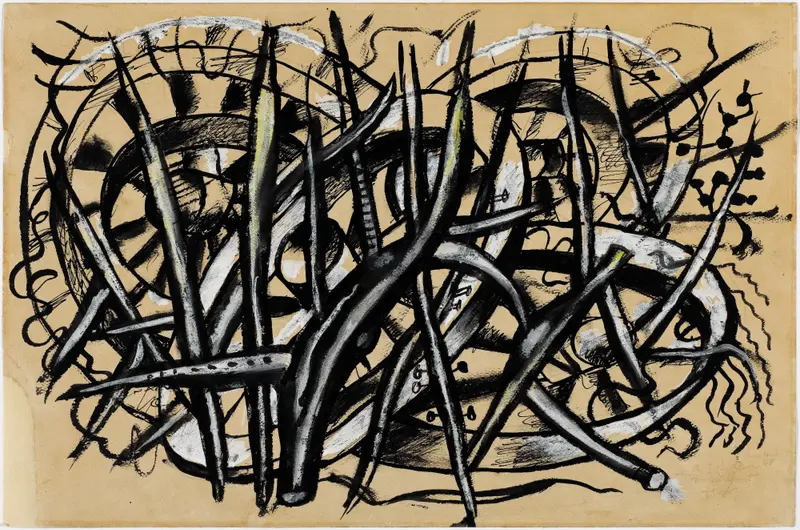
The Wheels
Fernand Léger

Le Cirque Médrano
Fernand Léger
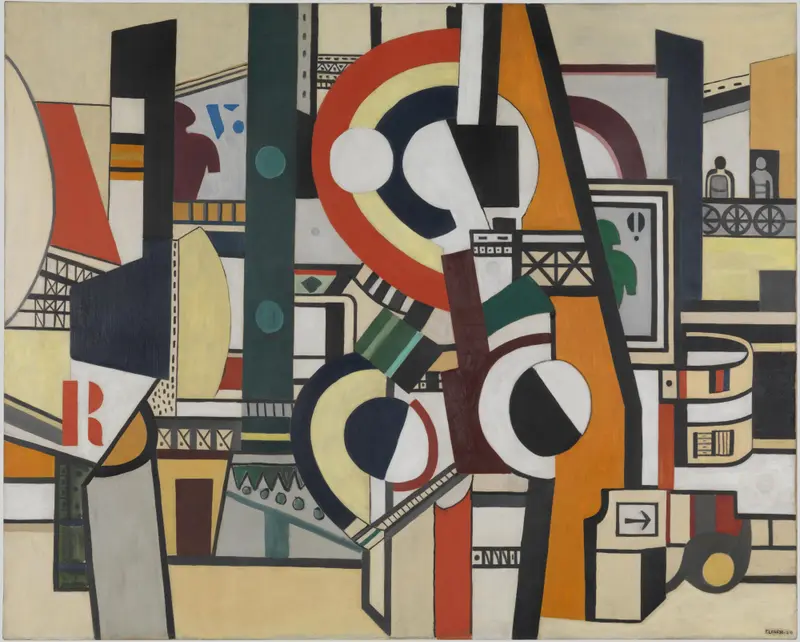
The Disks in the City
Fernand Léger
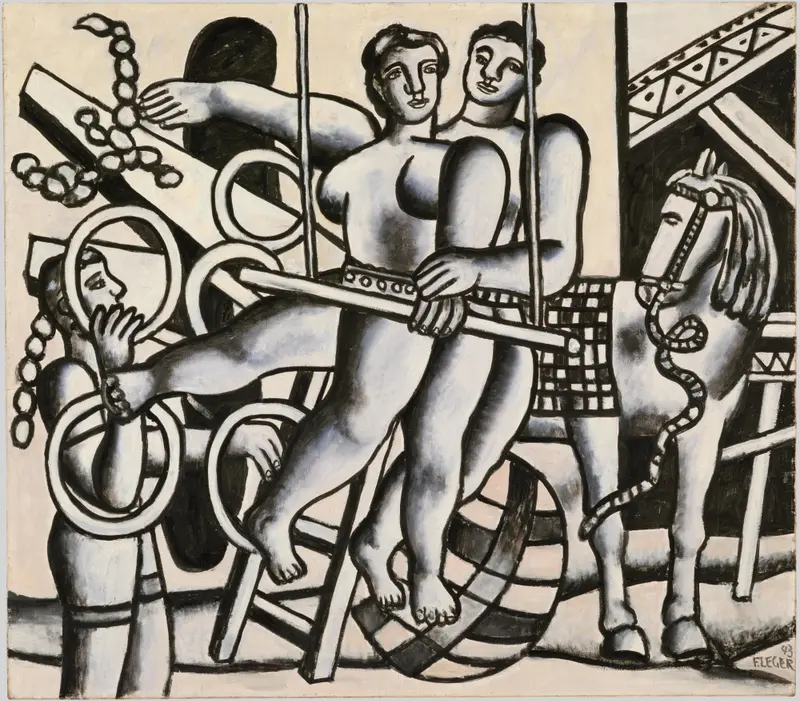
Le Jongleur et les acrobates
Fernand Léger
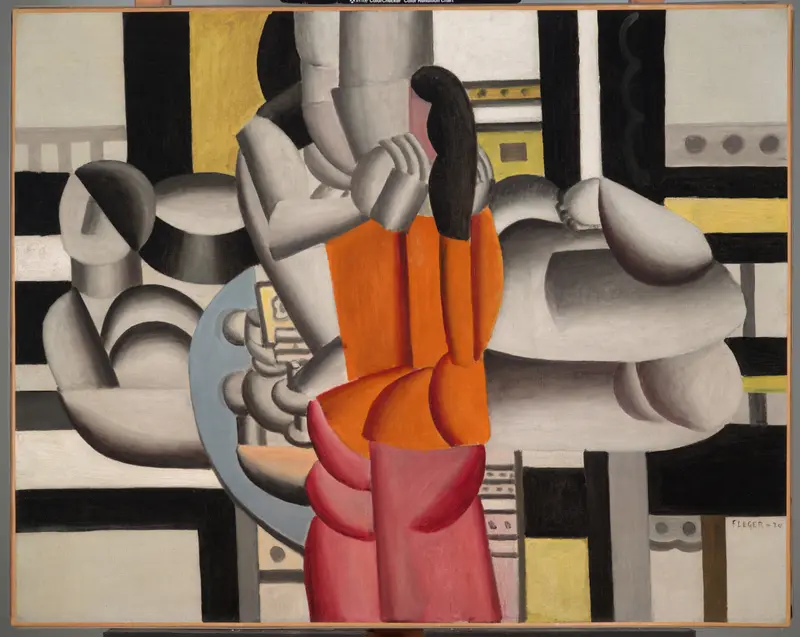
Three Women and Still Life (Déjeuner)
Fernand Léger
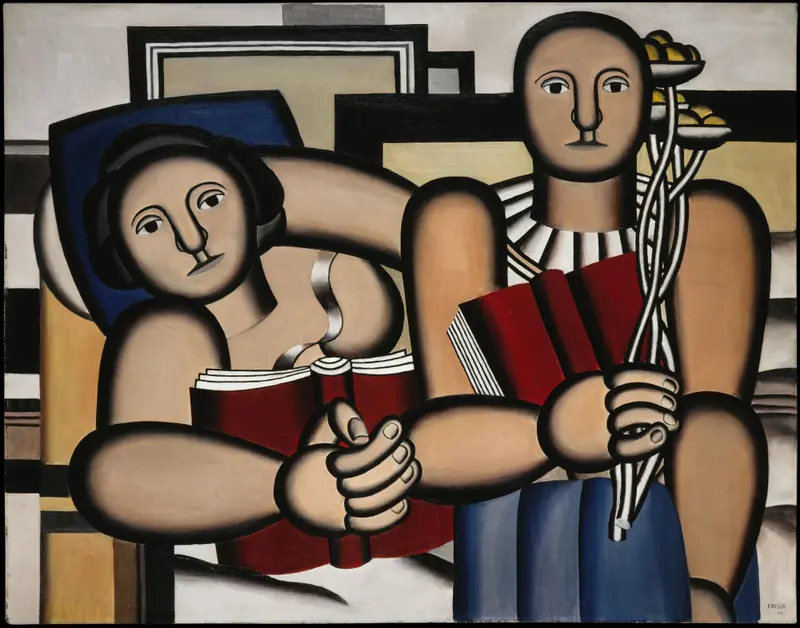
Reading
Fernand Léger
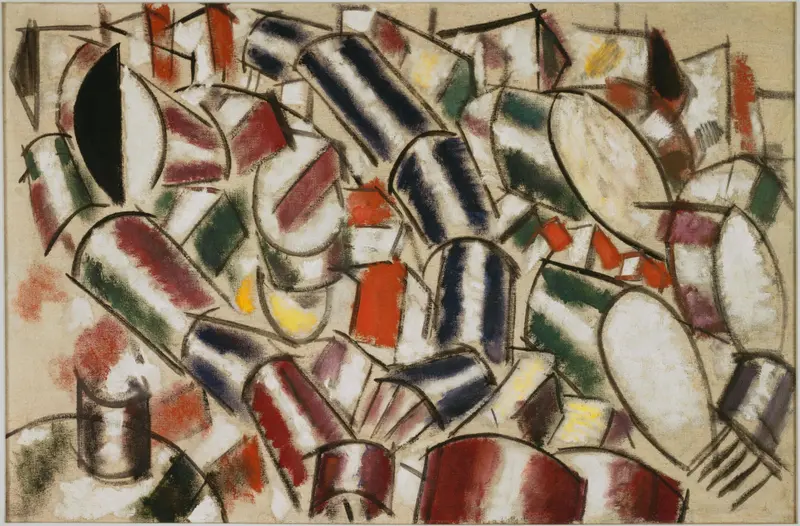
Femme couchée
Fernand Léger
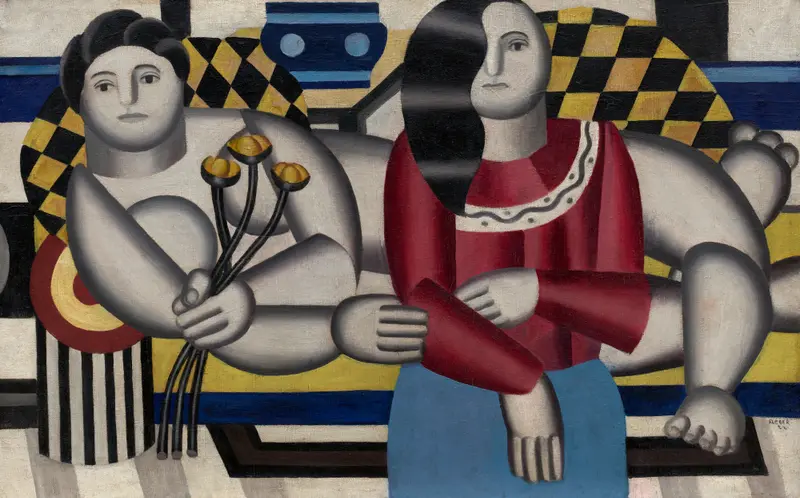
Woman holding flowers
Fernand Léger
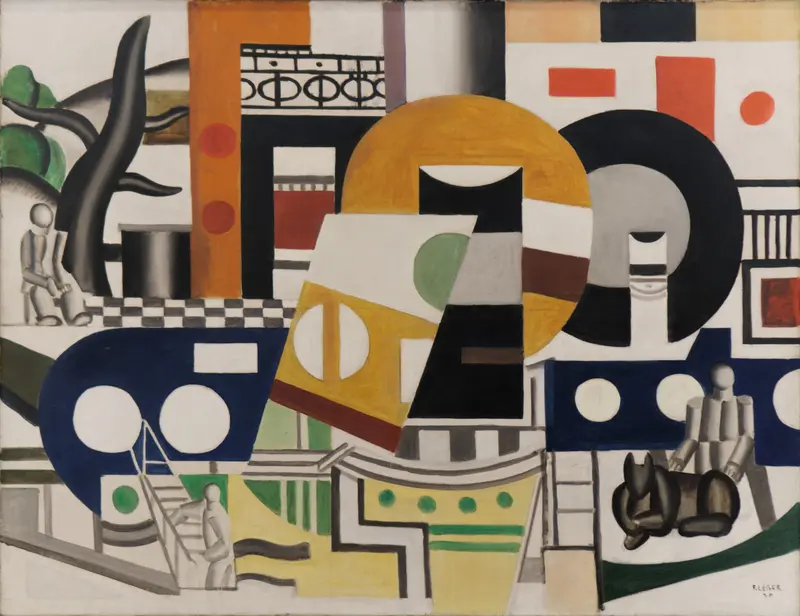
The Tug
Fernand Léger



