The Vase of Tulips — History & Facts
What secret hides in the quiet of the canvas? In The Vase of Tulips, color and form come together to tell a story of transcendence, inviting the viewer to delve into the essence of beauty and simplicity. Focus on the bouquet, vibrant and alive, commanding attention in the center of the composition. The tulips, painted in rich reds and yellows, seem to almost pulsate with life against the muted backdrop. Notice how the light illuminates the petals, enhancing their texture and depth.
The vase, simple yet elegant, grounds the arrangement, while the subtle play of shadow adds an air of serenity, drawing your eye into the intimate world captured on the canvas. Yet, within this tranquil moment lies a complex interplay of emotions. The juxtaposition of the vibrant flowers against the subdued background mirrors the tension between life and stillness—an exploration of existence itself. The brushstrokes, thick and expressive, evoke feelings of warmth and nostalgia, as if each petal harbors a memory waiting to be discovered, inviting contemplation of both beauty and impermanence. In the late 19th century, while Cezanne painted this piece in his studio in Aix-en-Provence, he was navigating his evolving style amidst the rise of Impressionism.
The art world was shifting towards capturing the fleeting nature of reality, yet he sought to infuse his work with structure and permanence. This period marked a significant transition for the artist, reflecting his relentless pursuit of depicting the profound within the ordinary, paving the way for modern art.
More Artworks by Paul Cezanne
Browse all →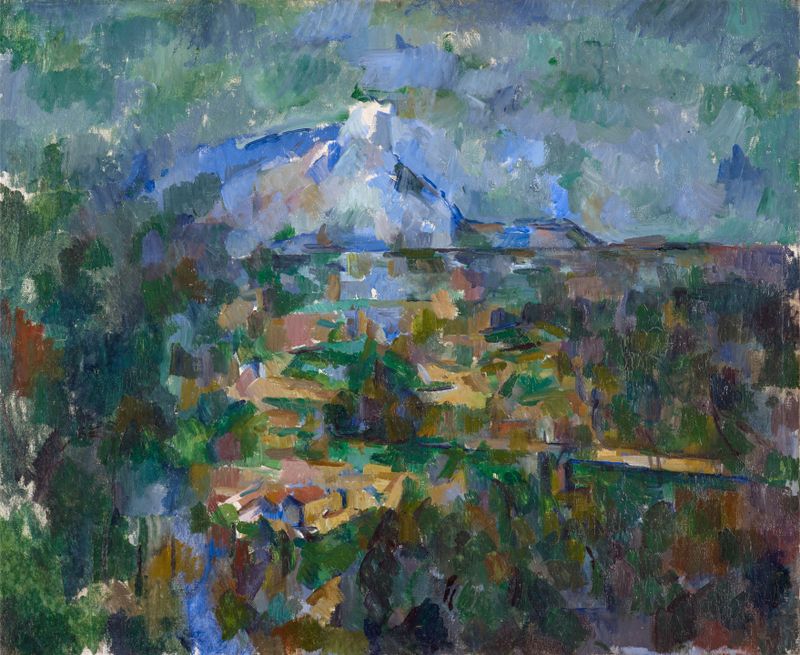
The Mont Sainte-Victoire Seen From Les Lauves
Paul Cezanne
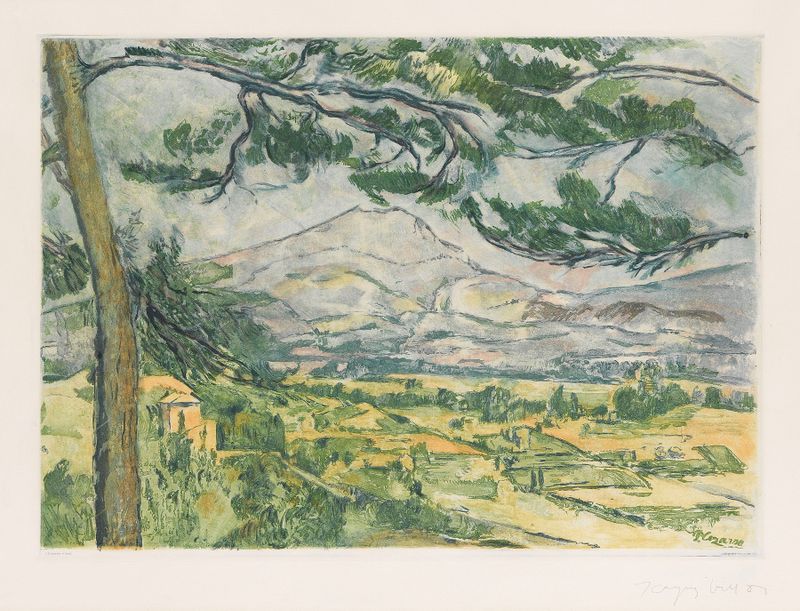
La Montagne Sainte-Victoire
Paul Cezanne
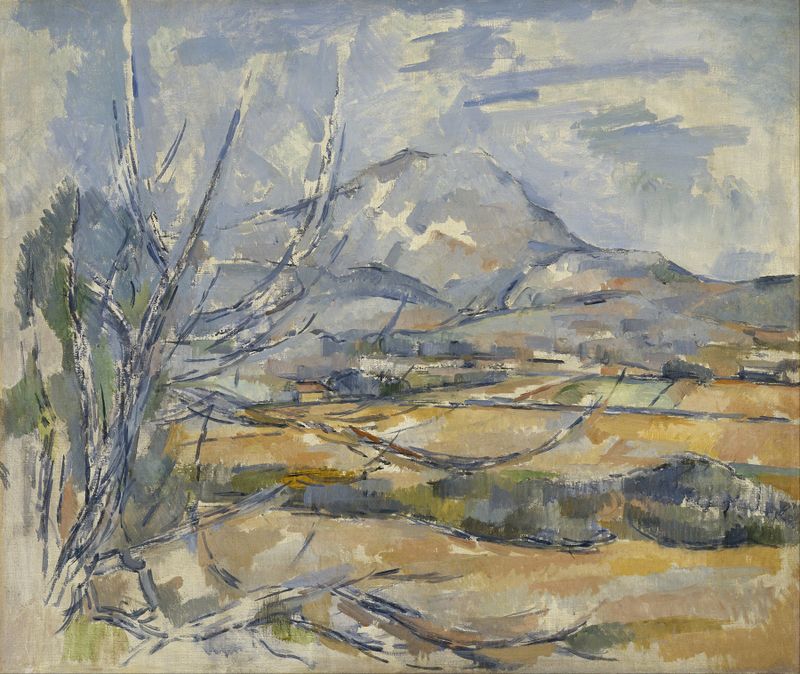
Montagne Sainte-Victoire
Paul Cezanne
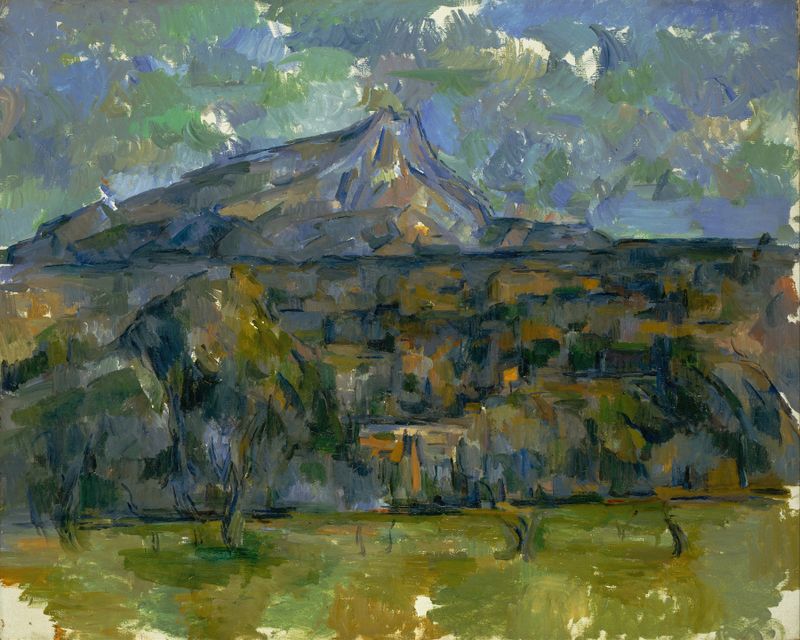
Mont Sainte-Victoire
Paul Cezanne
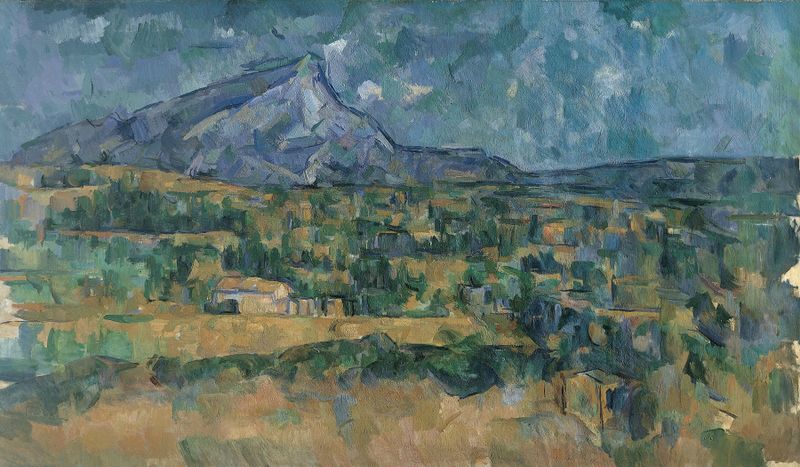
Mont Sainte-Victoire
Paul Cezanne
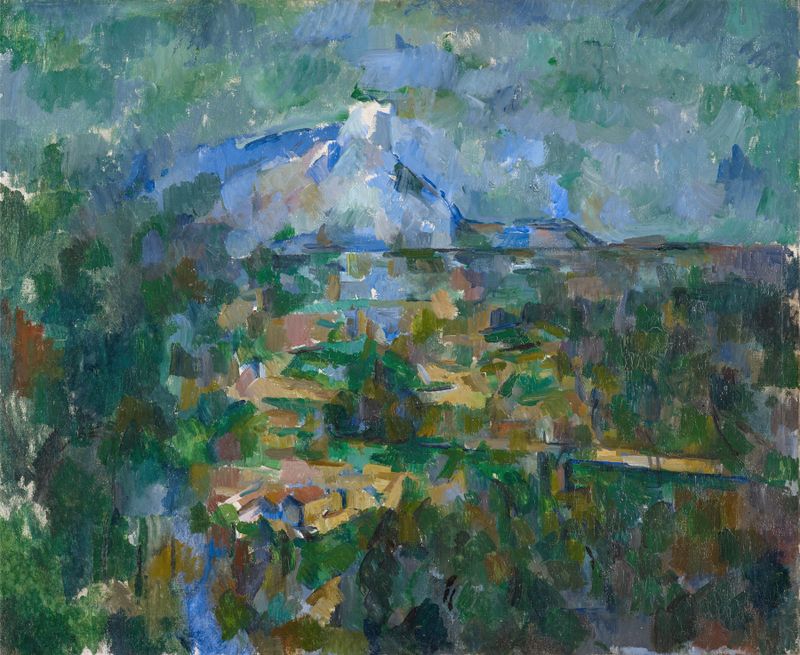
View of Mount Sainte-Victoire from Les Lauves
Paul Cezanne
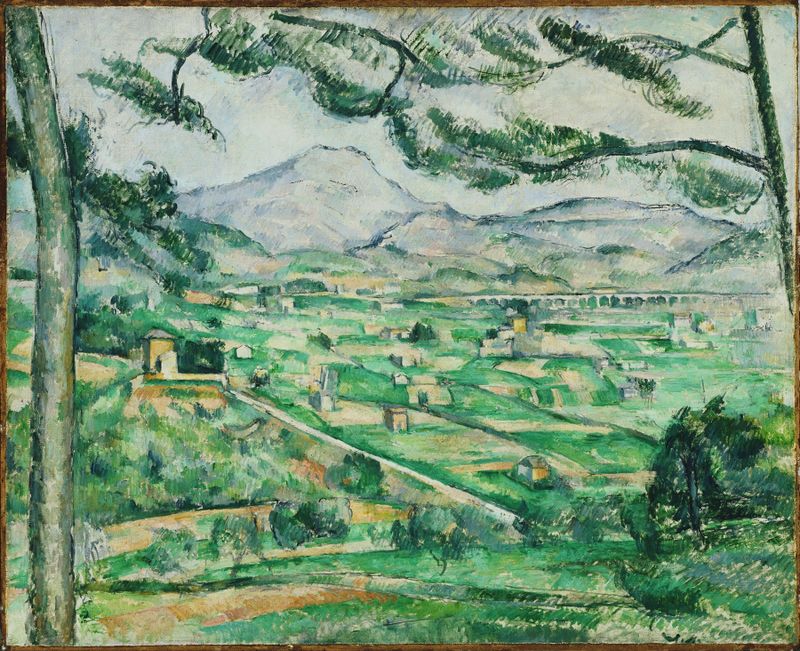
Mont Sainte-Victoire 2
Paul Cezanne

The Basket of Apples
Paul Cezanne

Mount Sainte-Victoire
Paul Cezanne
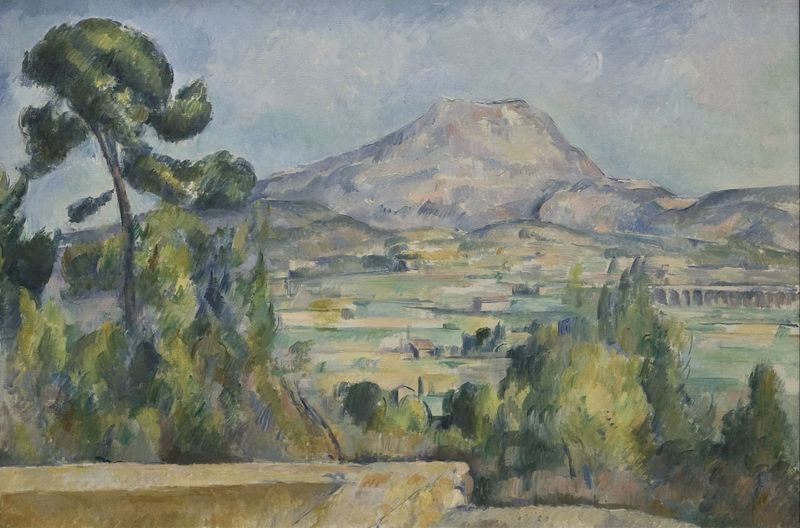
Montagne Saint-Victoire
Paul Cezanne