
The Village Fair — History & Facts
When The Village Fair first appeared in exhibitions in Belgium, viewers were struck by its uneasy blend of festivity and alienation—a hallmark of Gustave Van de Woestijne’s vision of rural life. Unlike the sentimental scenes of peasant merriment popular in late 19th-century painting, Van de Woestijne’s fairs are unsettling, their revelers isolated even in the crowd. Critics at the time noted the painting’s psychological tension, with one contemporary observer remarking on the "strange silence that seems to hover over the laughter." The work stands out among Van de Woestijne’s oeuvre for its ability to transform a familiar village ritual into an enigmatic tableau. The scene unfolds at the heart of a Flemish village, where townsfolk gather for the annual fair.
Rather than the usual riot of color and movement, Van de Woestijne arranges his figures in rigid, almost statuesque poses. Faces are mask-like, their expressions ambiguous—some caught in mid-laughter, others turned inward, lost in thought. The artist’s use of muted earth tones and flattened perspective heightens the sense of emotional distance, while small details—a child clutching a toy, a musician’s bent head—hint at private stories within the collective event.
In contrast to the bustling, exuberant fairs painted by Pieter Bruegel the Elder, here the celebration seems suspended, its joy tinged with introspection. The precise date and medium of The Village Fair remain uncertain, and its early provenance is not well documented. It is likely that the painting was created during Van de Woestijne’s mature period, when he was associated with the Symbolist movement in Belgium. Over the years, the work has passed through several private collections, rarely appearing in public view.
Today, it is recognized as a key example of Van de Woestijne’s unique approach to rural subjects—neither idealized nor critical, but quietly unsettling. Its current location is not widely published, adding to the aura of mystery that has always surrounded this haunting village scene.
More Artworks by Gustave Van de Woestijne
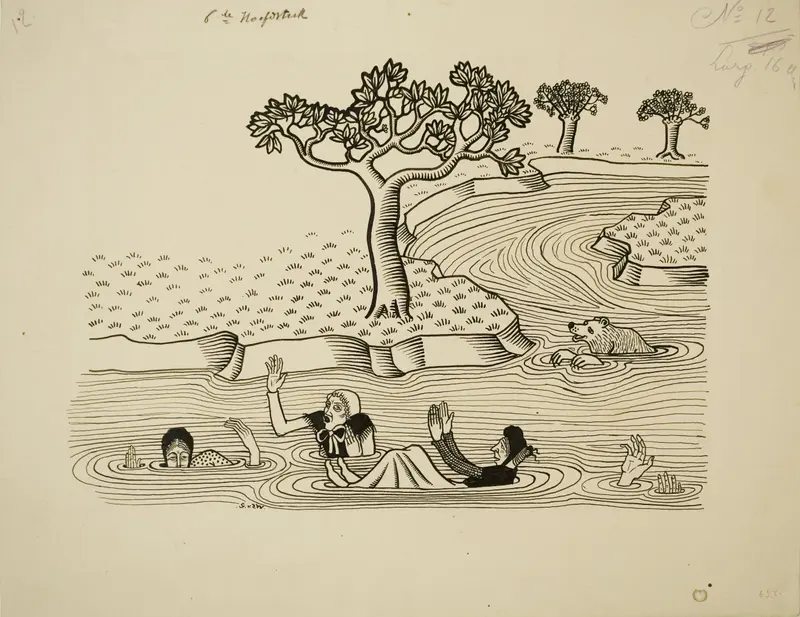
How Brown went out with Reynard where he thought he was eating honey and how he was caught by head and feet and suffered further misfortune
Gustave Van de Woestijne
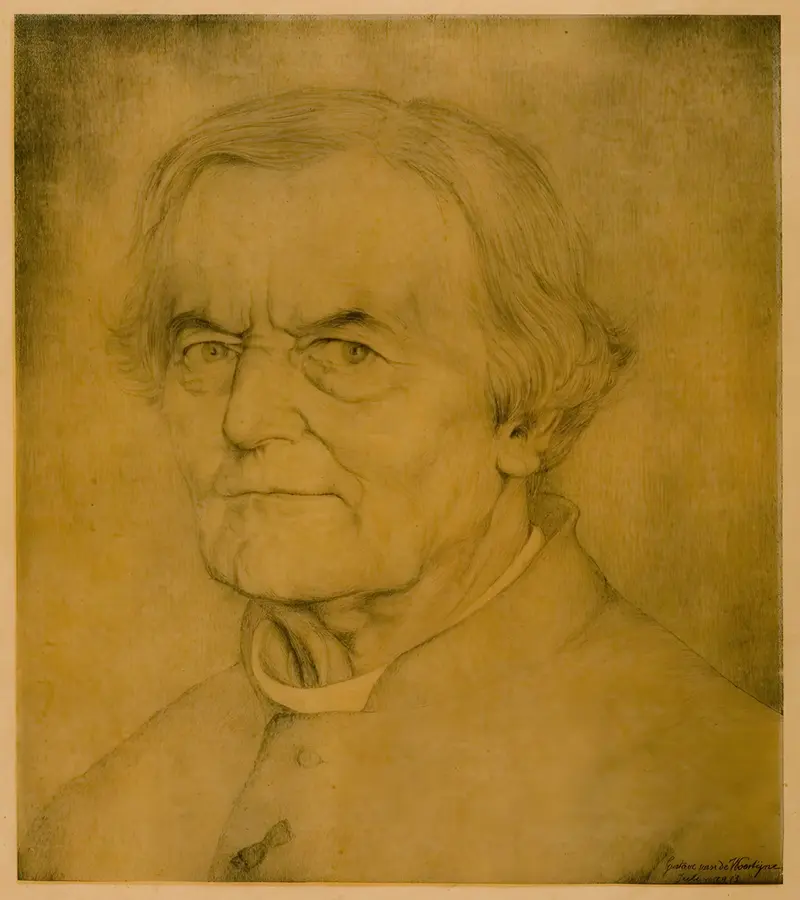
Portrait of Hugo Verriest
Gustave Van de Woestijne
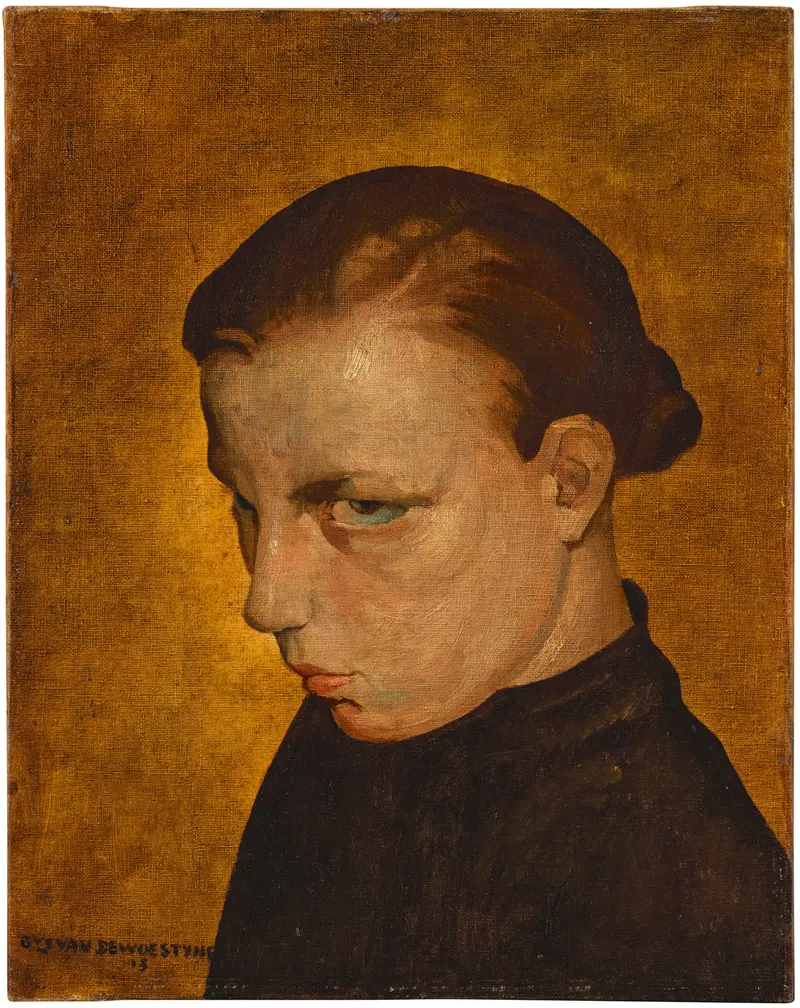
Angèle
Gustave Van de Woestijne
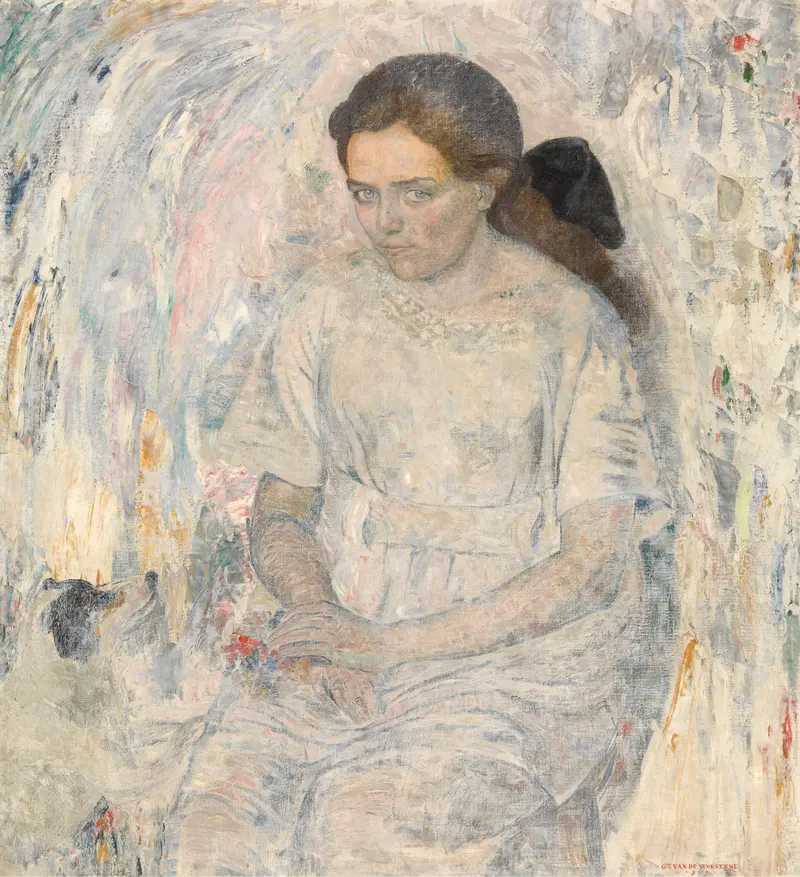
Adrienne
Gustave Van de Woestijne
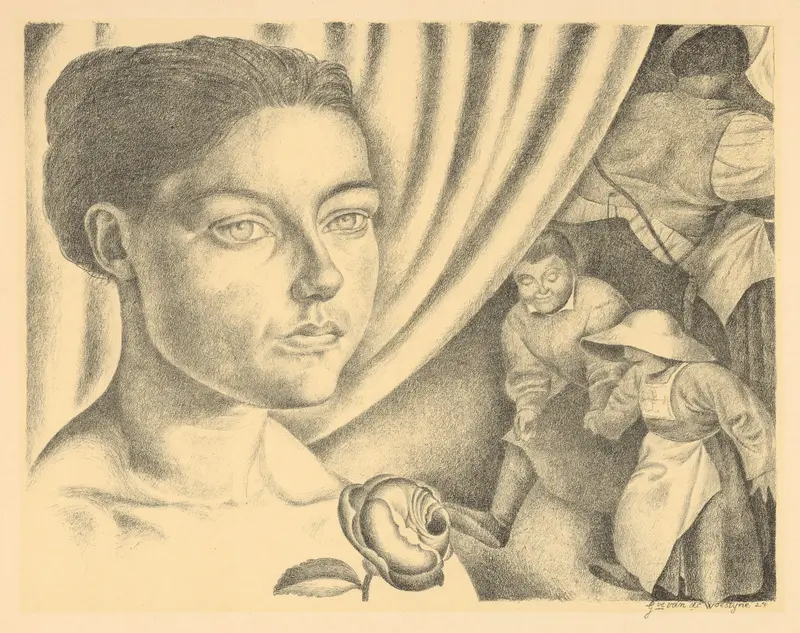
Jeune Femme
Gustave Van de Woestijne
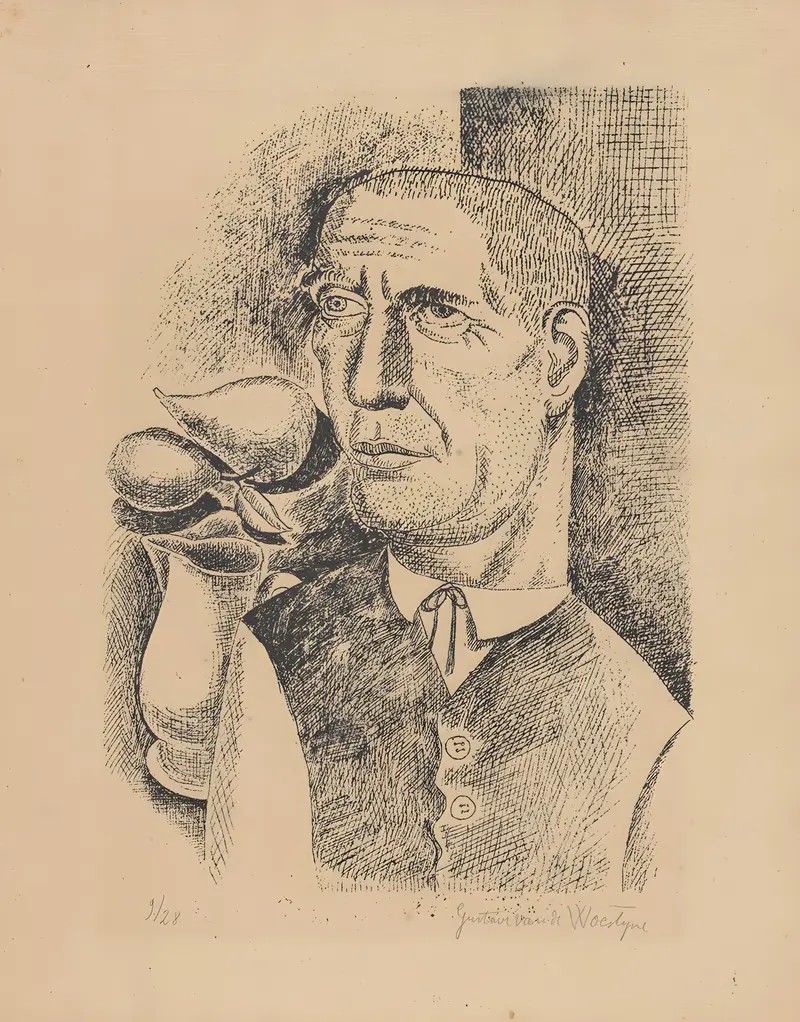
Boer op zijn zondags (Paysan endimanché)
Gustave Van de Woestijne
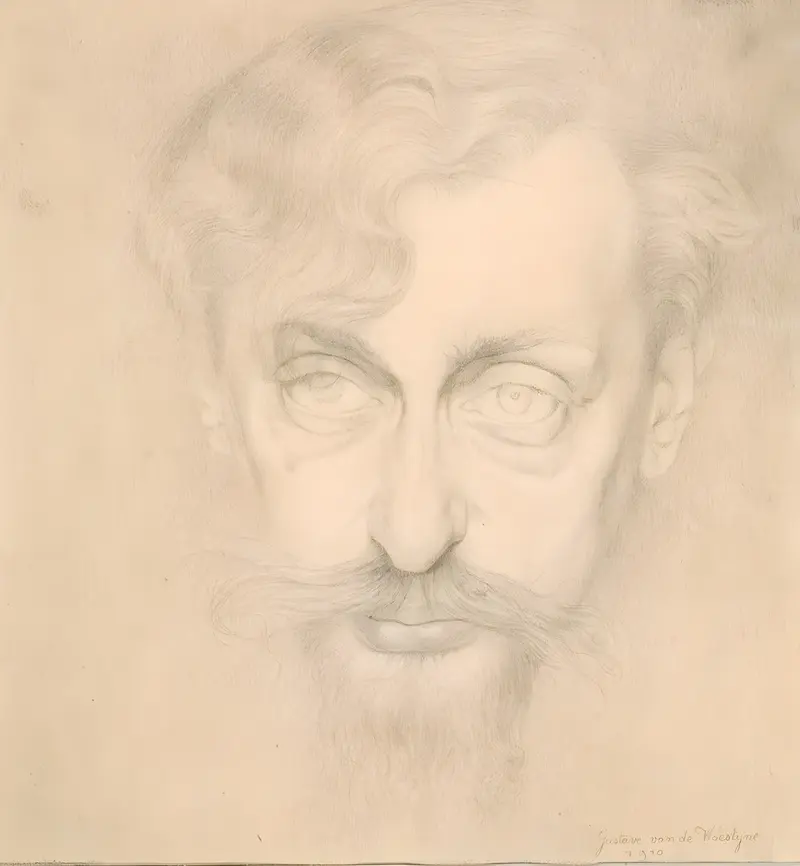
Portrait of the Writer Karel van de Woestijne
Gustave Van de Woestijne
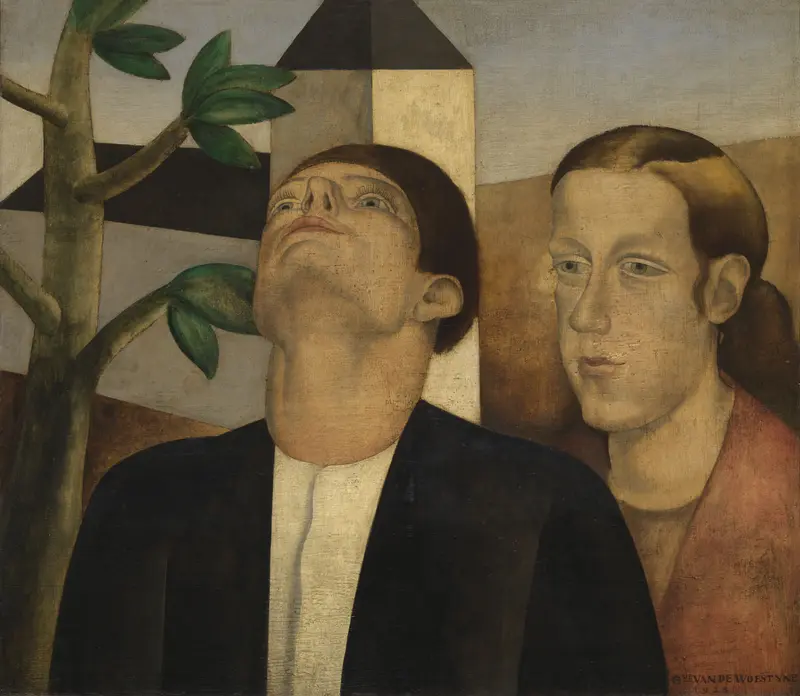
Azure
Gustave Van de Woestijne
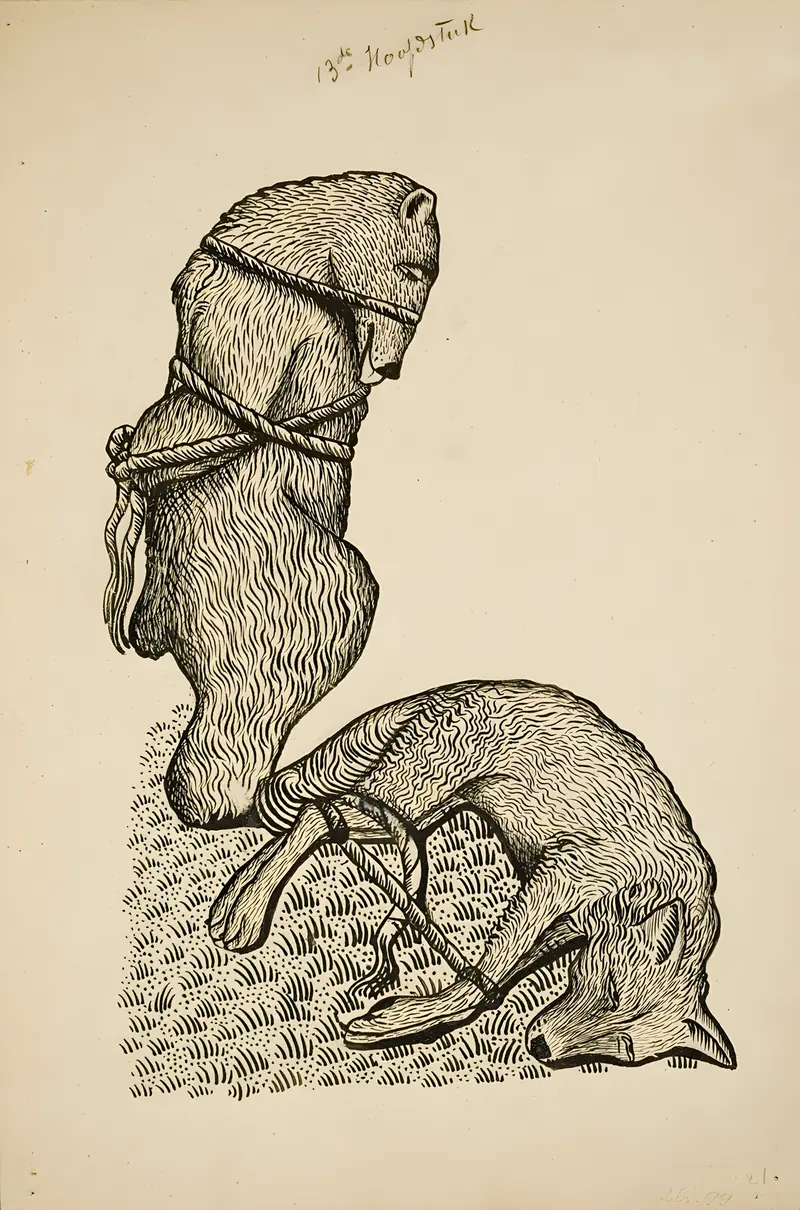
How Reinaert devises a new trick to get free and exterminate his enemies
Gustave Van de Woestijne
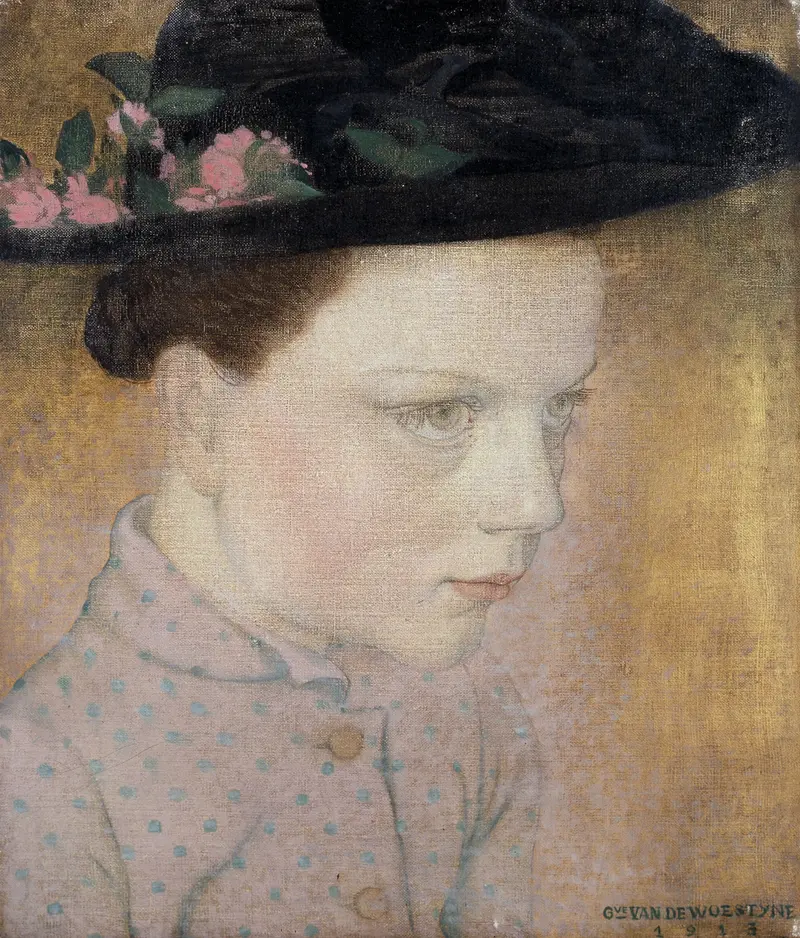
Country Girl
Gustave Van de Woestijne
More Genre Scene Art

Banquet of the Officers of the St George Civic Guard
Frans Hals

Rembrandt and Saskia in the Scene of the Prodigal Son
Rembrandt van Rijn

Bal du moulin de la Galette
Pierre-Auguste Renoir

Quadrille at the Moulin Rouge
Henri de Toulouse-Lautrec

A Burial at Ornans
Gustave Courbet

When Will You Marry?
Paul Gauguin