
Annunciation — History & Facts
She is seated beside a richly carved marble table, its surface supporting an open book and draped with a transparent veil that catches the light. Opposite her, at the left, an angel kneels on a carpet of wildflowers, his wings outstretched and his right hand raised in greeting or blessing. Both figures are set against a low wall, beyond which a landscape opens to a distant mountain and a calm blue sky, with slender cypress trees rising in rhythmic intervals.
The light falls from the left, illuminating the angel’s face and the folds of Mary’s robe, while casting soft shadows that model their forms with gentle transitions. The composition is carefully balanced, with the figures placed at either end of the panel and the marble table forming a visual bridge between them. In the right background, a shadowed interior space recedes behind the seated figure, framed by large, blocky stonework.
The foreground is densely covered with a variety of small wildflowers and grasses, painted with crisp detail and a range of greens, yellows, and whites. The distant landscape features a winding river and pale blue mountains, with atmospheric perspective softening the contours as they recede into the mist. The painting is attributed to Leonardo da Vinci and dates to about 1472, during his early years in Florence. It is recognized as a work of the Italian Renaissance and is considered Leonardo’s earliest major painting.
The panel already shows characteristics of Leonardo’s later innovations, including soft transitions of light and atmospheric perspective in the distant landscape. The painting’s architectural features are constructed with careful perspective, and the arrangement of the figures and objects demonstrates an early mastery of spatial composition.
Sources: Uffizi Gallery, record 00285888 · Wikidata Q1217213 · Wikipedia: Annunciation (Leonardo) · Image source (Wikimedia Commons)
More Artworks by Leonardo da Vinci

Sheet of Studies
Leonardo da Vinci
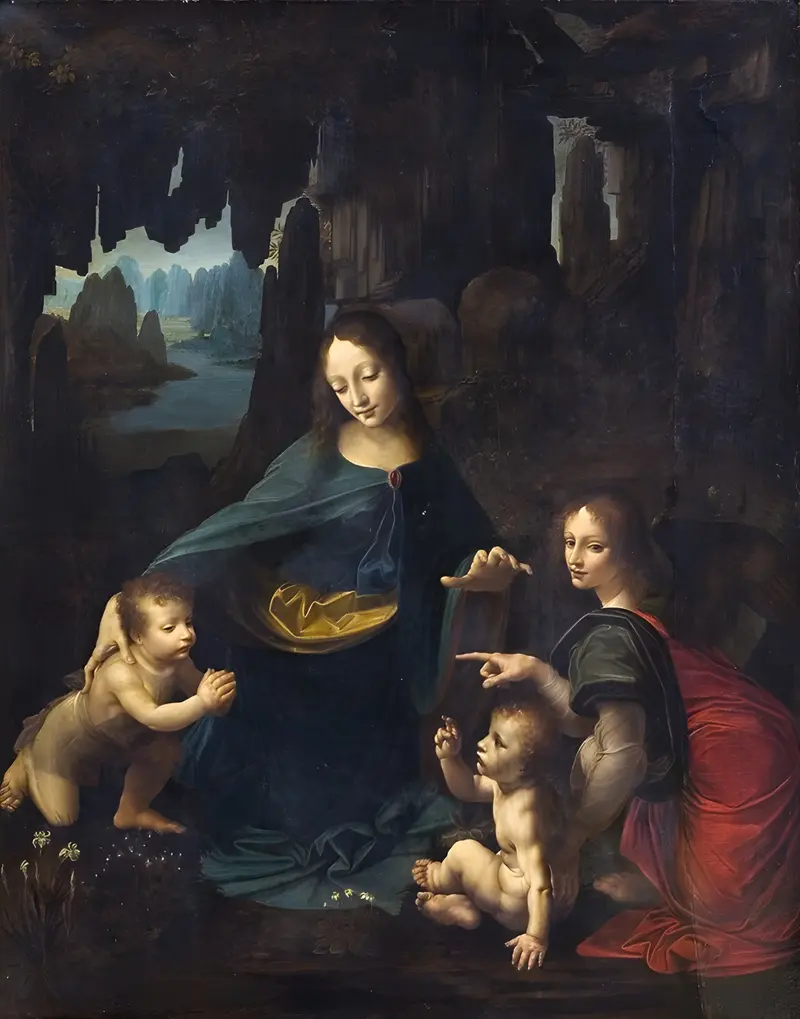
The Virgin of the Rocks
Leonardo da Vinci
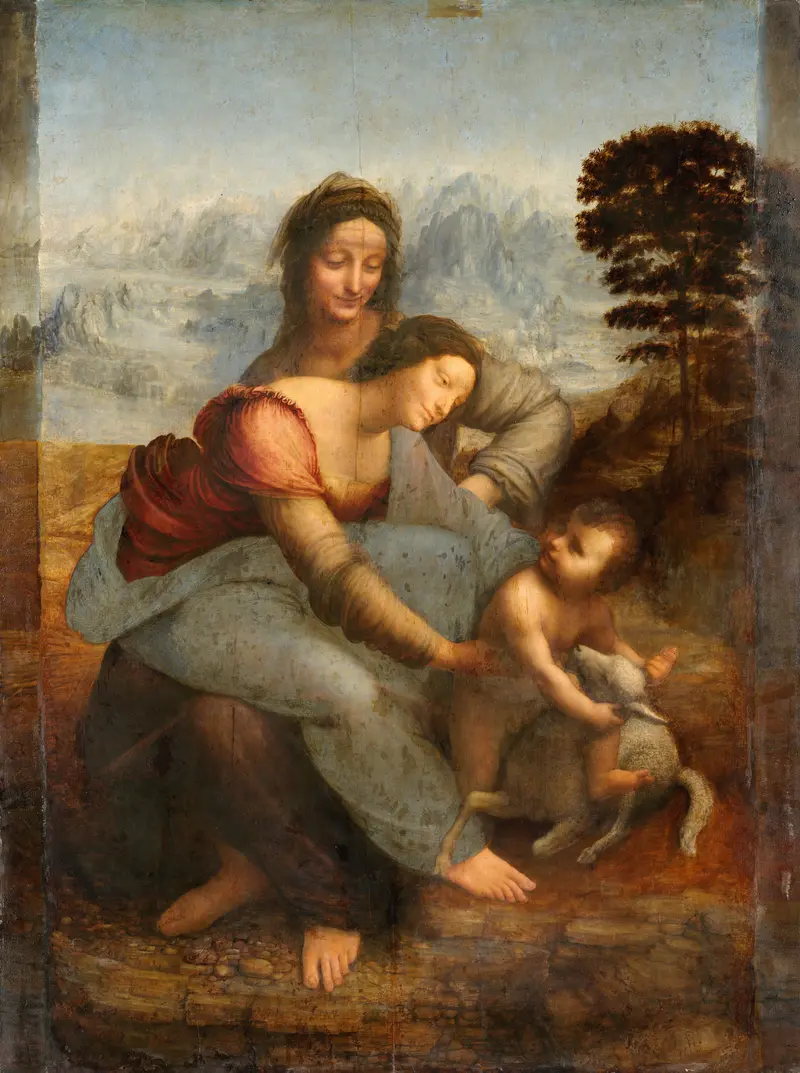
The Virgin and Child with St. Anne
Leonardo da Vinci
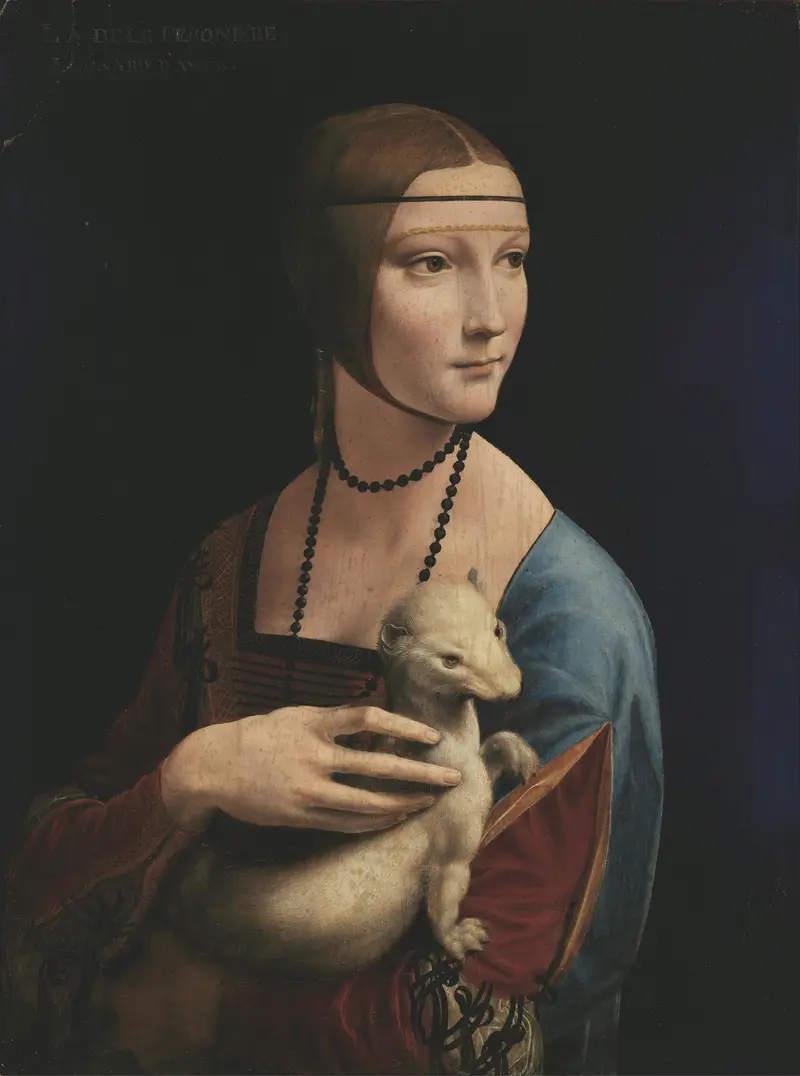
Lady with an Ermine
Leonardo da Vinci
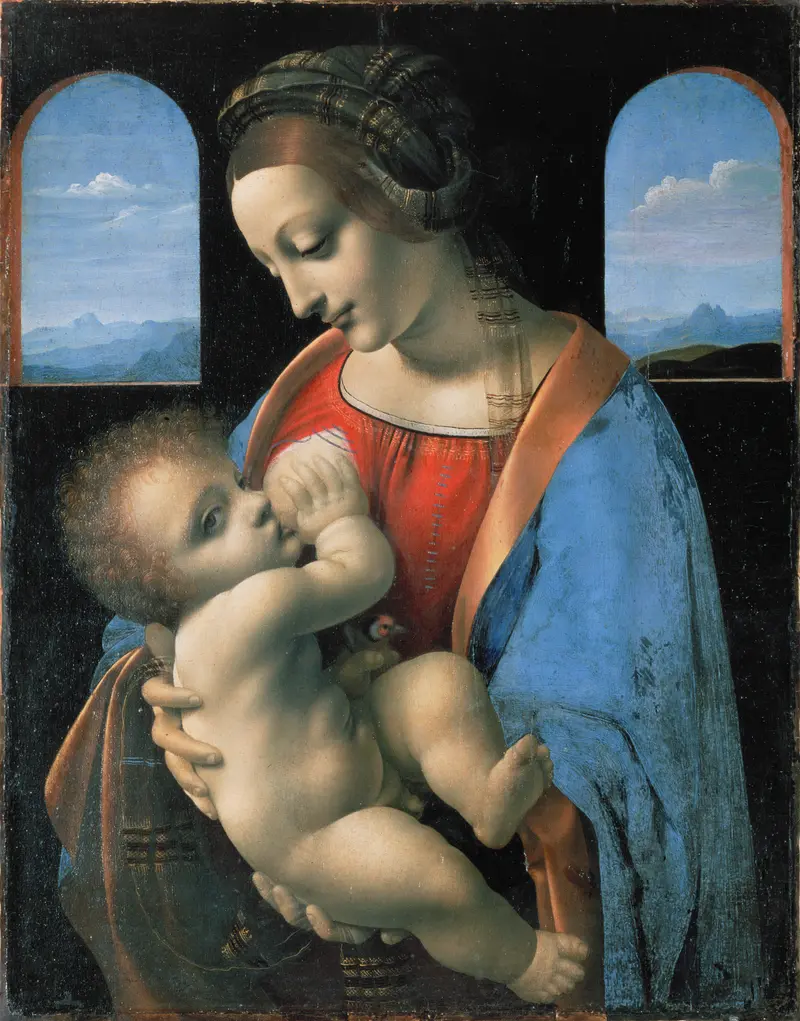
Madonna Litta
Leonardo da Vinci
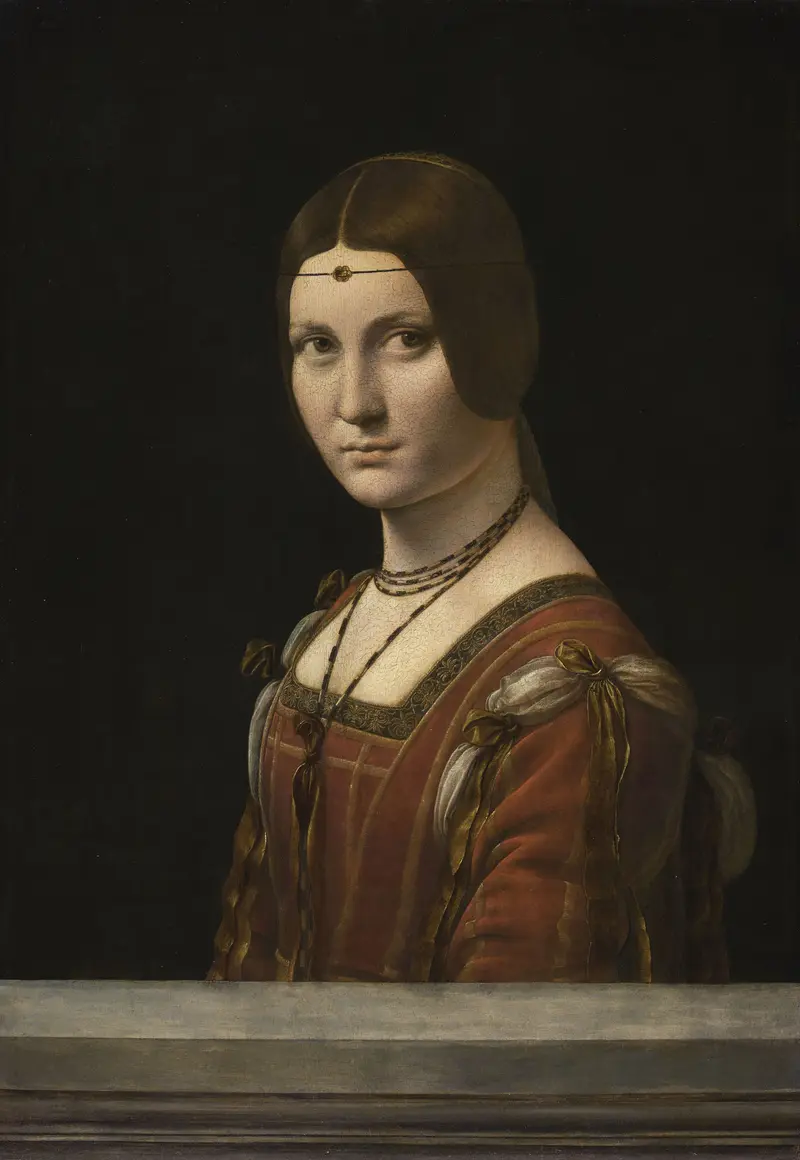
La Belle Ferronnière
Leonardo da Vinci
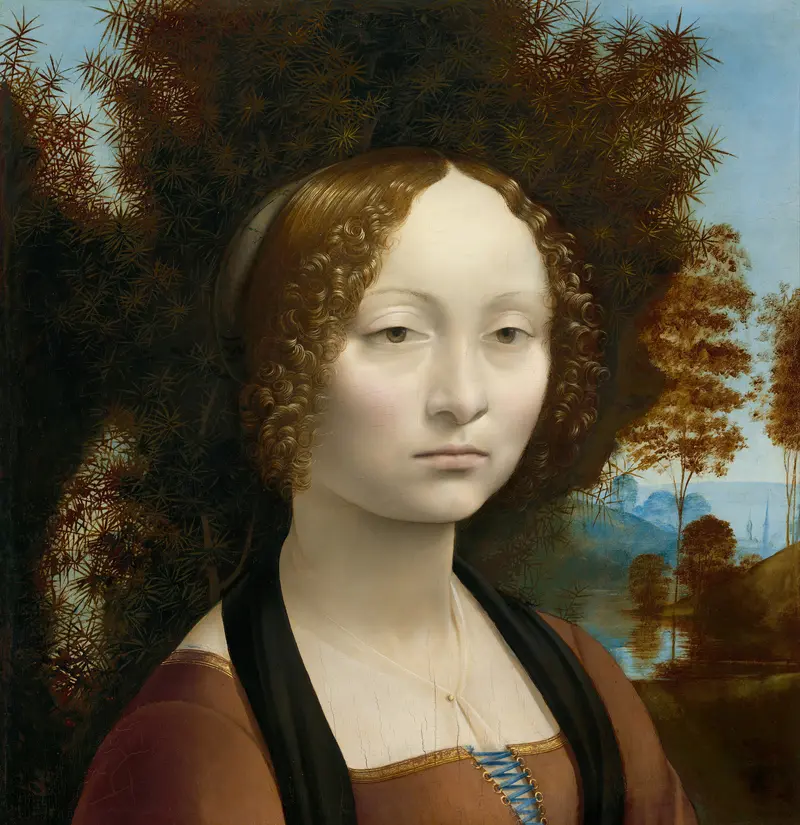
Ginevra de' Benci
Leonardo da Vinci
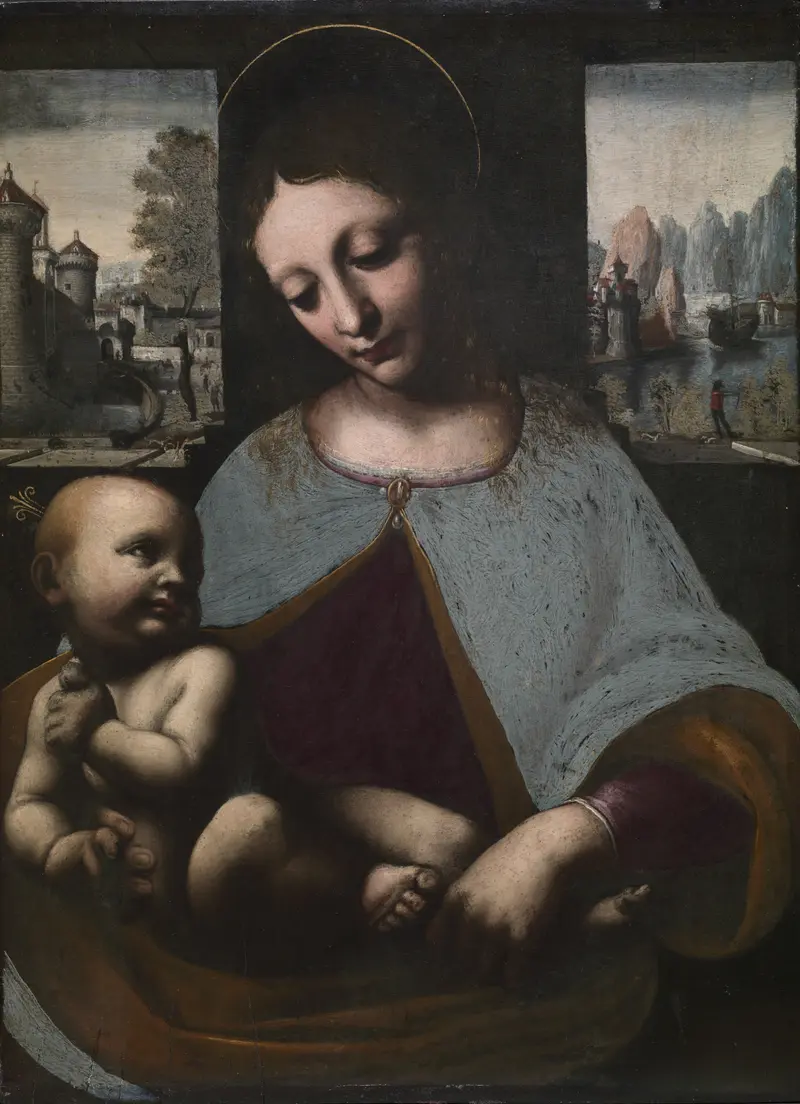
Virgin and Child
Leonardo da Vinci

Head of an Old Man, and Studies of Machinery
Leonardo da Vinci
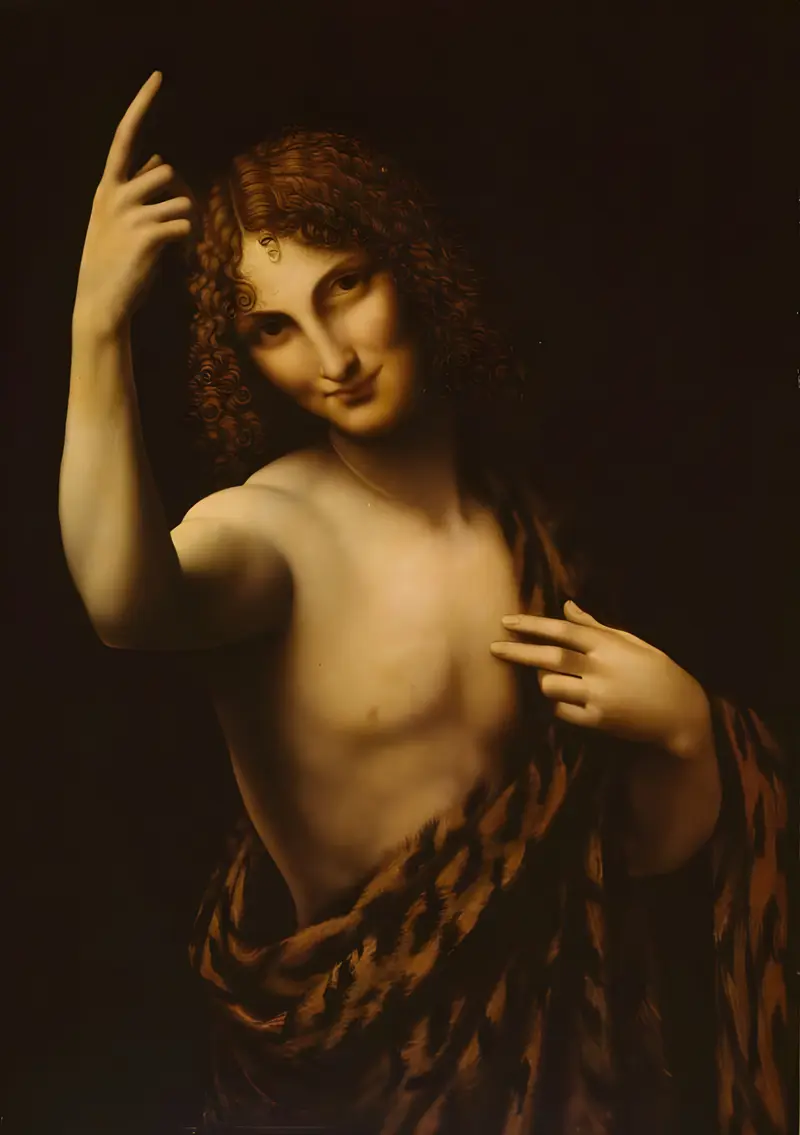
Saint John the Baptist
Leonardo da Vinci





