
The Vision of Pope Innocent III; Saints Peter and Paul Appearing to Saint Dominic — History & Facts
In the quiet cells of San Marco in Florence, friars once meditated before this very image—one of a series painted by Fra Angelico in the early 1450s for the convent’s dormitories. What makes The Vision of Pope Innocent III; Saints Peter and Paul Appearing to Saint Dominic remarkable is its role as a visual lesson for the Dominican brothers: it was not just art, but a daily reminder of their founder’s divine calling, painted by a fellow friar who was himself renowned for his piety. Unlike grand altarpieces, these frescoes were intimate, designed for private contemplation, and their stories were meant to shape the spiritual lives of those who gazed upon them. At the heart of this scene is a miraculous vision: Pope Innocent III, troubled by a dream in which the Church teetered on collapse, sees Saint Dominic physically supporting the Lateran Basilica.
In this moment, Fra Angelico chooses to show Saints Peter and Paul appearing to Dominic, handing him a staff and a book—symbols of authority and doctrine—while Innocent watches in awe. The golden halos, delicate gestures, and clear separation of heavenly and earthly space all reinforce the sanctity of the event. The figures are rendered with a gentle clarity, their faces serene, the light falling softly to emphasize the supernatural encounter.
Compared to the dramatic, crowded visions painted by Raphael a generation later, Fra Angelico’s approach is spare and meditative, inviting the viewer to enter the mystery quietly. The exact medium of this work remains uncertain, but it is believed to be either fresco or tempera on plaster, typical of Fra Angelico’s San Marco cycle. Commissioned by Cosimo de’ Medici for the Dominican convent, the series marked a turning point in religious art, blending narrative clarity with spiritual intimacy. Over the centuries, these paintings have remained in situ at San Marco, surviving war, neglect, and changing tastes, and are now central to the museum housed in the former convent.
For Fra Angelico, this cycle was both a culmination of his career as a painter and an expression of his faith, earning him praise from Vasari, who wrote that he “never set his hand to any subject that was not religious.”
More Artworks by Fra Angelico

Condemnation of St Lawrence by the Emperor Valerian
Fra Angelico
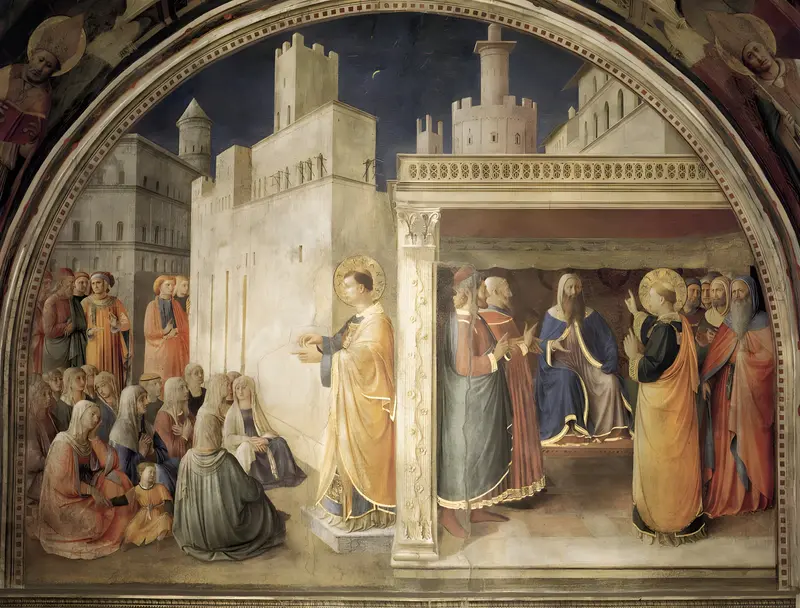
Lunette of the north wall
Fra Angelico
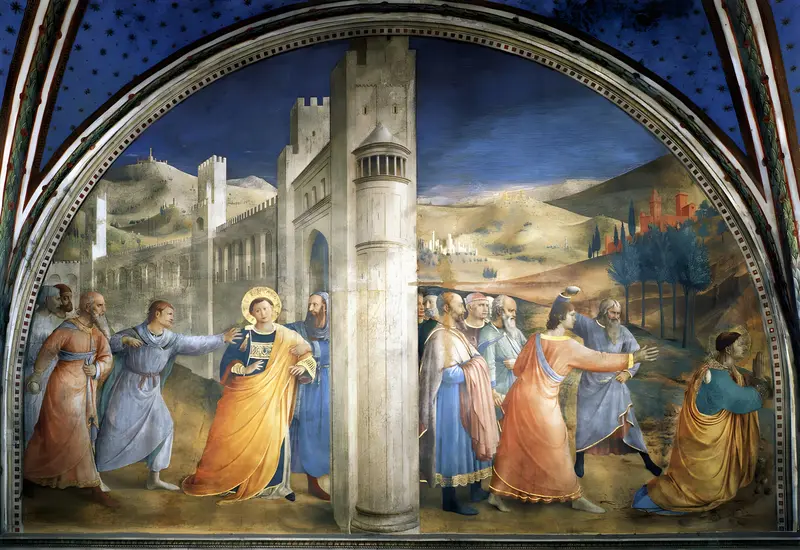
Lunette of the east wall in Niccoline Chapel
Fra Angelico
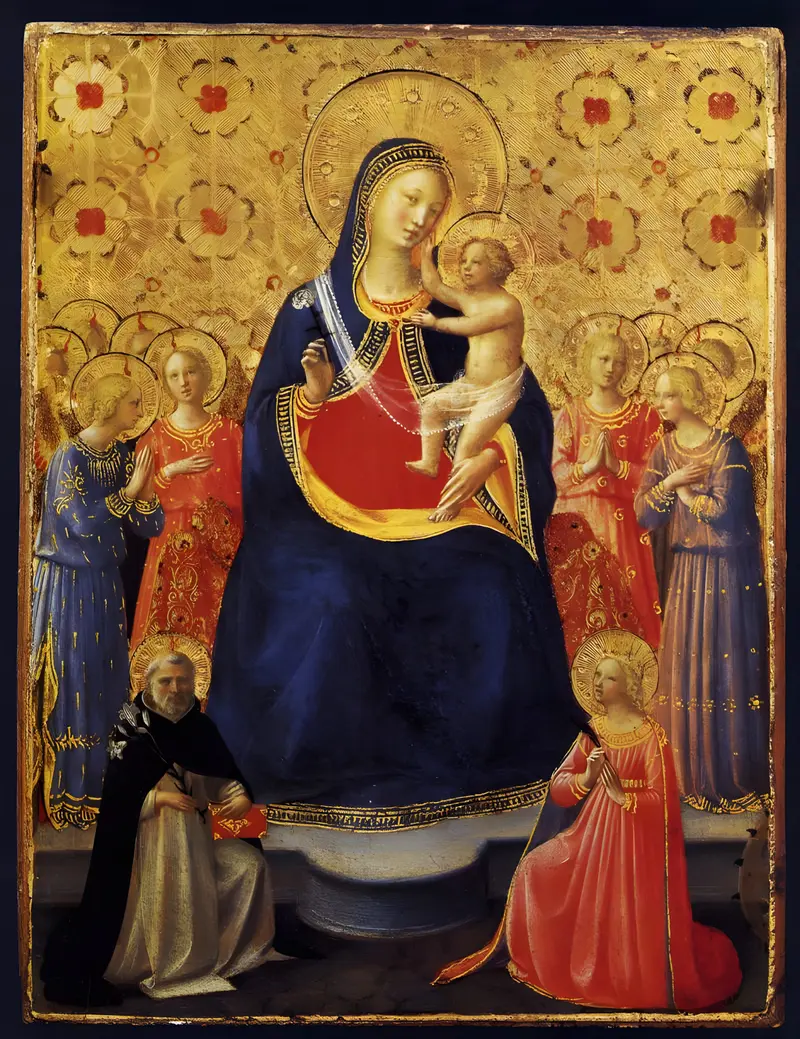
Madonna and Child Enthroned with Nine Angels and Saints Dominic and Catherine of Alexandria
Fra Angelico
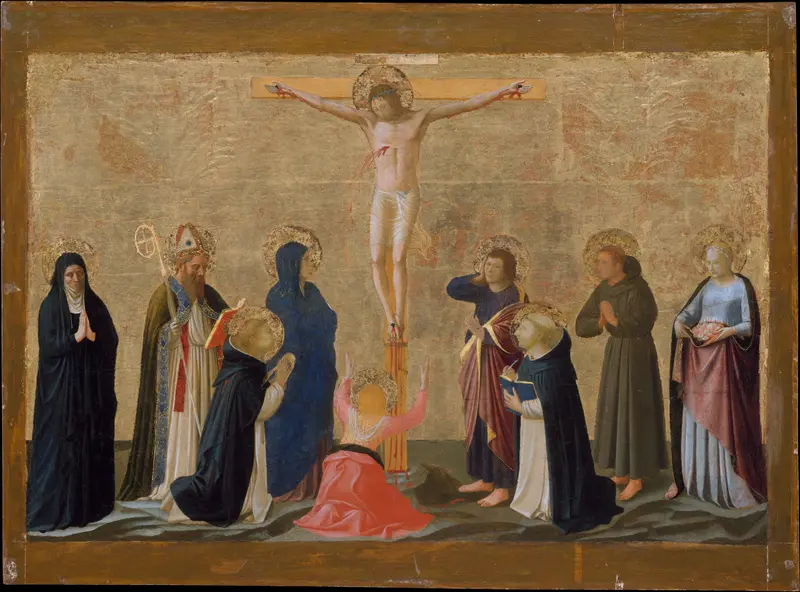
The Crucifixion
Fra Angelico
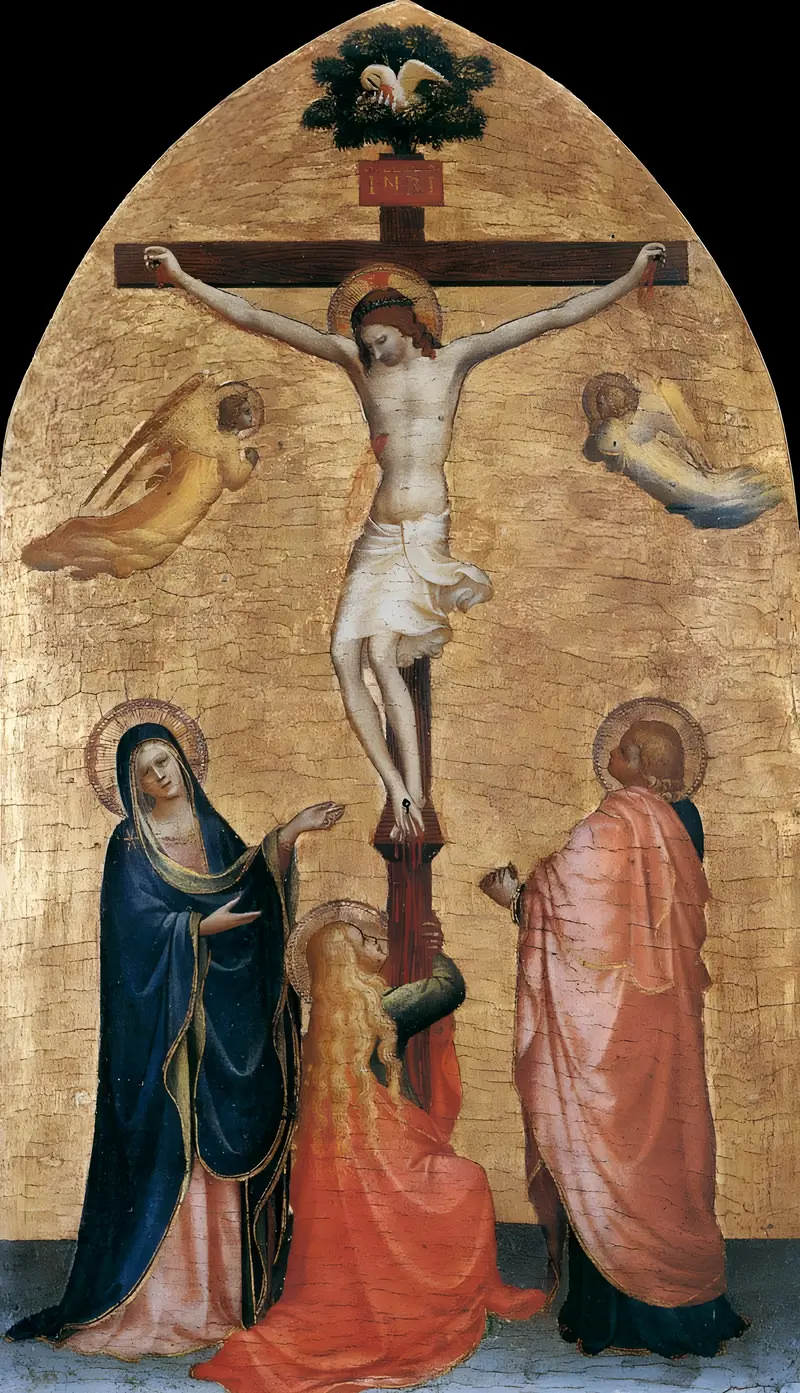
Crucifixion with the Virgin, John the Evangelist, and Mary Magdelene
Fra Angelico
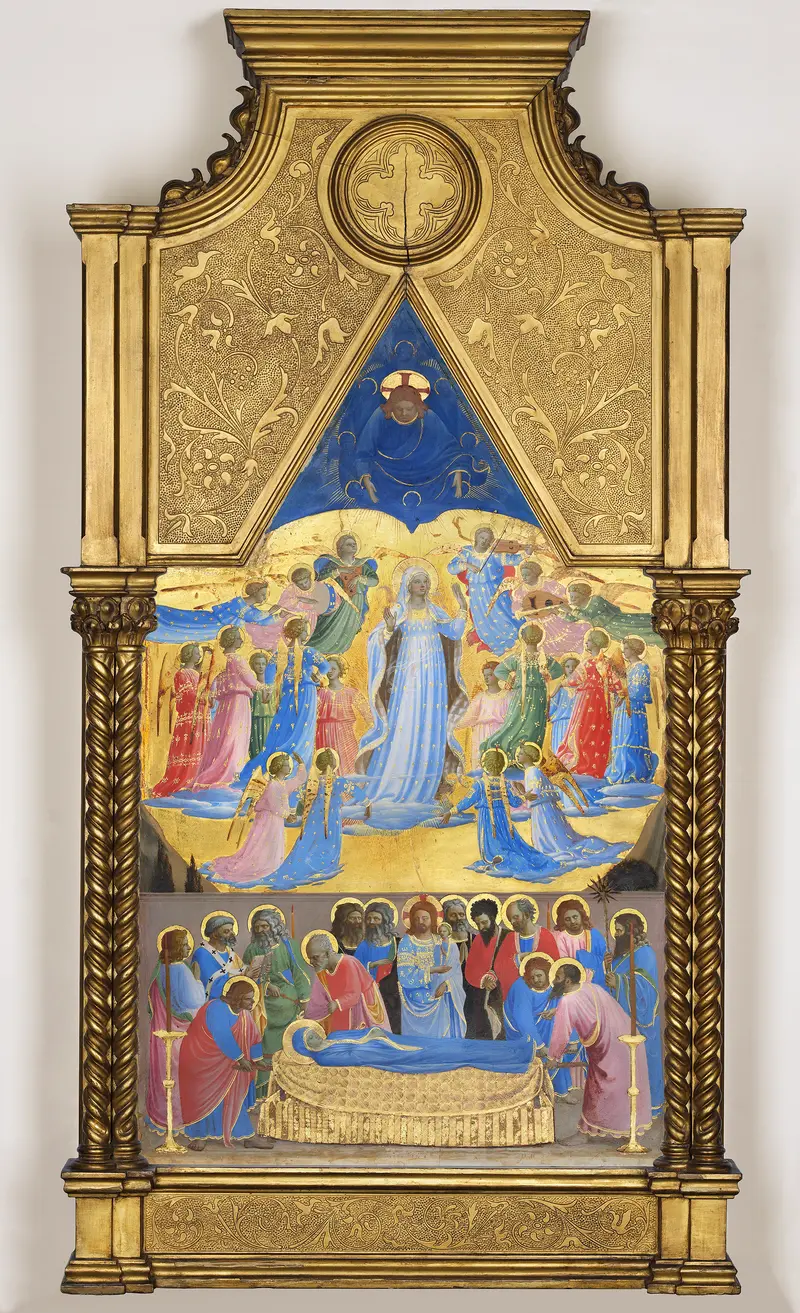
Dormition and Assumption of the Virgin
Fra Angelico
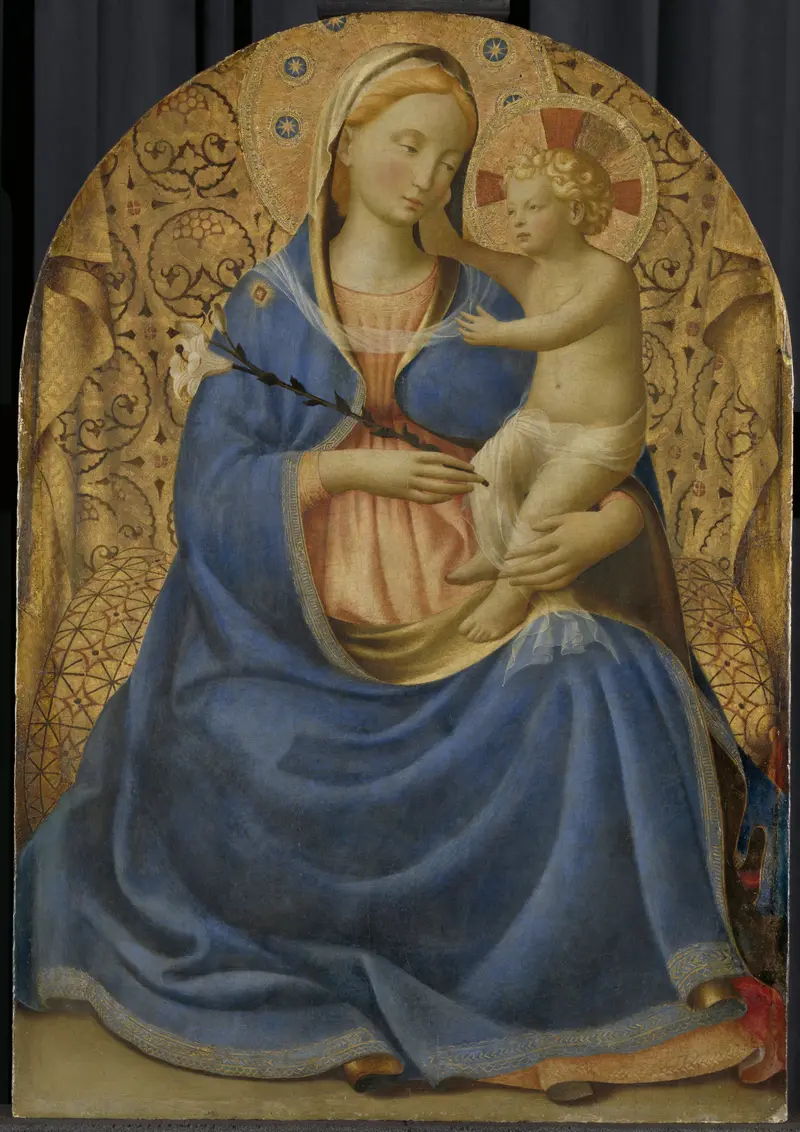
Madonna of Humility
Fra Angelico
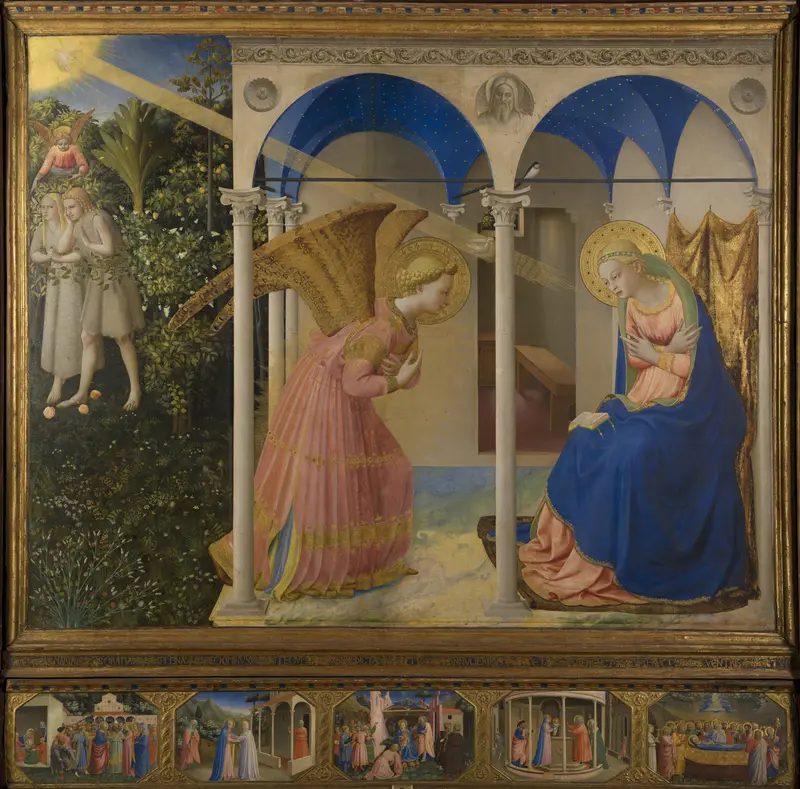
The Annunciation
Fra Angelico

Saint Anthony Abbot
Fra Angelico





