
The Wheat Field — History & Facts
In The Wheat Field, fear dances with serenity, echoing the quiet turmoil of existence itself. This vast expanse of grain sways gently, a paradox of nature's beauty and the fragility of life. Look to the left at the golden wheat, each stroke of paint creating texture that invites your fingers to trace its edges. The light spills across the field, illuminating the varied hues of yellow and green, while shadows deepen under the weight of an impending storm.
The horizon, a soft blend of blushing pinks and blues, draws the eye toward an unseen threat, heightening the tension between tranquility and unease. Delve into the subtle contrasts—between the warm sunlight and the encroaching darkness, between the promise of harvest and the fear of loss. The wavering lines of grain whisper of uncertainty, as if each stalk holds its breath in anticipation of what may come. This delicate balance between hope and apprehension reflects the human experience, reminding us of our tenuous relationship with nature and fate. In the mid-1870s, while painting this piece, Inness was deeply influenced by the transcendental philosophy of his time, seeking to convey emotional depth through natural scenes.
Living in New Jersey, he was channeling his experiences and observations into his work, further distancing himself from the strictures of realism and embracing a more expressive approach. At this moment in art history, the shift towards impressionism began to permeate the landscape, allowing him to explore the interplay of light and atmosphere as vehicles for deeper emotional resonance.
More Artworks by George Inness
Browse all →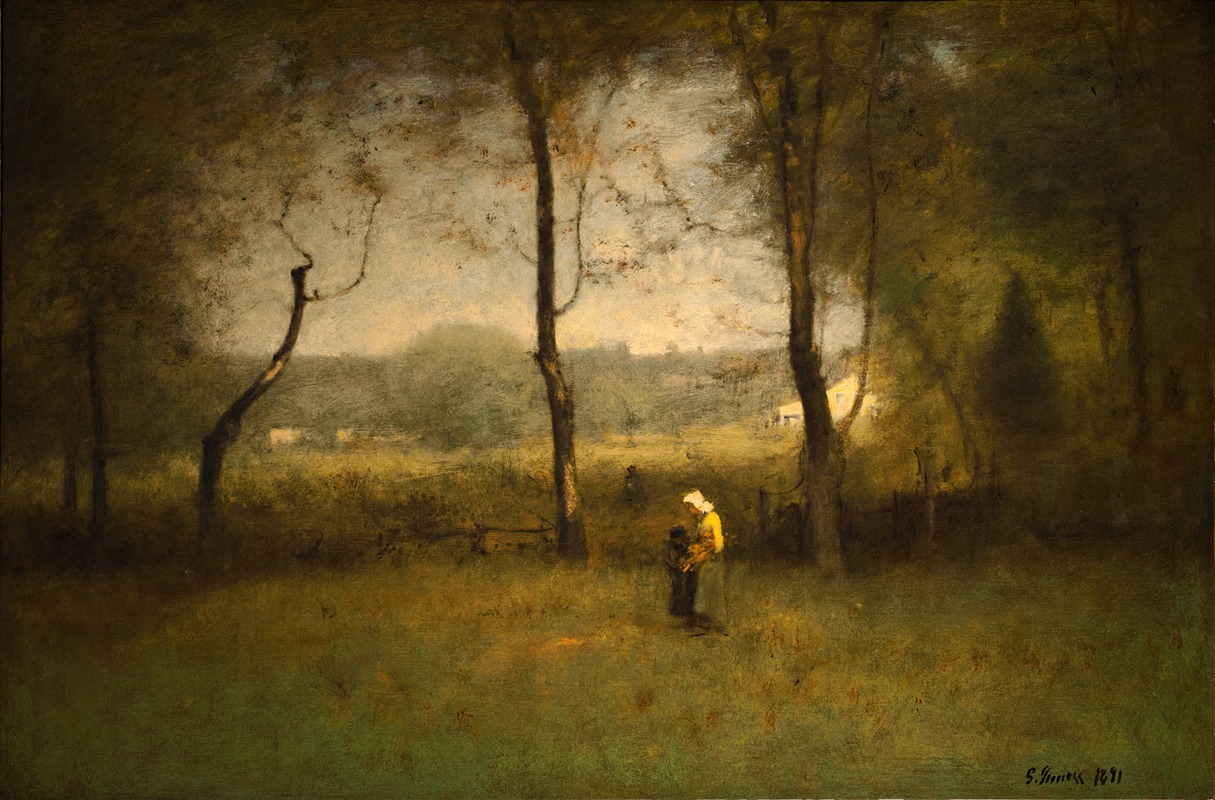
Autumn Woods
George Inness
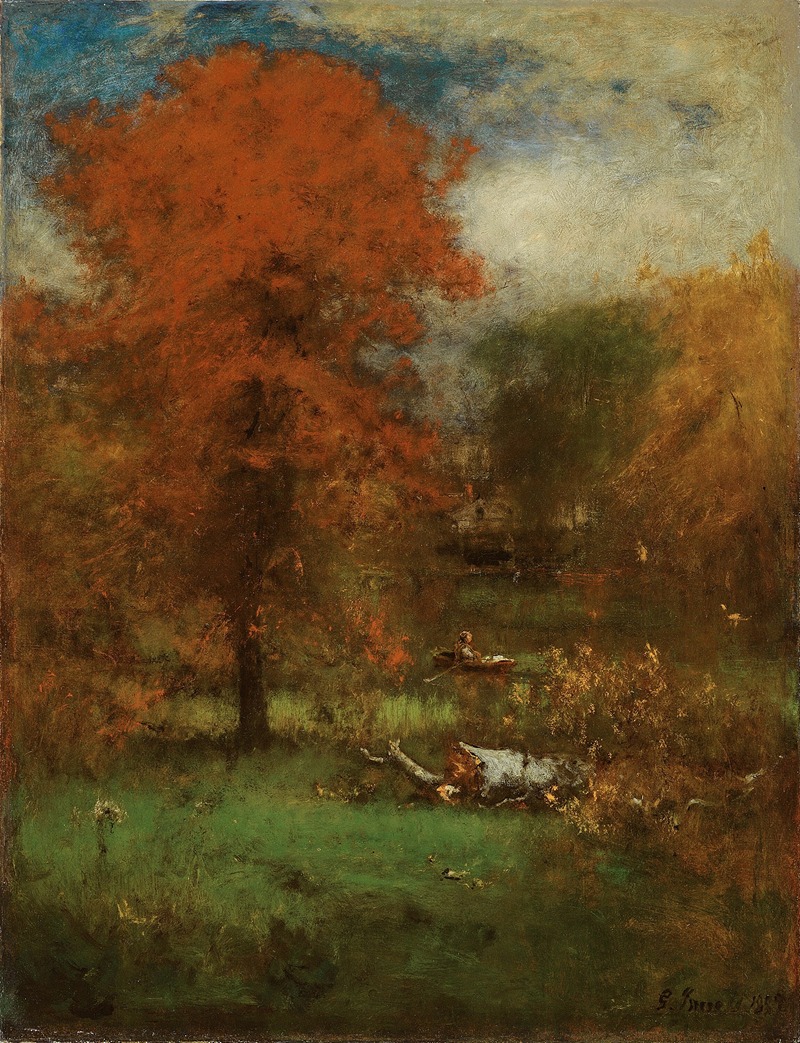
The Mill Pond
George Inness
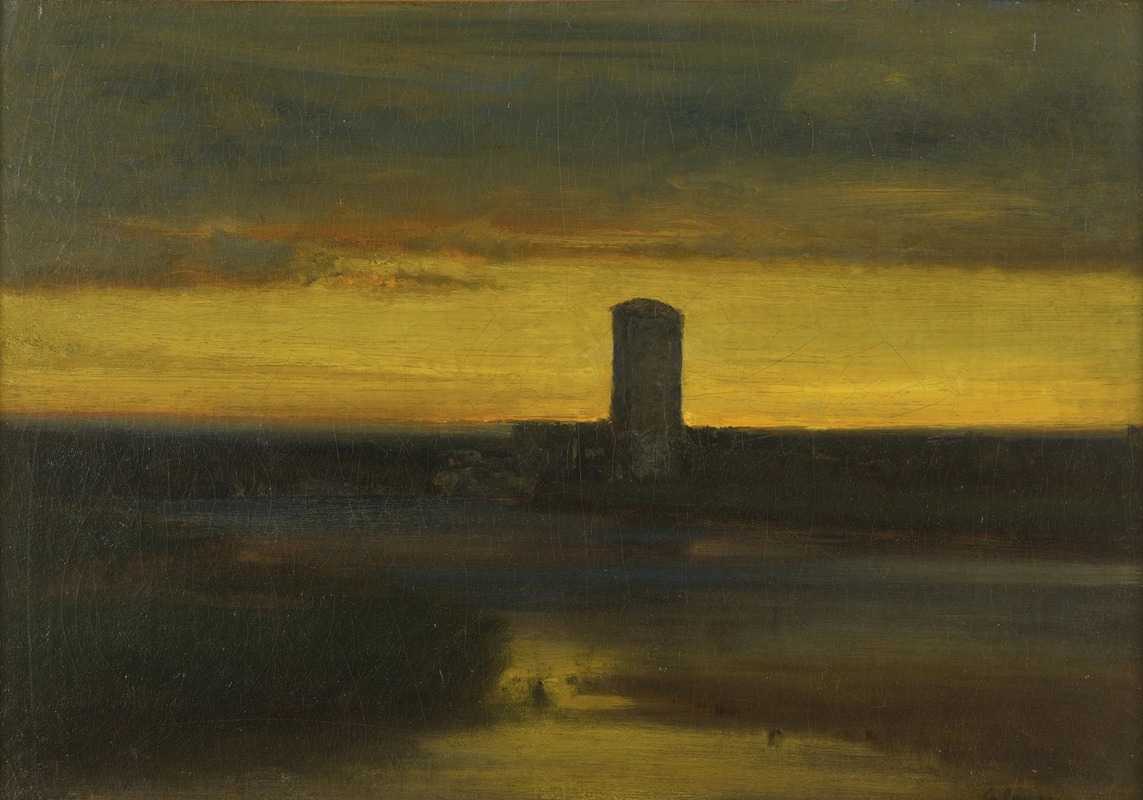
Afterglow
George Inness
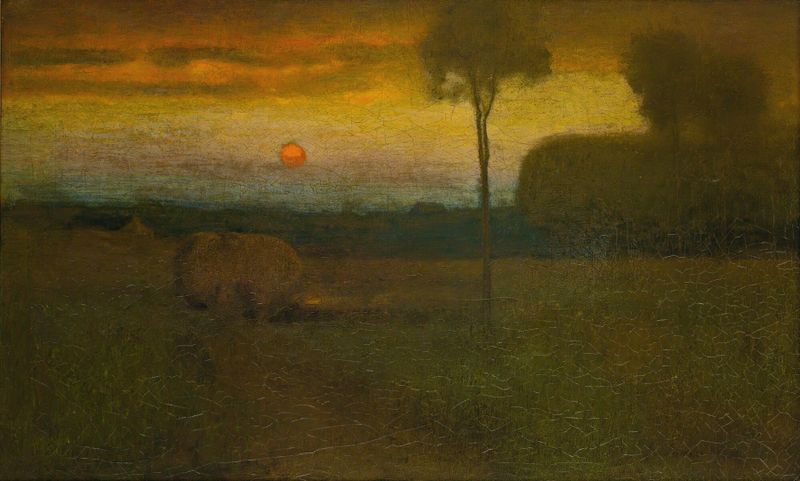
Landscape (Evening Landscape)
George Inness

Montclair
George Inness

View in Berkshire County, Massachusetts, Clearing Off after a September Storm
George Inness

October
George Inness
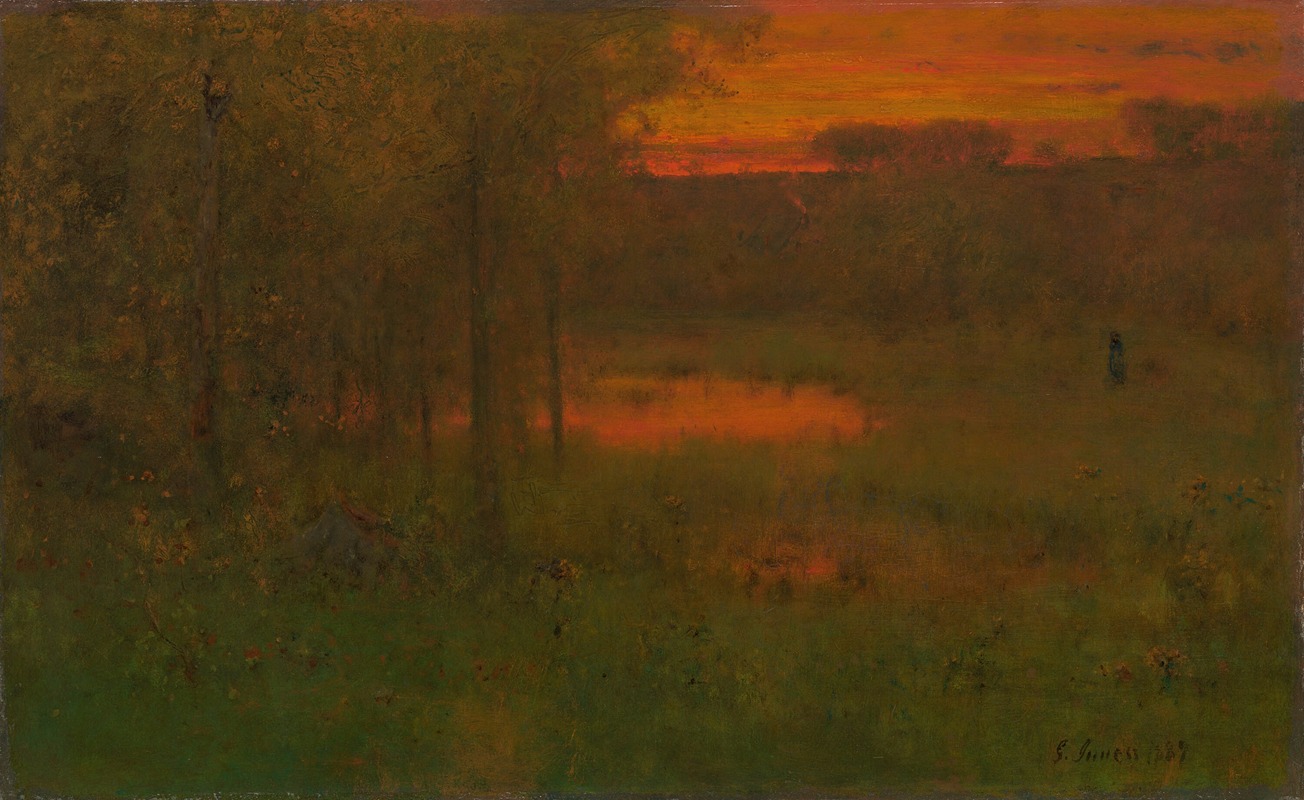
Landscape, Sunset
George Inness
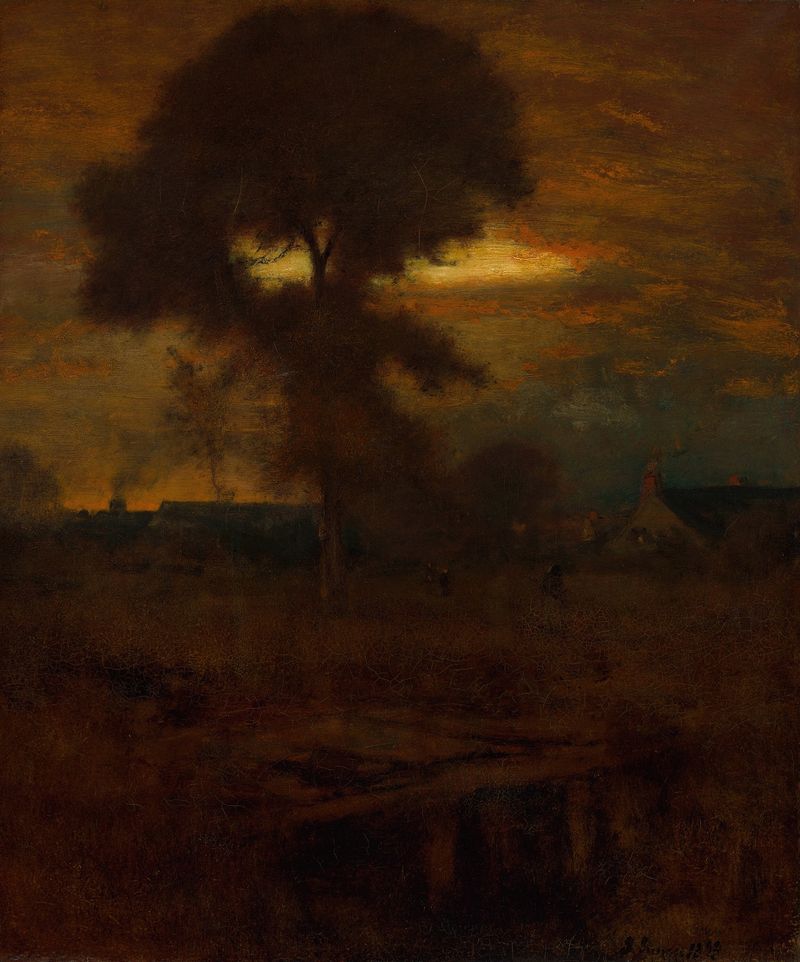
Afterglow
George Inness
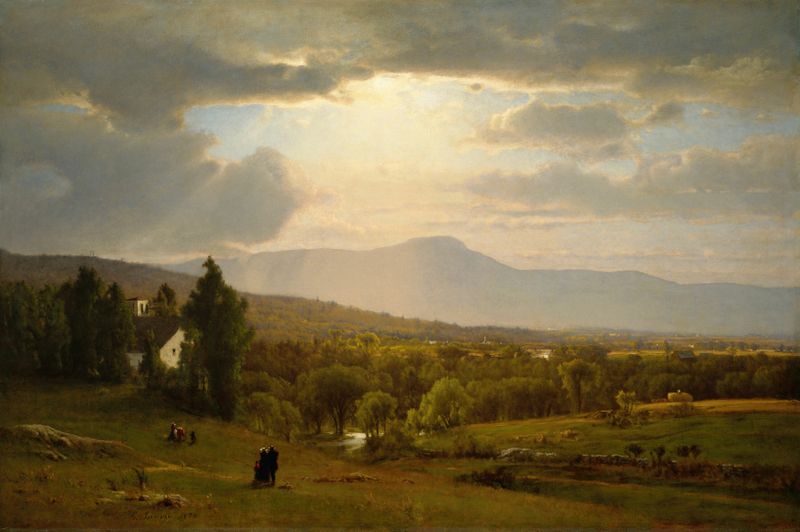
Catskill Mountains
George Inness





