The white orchard — History & Facts
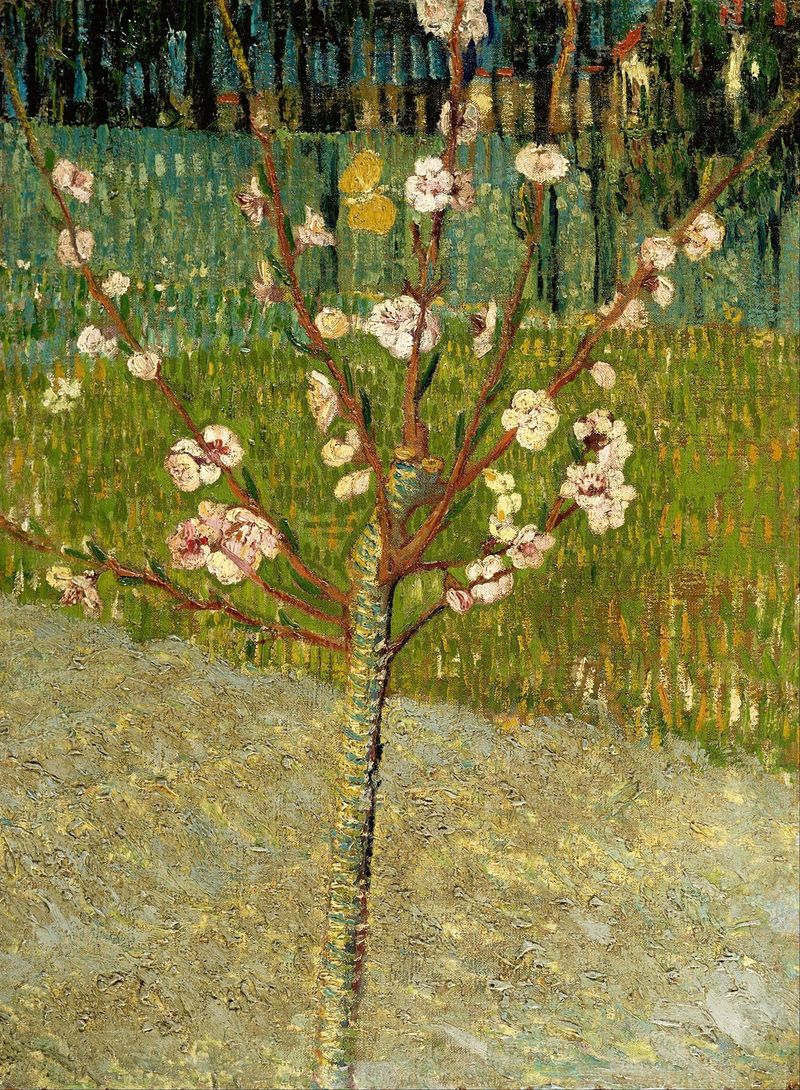
Beauty resides in the fleeting moments of nature, whispering stories of life and longing through the delicate dance of colors. Look closely at the vibrant swathes of white and green that fill the canvas, with the orchard’s blossoms emerging like ghosts against the azure sky. Notice how the light plays upon the soft petals, illuminating their fragile beauty as they blend into the lush, verdant backdrop. The vigorous, swirling brushstrokes reveal the artist’s passionate connection to the scene, pulsating with an energy that seems to breathe with the trees themselves. As you explore the composition, consider the contrast between the tranquility of the orchard and the emotional turmoil that often accompanied the artist’s life.
The blossoms symbolize both renewal and transience, capturing the bittersweet nature of beauty itself. The rich greens and whites are interspersed with hints of lavender—an unexpected touch that hints at dreams unfulfilled, amplifying the sense of longing within the serene landscape. In 1888, while residing in Arles, France, Vincent van Gogh painted this piece during a period of intense creativity amidst personal struggles. He sought solace in the beauty of the natural world, using his palette to express both his joys and sorrows.
The era was marked by his desire to connect with the Impressionists, yet he carved out a unique path that captured the fleeting essence of moments like this, forever leaving an imprint on the art world.
More Artworks by Vincent van Gogh
Browse all →
Starry Night
Vincent van Gogh
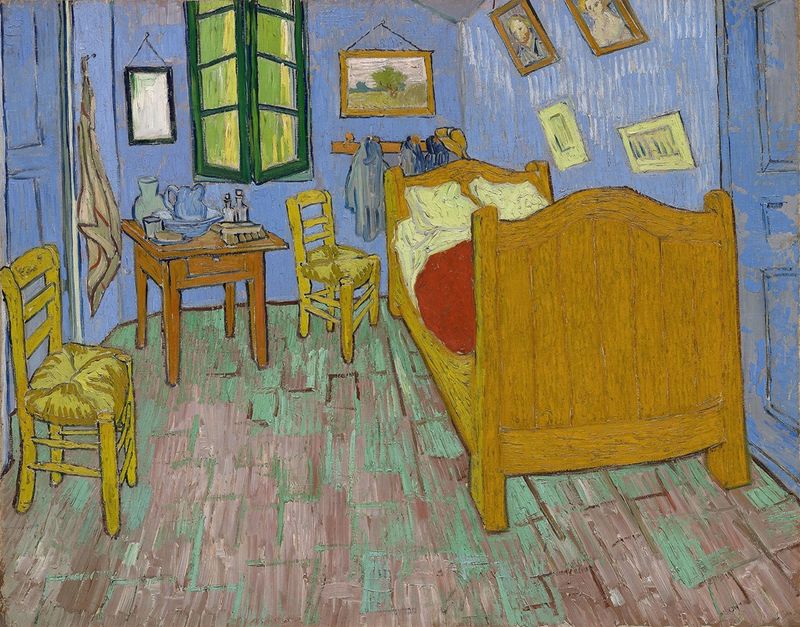
The Bedroom
Vincent van Gogh
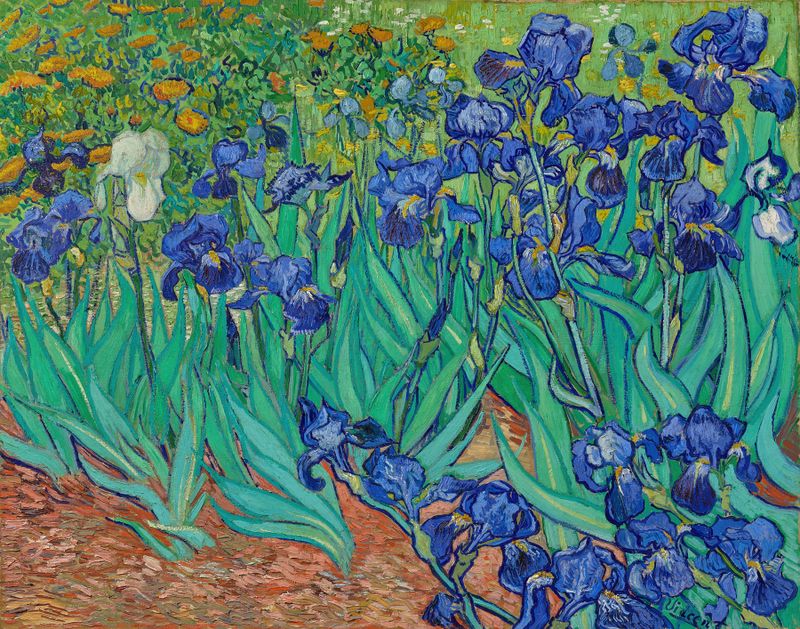
Irises
Vincent van Gogh
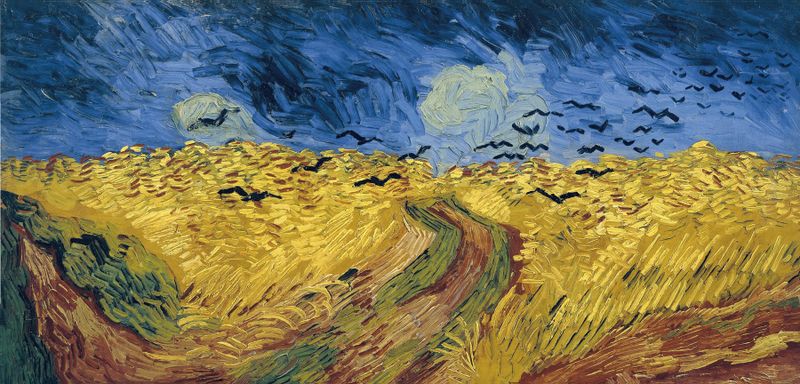
Wheatfield with Crows
Vincent van Gogh
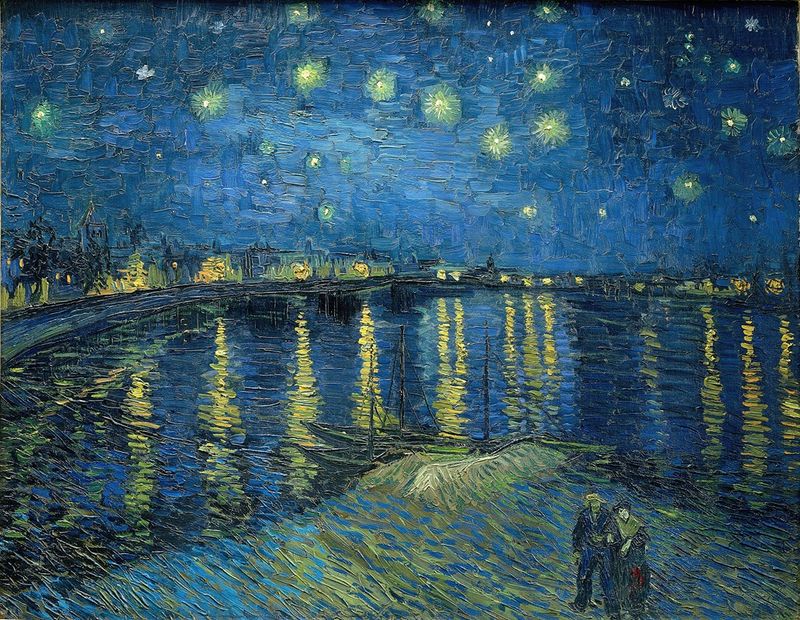
Starry Night over the Rhone
Vincent van Gogh

The yellow house
Vincent van Gogh
Almond tree in blossom
Vincent van Gogh

Portrait of Dr Gachet
Vincent van Gogh

The Church in Auvers-sur-Oise, View from the Chevet
Vincent van Gogh

Self-Portrait
Vincent van Gogh