
The windmill — History & Facts
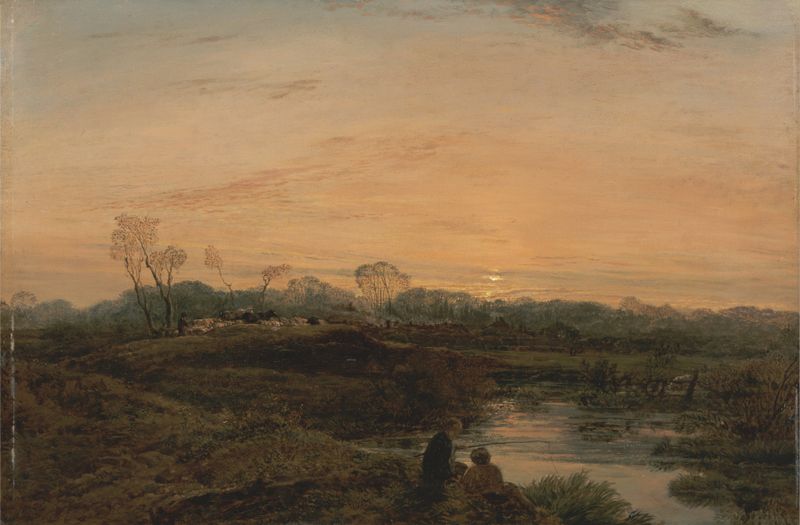
When did color learn to lie? In a world where hues can evoke memories, a deep sense of longing takes root in the heart of the observer, whispering stories hidden in the brushstrokes. Look to the horizon where the windmill stands, its silhouette framed against a twilight sky that softly bleeds from warm amber to cool cerulean. Notice how the light dances on the blades, creating a flicker of hope amid the stillness of the landscape. The gentle brushwork imparts a sense of movement, yet the scene is enveloped in a tranquil silence, inviting contemplation.
Each layer of paint blends seamlessly to evoke a soft nostalgia, with rich earthy tones grounding the viewer in the rustic charm of the countryside. As you gaze deeper, the emotional tensions emerge—a juxtaposition of the windmill's sturdy presence against the ephemeral beauty of twilight. The stillness hints at a moment suspended in time, evoking a longing for the past or dreams of what might be. The expansive sky seems to cradle the structure, embodying a yearning for freedom and the passage of time that lingers in the air.
The interplay of light and shadow suggests both comfort and isolation, revealing the complexities of human emotion. John Linnell painted this work during the early to mid-19th century, a period marked by shifting artistic movements and growing Romantic ideals. He found inspiration in the English countryside, exploring themes of nature and nostalgia while developing a distinctive style that balanced realism with evocative emotional depth. As a contemporary of the Pre-Raphaelites, Linnell was influenced by the desire to reconnect art with nature, capturing fleeting moments that resonate deeply with the viewer.
More Artworks by John Linnell
Browse all →
A View Near Hampstead
John Linnell
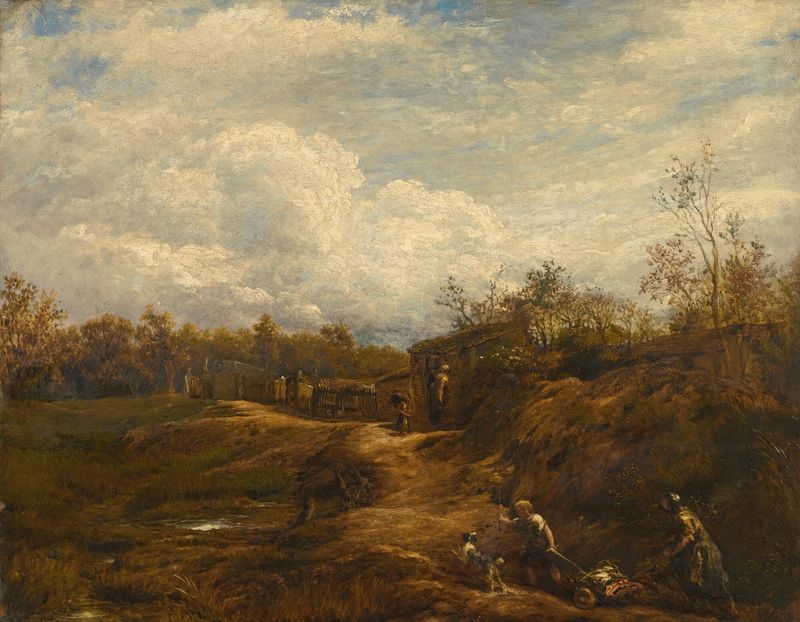
An English Landscape
John Linnell

Travelers Resting by a Fallen Tree
John Linnell
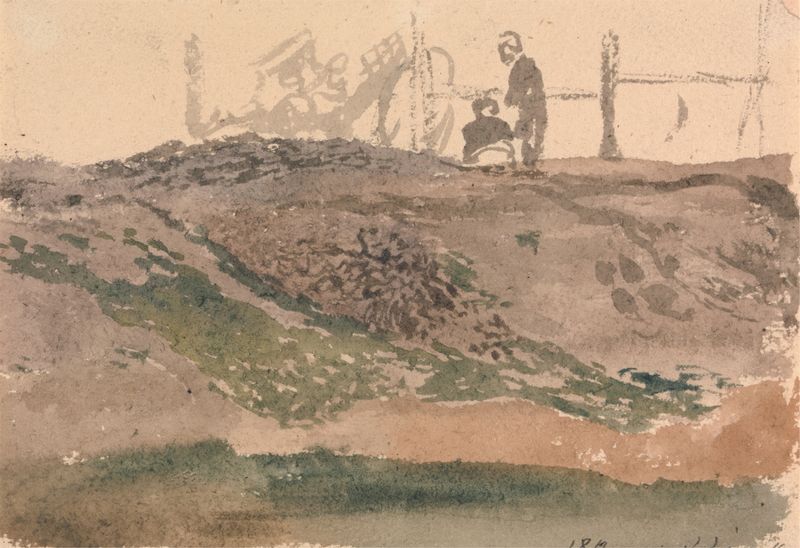
Figures on a Bank, Kensington Gravel Pits
John Linnell
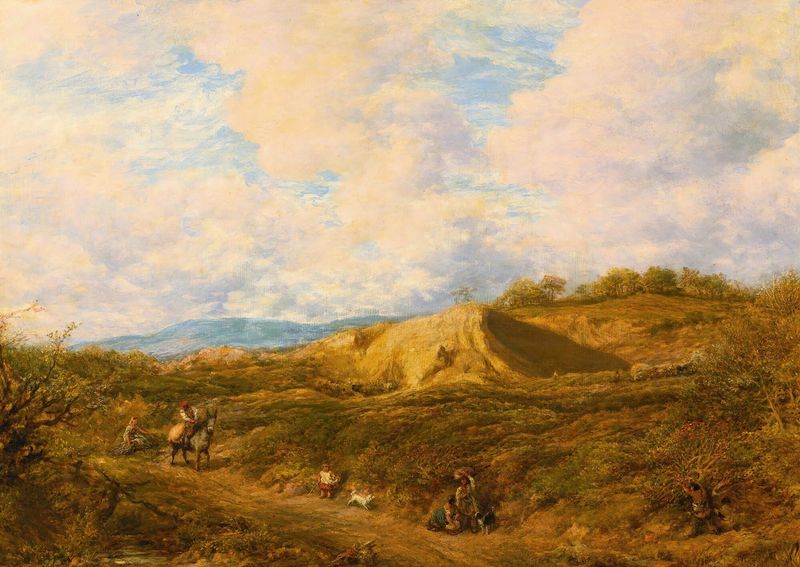
Redhill Common, Surrey
John Linnell

Netley Abbey
John Linnell

The Sand Pits, Hampstead Heath
John Linnell
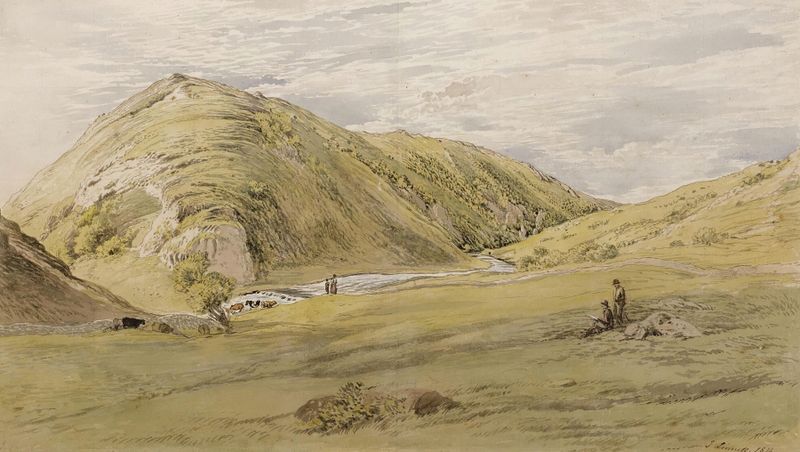
Entrance To Dovedale From Ashbourne, Derbyshire
John Linnell
Evening, Bayswater
John Linnell

In Dovedale
John Linnell





