Discover insights about this artwork
The Wool Carder — History & Facts
In The Wool Carder, Jean-François Millet presents a rural scene filled with earthy tones. The central figure, a wool carder, is depicted diligently working with wool. Surrounding him are tools of his trade, emphasizing the labor-intensive nature of his work.
The background features a muted landscape, enhancing the focus on the figure's toil. The painting is executed in oil on canvas, a common medium for Millet's works. The dimensions are approximately 73 x 92 cm, allowing for a detailed portrayal of the subject. The brushwork is expressive, capturing the texture of the wool and the physicality of the carder’s labor.
The use of light and shadow adds depth, highlighting the contours of the figure. Jean-François Millet was a key figure in the Realism movement, focusing on the lives of peasants and laborers. The Wool Carder reflects his commitment to depicting the dignity of rural work. Interestingly, this work showcases Millet's ability to blend the beauty of nature with the harsh realities of labor.
It serves as a testament to the importance of agricultural life in 19th-century France.
More Artworks by Jean-François Millet

Gleaners
Jean-François Millet

Starry Night
Jean-François Millet
The Angelus
Jean-François Millet
The Gleaners
Jean-François Millet
Calling Home the Cows
Jean-François Millet
Watermill at the Foot of a Mountain, Allier
Jean-François Millet
The Church at Chailly
Jean-François Millet
A Storm during Haymaking
Jean-François Millet
Autumn Landscape with a Flock of Turkeys
Jean-François Millet
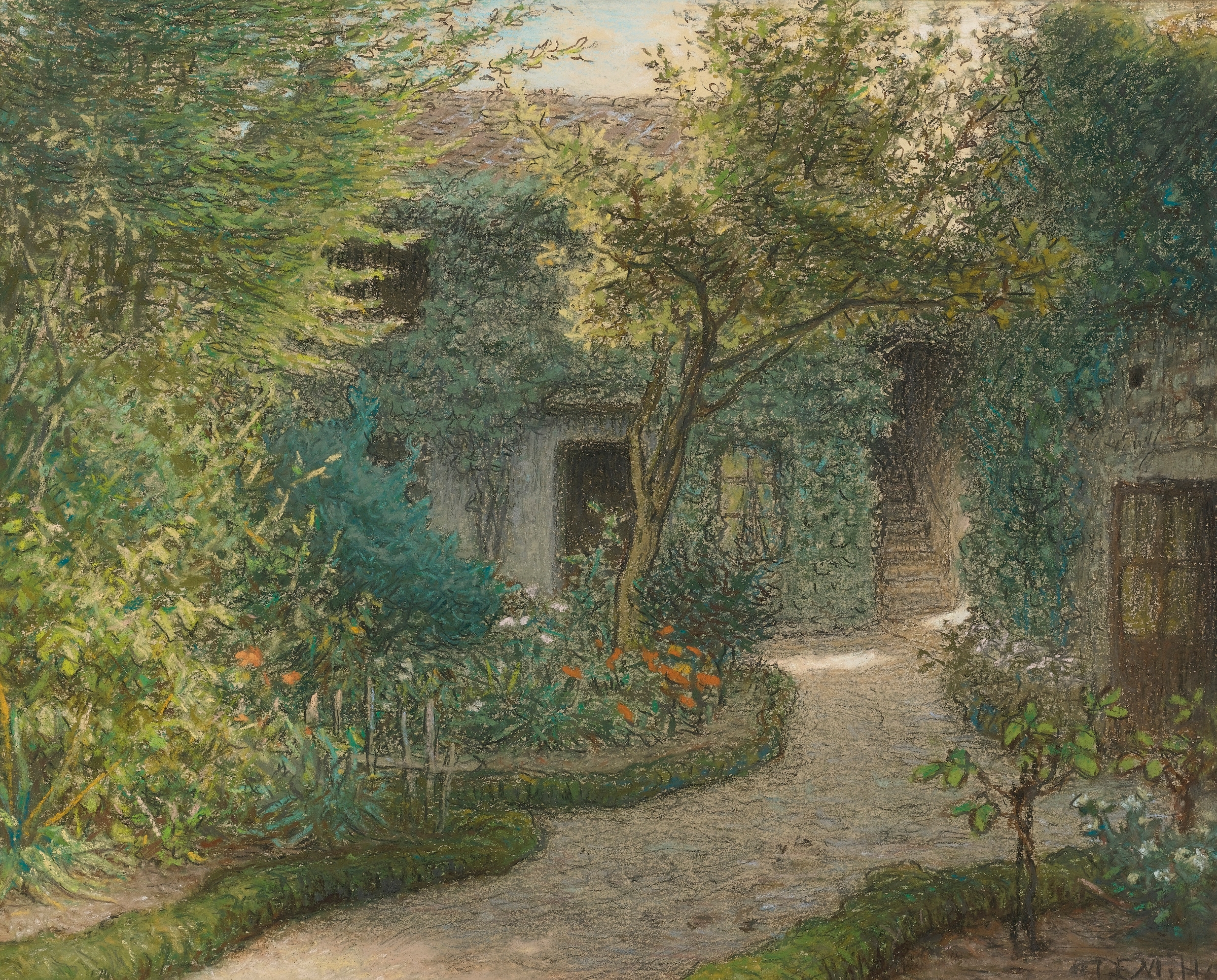
Théodore Rousseau’s House In Barbizon
Jean-François Millet