
Theodore Gericault 064 (25863406678) — History & Facts
When Theodore Gericault 064 (25863406678) surfaced in the mid-19th century, it was immediately recognized as a late work by Théodore Géricault, created not long before his untimely death in 1824. The painting’s date of 1850, however, has puzzled scholars, as it postdates the artist’s life by more than two decades. This anomaly has sparked ongoing debate about the true origins of the piece—whether it is a posthumous copy, a misattribution, or perhaps a work completed by a follower in the circle of Géricault.
The mystery surrounding its authorship and date continues to intrigue art historians. In the image, Géricault captures a moment of intense psychological drama, characteristic of his fascination with the human condition. The central figure, rendered with striking realism, appears caught between action and reflection, his gaze directed outward as if confronting an unseen challenge. The play of light and shadow across the figure’s face and hands heightens the sense of tension, while the sparse background focuses all attention on the sitter’s emotional state.
This approach recalls Géricault’s celebrated The Raft of the Medusa, where individual suffering is set against a broader, often ambiguous narrative. The painting’s directness and immediacy set it apart from the more theatrical treatments of similar subjects by Delacroix, whose compositions often favor movement over introspection. The physical history of Theodore Gericault 064 (25863406678) is as enigmatic as its authorship. With its uncertain provenance and lack of early documentation, the painting has circulated through private collections and minor exhibitions, rarely appearing in major retrospectives of Géricault’s work.
Its current medium remains unidentified, adding another layer of mystery. Despite these uncertainties, the painting is valued as an important example of the Romantic movement’s preoccupation with the complexities of the human soul, and it continues to prompt discussion about the boundaries of attribution and influence in 19th-century French art. Today, it stands as a testament to the enduring fascination with Géricault’s legacy and the unresolved questions that still surround his oeuvre.
More Artworks by Théodore Géricault
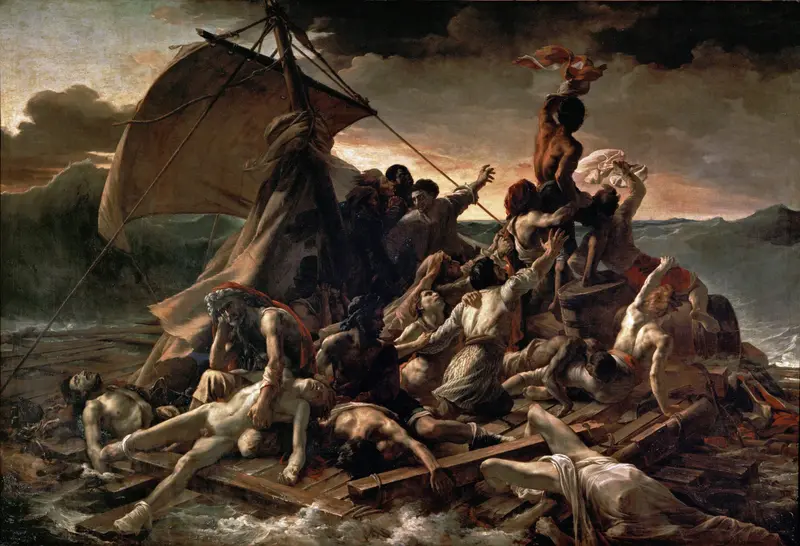
The Raft of the Medusa
Théodore Géricault

Géricault - Le naufrage du radeau de la Méduse, MBA 790
Théodore Géricault
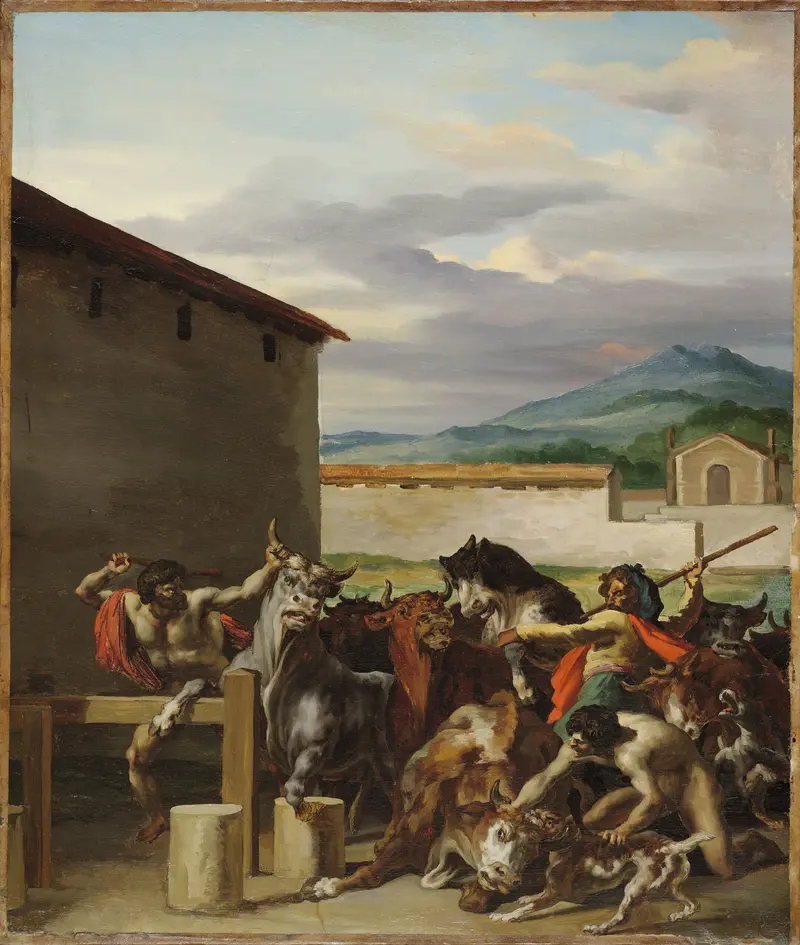
Cattle Market
Théodore Géricault
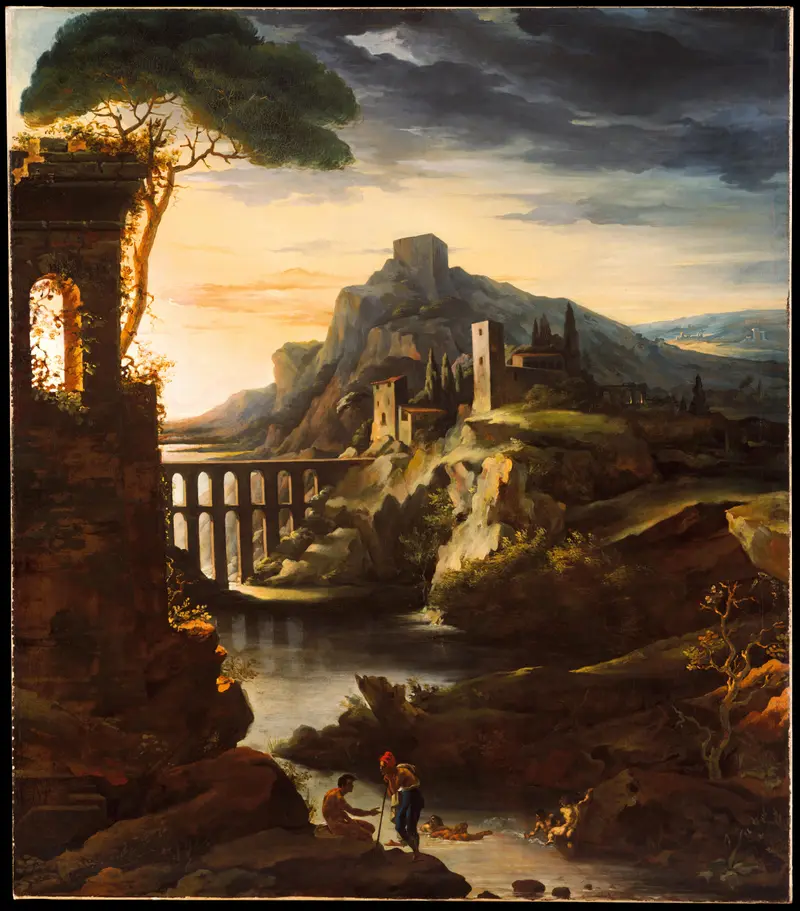
Evening; Landscape with an Aqueduct
Théodore Géricault
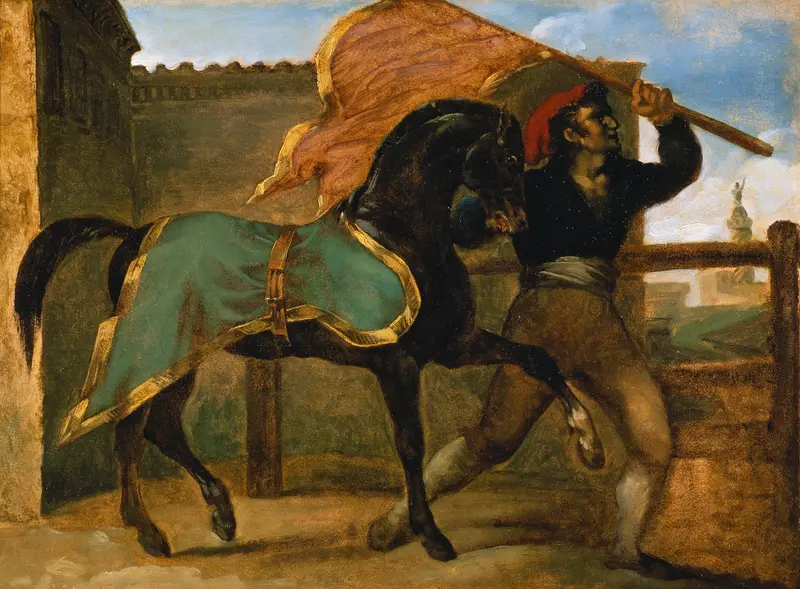
Horse Race
Théodore Géricault

Horses Standing in a Mews
Théodore Géricault
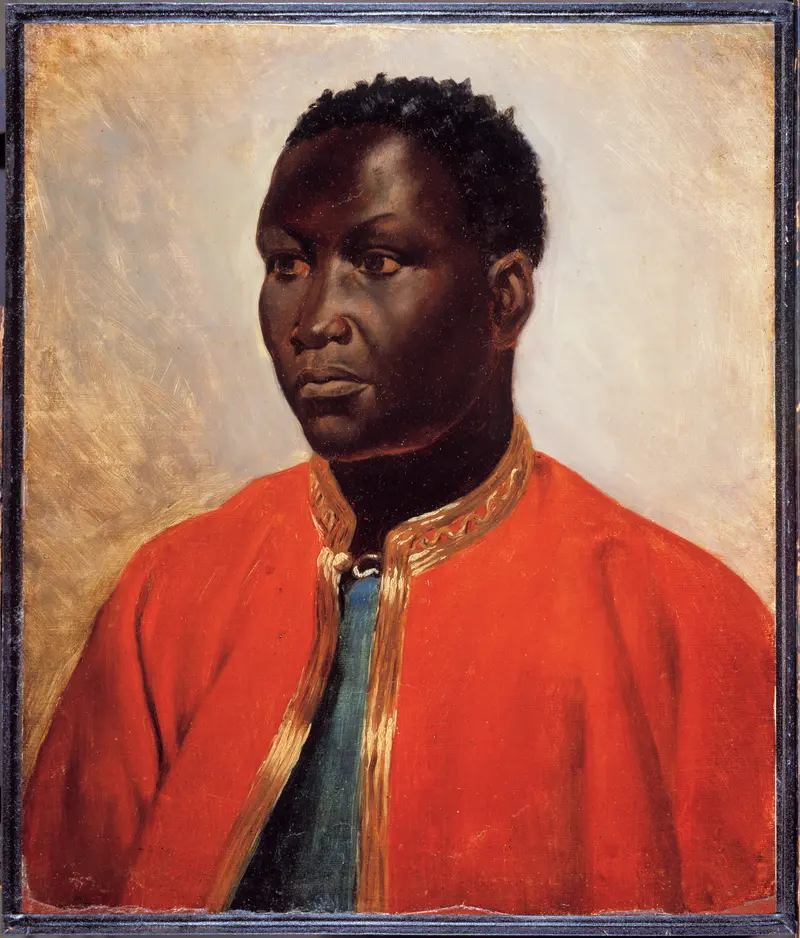
Portrait of a Negro
Théodore Géricault
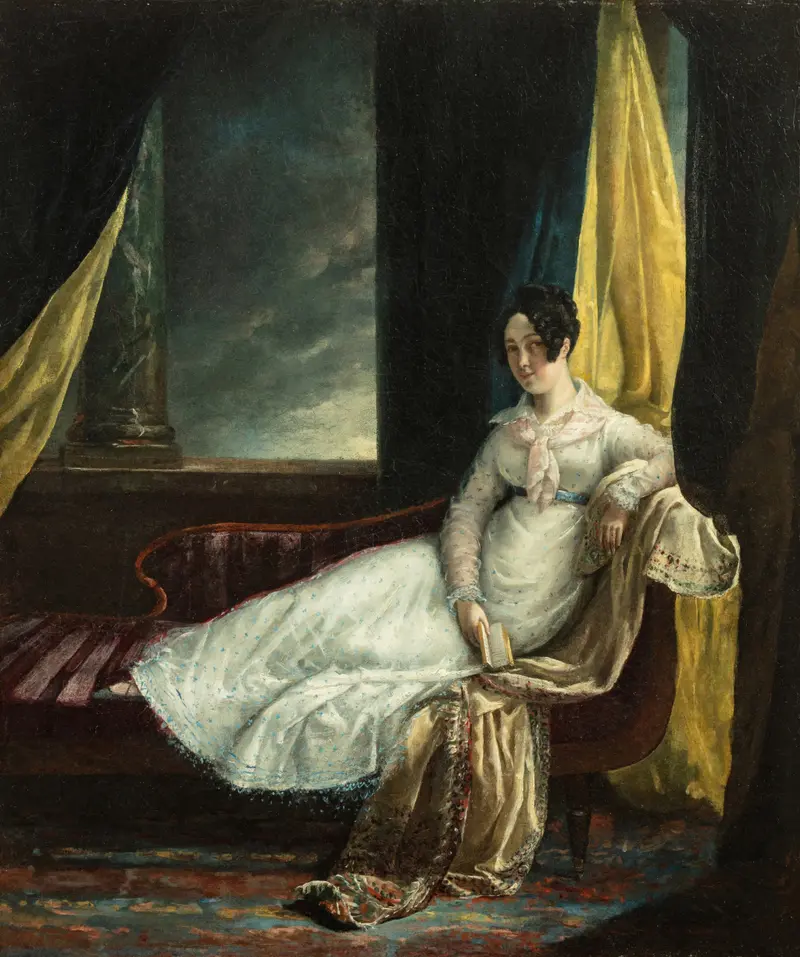
Portrait of Zoë Elmore
Théodore Géricault
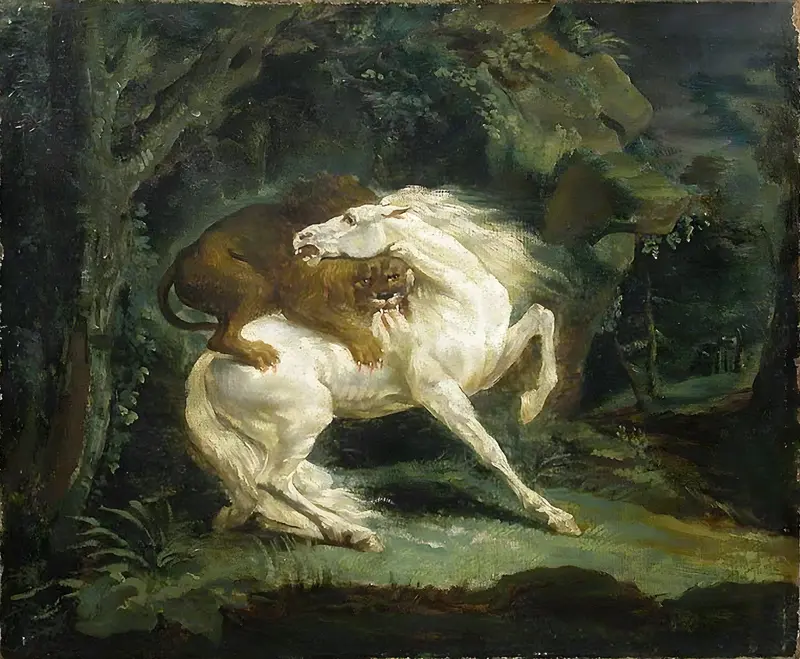
Cheval attaqué par un lion
Théodore Géricault
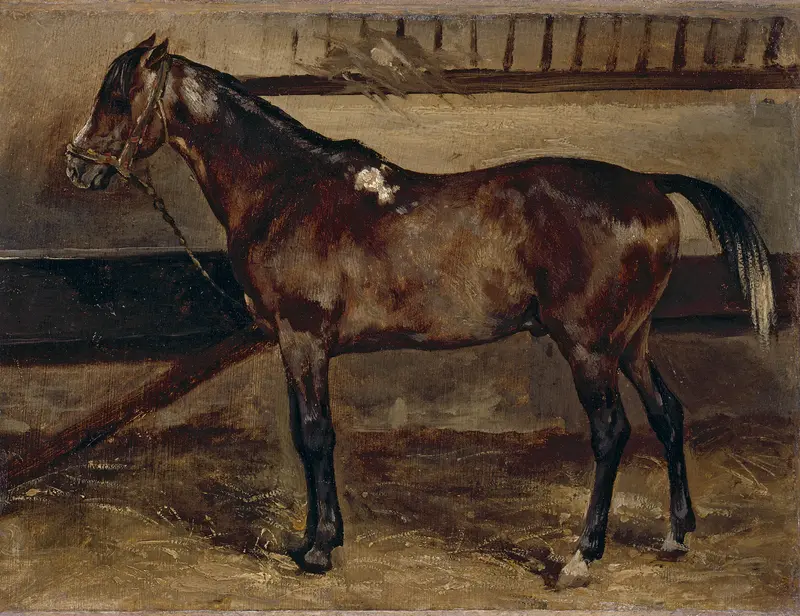
Cheval brun à l'écurie
Théodore Géricault





