
Theodore Gericault 074 (27956551559) — History & Facts
Few works by Théodore Géricault from his early years survive with such clarity as Theodore Gericault 074 (27956551559), painted in 1812, when the artist was barely twenty-one. This period marks the very beginning of Géricault’s public career, just before his breakthrough with The Charging Chasseur. The painting stands at the crossroads of the Neoclassical discipline he absorbed in Pierre-Narcisse Guérin’s studio and the bold, restless energy that would soon define the Romantic movement.
Scholars have long debated the exact subject and medium of this work, as records from Géricault’s formative years are incomplete, but its confident handling and dramatic contrasts already hint at the artist’s future direction. The scene captures a moment of heightened tension, with the central figure poised in action—perhaps a soldier or rider, themes that fascinated Géricault throughout his life. The composition is tightly focused, the figure’s gaze intent, muscles taut, suggesting a narrative of struggle or anticipation. The play of light and shadow carves out the form, emphasizing both physicality and psychological depth.
Details such as the glint of metal or the swirl of fabric are rendered with a precision reminiscent of Jacques-Louis David, yet the dynamism and immediacy recall Géricault’s own later masterpiece, The Raft of the Medusa. Unlike David’s cool detachment, Géricault’s approach here is visceral, inviting viewers to share in the moment’s uncertainty. The provenance of Theodore Gericault 074 (27956551559) remains somewhat obscure, typical of many works from Géricault’s early period. It was likely painted during his years of academic training, possibly as a study or for a private patron, and may have passed through several hands before entering a public collection.
The lack of definitive documentation has led to ongoing scholarly discussion about its attribution and original context. Today, the painting is valued as a rare glimpse into the formative years of one of Romanticism’s most influential figures, bridging the gap between academic tradition and the bold experimentation that would soon define his mature style.
More Artworks by Théodore Géricault
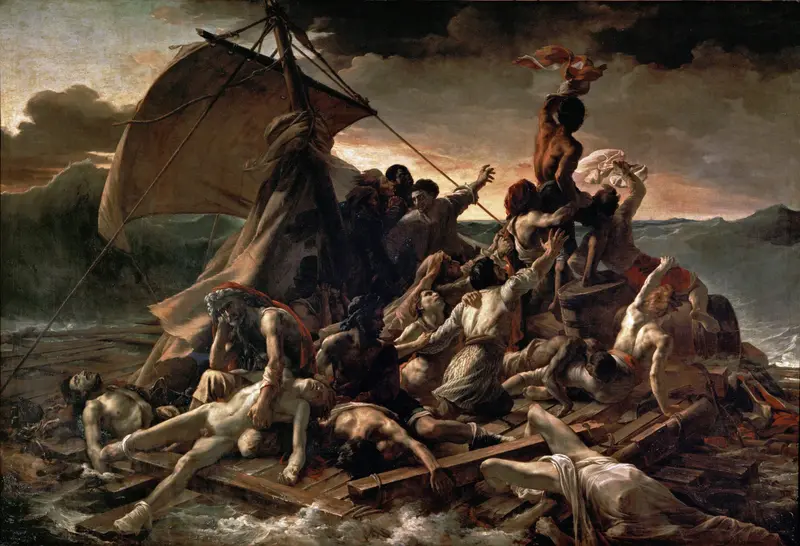
The Raft of the Medusa
Théodore Géricault

Géricault - Le naufrage du radeau de la Méduse, MBA 790
Théodore Géricault
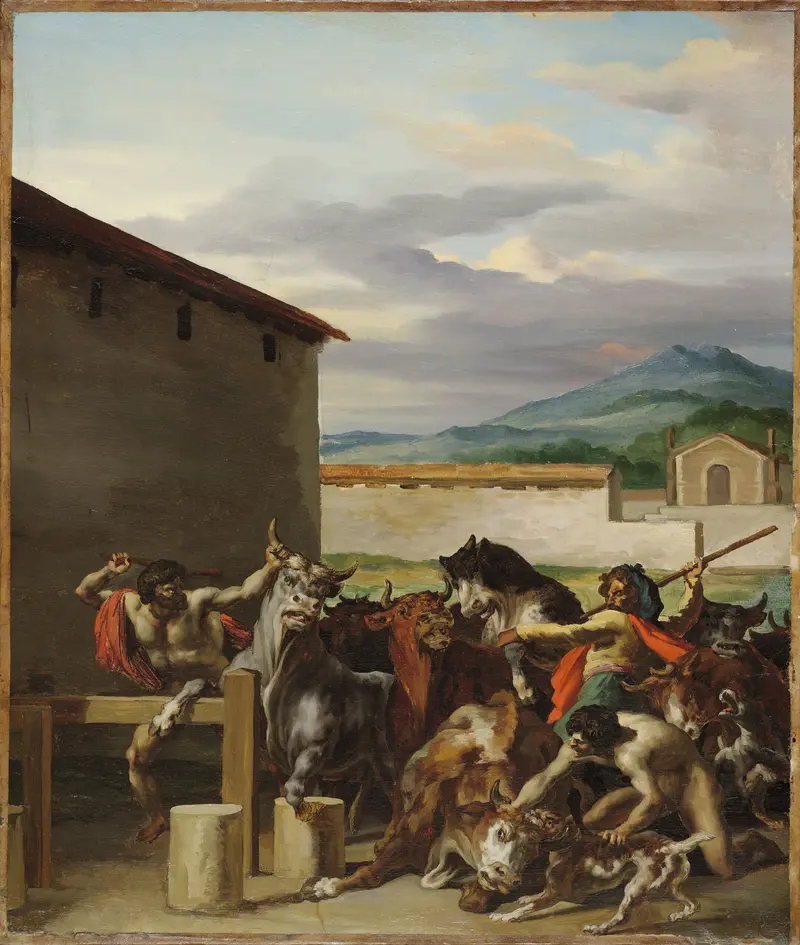
Cattle Market
Théodore Géricault
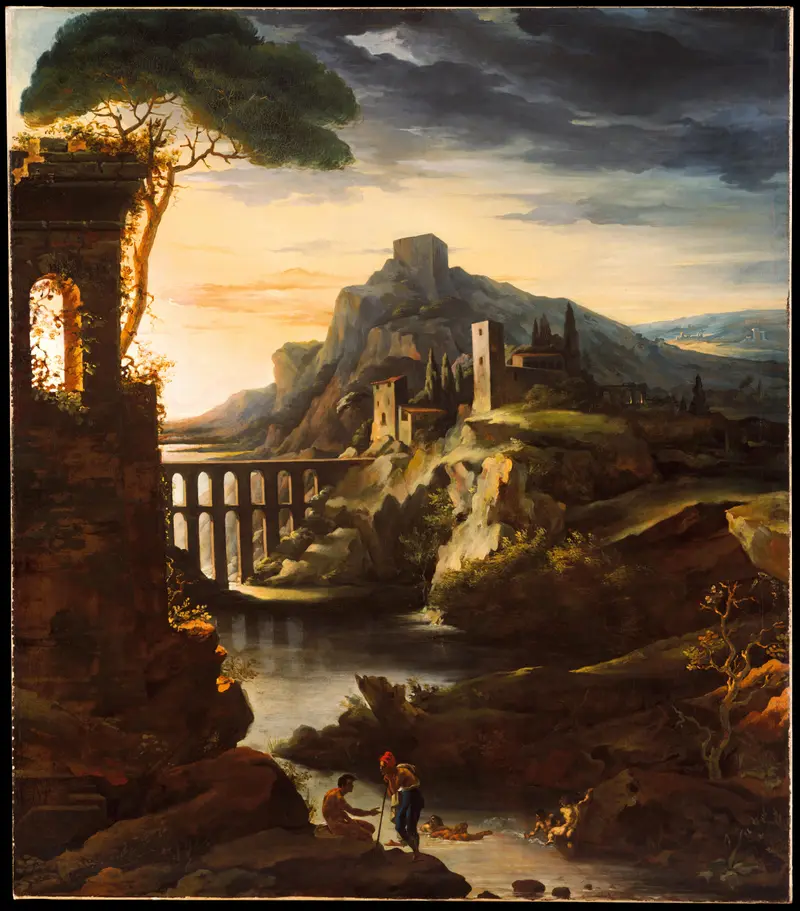
Evening; Landscape with an Aqueduct
Théodore Géricault
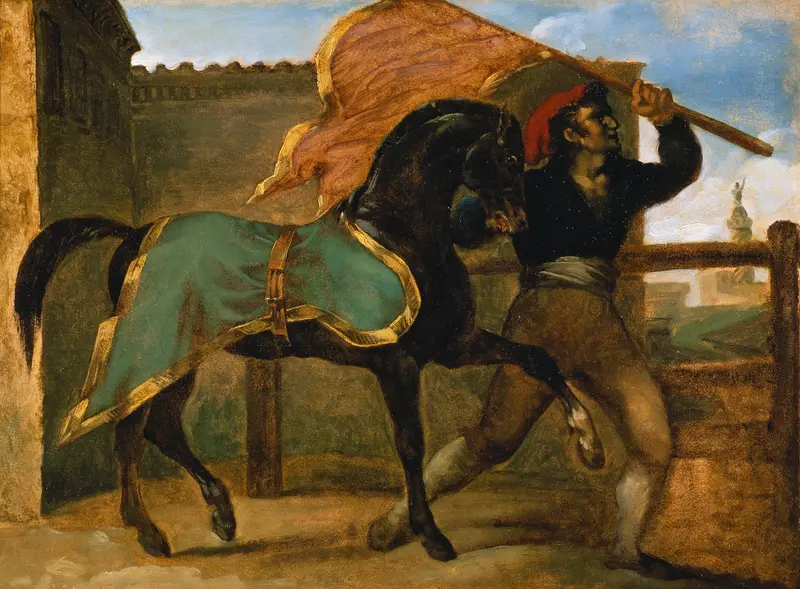
Horse Race
Théodore Géricault

Horses Standing in a Mews
Théodore Géricault
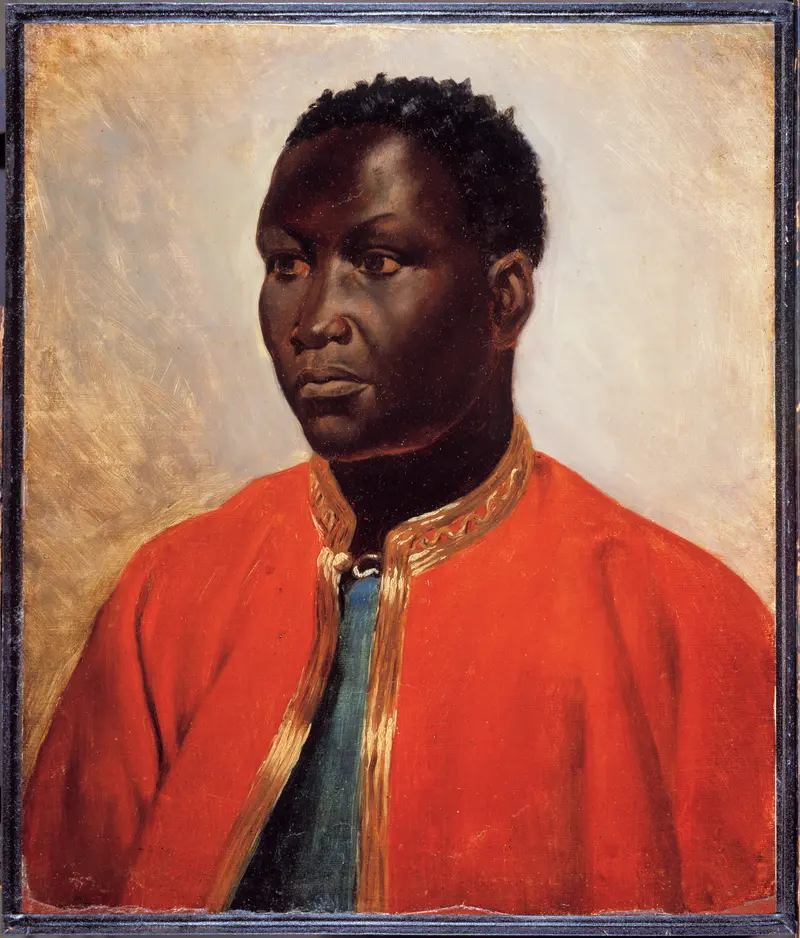
Portrait of a Negro
Théodore Géricault
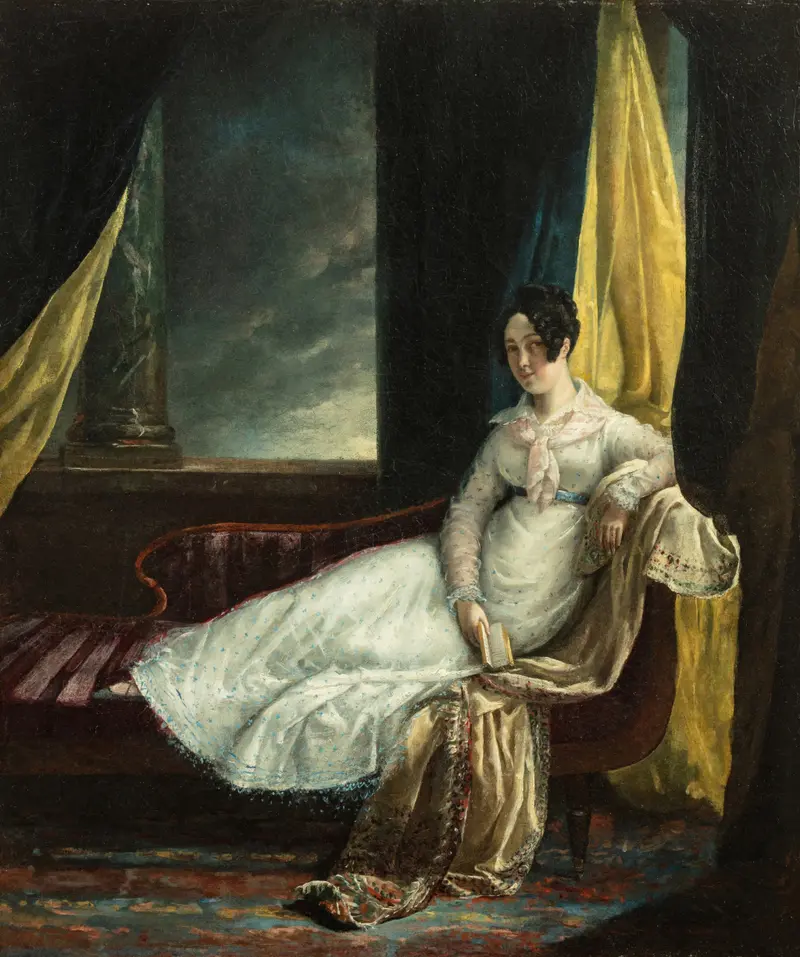
Portrait of Zoë Elmore
Théodore Géricault
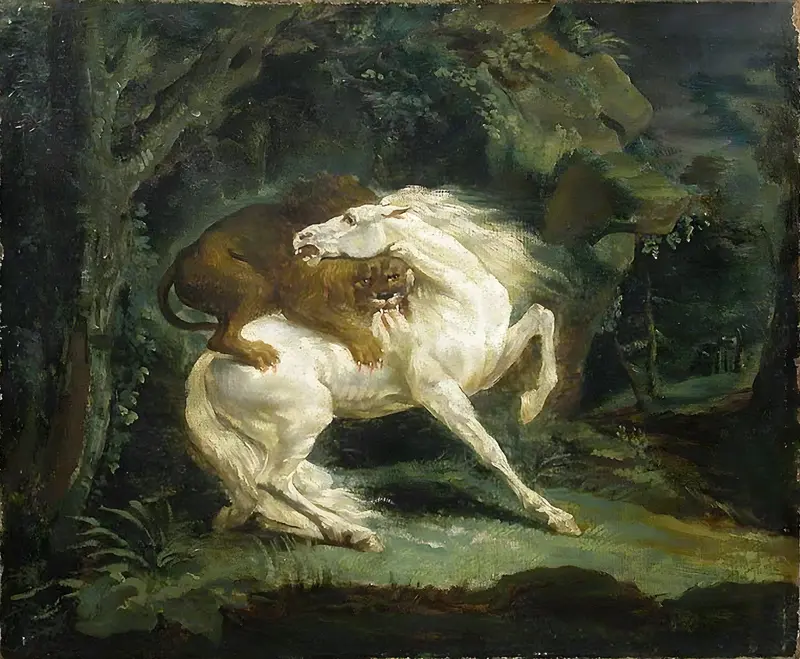
Cheval attaqué par un lion
Théodore Géricault
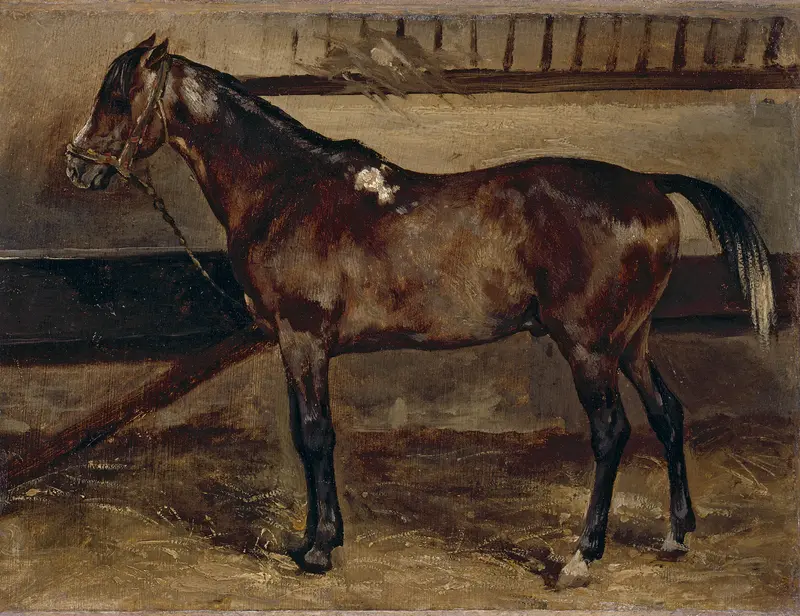
Cheval brun à l'écurie
Théodore Géricault



