
Three girls with sheep in a landscape — History & Facts
The first thing that catches the eye in Three girls with sheep in a landscape is the sense of quiet ceremony: three young girls, dressed in their finest, preside over a gentle flock beneath the shelter of a broad tree. The painter, Aelbert Cuyp, chooses a moment of composed stillness, where each gesture seems to carry meaning. The youngest girl, standing apart in a vivid red dress and crowned with flowers, holds a slender stick and a pink ribbon that tethers her lamb—a symbol of innocence and gentle authority.
Meanwhile, the two older girls, seated in harmonious blue and orange, weave garlands and offer greenery, their faces turned to the viewer with a calm, direct gaze. The soft, golden light picks out the sheen of their silks and the lambs’ wool, guiding the eye from foreground to the distant river and church tower, anchoring the scene in a world both real and idealized. Painted in the 1650s, this work belongs to a period in Dutch art when portraits and pastoral scenes often mingled, reflecting both the prosperity and the values of the Dutch Golden Age. Such paintings were typically commissioned by wealthy families to celebrate lineage, virtue, and the pleasures of country life—an ideal that was as much about status as about sentiment.
Cuyp was known for his ability to infuse landscapes with warmth and clarity, and here he folds his sitters into the land itself, their presence as natural and composed as the sheep they tend. The painting’s journey is less documented than those of Cuyp’s grand river scenes, but its survival in a Dutch collection, as recorded by the Netherlands Institute for Art History, invites us to look closer at the ways art shaped—and reflected—the dreams of a rising merchant class. Let your gaze linger on the girls’ poised hands and the tranquil animals; every detail is a quiet claim to belonging, both to family and to the land.
More Artworks by Aelbert Cuyp

The Maas at Dordrecht
Aelbert Cuyp
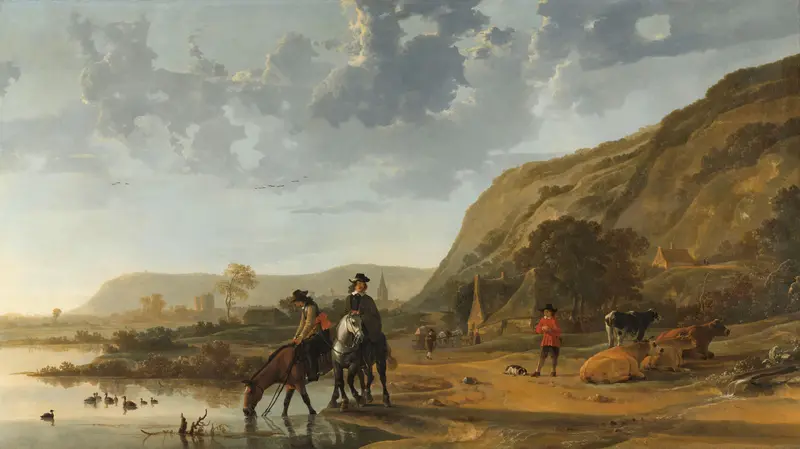
River Landscape with Riders
Aelbert Cuyp

The Maas at Dordrecht
Aelbert Cuyp
Gezicht op Dordrecht
Aelbert Cuyp
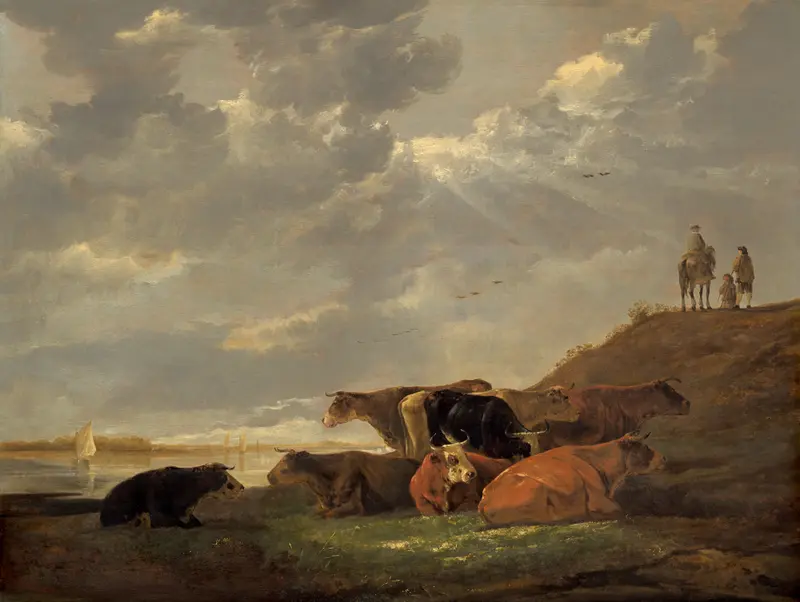
River Landscape with Cows
Aelbert Cuyp
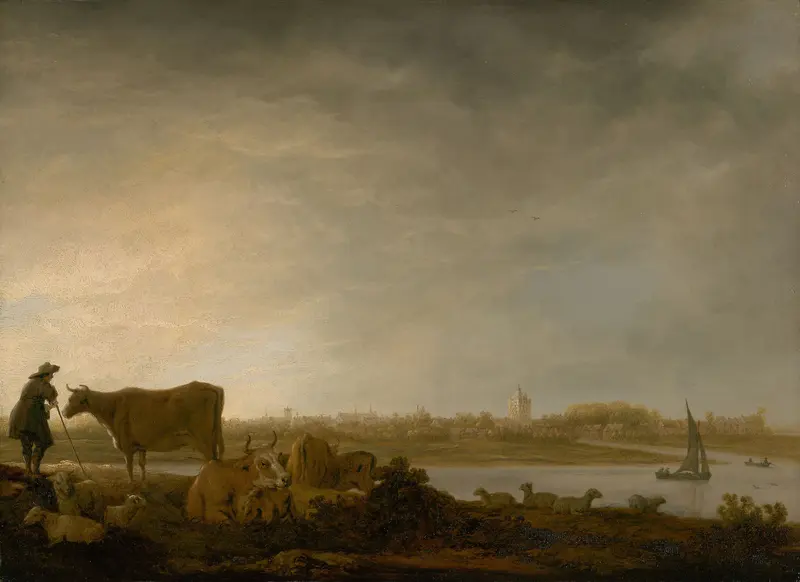
A View of Vianen with a Herdsman and Cattle by a River
Aelbert Cuyp
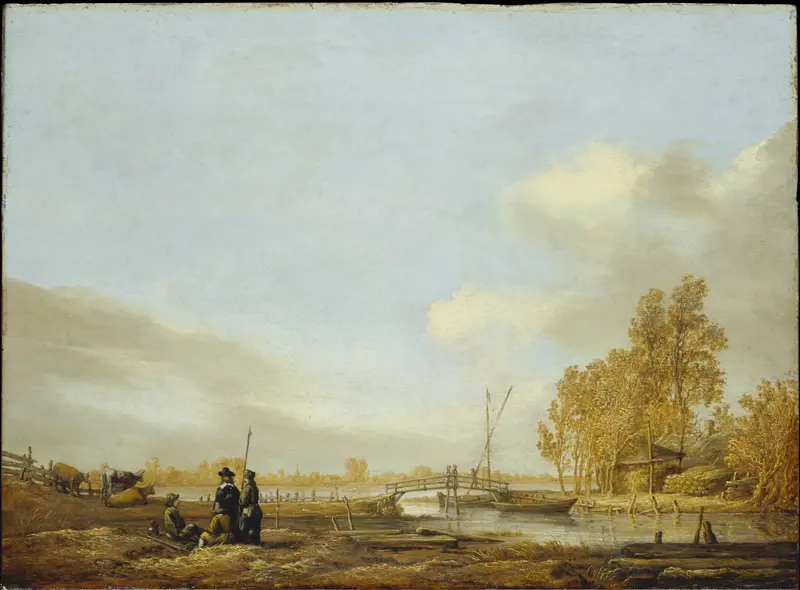
River Landscape with Footbridge
Aelbert Cuyp
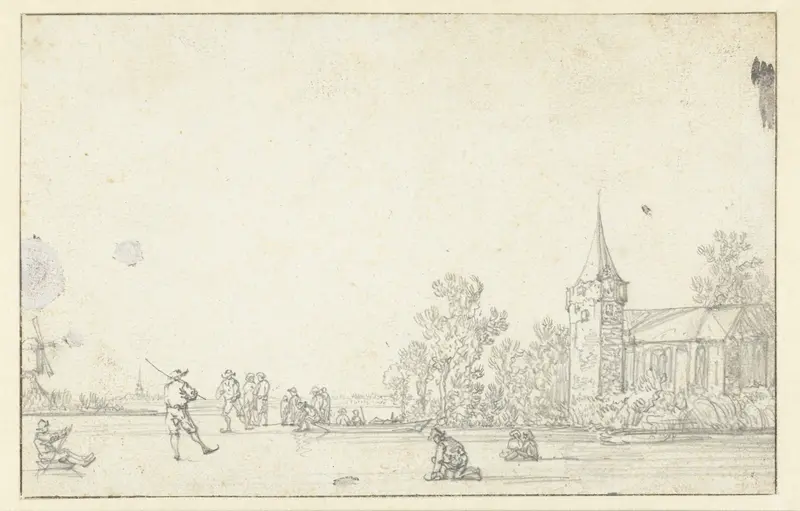
Bevroren rivier met schaatsers bij een kerk
Aelbert Cuyp

Cattle near a River
Aelbert Cuyp
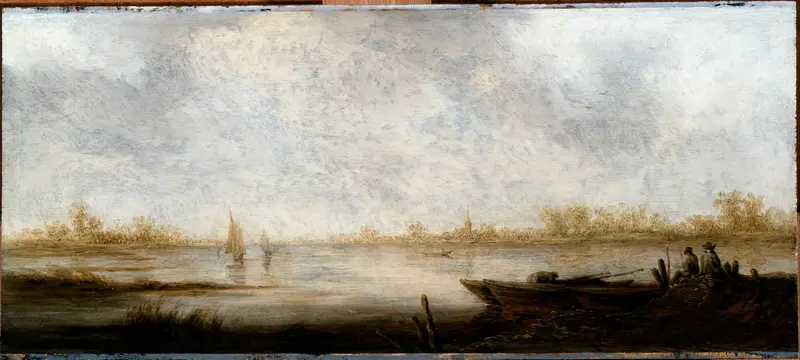
River Landscape
Aelbert Cuyp
More Landscape Art

The Starry Night
Vincent van Gogh

View of Delft
Johannes Vermeer

Water Lilies
Claude Monet

The Grand Canal, Venice, looking north-west from the Ca' Corner to the Ca' Contarini degli Scrigni, with the campanile of Santa Maria della Carità
Canaletto

Windsor Castle
Canaletto

The Grand Canal looking North-East from the Palazzo Dolfin-Manin to the Rialto Bridge
Canaletto