
Three Women — History & Facts
What first seizes the eye in Three Women by Fernand Léger is the sheer orchestration of shapes: bodies and objects rendered as if they were engineered, every limb and vessel a cylinder, every surface polished to a quiet gleam. The three women, monumental and serene, inhabit a world where the domestic is reimagined as a stage for geometry and color. Notice how the palette—creams, blacks, ochres, and a shock of red—guides your gaze from the table’s edge to the women’s faces, then back to the still life of cups and jars, and finally to the sleeping black cat.
The women’s faces are calm, their gestures deliberate: one lounges, another reclines, the third sits upright with a cup in hand and an open book on her lap, as if pausing mid-thought. Their bodies, outlined and shaded with mechanical precision, become both human and architectural, blurring the line between figure and setting. Painted between 1921 and 1922, this work belongs to a moment when artists in Paris were fascinated by the machine age and the promise of modernity. Léger, associated with the Cubist movement but always distinct, sought to harmonize the human form with the clarity and order of the industrial world.
Paintings like this were not made for private devotion or aristocratic display, but for a new, urban public—viewers who recognized the rhythms of city life in the painting’s patterns and repetitions. Today, Three Women resides in the collection of the Museum of Modern Art, a testament to an era when artists believed that art could remake the world as boldly as any invention. The longer you look, the more the painting’s quiet drama unfolds: a scene of everyday life, transformed into a vision of balance and possibility.
More Artworks by Fernand Léger

The Tugboat Bridge
Fernand Léger
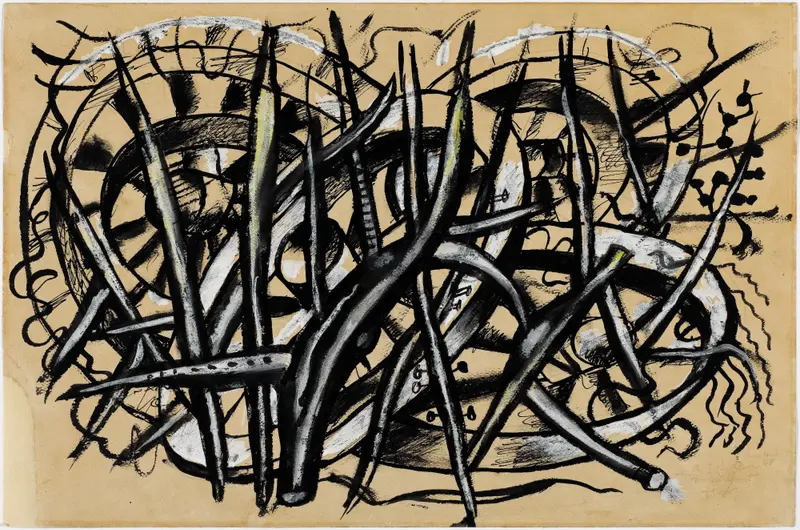
The Wheels
Fernand Léger

Le Cirque Médrano
Fernand Léger
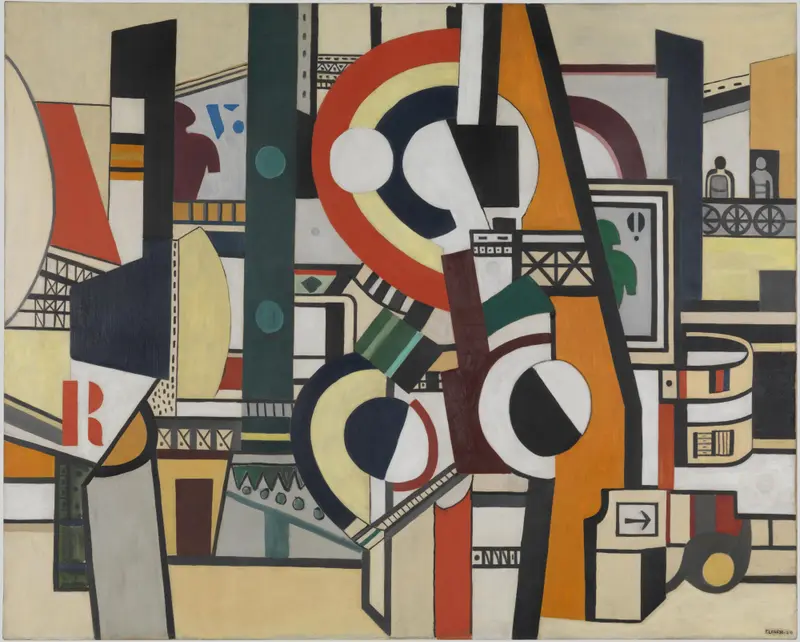
The Disks in the City
Fernand Léger
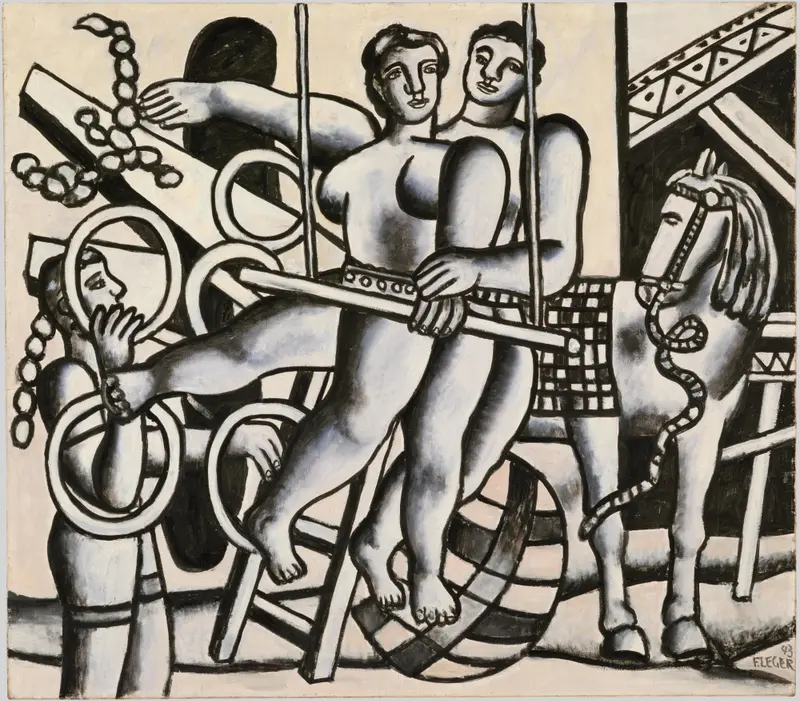
Le Jongleur et les acrobates
Fernand Léger
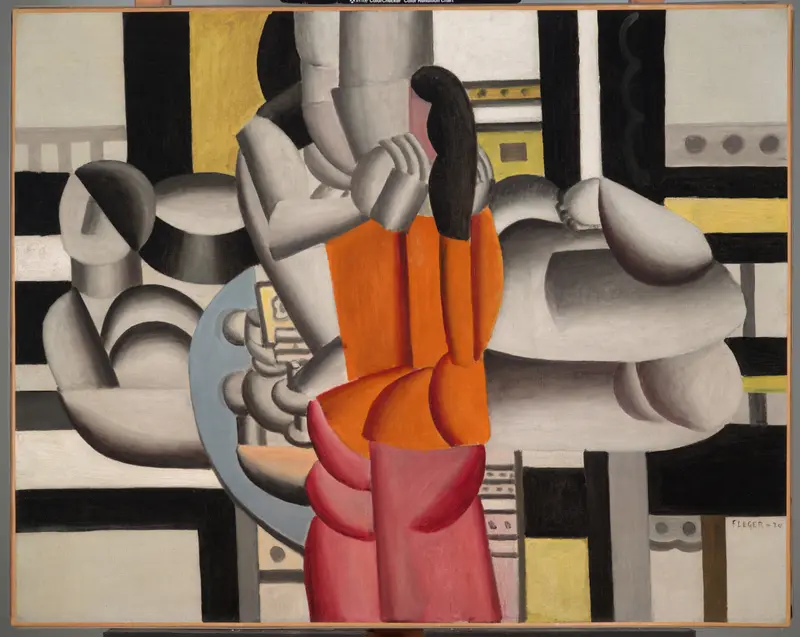
Three Women and Still Life (Déjeuner)
Fernand Léger
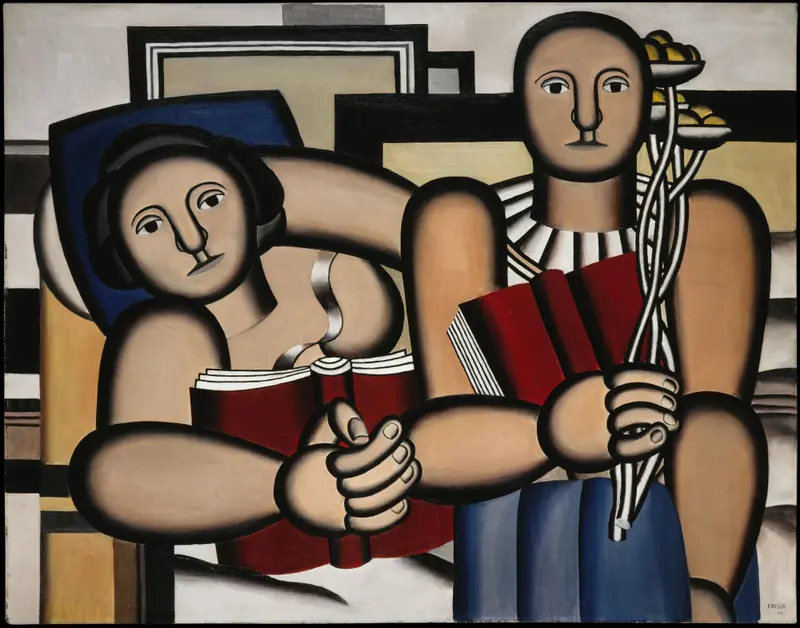
Reading
Fernand Léger
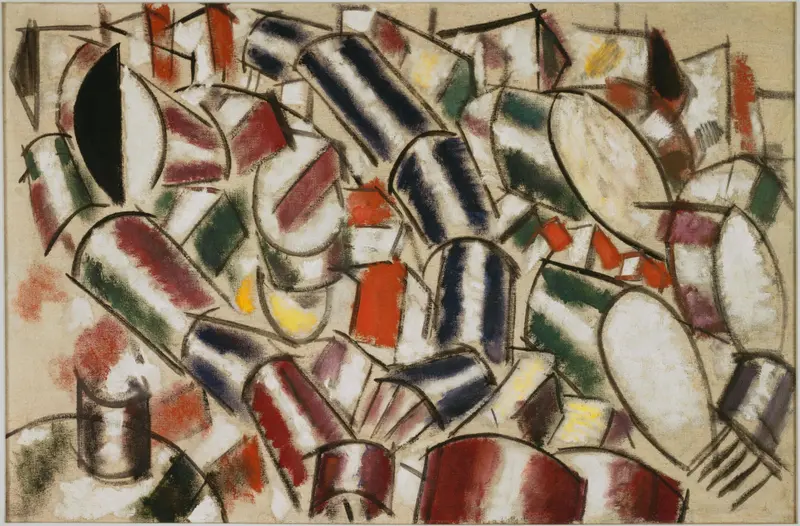
Femme couchée
Fernand Léger
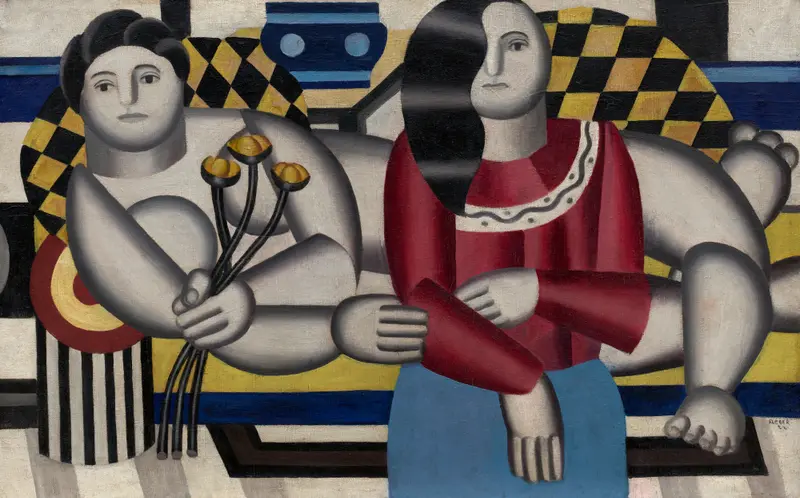
Woman holding flowers
Fernand Léger
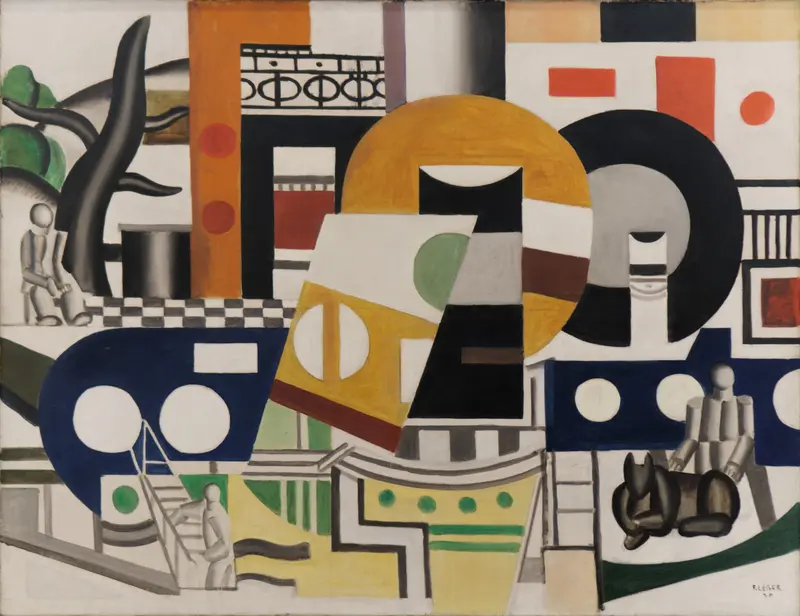
The Tug
Fernand Léger



