
Titelblad van het vierde deel van Opera Origenis Adamantii — History & Facts
Did the painter know this moment would outlive them? Each stroke imbues significance, echoing through time as viewers continue to unravel its layers of meaning. Focus on the intricate details of the title page, where ornate lettering intertwines with fantastical creatures and mythological motifs. Notice how Dürer’s meticulous line work creates a vibrant interplay between light and shadow, drawing the eye across the composition. The rich, earthy tones contrast with the sharpness of the forms, inviting the viewer to explore every element as if uncovering a hidden narrative within the page. This artwork transcends mere illustration; it speaks of legacy and the weight of creation.
The presence of the lion and the unicorn symbolizes strength and purity, while the delicate foliage may hint at nature’s duality of beauty and decay. Each detail resonates with the viewer, provoking thoughts about the passage of knowledge and the artist’s role in preserving stories that might otherwise be forgotten. In 1520, Dürer was deeply engaged in the Renaissance movement, mixing the emerging Northern European style with his unique perspective. Living in Nuremberg, he faced the burgeoning influence of printmaking, a medium that allowed for the wider dissemination of his vision.
The world was shifting, ideas were in flux, and this work encapsulates both the personal and cultural dynamics of an artist intent on leaving a lasting mark on the realm of art and thought.
More Artworks by Albrecht Dürer
Browse all →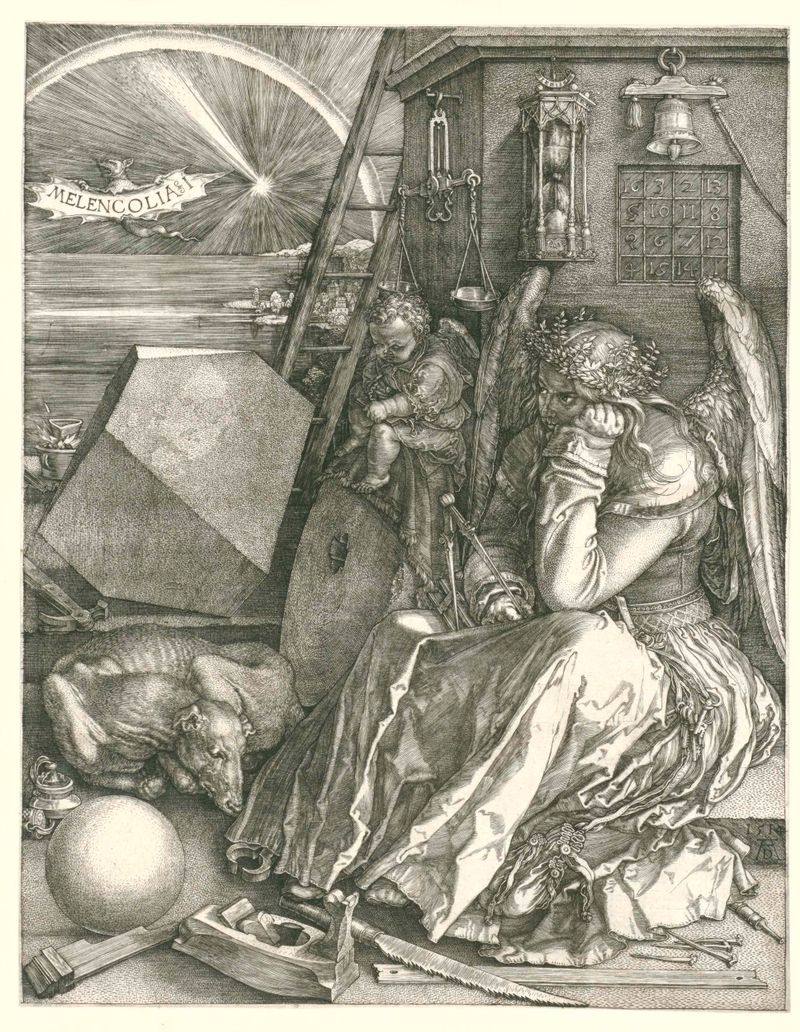
Melancholia
Albrecht Dürer
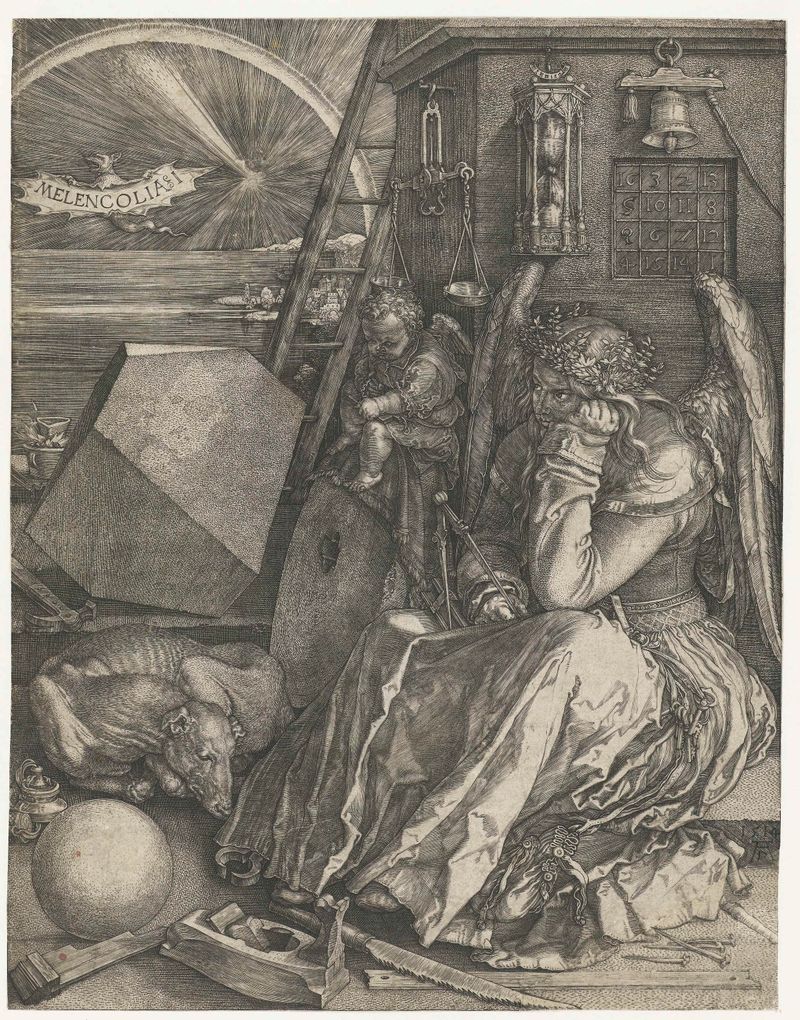
Melancholie
Albrecht Dürer
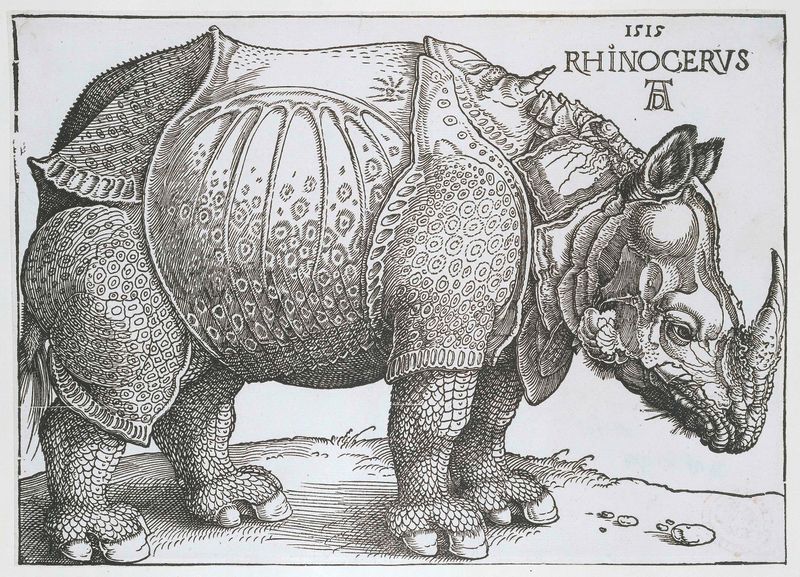
Neushoorn
Albrecht Dürer
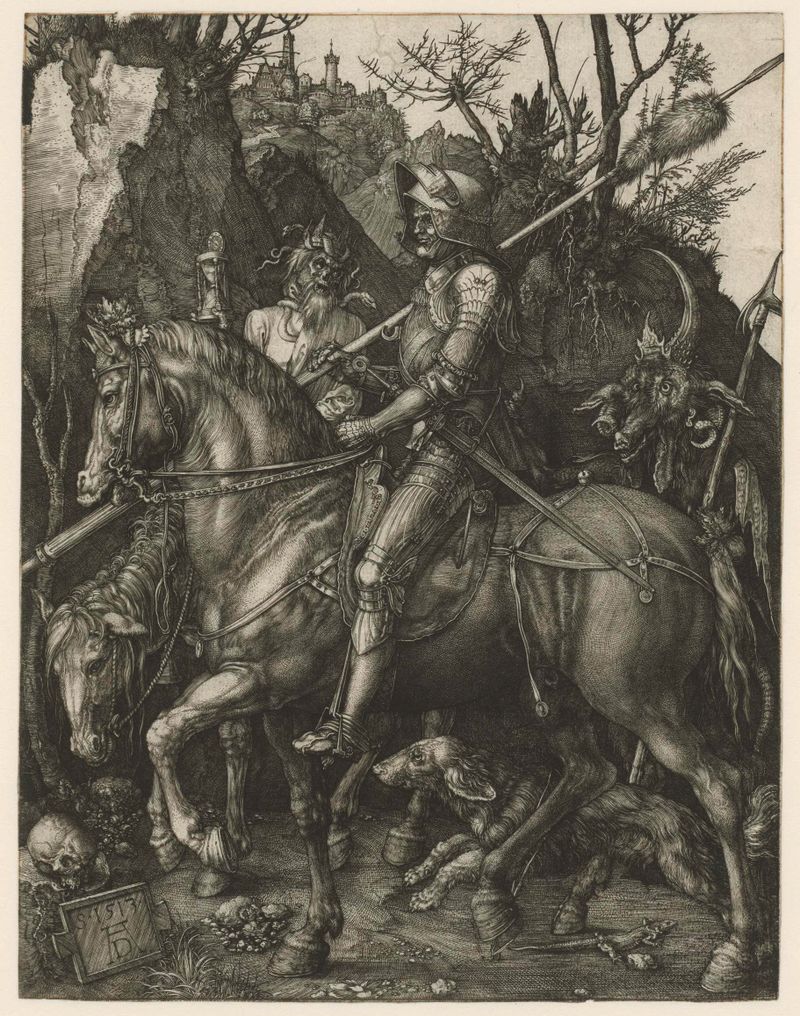
Knight, Death, and the Devil
Albrecht Dürer

De vier ruiters van de apocalyps
Albrecht Dürer

De vier ruiters van de apocalyps
Albrecht Dürer
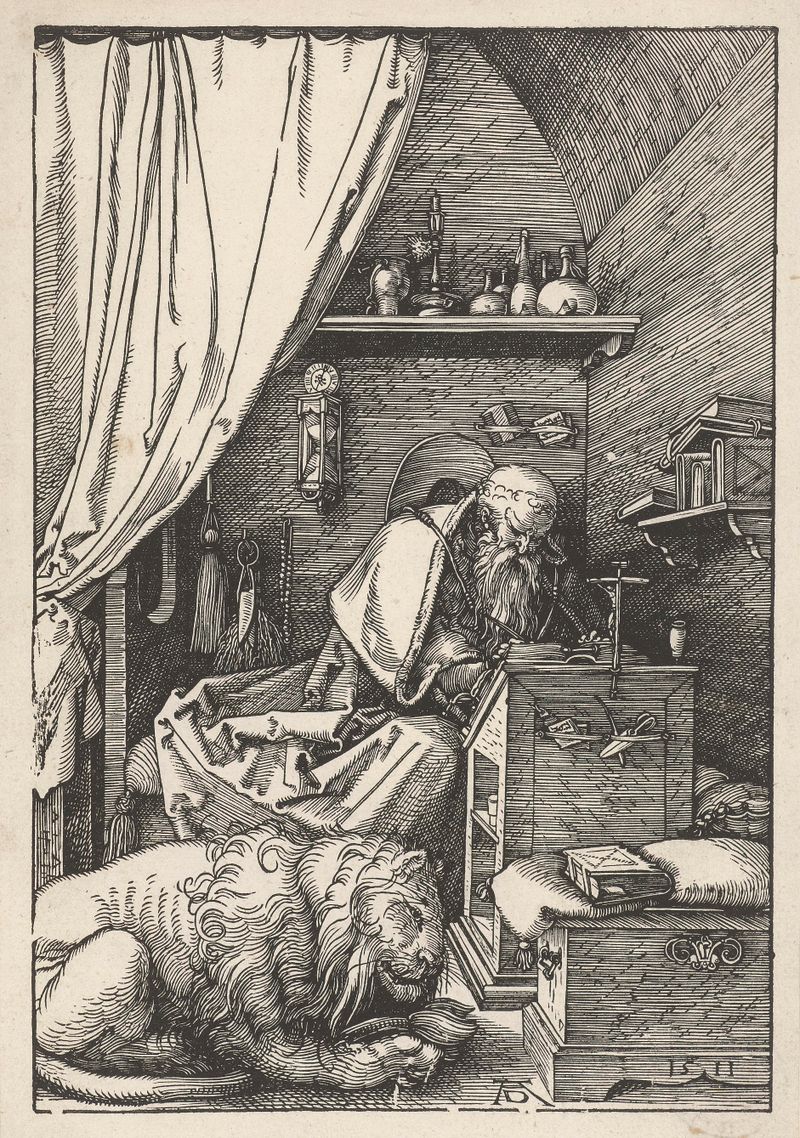
De Heilige Hiëronymus in zijn studeervertrek
Albrecht Dürer
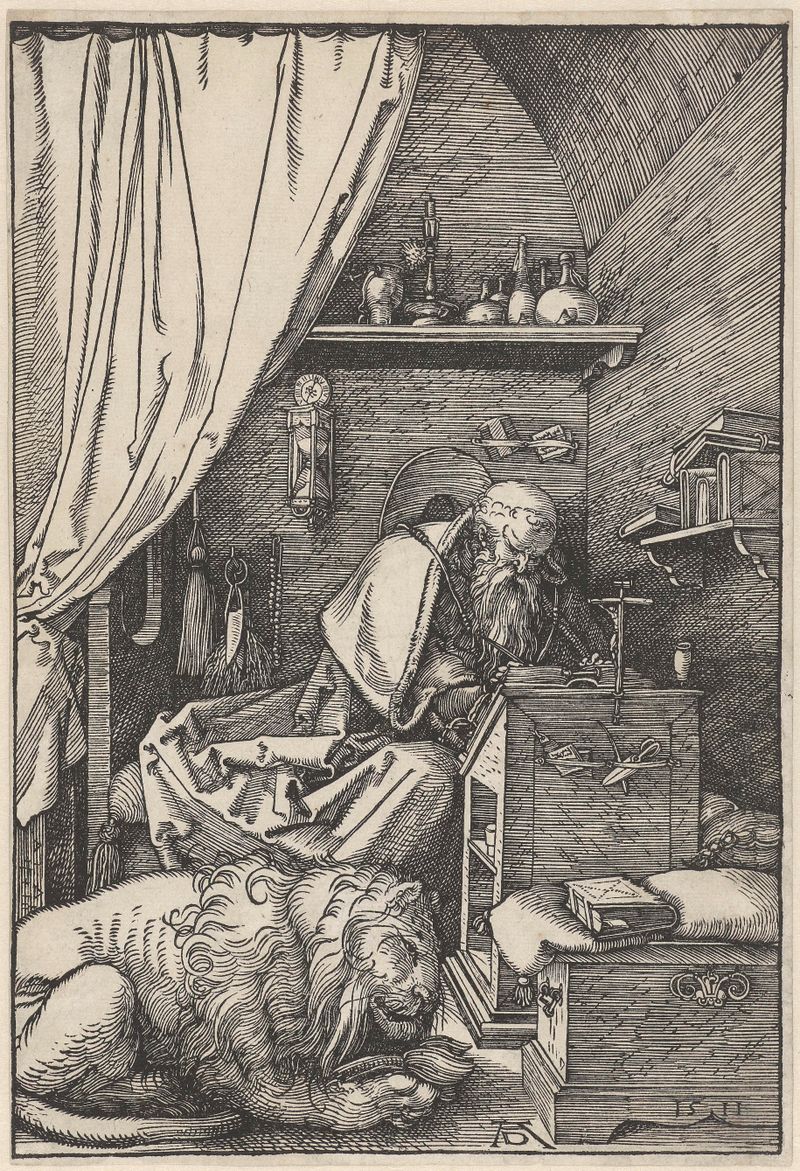
De Heilige Hiëronymus in zijn studeervertrek
Albrecht Dürer
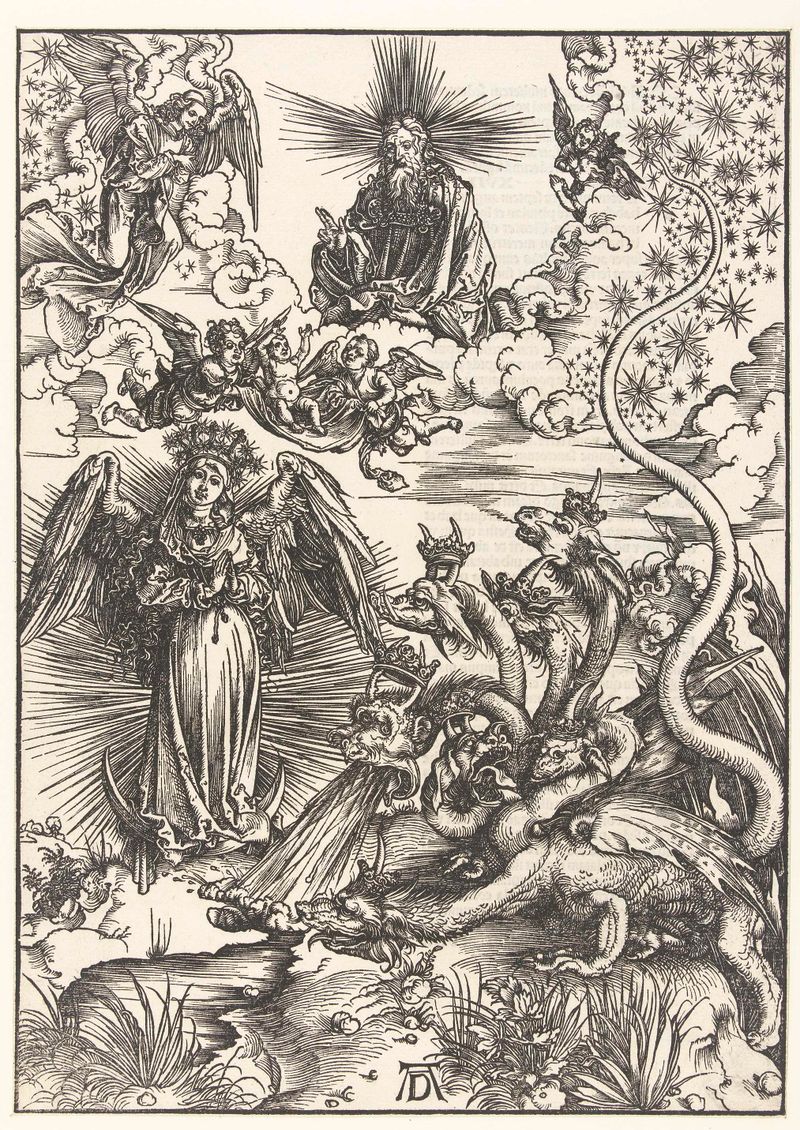
De apocalyptische vrouw en de zevenkoppige draak
Albrecht Dürer
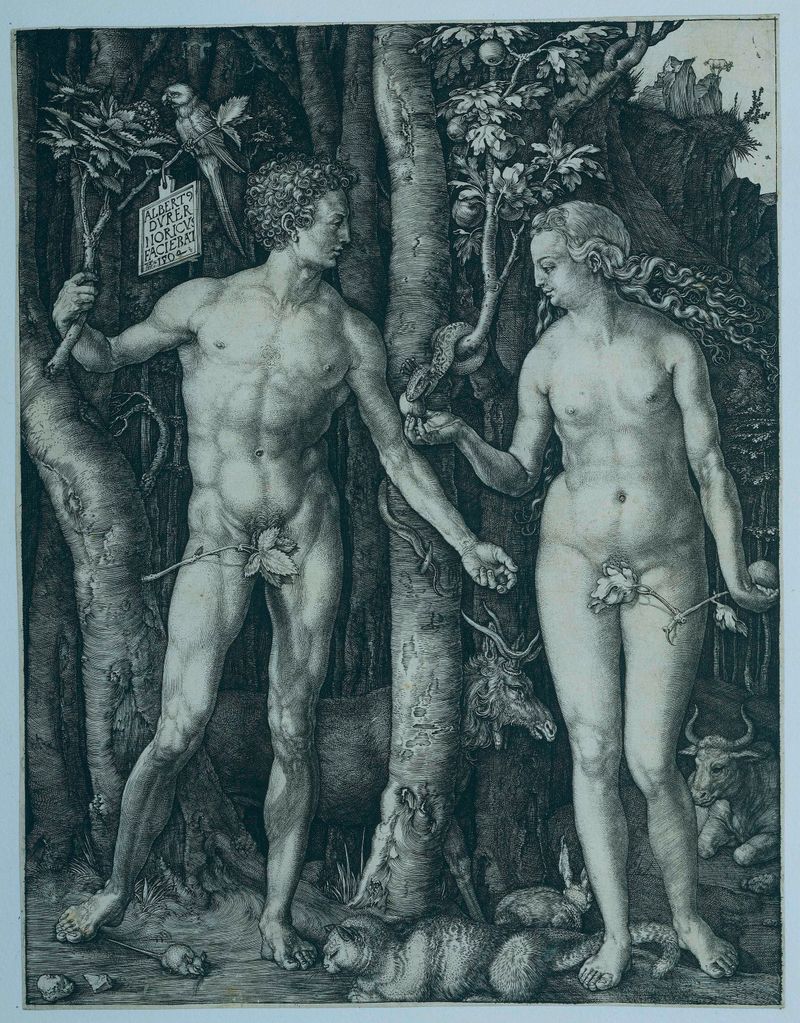
Adam en Eva
Albrecht Dürer
More Illustration Art
Browse all →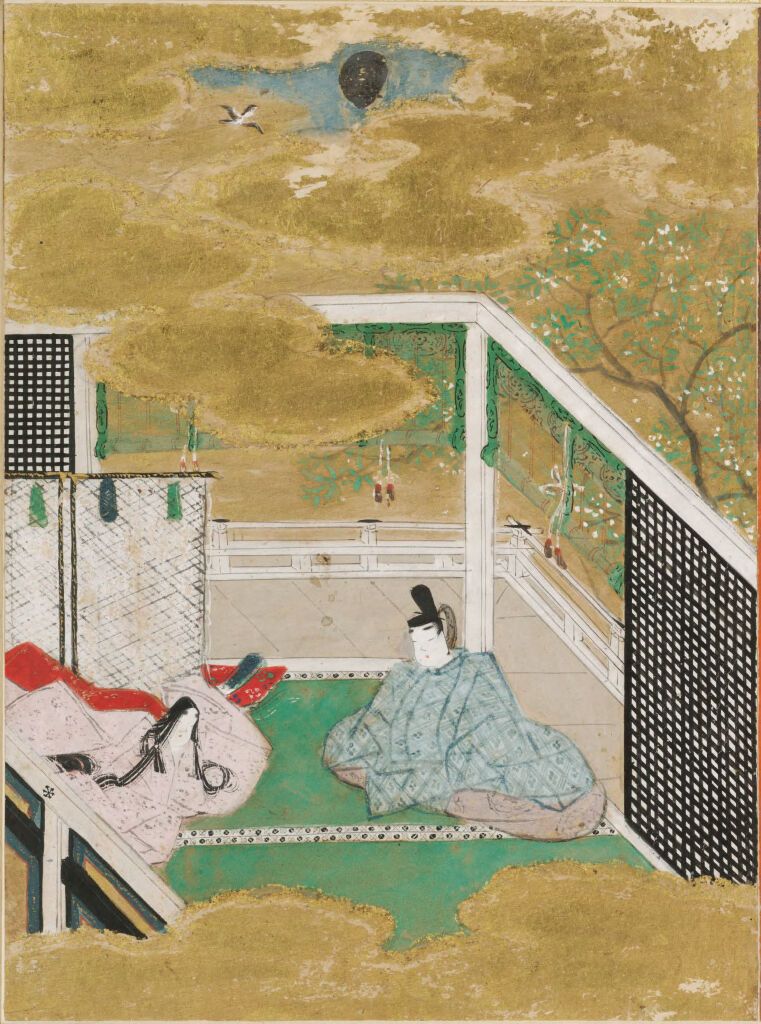
Falling Flowers (Hanachirusato), Illustration to Chapter 11 of the Tale of Genji (Genji monogatari)
Tosa Mitsunobu
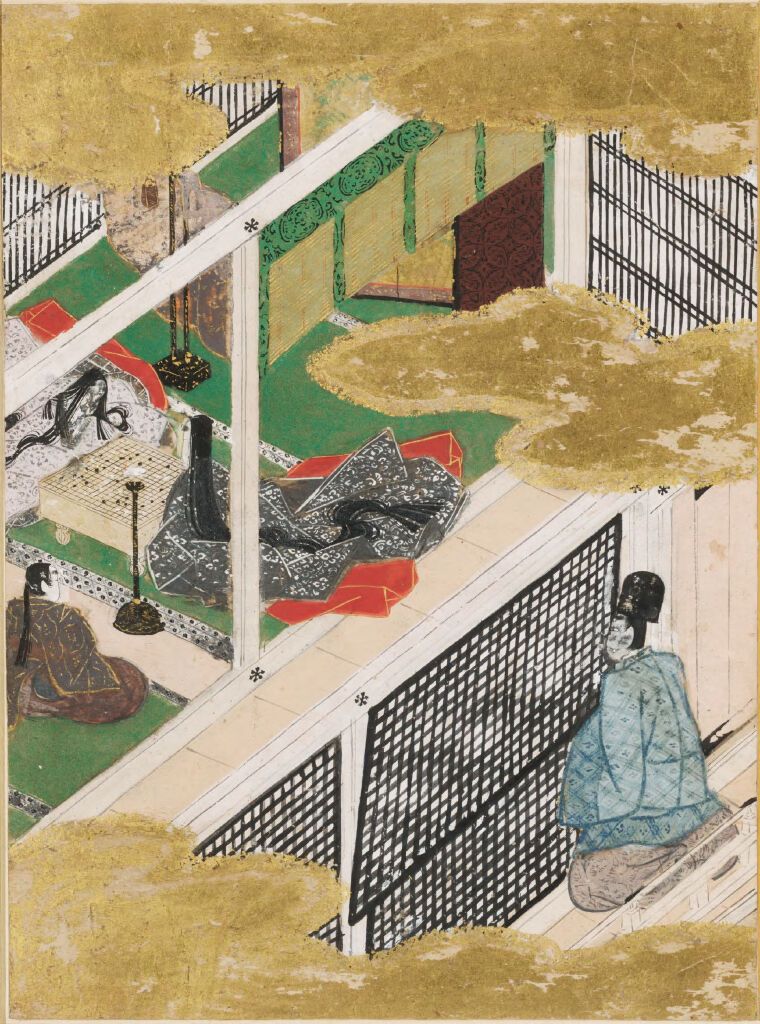
The Cicada Shell (Utsusemi), Illustration to Chapter 3 of the Tale of Genji (Genji monogatari)
Tosa Mitsunobu
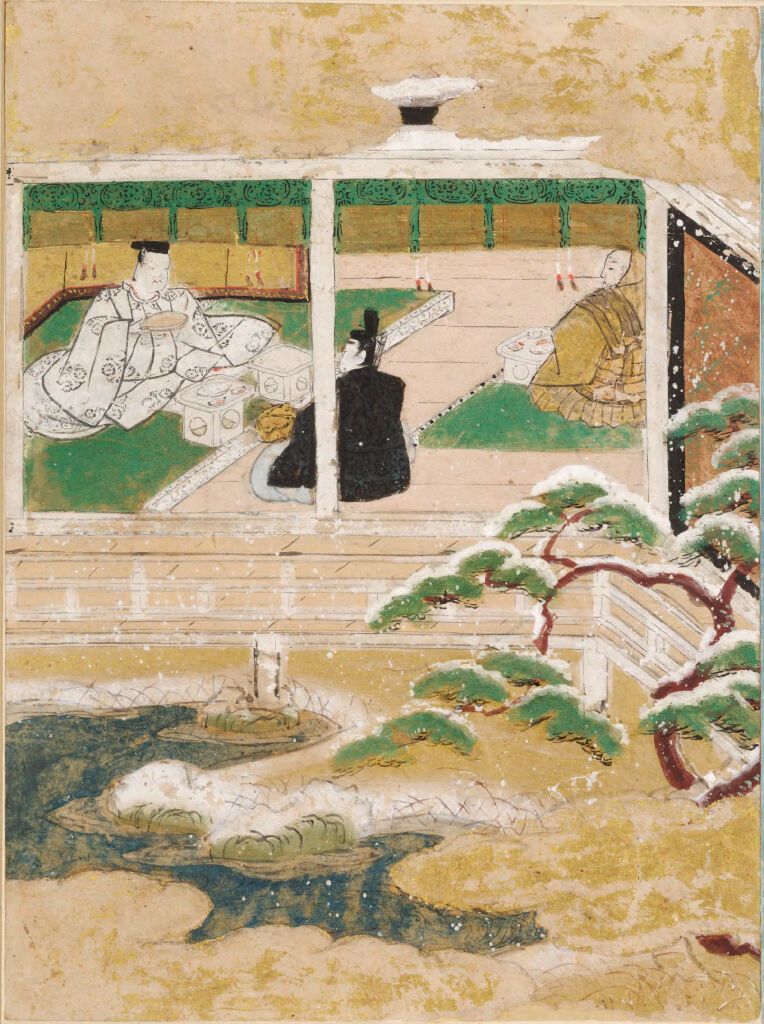
The Seer (Maboroshi), Illustration to Chapter 41 of the Tale of Genji (Genji monogatari)
Tosa Mitsunobu
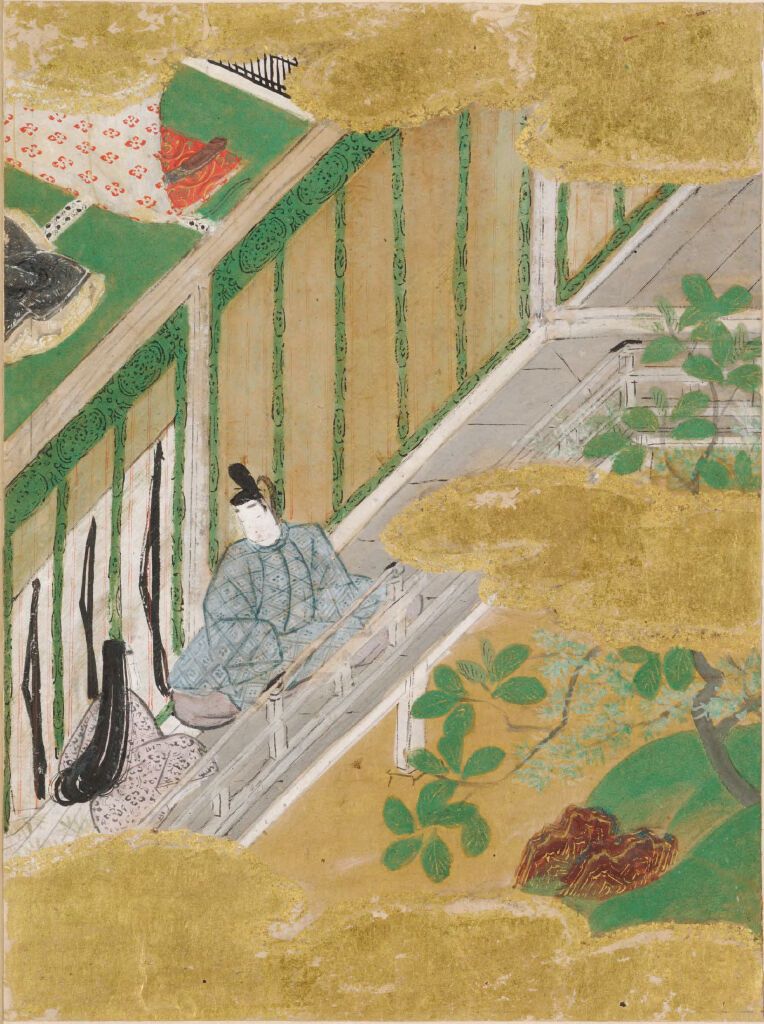
The Oak Tree (Kashiwagi), Illustration to Chapter 36 of the Tale of Genji (Genji monogatari)
Tosa Mitsunobu
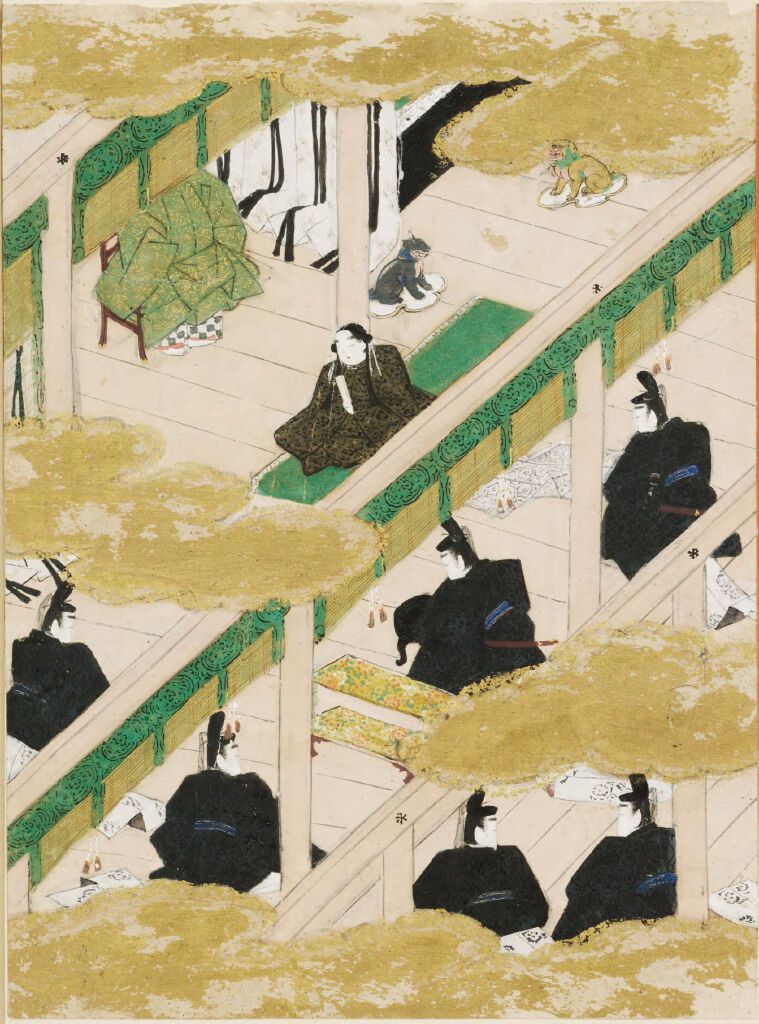
The Paulownia Pavilion (Kiritsubo), Illustration to Chapter 1 of the Tale of Genji (Genji monogatari)
Tosa Mitsunobu
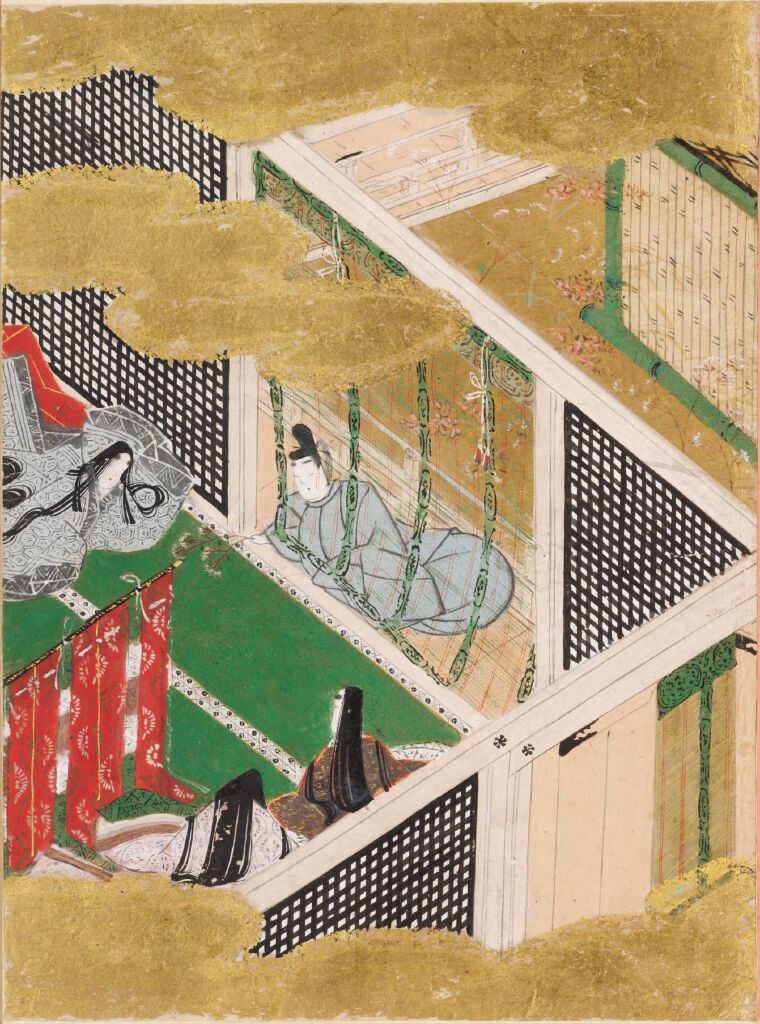
Thoroughwort Flowers (Fujibakama), Illustration to Chapter 30 of the Tale of Genji (Genji monogatari)
Tosa Mitsunobu