
Discover insights about this artwork
Tragédie-Comédie — History & Facts
In Tragédie-Comédie, Raoul Dufy employs a vibrant palette of colors, predominantly blues, reds, and yellows. The painting features a dynamic composition with figures that seem to dance and interact, embodying the themes of tragedy and comedy. The background is filled with abstract forms that suggest a lively setting, enhancing the overall energy of the piece.
This work captures the duality of human emotions through its lively representation. The painting is executed in oil on canvas, showcasing Dufy's characteristic brushwork that blends colors seamlessly. The dimensions are approximately 100 x 150 cm, making it a substantial piece that commands attention. Viewers can appreciate the intricate details and the way Dufy uses light to create depth and movement.
The vibrant colors and forms invite the viewer to explore the emotional contrasts depicted in the work. Raoul Dufy was a prominent figure in the modern art movement, known for his use of color and light. Tragédie-Comédie reflects his interest in the interplay between joy and sorrow, a theme prevalent in his works. Interestingly, this painting was created during a time when Dufy was exploring the boundaries of abstraction while still retaining figurative elements.
It stands as a testament to his ability to convey complex emotions through simple yet striking imagery.
More Artworks by Raoul Dufy
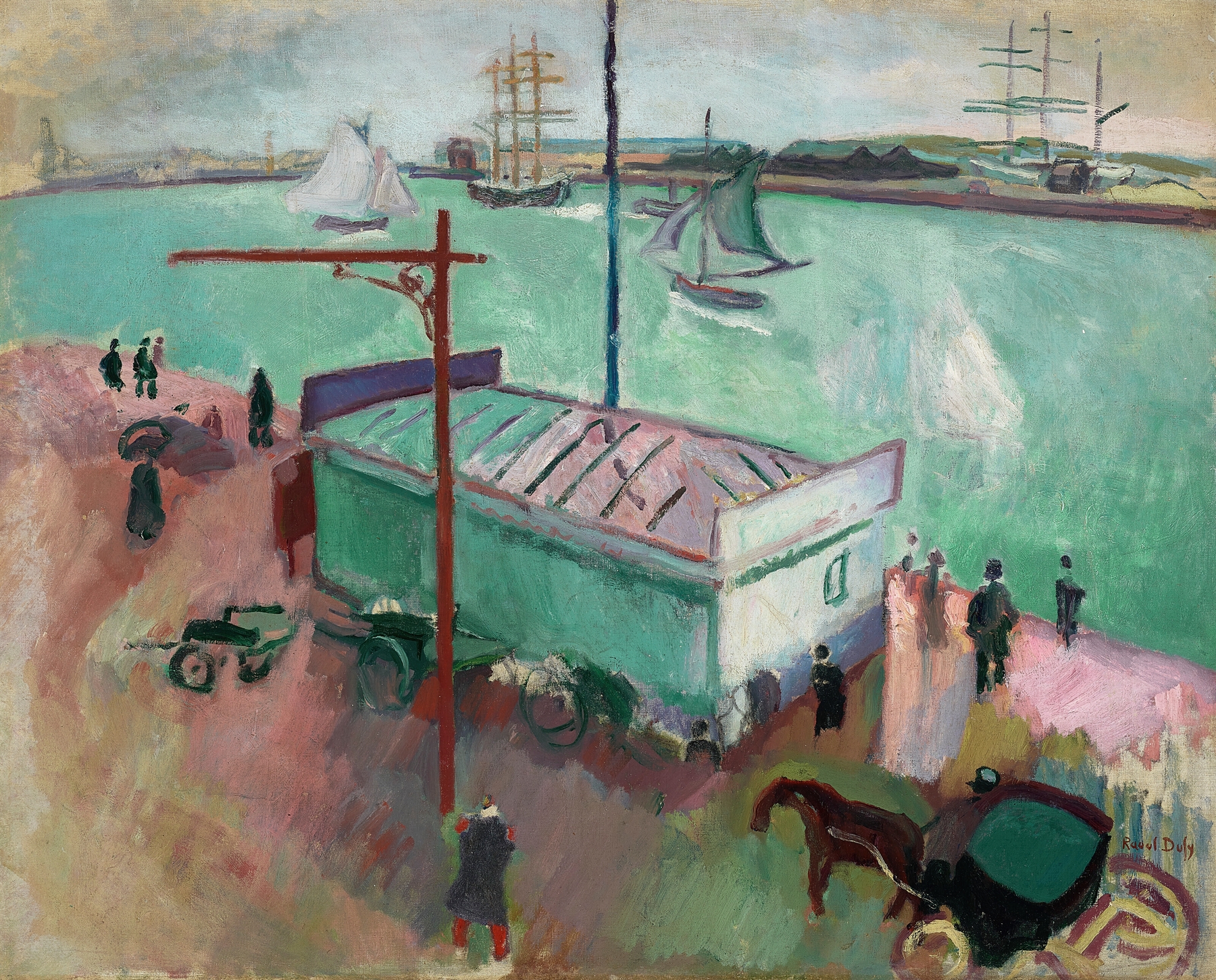
Le Port du Havre
Raoul Dufy
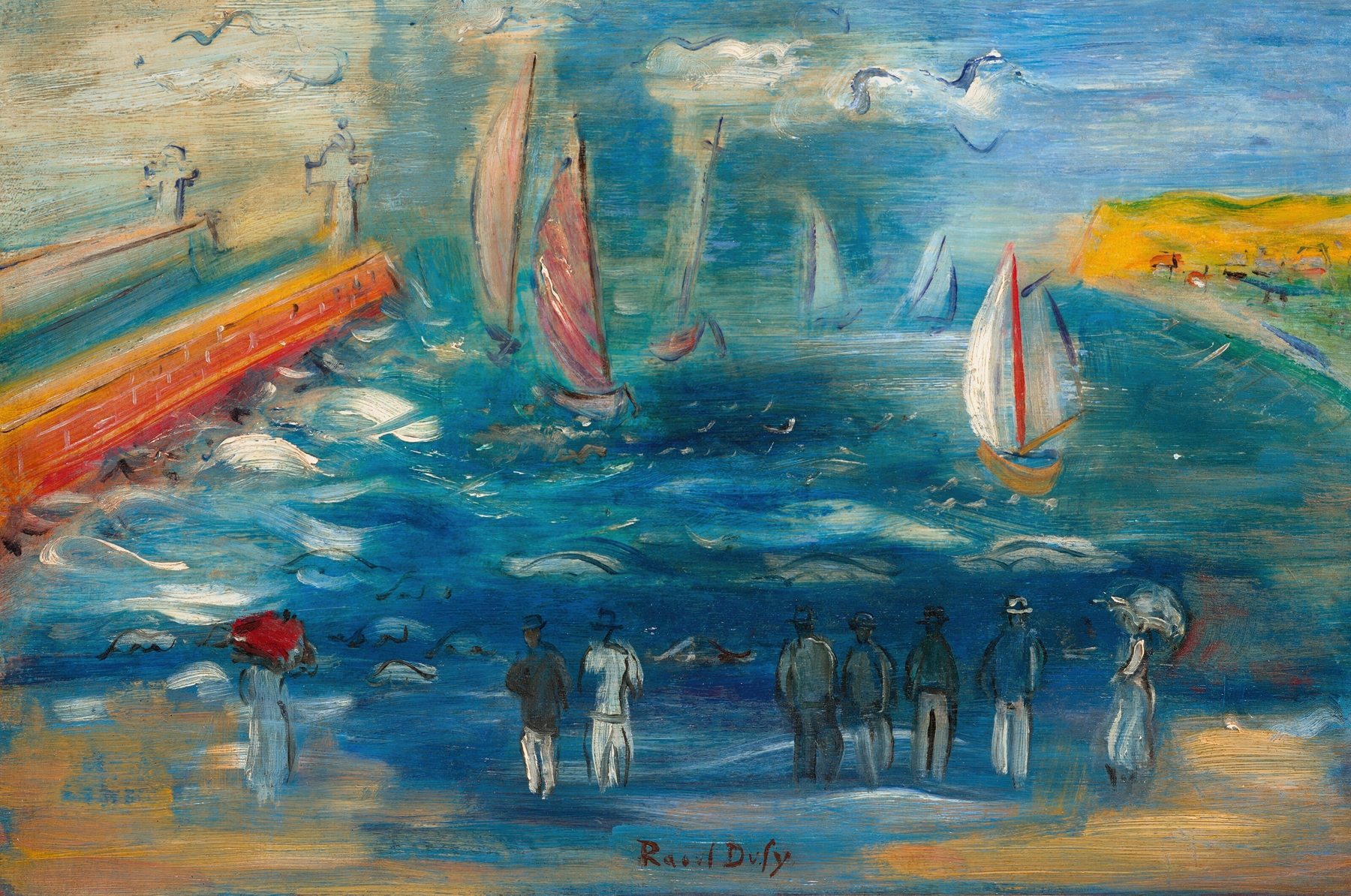
Départ des régates
Raoul Dufy
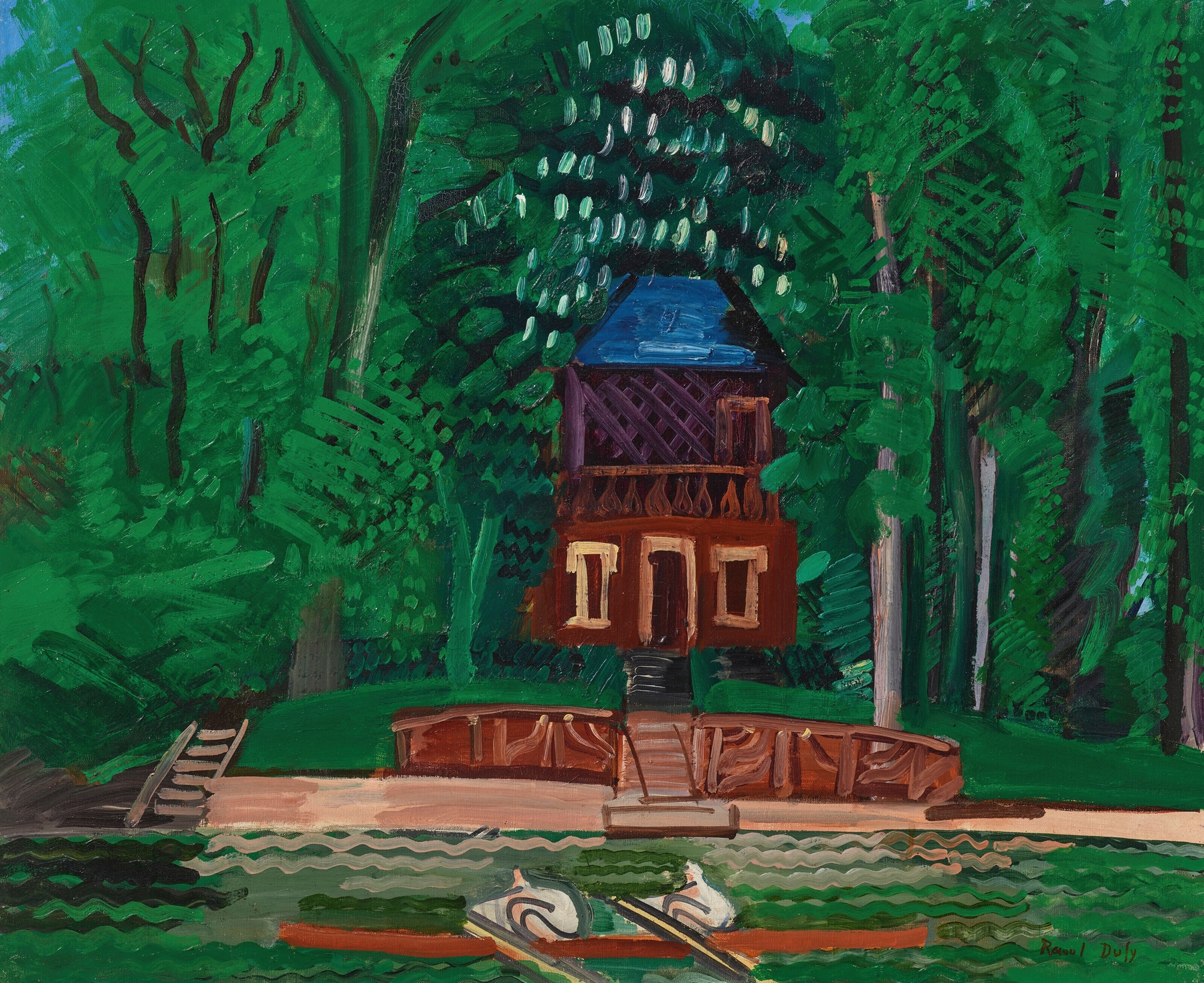
Les canotiers sur la Marne
Raoul Dufy
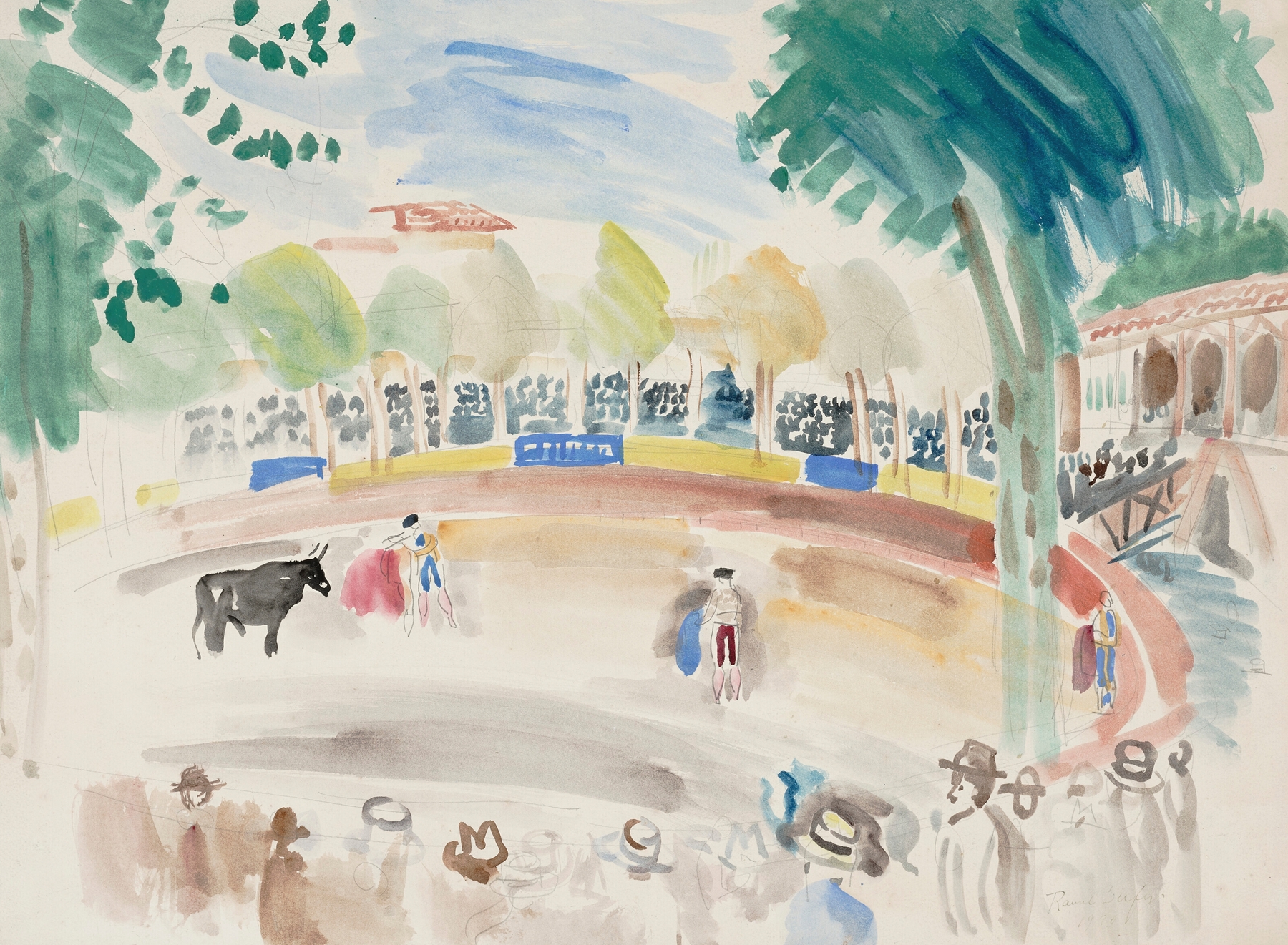
La corrida
Raoul Dufy
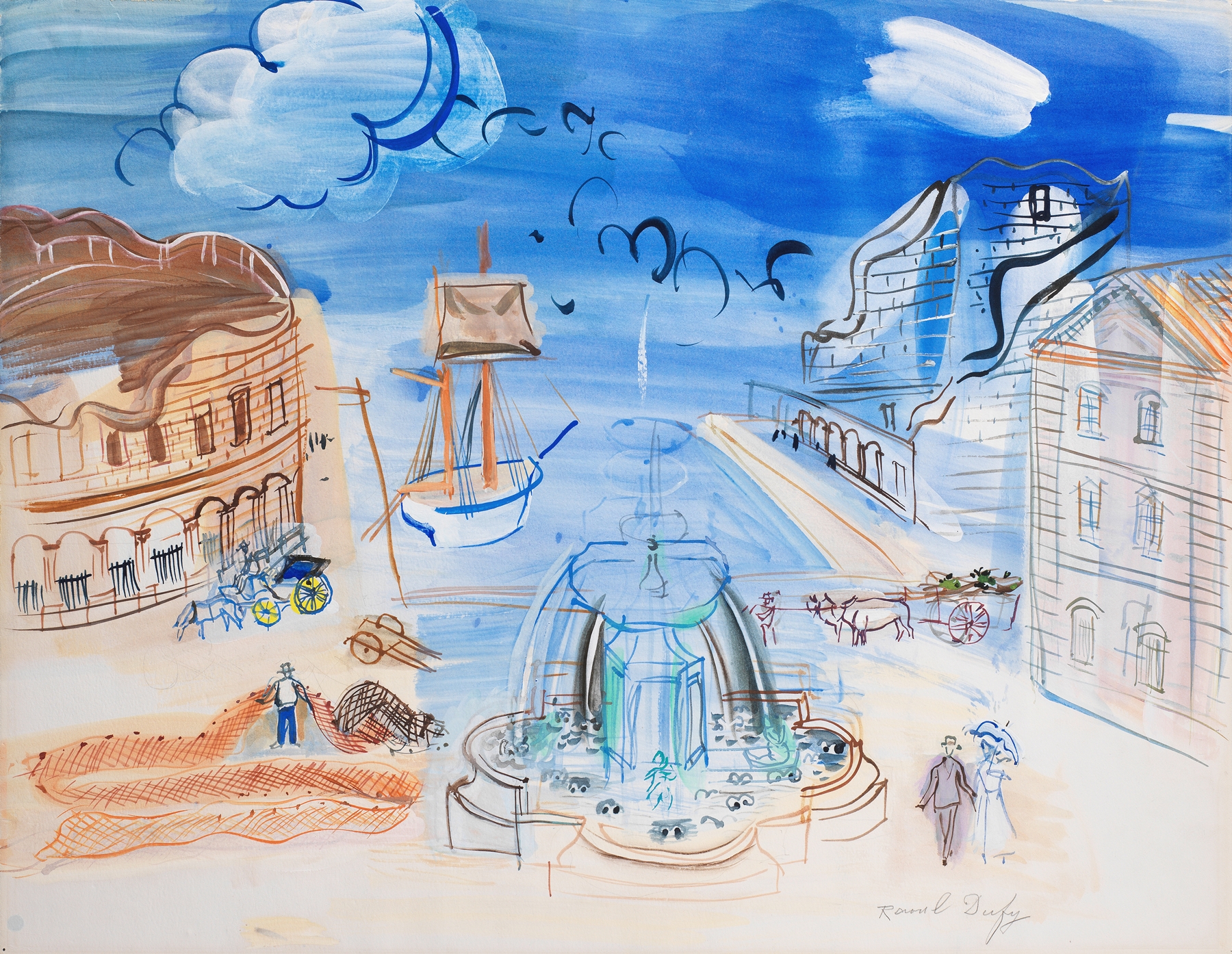
Composition au port et à la fontaine
Raoul Dufy
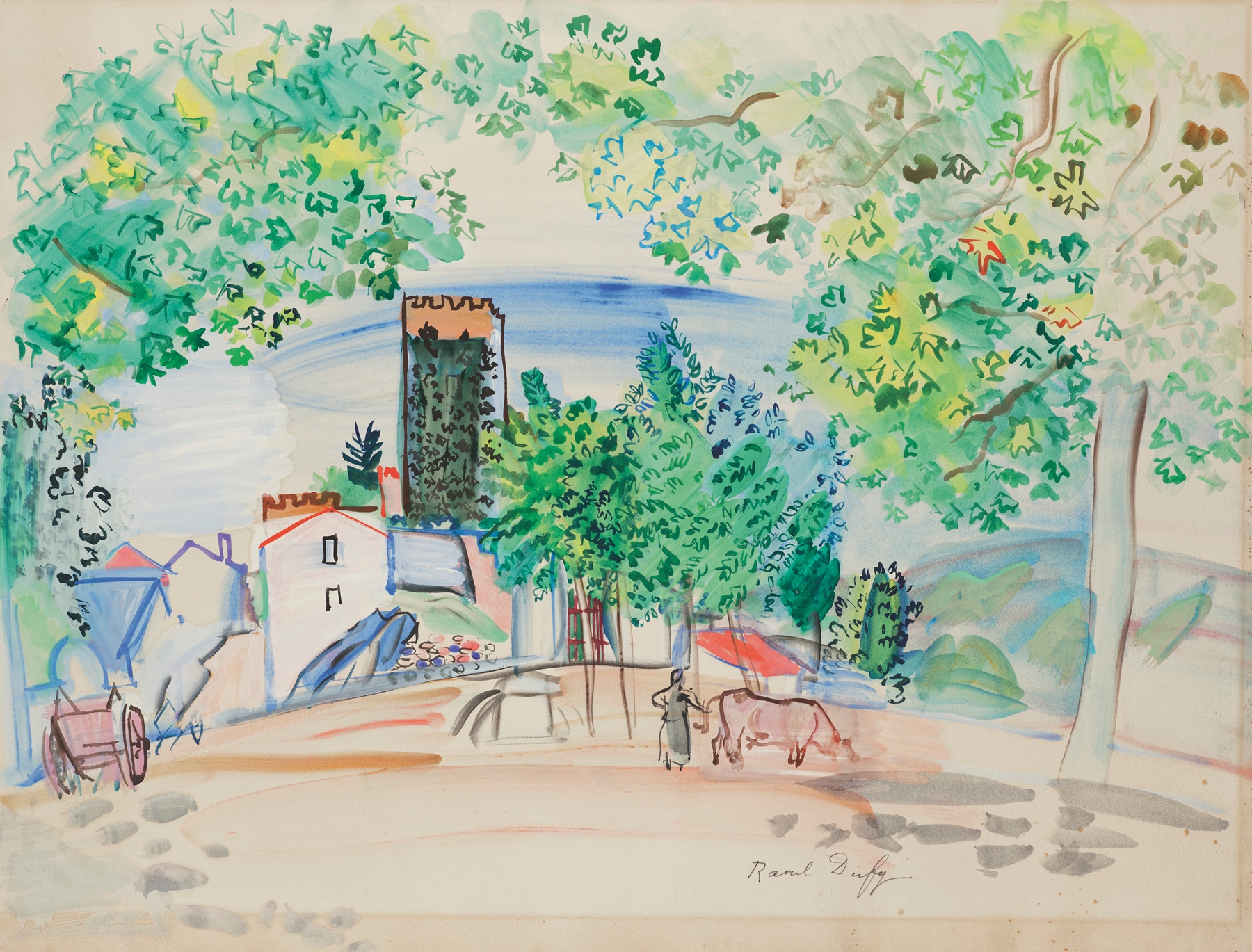
Vue de la Tour de Vernet-les-Bains
Raoul Dufy
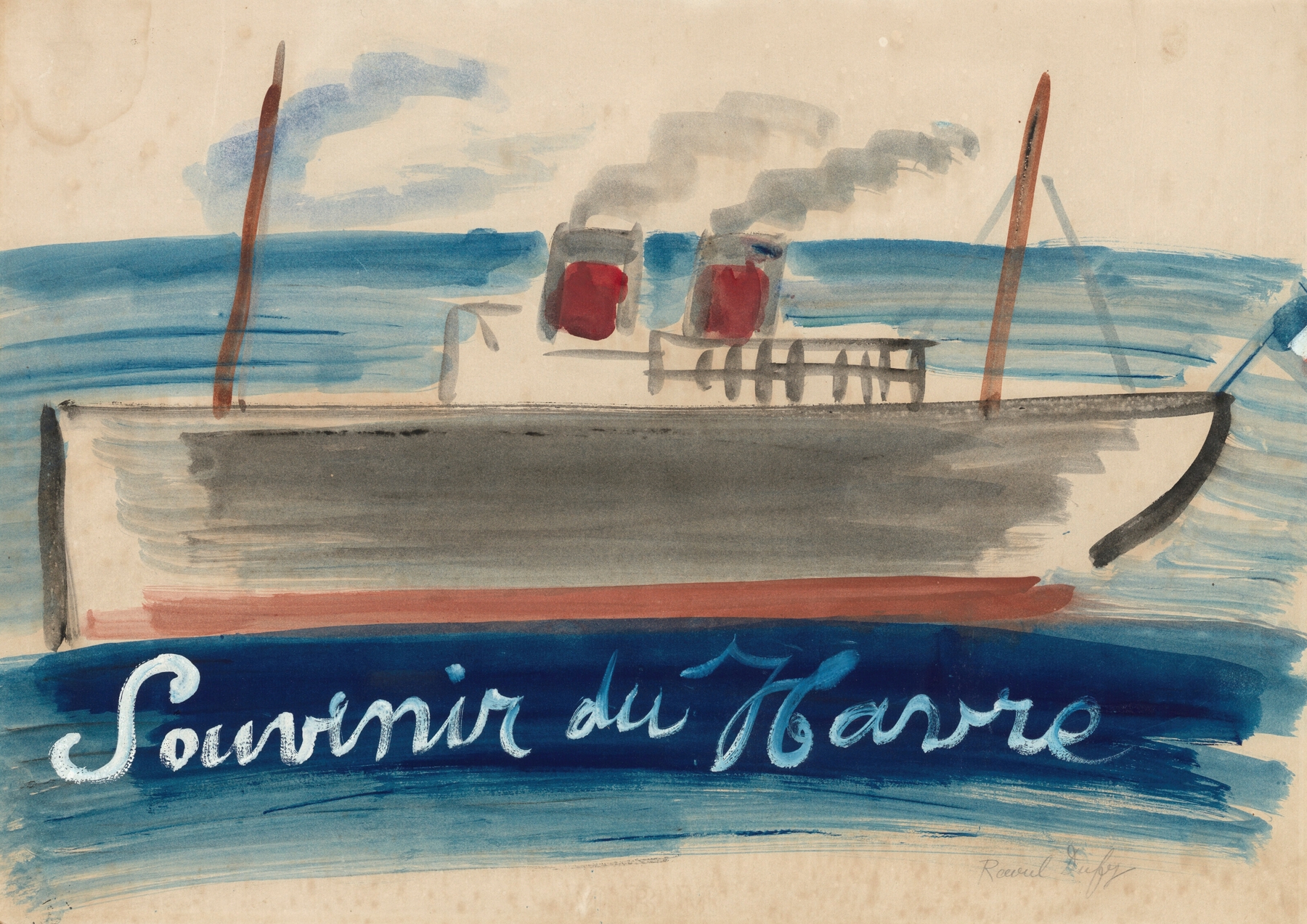
Souvenir du Havre
Raoul Dufy
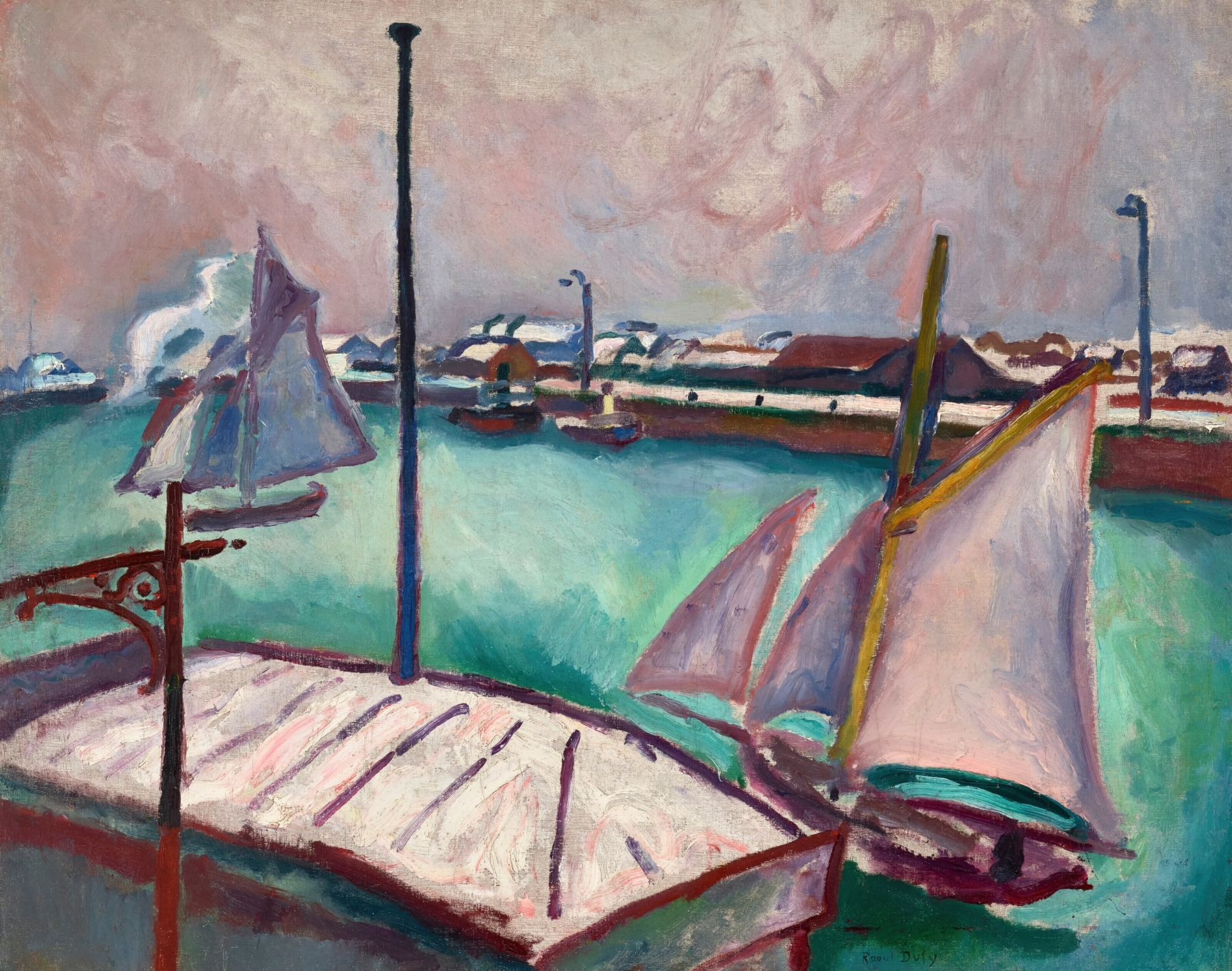
Les Barques
Raoul Dufy
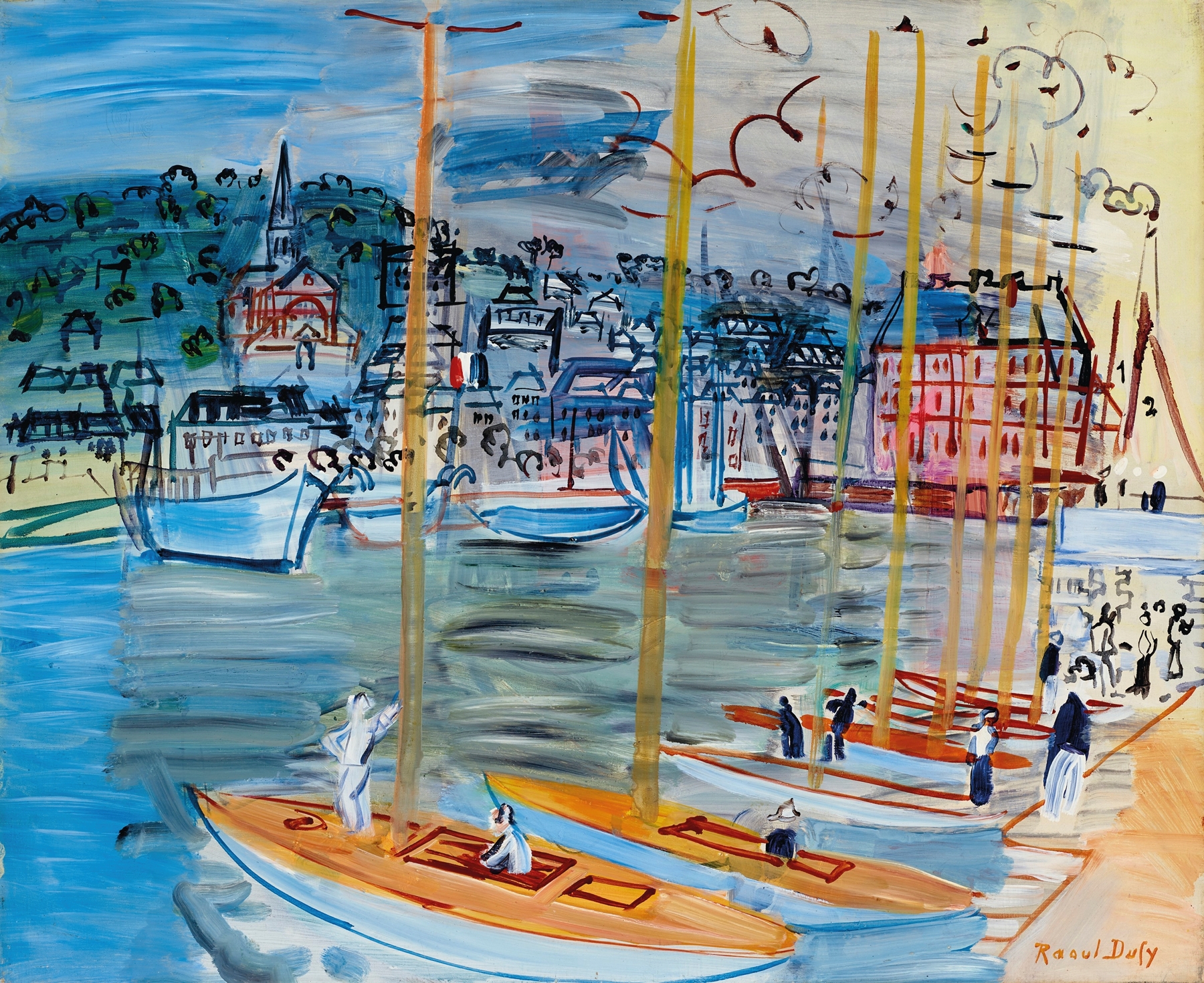
Le bassin de Deauville
Raoul Dufy
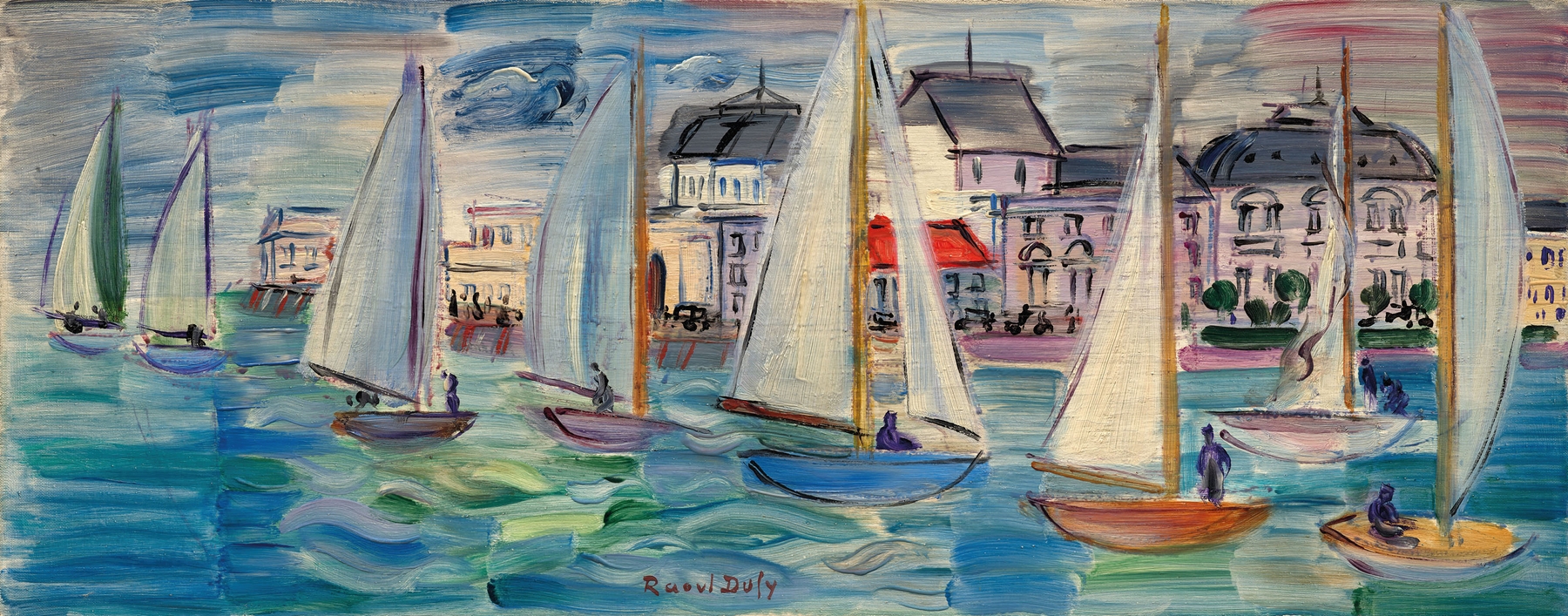
Régates à Deauville
Raoul Dufy
More Allegory Art
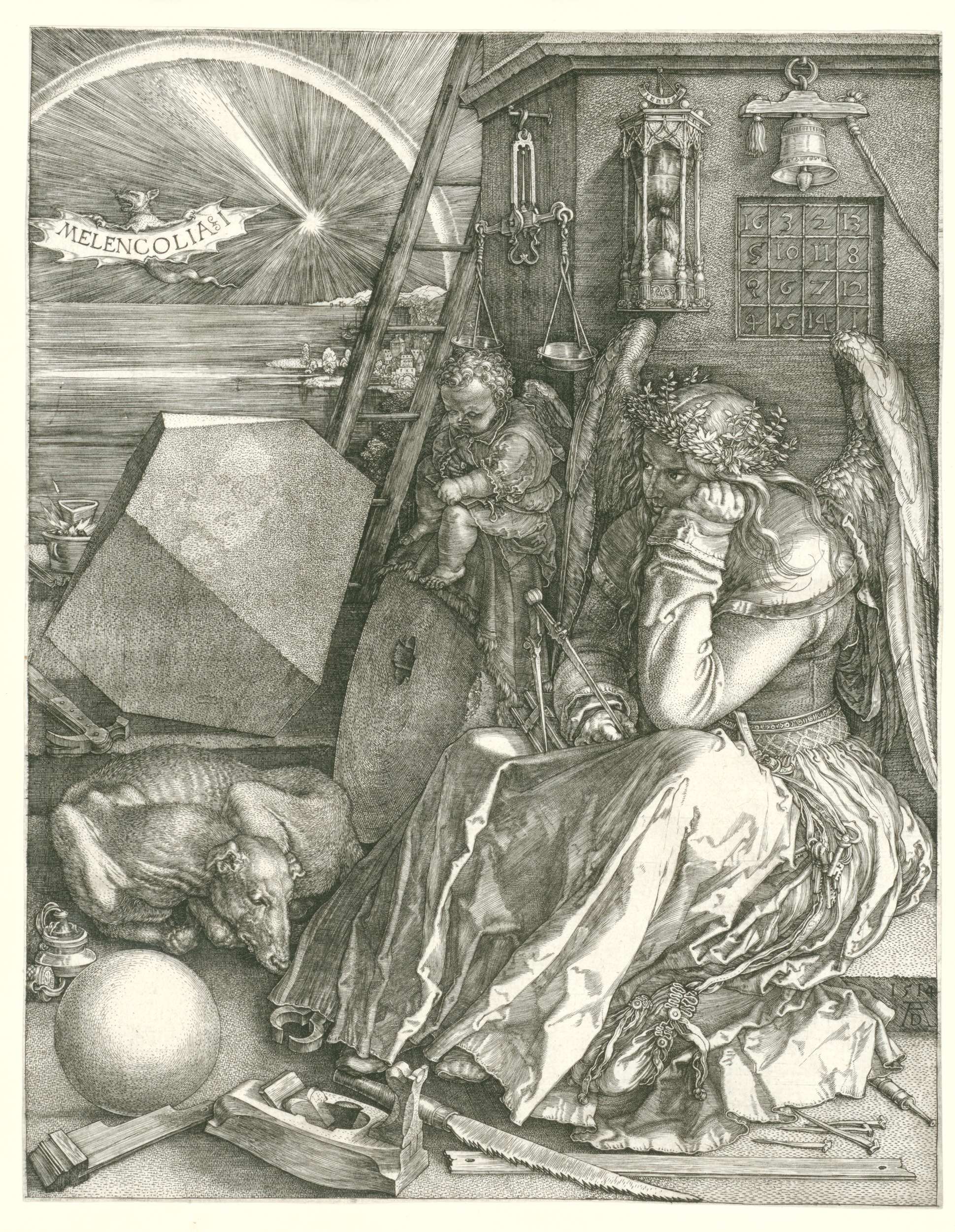
Melancholia
Albrecht Dürer
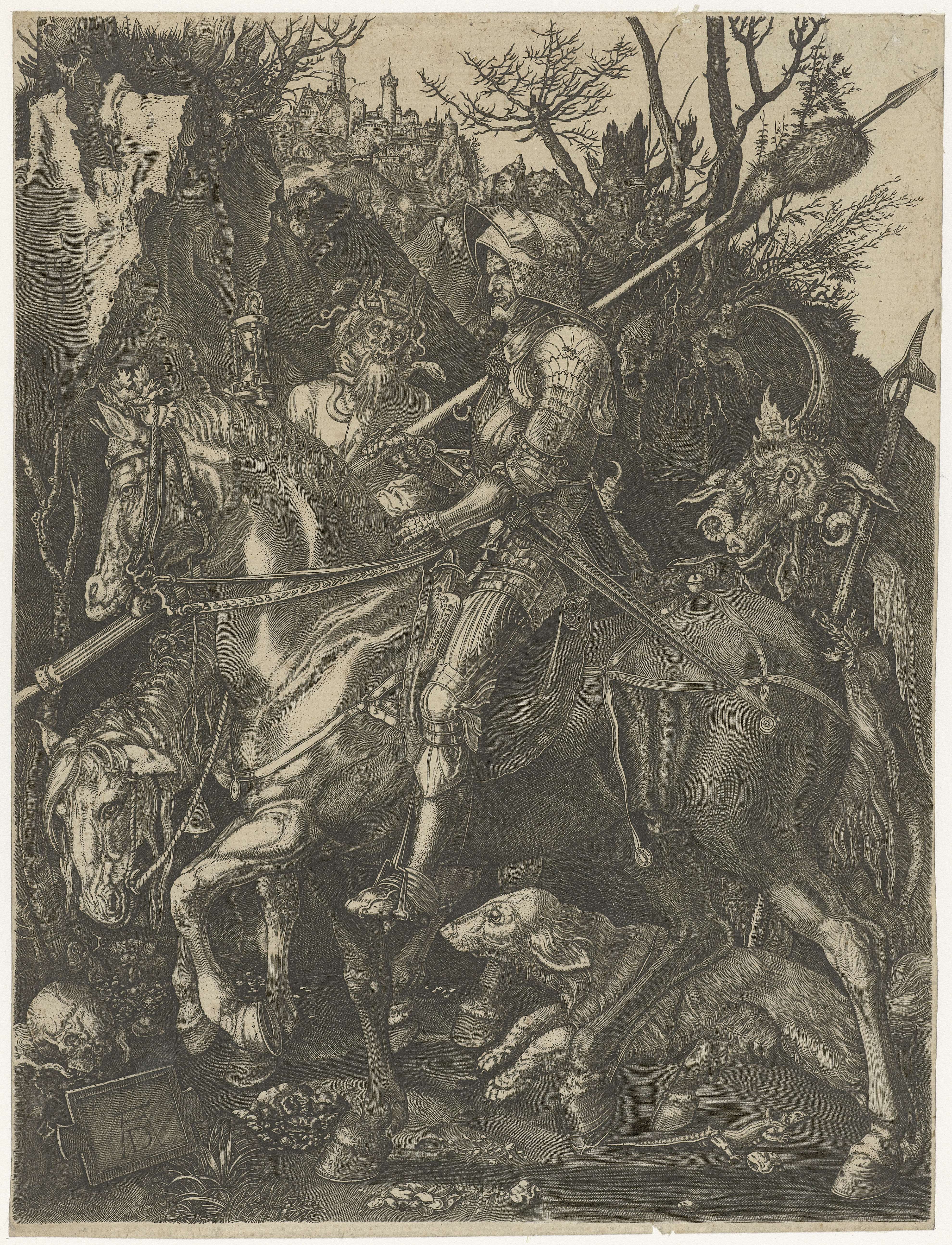
Ridder, Dood en Duivel
Unknown Artist
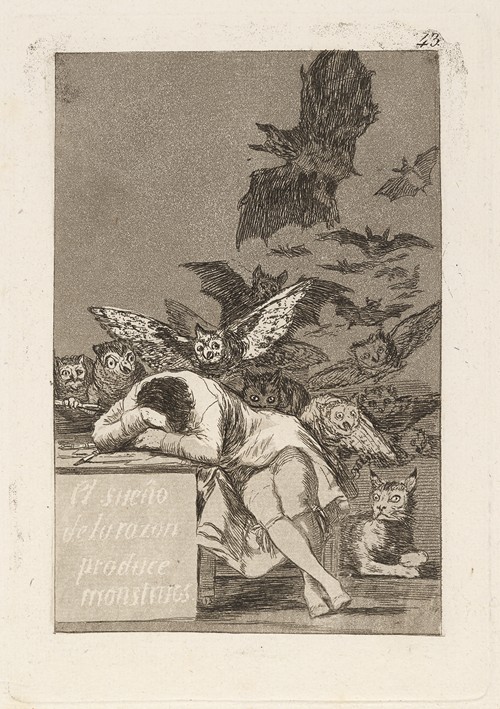
El sueño de la razon produce monstruos. (The sleep of reason produces monsters.)
Francisco de Goya
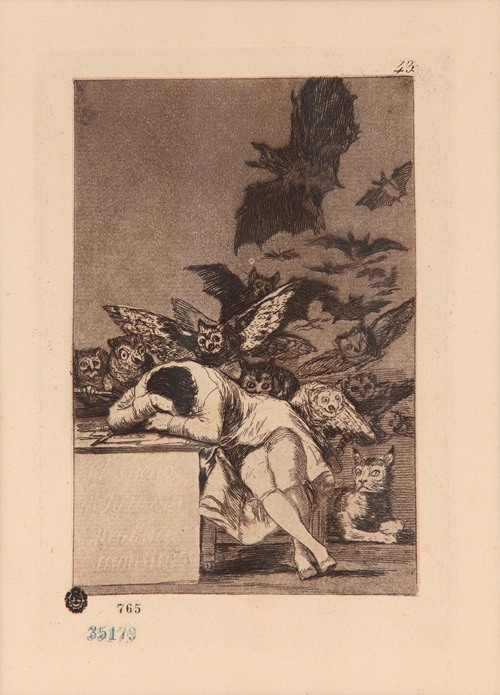
El sueño de la razon produce moustruos (Serie Caprichos)
Francisco de Goya
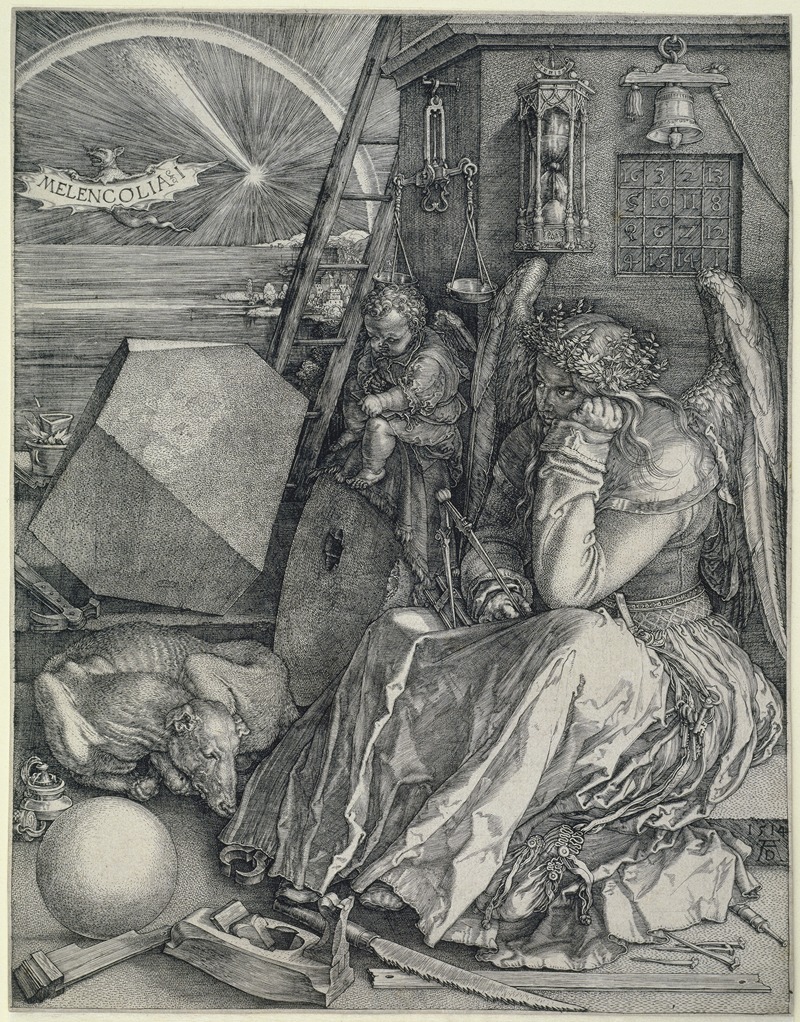
Melencolia I (The Melancholy)
Albrecht Dürer
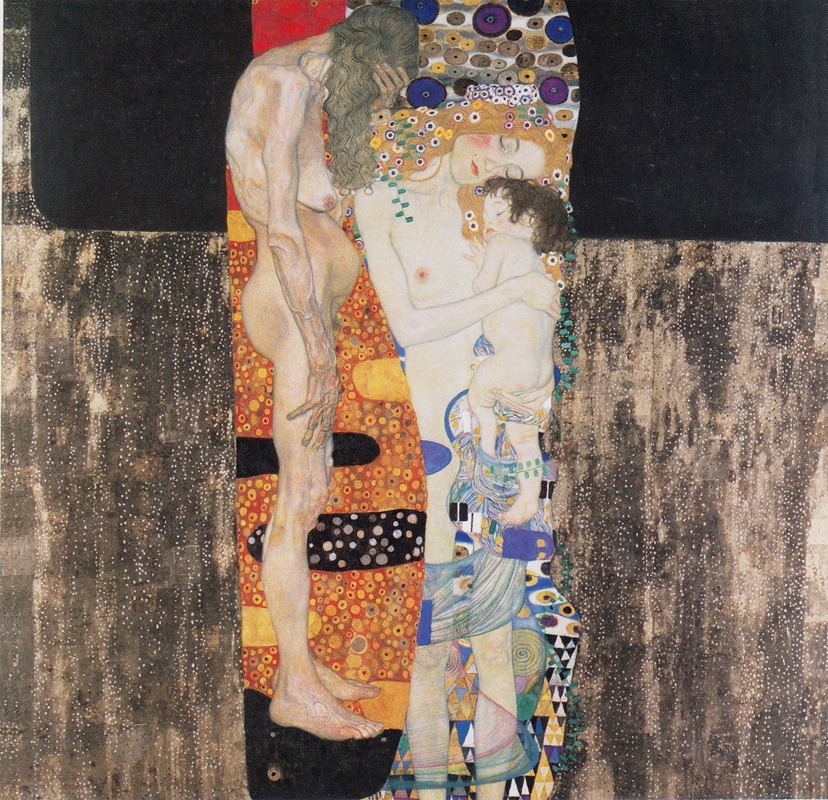
The Three Ages of the Woman
Gustav Klimt