
Tree and House — History & Facts
In 1919, as the world emerged from the shadow of war, Amedeo Modigliani painted Tree and House—one of the rare landscapes from an artist celebrated almost exclusively for his portraits. Modigliani’s health was failing, and he had just moved to the South of France, seeking relief and new inspiration. This painting stands as a quiet testament to that turning point, when the feverish Parisian life gave way to the calm of the Mediterranean.
Scholars have long wondered if this landscape, with its solitary tree and modest house, reflects Modigliani’s own longing for rest and stability in the final year of his life. The scene captures a sunlit day: a single, slender tree rises before a simple house, its trunk rendered with the same elongated grace Modigliani gave to his human figures. The house, with its pale walls and closed shutters, sits in gentle shadow, suggesting midday heat and silence. The composition is pared down, almost abstract, with bold outlines and blocks of color—echoing the influence of Paul Cézanne, whose views of Provence similarly distilled landscape to its essentials.
Unlike Cézanne’s dense, structured brushwork, however, Modigliani’s forms seem to float, as if memory and observation have merged. The precise journey of Tree and House remains somewhat obscure, as Modigliani’s landscapes were rarely exhibited in his lifetime and often passed through private hands. It is not clear who first owned the painting, or even its original medium, though it has since appeared in several major retrospectives of Modigliani’s work. Today, it stands as a rare document of the artist’s brief engagement with landscape, painted just months before his death in 1920.
In the context of his career, Tree and House offers a glimpse of what might have been, had Modigliani’s restless spirit found more time in the sun.
More Artworks by Amedeo Modigliani
Reclining Nude
Amedeo Modigliani

Portrait Of Jeanne Hébuterne
Amedeo Modigliani

Jeanne Hébuterne
Amedeo Modigliani
Jeanne Hébuterne with Hat and Necklace
Amedeo Modigliani
Femme aux boucles d'oreilles
Amedeo Modigliani
Femme aux yeux bleus
Amedeo Modigliani
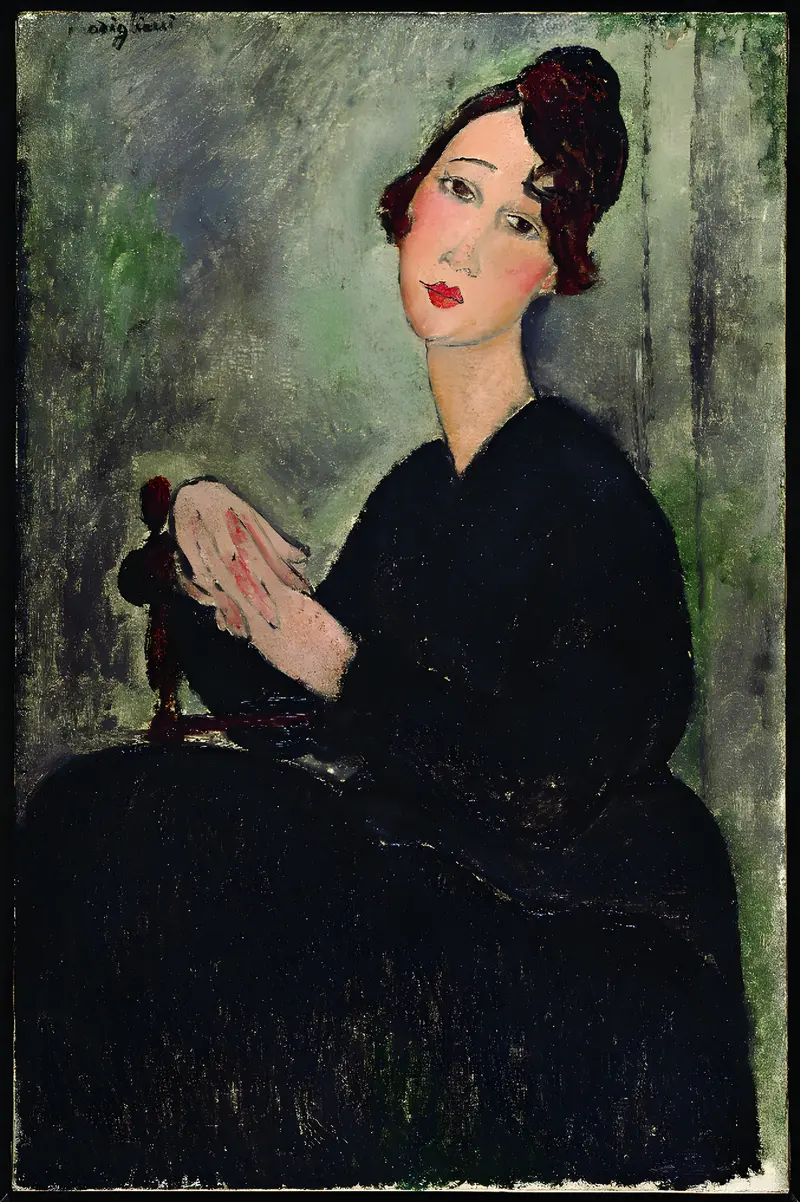
Portrait of Dedie
Amedeo Modigliani
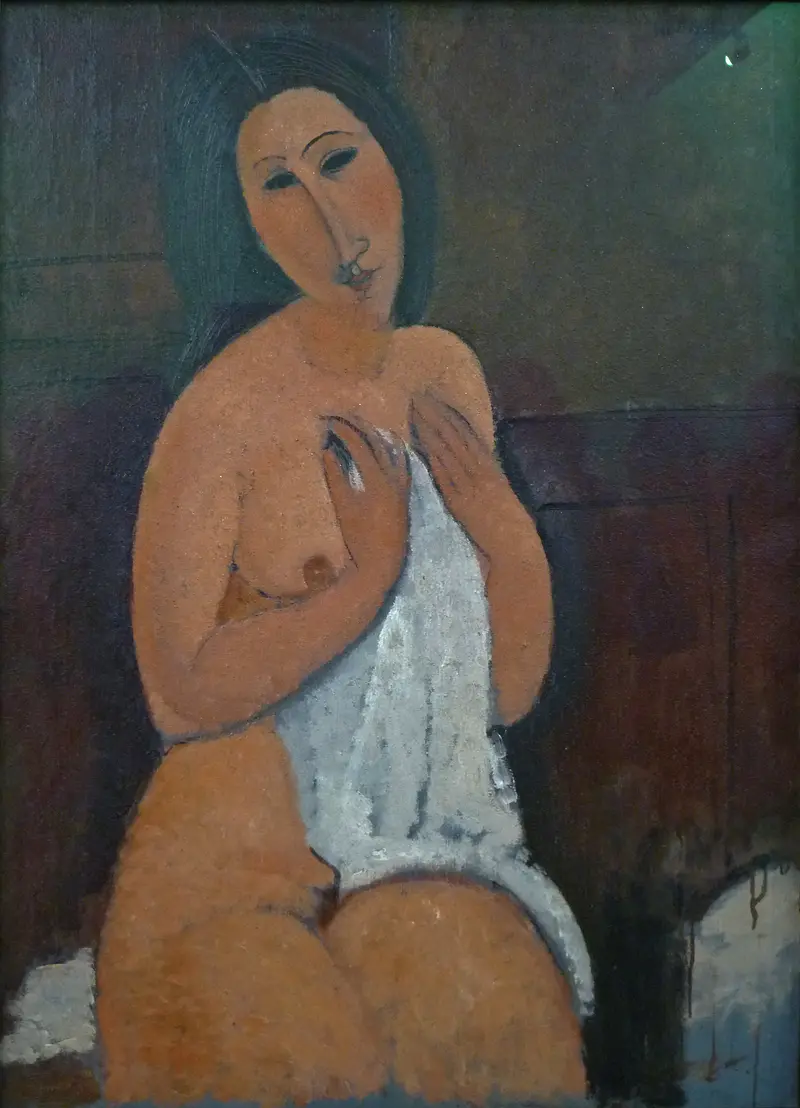
Seated nude with shirt
Amedeo Modigliani
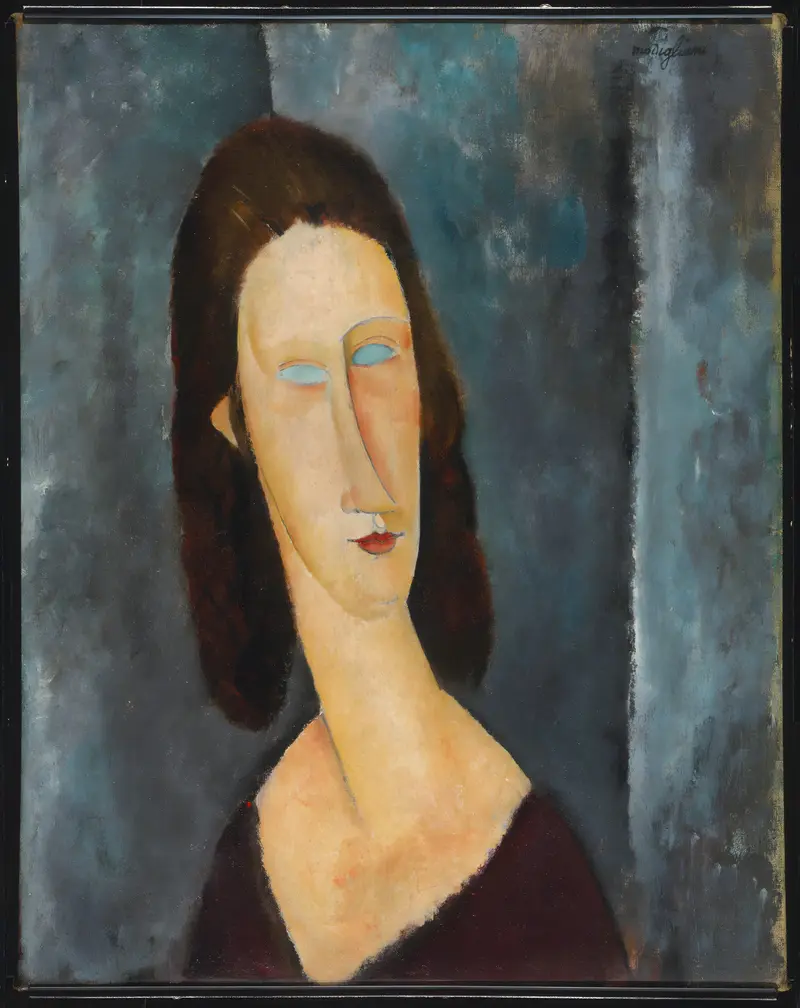
Blue Eyes (Portrait of Madame Jeanne Hébuterne)
Amedeo Modigliani
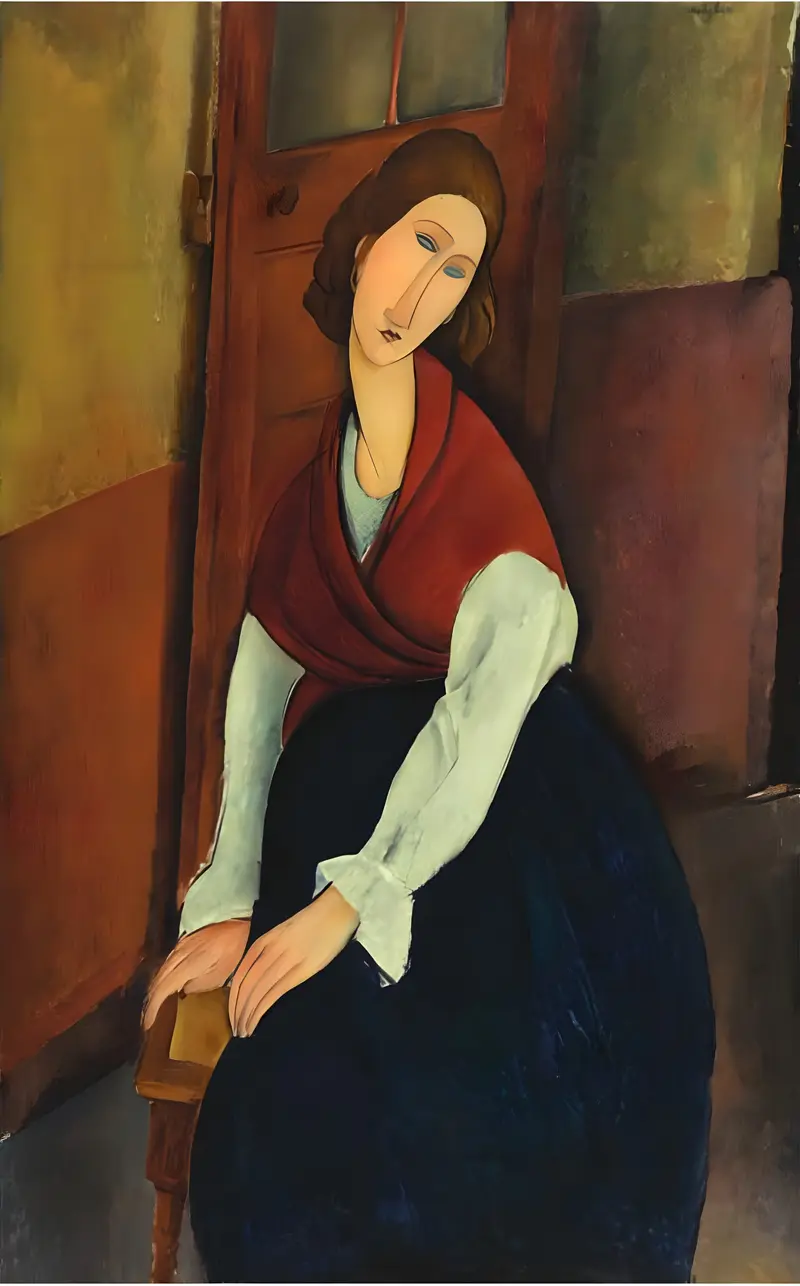
Jeanne Hebuterne in Red Shawl
Amedeo Modigliani
More Landscape Art

The Starry Night
Vincent van Gogh

View of Delft
Johannes Vermeer

Water Lilies
Claude Monet

The Grand Canal, Venice, looking north-west from the Ca' Corner to the Ca' Contarini degli Scrigni, with the campanile of Santa Maria della Carità
Canaletto

Windsor Castle
Canaletto

The Grand Canal looking North-East from the Palazzo Dolfin-Manin to the Rialto Bridge
Canaletto