Tree Study, Trichinopoly, India — History & Facts
What secret hides in the quiet of the canvas? Behind each leaf and branch lies a whisper of longing, an echo of desire that transcends mere observation. Look to the center of the composition, where the towering tree rises majestically against the backdrop of a serene sky. Its gnarled branches stretch outward, exploring the space around them, while the rich greens and browns of the foliage create a harmonious interplay of light and shadow. Notice how delicate strokes capture the subtle variations in color, revealing a lushness that invites the viewer to trace the contours of each leaf. In this study, the artist captures not just a tree, but the essence of yearning for connection with nature.
The juxtaposition of the intricate detailing in the tree’s bark against the smooth expanse of the sky suggests a dialogue between the earthly and the ethereal. Each brushstroke conveys a sense of tranquility mixed with an underlying restlessness, as if the tree itself is reaching for something just out of reach—an embodiment of the artist’s own desires. Lear painted this work in 1874 during his time in India, a period marked by his exploration of landscapes and natural forms. At this point in his life, he was already well-known for his illustrations and literary works, yet he sought to delve deeper into the beauty of the natural world.
The tree study reflects a transition in his artistry—moving from whimsical illustration to a more profound appreciation of the intricate connection between humanity and nature.
More Artworks by Edward Lear
Browse all →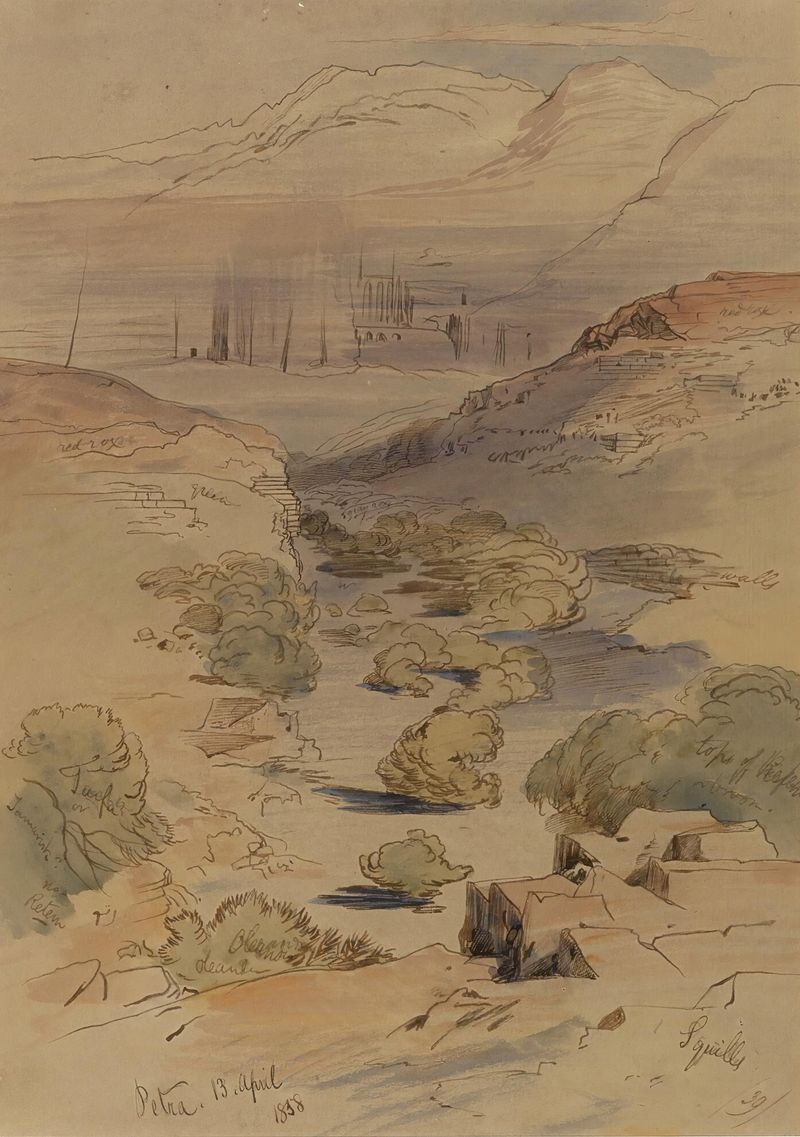
Petra
Edward Lear
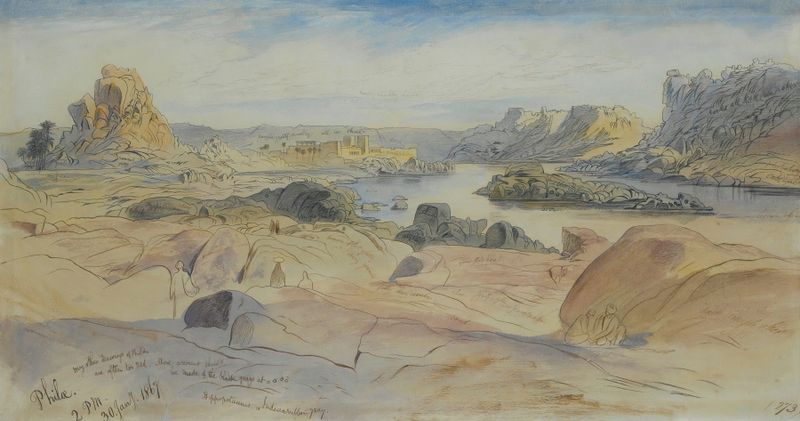
Philae, Egypt
Edward Lear
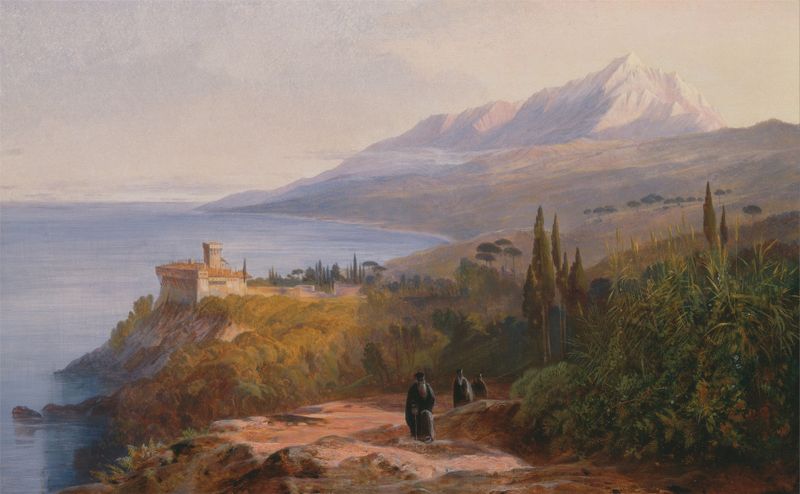
Mount Athos and the Monastery of Stavronikétes
Edward Lear
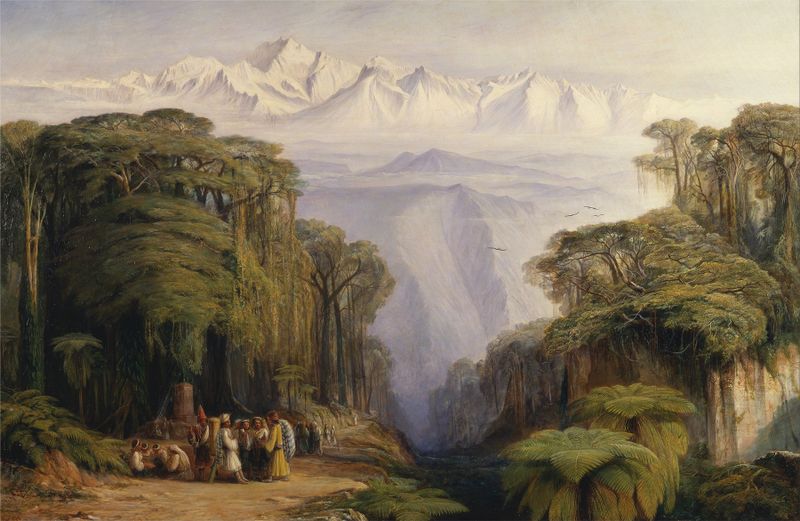
Kangchenjunga from Darjeeling
Edward Lear
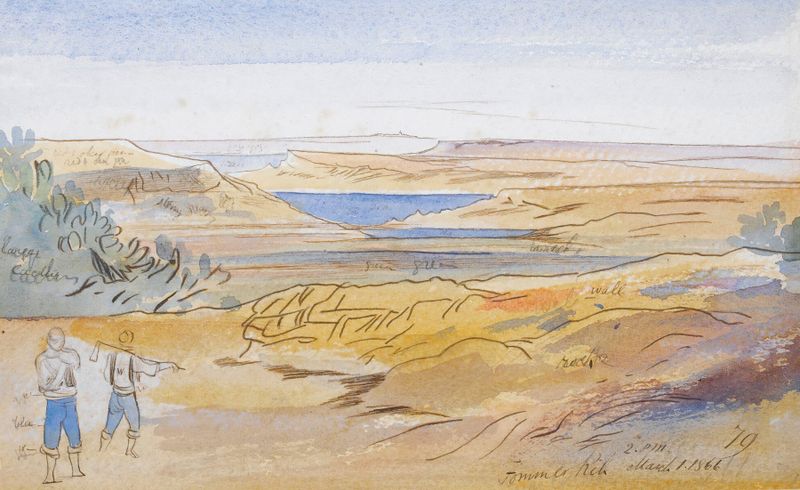
Fomm Ir-Rih, Malta
Edward Lear
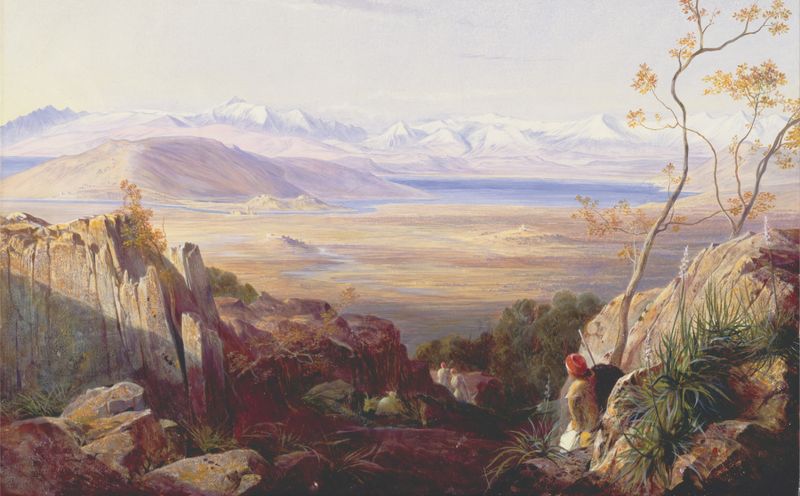
Butrinto, Albania
Edward Lear
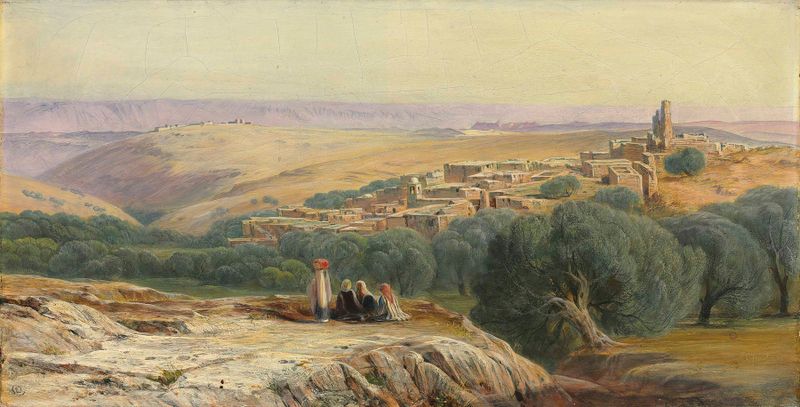
The Plains of Bethany
Edward Lear

Karnak, 9-30 pm, 22 January 1867
Edward Lear
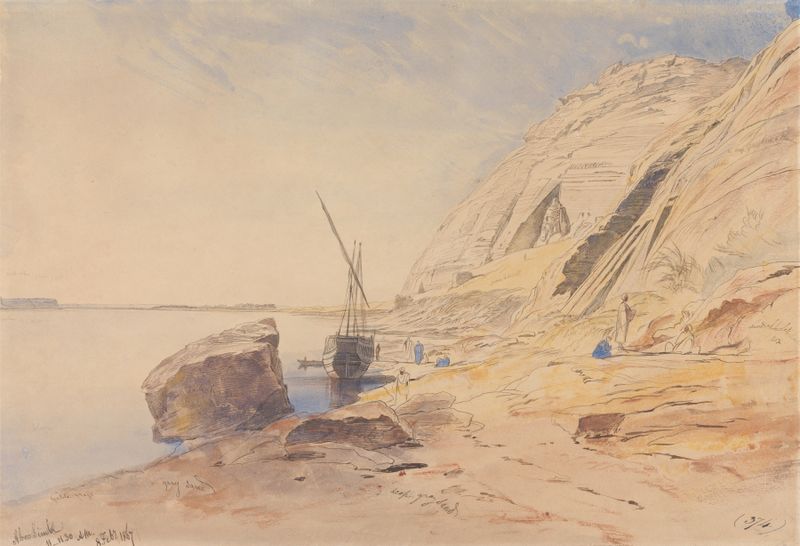
Abu Simbel, 11-11;30 am, 8 February 1867 (374)
Edward Lear

A View Of Mount Athos And The Pantokrator Monastery, Greece
Edward Lear