
Trees and house, Provence — History & Facts
Is this a mirror — or a memory? In Cézanne's world, the line between the two blurs, enveloping the viewer in a realm of rebirth and renewal. Focus on the left side of the canvas where the sturdy trees rise, their thick trunks anchoring the composition against the soft, rolling hills. Notice how the dappled light filters through the foliage, casting a mosaic of shadows on the rustic house nestled below. The delicate brushstrokes convey a palpable tension, as if the landscape is breathing, its colors pulsating with life — vibrant greens, earthy browns, and warm ochres harmoniously dance across the surface. Yet, amidst this symphony of nature, there lies a contrast.
The house, with its muted tones, stands as a testament to human fragility against the backdrop of the eternal trees. Each brushstroke reveals not just the physical attributes of the scene, but also emotional undercurrents: the longing for permanence in the face of time's relentless passage. The interplay of light and shadow suggests a fleeting moment, a snapshot of existence that speaks to the heart of transformation and the cycles of life. Cézanne painted this piece in the summer of 1885, during a time when he was deeply engaged with the Impressionist movement while simultaneously seeking to forge his own path.
Living in Provence, he captured the essence of his surroundings, which was a sanctuary for his evolving style. The artwork reflects both his personal journey and the broader artistic currents of the period, emphasizing a search for stability in a world marked by constant change.
More Artworks by Paul Cezanne
Browse all →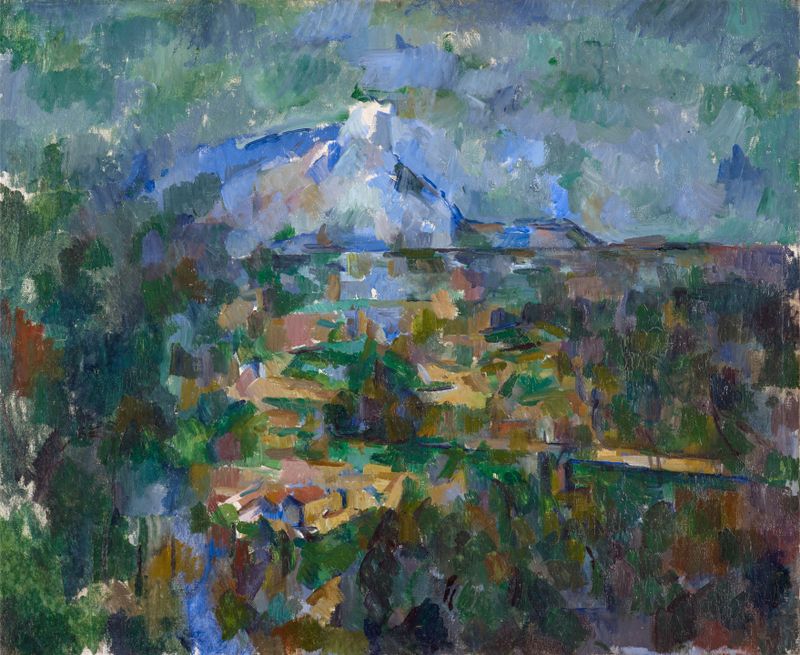
The Mont Sainte-Victoire Seen From Les Lauves
Paul Cezanne
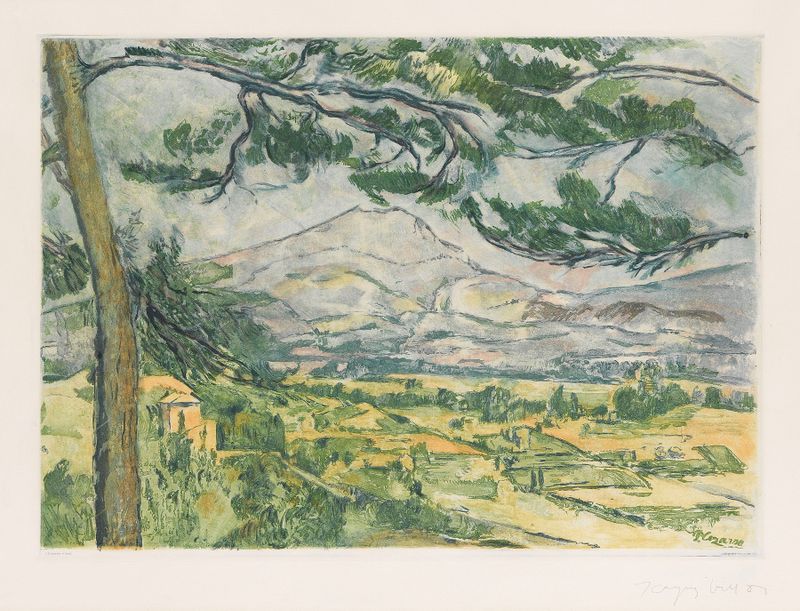
La Montagne Sainte-Victoire
Paul Cezanne
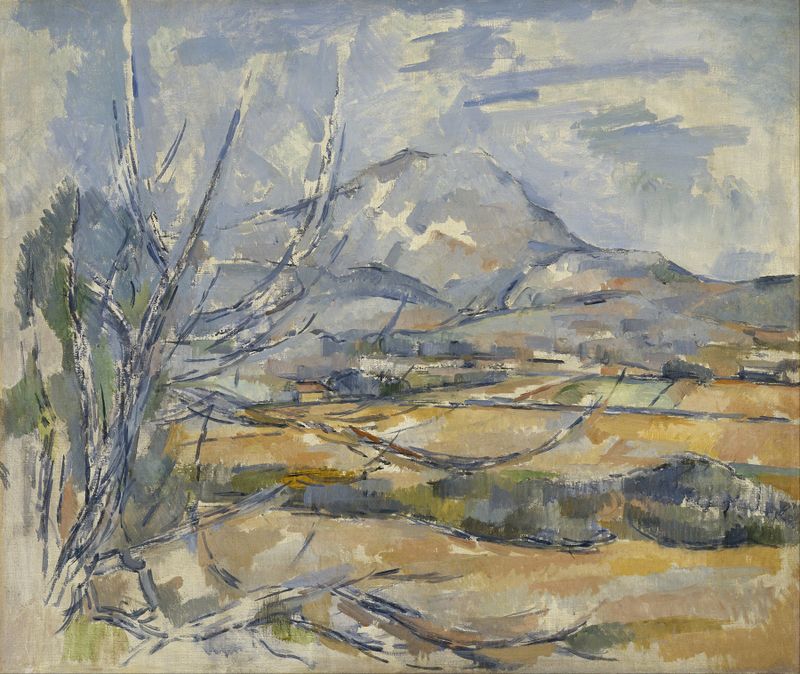
Montagne Sainte-Victoire
Paul Cezanne
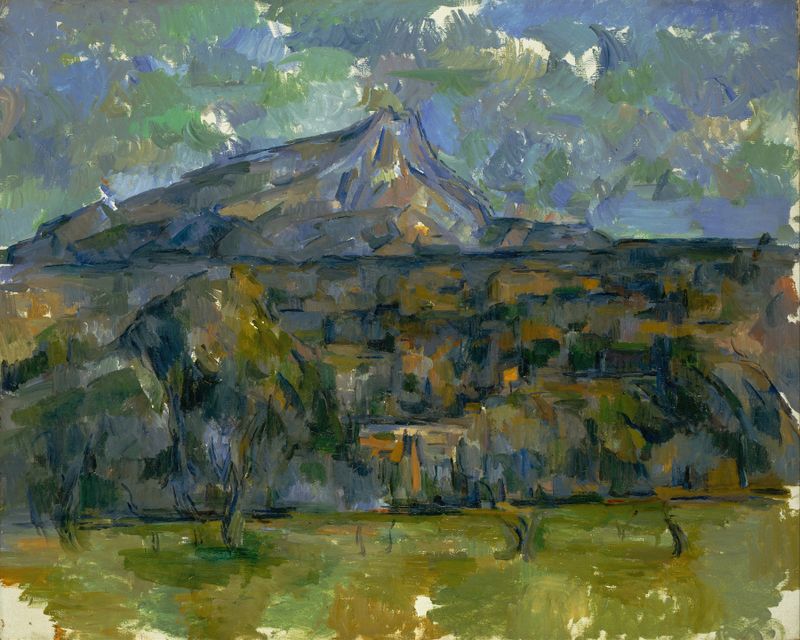
Mont Sainte-Victoire
Paul Cezanne
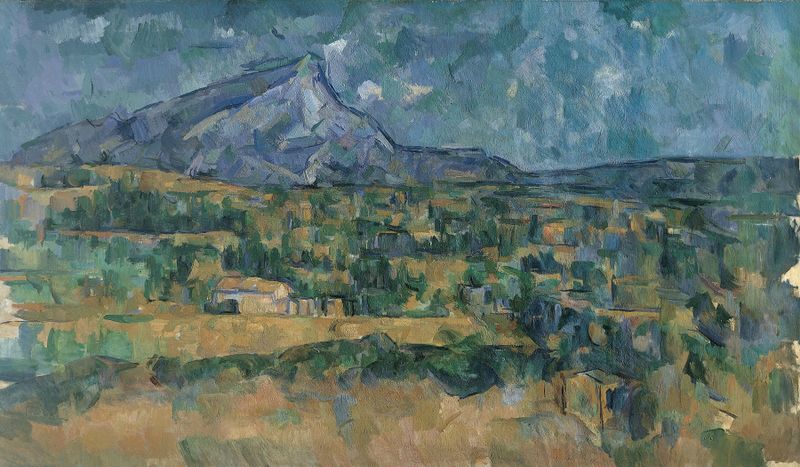
Mont Sainte-Victoire
Paul Cezanne
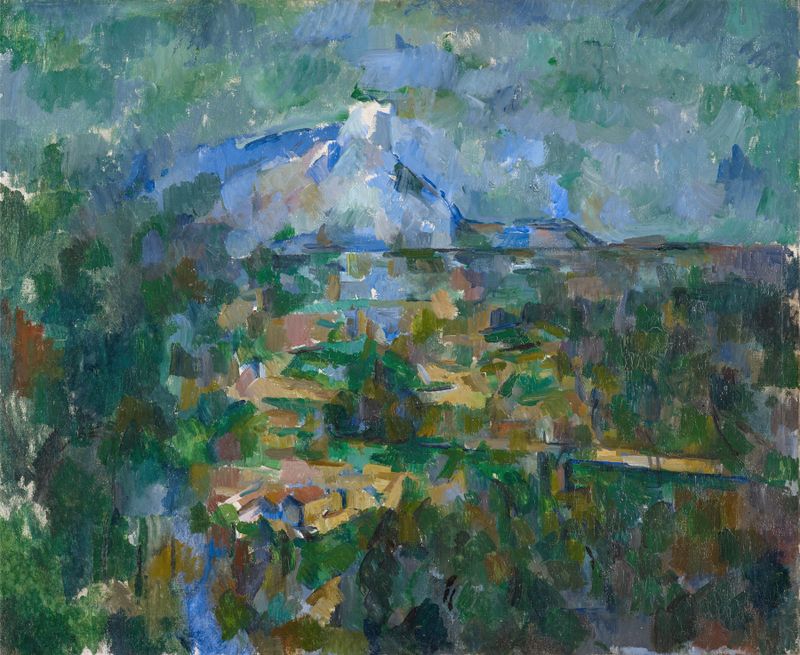
View of Mount Sainte-Victoire from Les Lauves
Paul Cezanne
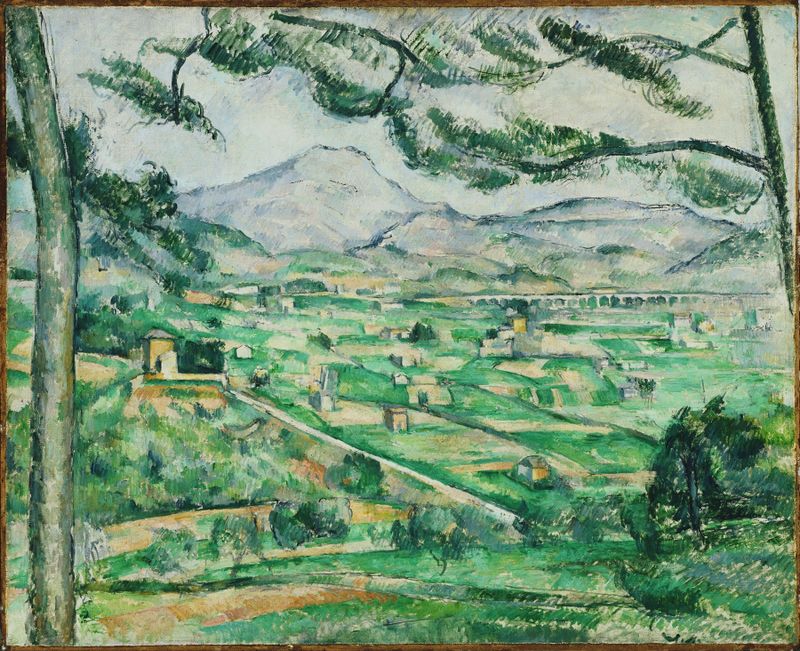
Mont Sainte-Victoire 2
Paul Cezanne

The Basket of Apples
Paul Cezanne

Mount Sainte-Victoire
Paul Cezanne
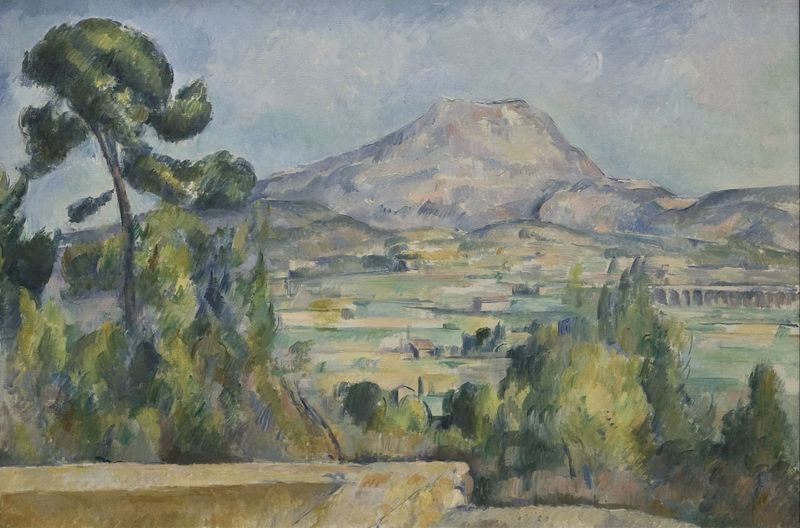
Montagne Saint-Victoire
Paul Cezanne





