
Triptych: The Last Judgment — History & Facts
In the 1430s, the city of Florence was alive with anticipation for the feast of All Saints, and it was for the Dominican friars of the Convent of San Marco that Fra Angelico painted his Triptych: The Last Judgment. What makes this work remarkable is that it stands among the earliest Florentine depictions of the Last Judgment in a portable triptych format, likely intended for private devotion or a small chapel rather than a grand public altar. Its compact size and folding wings suggest it was designed for contemplation, allowing viewers to close and open the drama of salvation at will—a rare intimacy for such a monumental theme. At the heart of the triptych, Christ sits enthroned as judge, his right hand raised in blessing and his left lowered in condemnation, dividing the blessed from the damned.
Angels trumpet the resurrection, while the Virgin and saints kneel in intercession. On Christ’s right, the saved ascend serenely toward a walled garden—Paradise—where angels welcome them; on his left, the damned are driven by demons into a chaotic hell, their gestures twisted in terror. The gold background and delicate, jewel-like colors recall the International Gothic style, yet the clarity of narrative and the gentle expressions are unmistakably Fra Angelico.
Compared to the tumultuous horror of Giotto’s Last Judgment in Padua, Angelico’s vision is quieter, more hopeful—a painter’s faith in mercy as much as in justice. The precise early history of this triptych remains uncertain, but it is widely believed to have been commissioned for a Dominican context, reflecting Fra Angelico’s own life as a friar-artist. Over centuries, works like this were sometimes split, repainted, or moved as convents changed hands or were suppressed. Today, the Triptych: The Last Judgment is recognized as a key work from the artist’s mature period, when he was at the height of his powers and deeply involved in the decoration of San Marco.
Its survival in such complete form offers a rare window into the devotional practices and artistic innovations of fifteenth-century Florence, and into the spiritual world of Fra Angelico himself.
More Artworks by Fra Angelico

Condemnation of St Lawrence by the Emperor Valerian
Fra Angelico
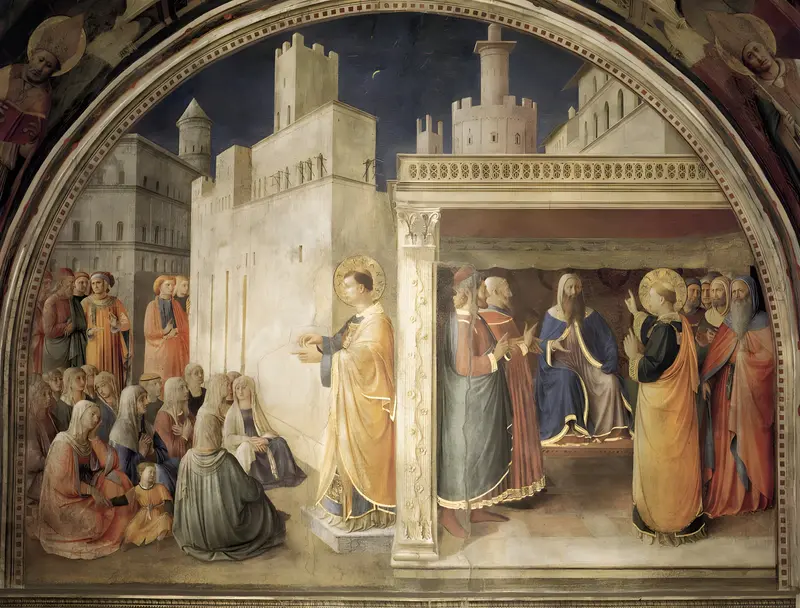
Lunette of the north wall
Fra Angelico
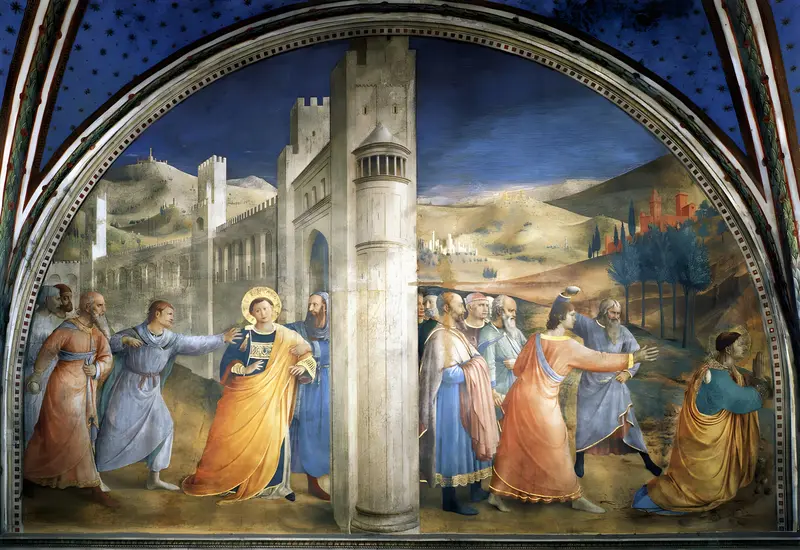
Lunette of the east wall in Niccoline Chapel
Fra Angelico
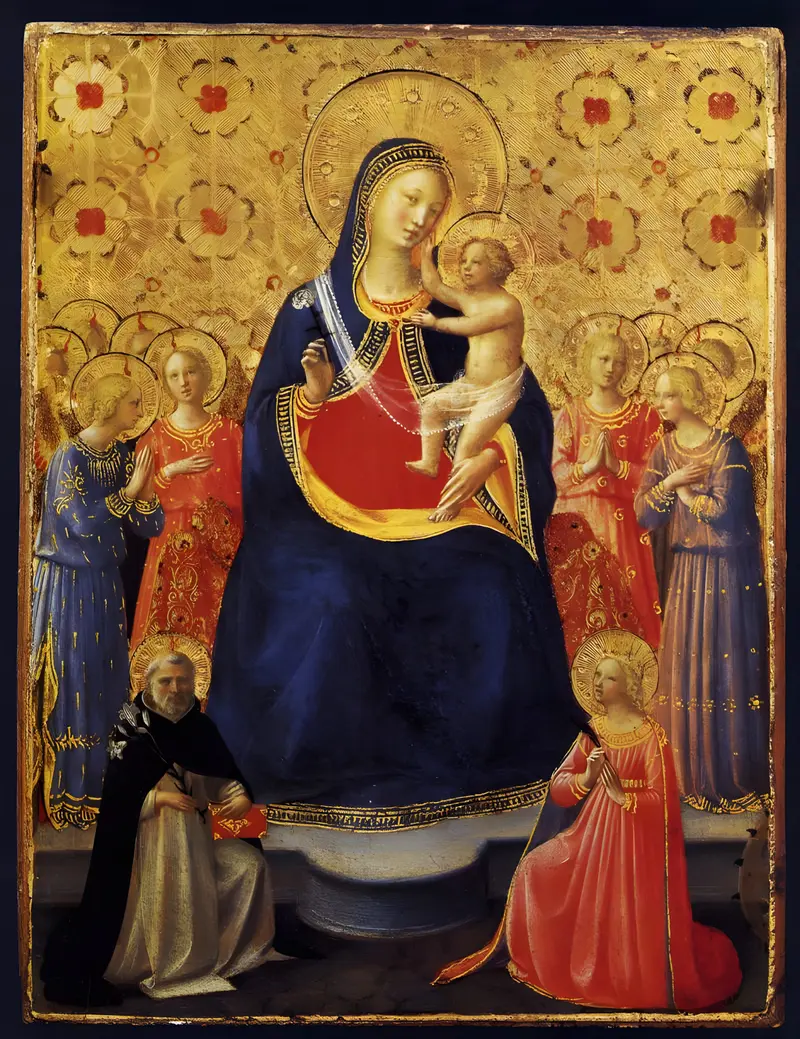
Madonna and Child Enthroned with Nine Angels and Saints Dominic and Catherine of Alexandria
Fra Angelico
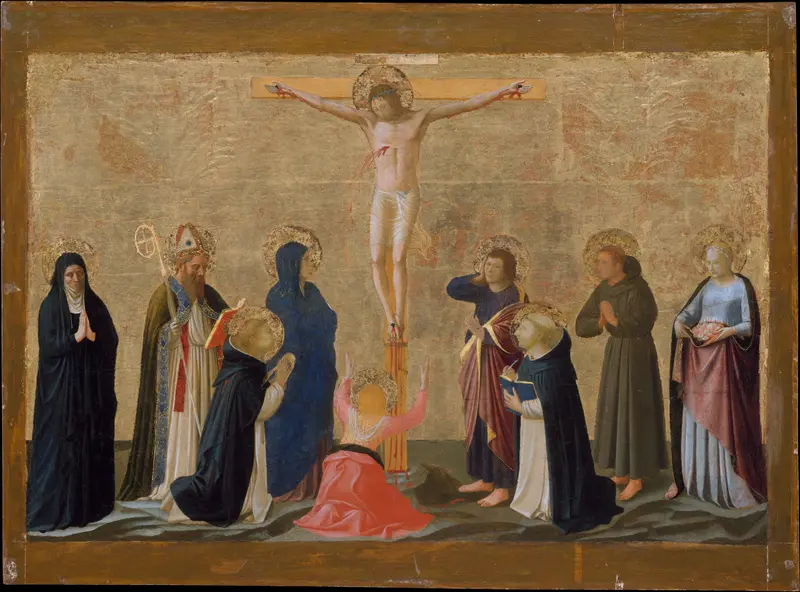
The Crucifixion
Fra Angelico
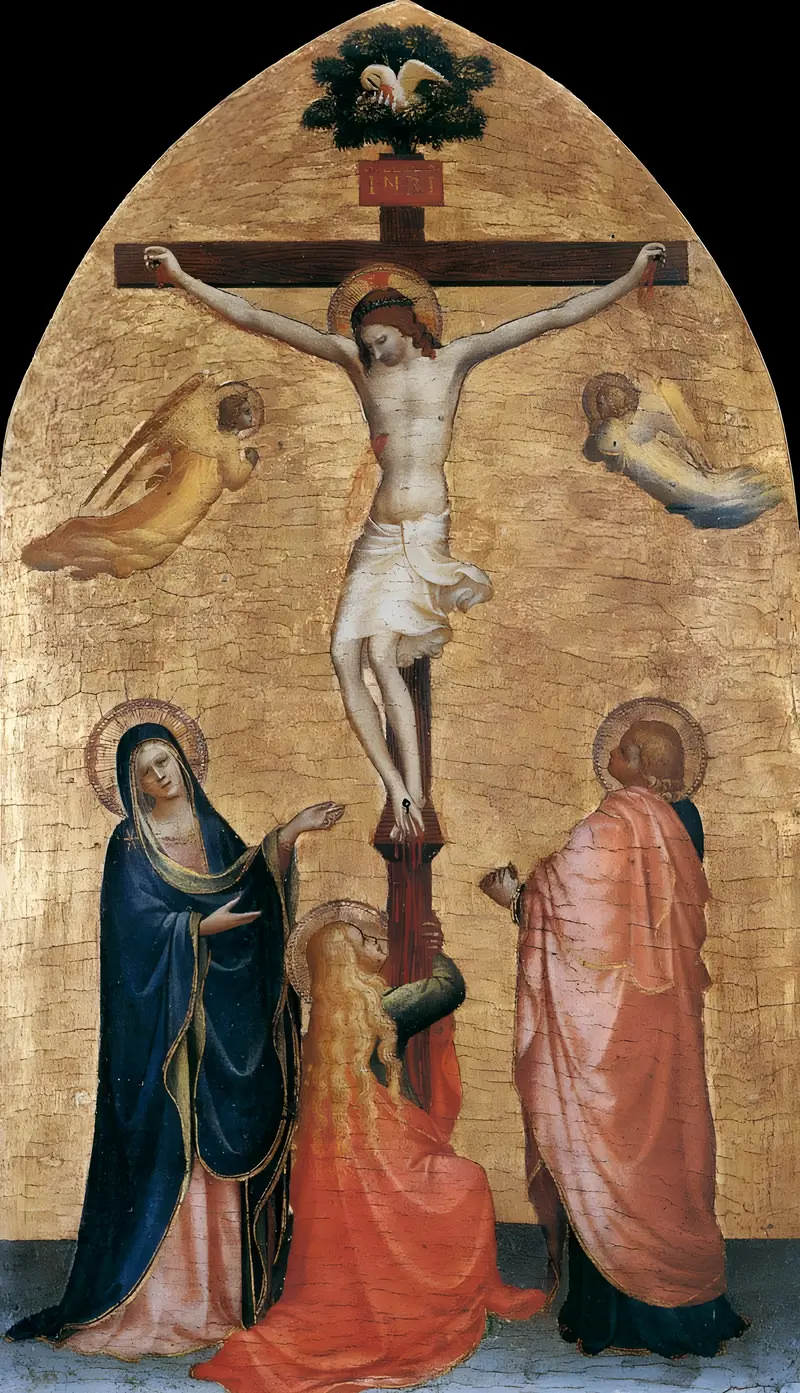
Crucifixion with the Virgin, John the Evangelist, and Mary Magdelene
Fra Angelico
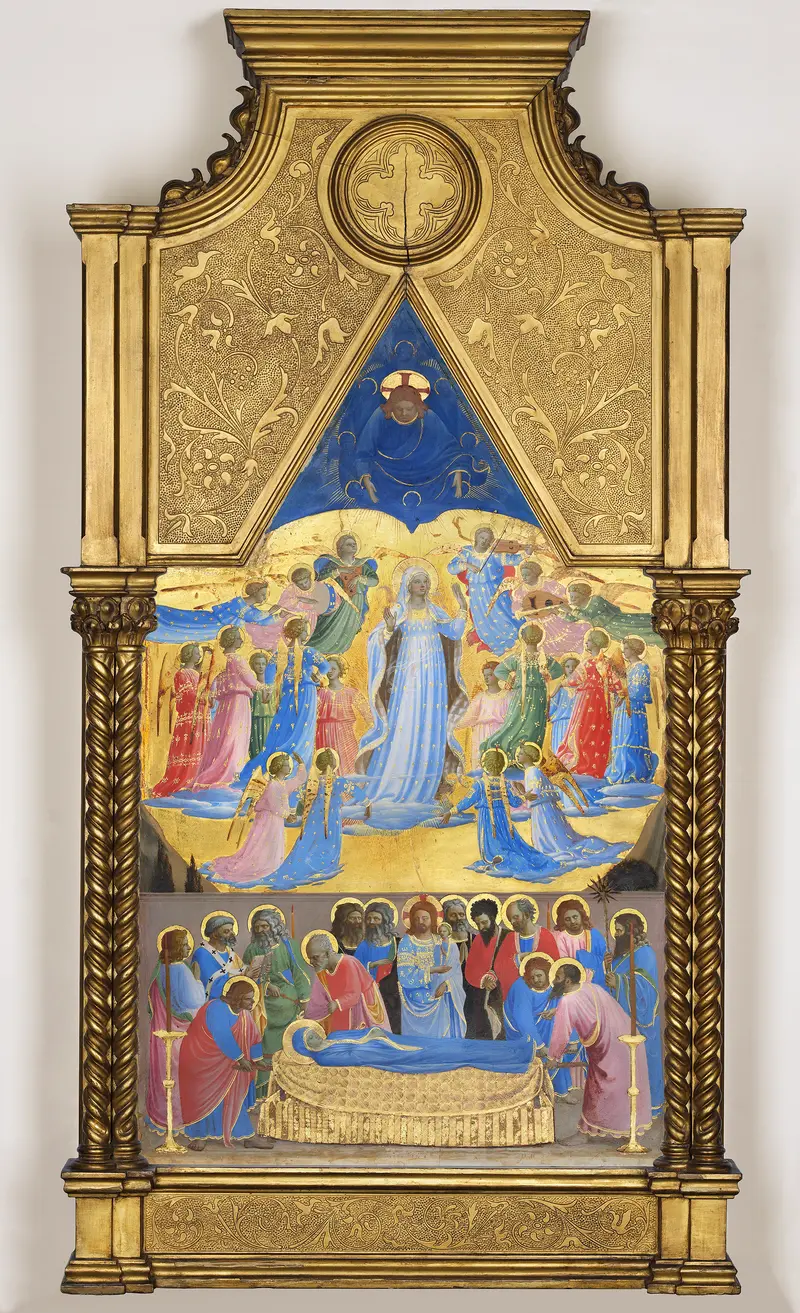
Dormition and Assumption of the Virgin
Fra Angelico
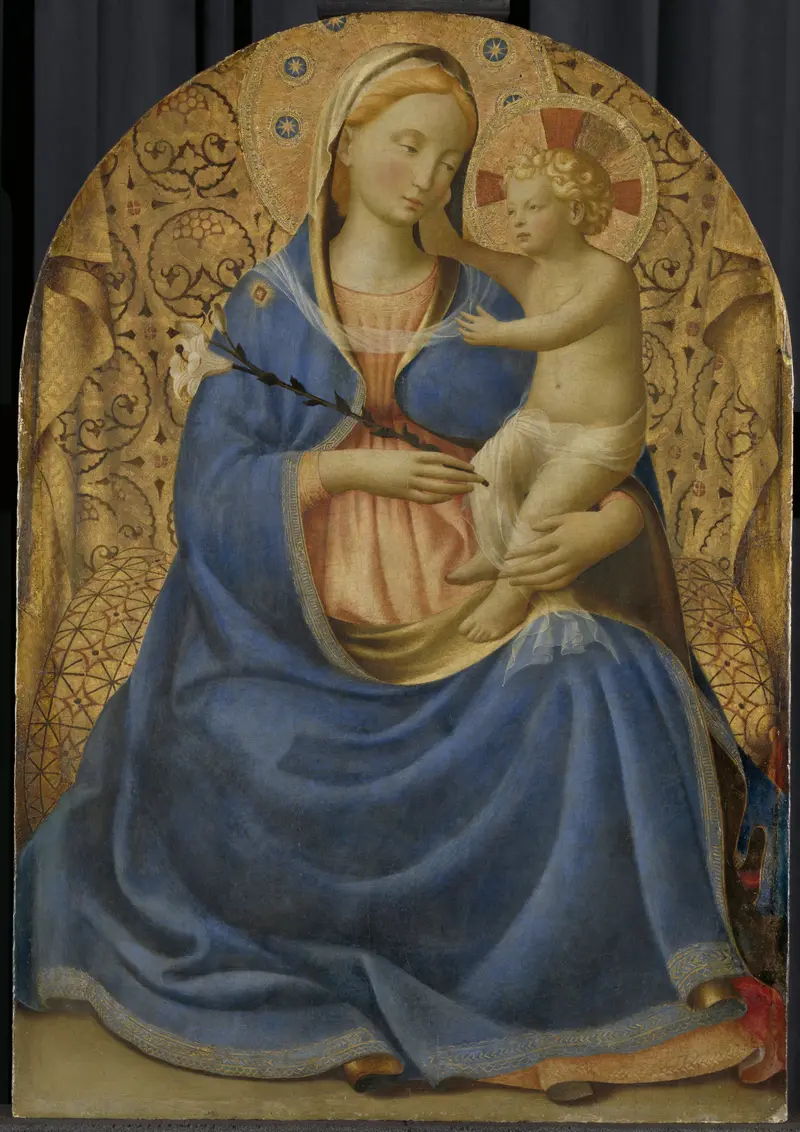
Madonna of Humility
Fra Angelico
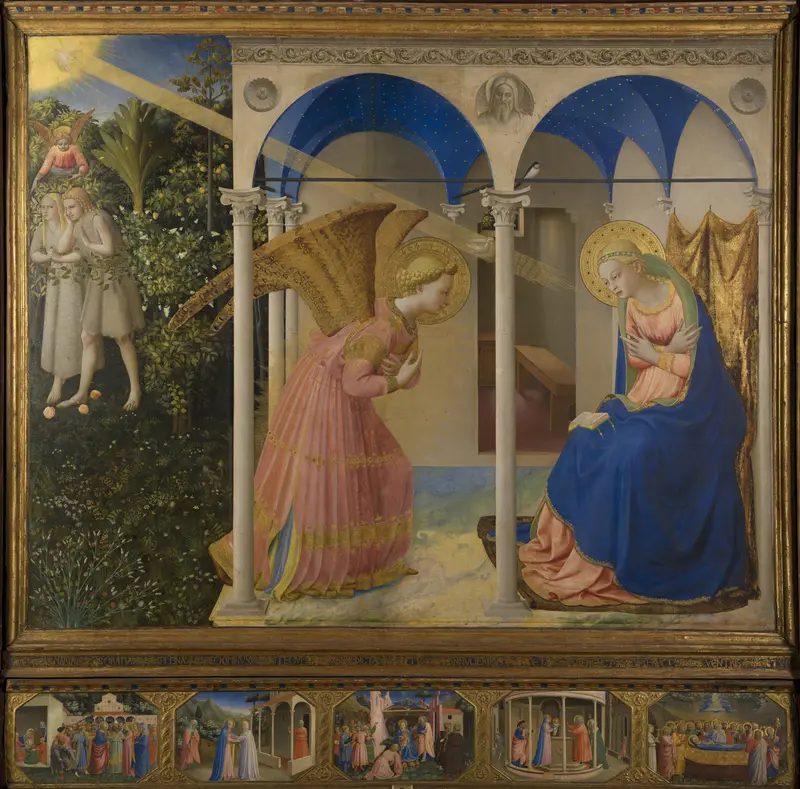
The Annunciation
Fra Angelico

Saint Anthony Abbot
Fra Angelico





