
Tuintrap bij Haddon Hall (Derbyshire) — History & Facts
In the stillness of a moment, the essence of faith resides within the strokes of a brush, captured for eternity. What does it mean to trust? To believe in the unseen and to find beauty in the quiet spaces of nature and architecture alike? Look to the left at the winding staircase, its weathered stone inviting you upward, beckoning exploration. Notice how sunlight filters through the surrounding foliage, casting delicate patterns of light and shadow that dance across the steps.
Each brushstroke reveals the artist's mastery over texture and color, from the rich greens of the trees to the earthy tones of the stone, creating an inviting yet contemplative atmosphere. Yet, beneath the surface lies a complex interplay of faith and uncertainty. The staircase symbolizes a journey, perhaps one of both physical ascent and spiritual elevation. The lush surroundings embrace the structure, hinting at nature’s triumphant reclamation, while the clouded sky above suggests the unpredictability of life—a reminder that faith is often tested in the face of doubt.
The essence of quiet contemplation permeates the scene, inviting viewers to ponder their own journeys. David Cox painted Tuintrap bij Haddon Hall between 1831 and 1859, a period marked by the rise of Romanticism in England. As he navigated the shifting tides of the art world, he found solace in landscapes and architecture, believing in their power to evoke emotion and connection. At this time, he was establishing himself as a leading landscape artist, channeling his experiences and observations into works that honor the intimate relationship between humanity and the natural world.
More Artworks by David Cox
Browse all →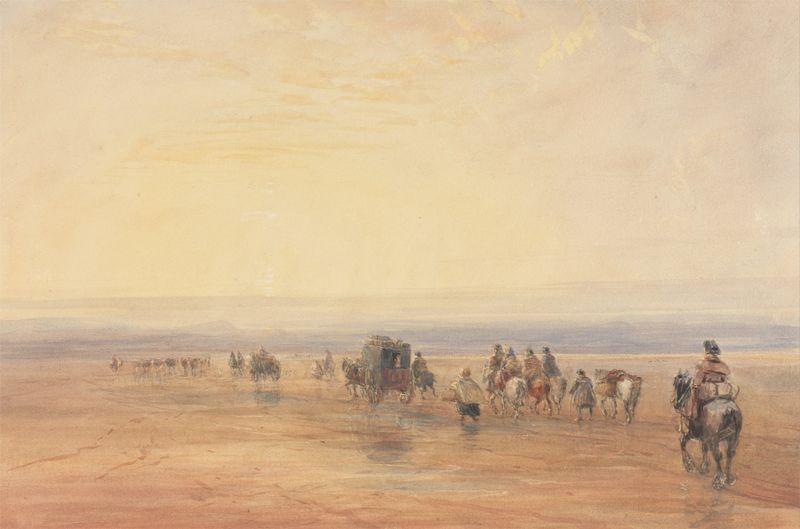
Crossing Lancaster Sands
David Cox
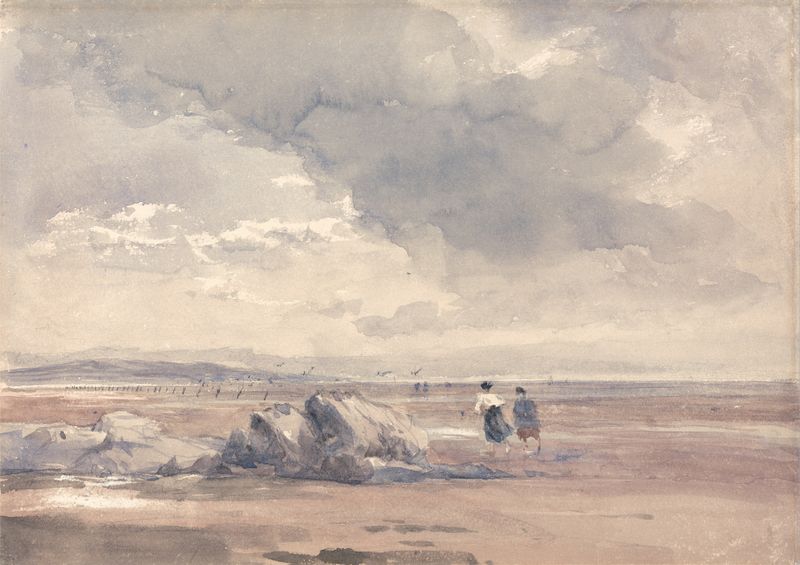
On Lancaster Sands, Low Tide
David Cox

Lincoln Cathedral from Brayford Pool
David Cox

View in Wales
David Cox
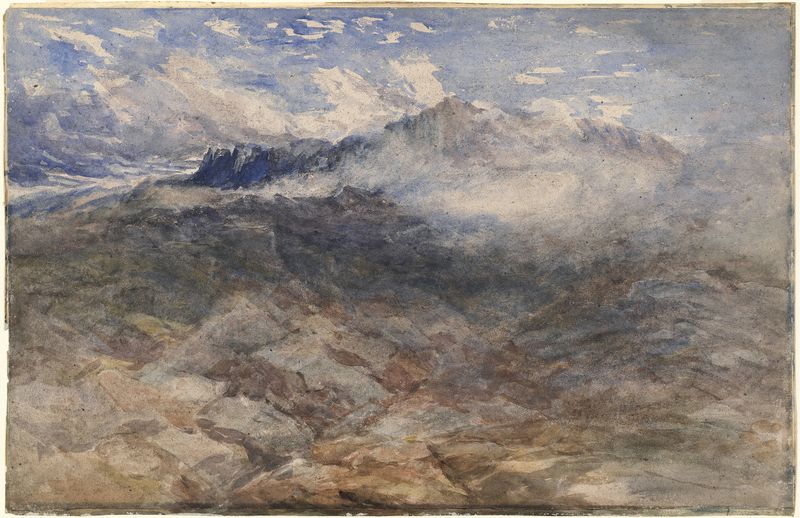
Mountain Heights, Cader Idris
David Cox

Bergen op Zoom
David Cox

Boating Before Lambeth Palace, London
David Cox
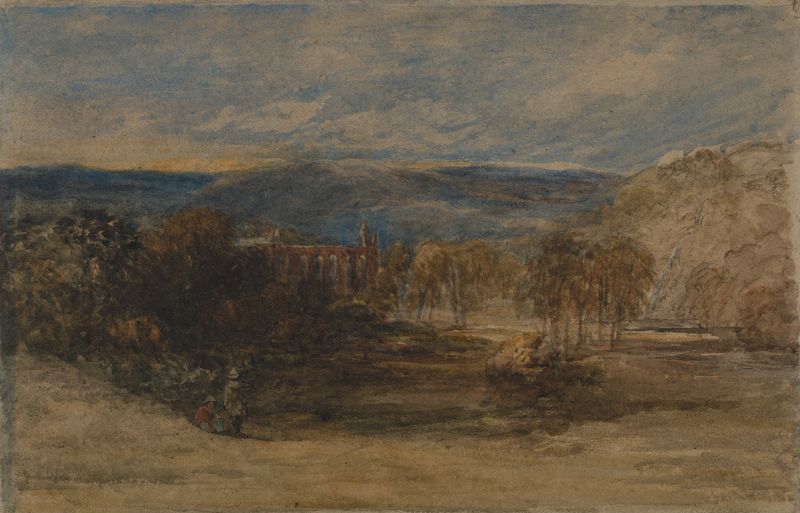
Bolton Abbey
David Cox

London Bridge
David Cox
Westminster from Lambeth
David Cox





