
Turkish Woman Smoking — History & Facts
A languid figure, half-reclined against the sun-bleached wall, draws the viewer into a private moment suspended between leisure and indifference. The woman's gaze, direct yet distant, meets us from beneath a pastel headscarf, her posture loose and unguarded as she balances a cigarette between her fingers. The light, soft and diffuse, glances off her gauzy garments and bare feet, drawing attention to the relaxed sprawl of her body and the subtle gold of her jewelry.
Behind her, the shadowed doorway hints at another presence—another woman, half-hidden, also smoking—suggesting a quiet camaraderie or a shared ritual. The cracked plaster and sparse foliage set a mood of faded elegance, while the artist’s brush lingers on the textures of stone, fabric, and skin, inviting the eye to linger as well. Painted in 1887, Turkish Woman Smoking belongs to a world fascinated by the allure of the “Orient”—a term Europeans of the nineteenth century used for lands stretching from North Africa to the Middle East. Artists like Theodoros Ralli built careers on scenes that promised glimpses into private, exoticized lives, catering to collectors eager for images of languor and luxury far from home.
Such works were rarely painted for local audiences; instead, they were destined for the salons and drawing rooms of Paris or London, where they fed fantasies of difference and desire. Little is recorded about the specific journey of this painting, but its date and subject place it squarely within the Orientalist current that swept European art in the late nineteenth century. The longer you look, the more the painting reveals—not just about its sitters, but about the world that wanted to imagine them this way.
More Artworks by Theodoros Ralli

The Sleeping Concubine
Theodoros Ralli
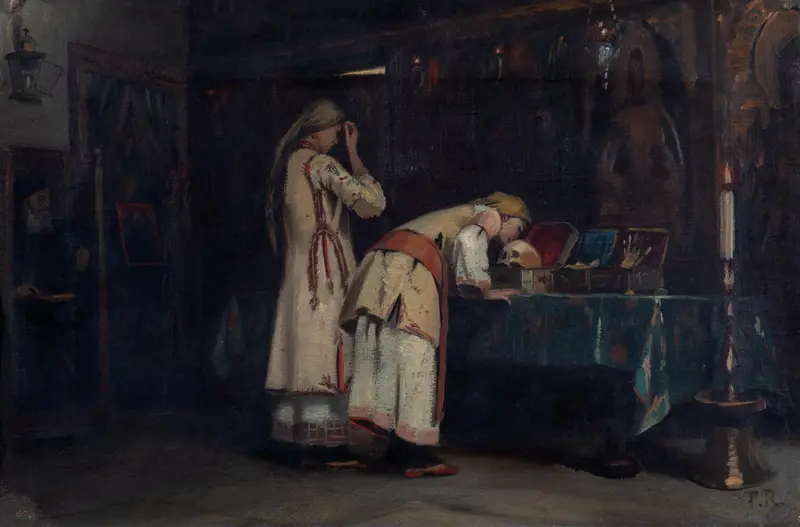
Holy Relics
Theodoros Ralli
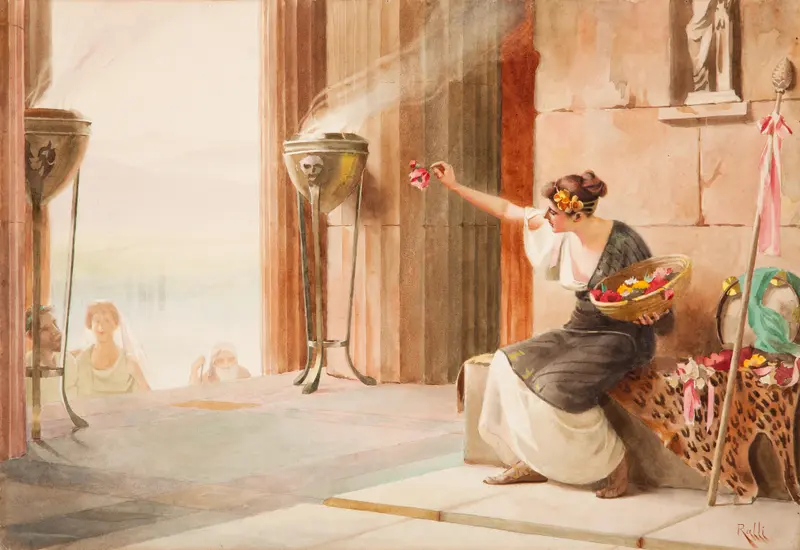
Flower Seller at the Parthenon
Theodoros Ralli
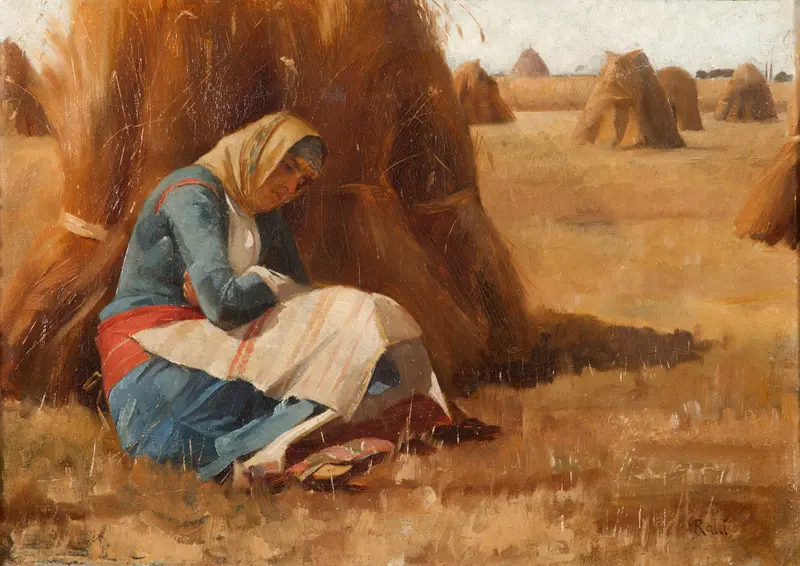
Resting by a Haystack
Theodoros Ralli
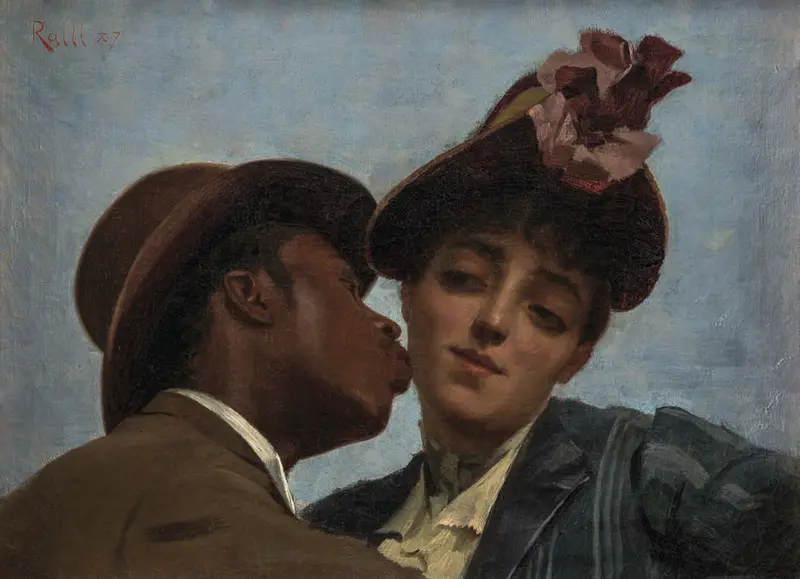
The Kiss (Ralli)
Theodoros Ralli
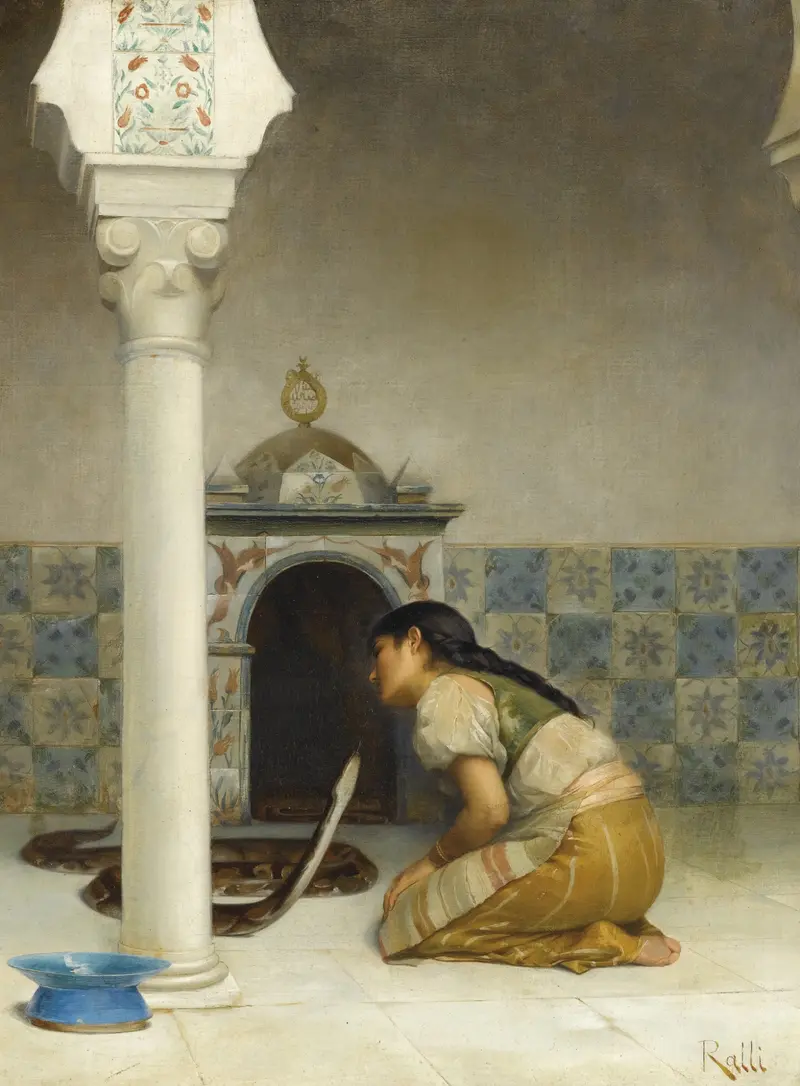
The Sacred Serpent
Theodoros Ralli
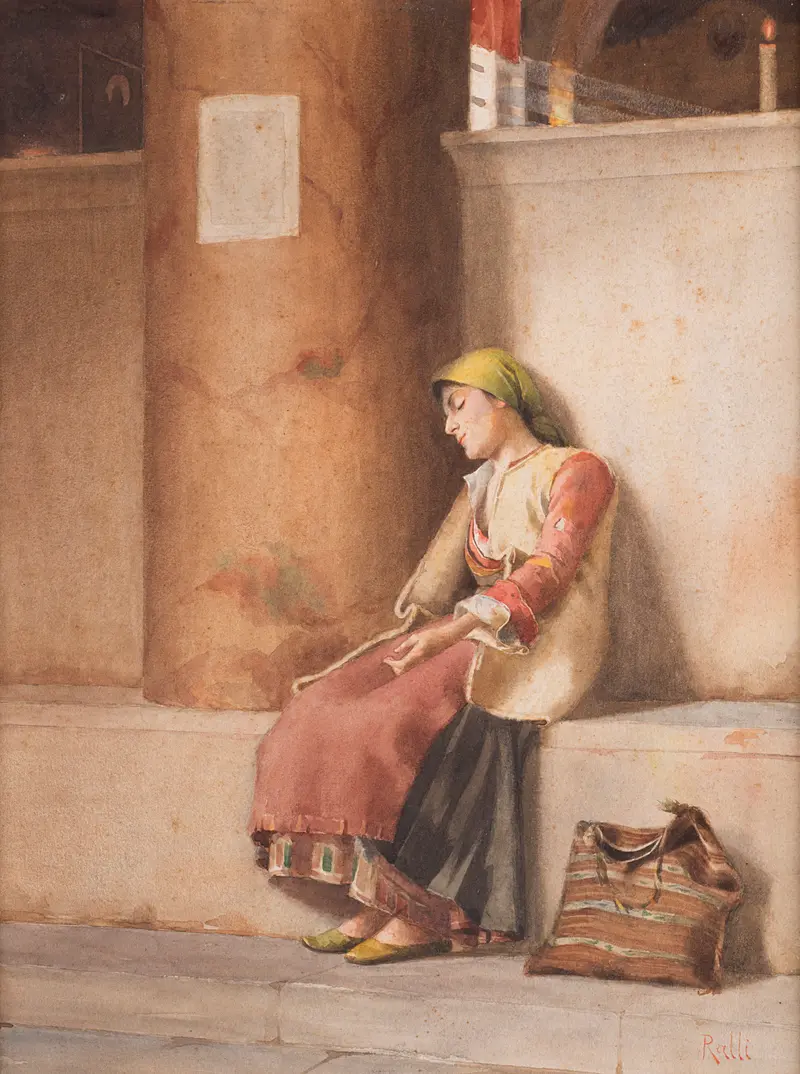
A Moment of Reflection
Theodoros Ralli
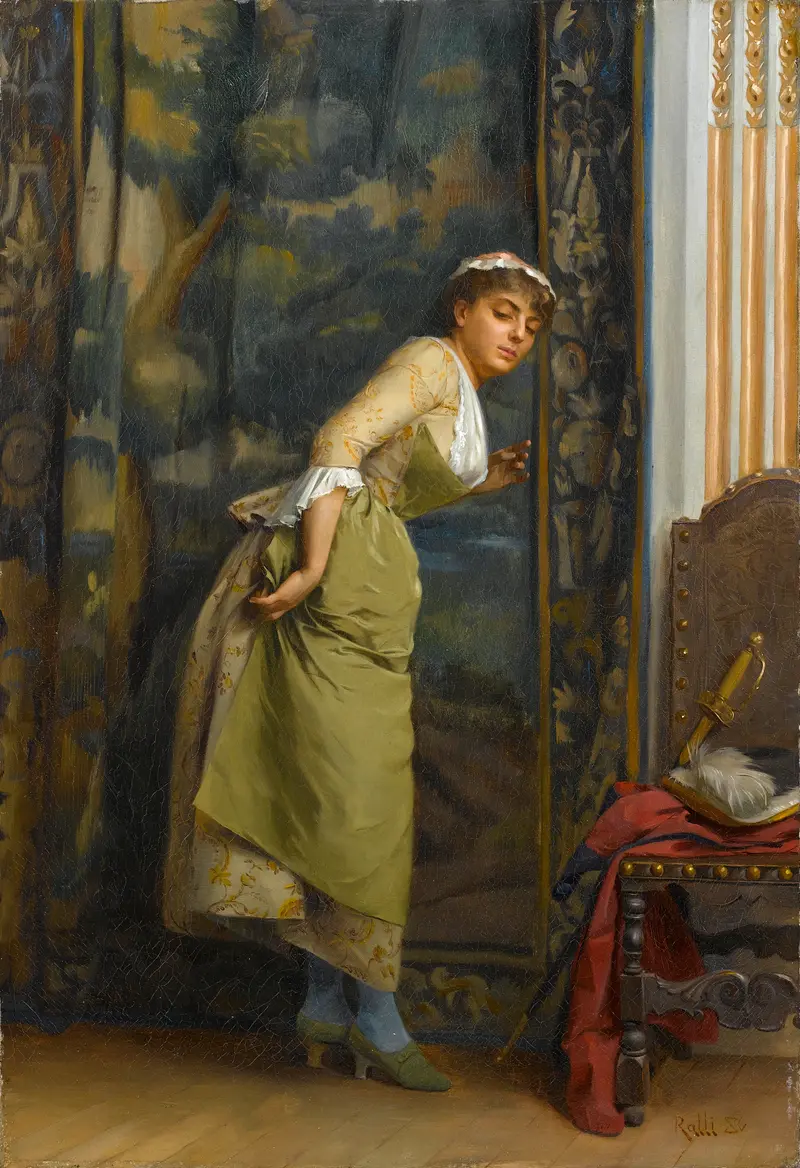
Eavesdropping (Ralli)
Theodoros Ralli
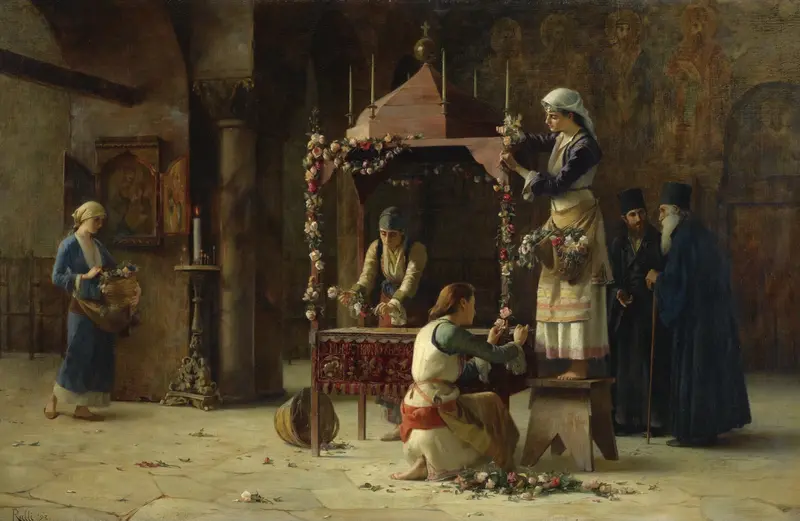
Holy Friday, Greece
Theodoros Ralli
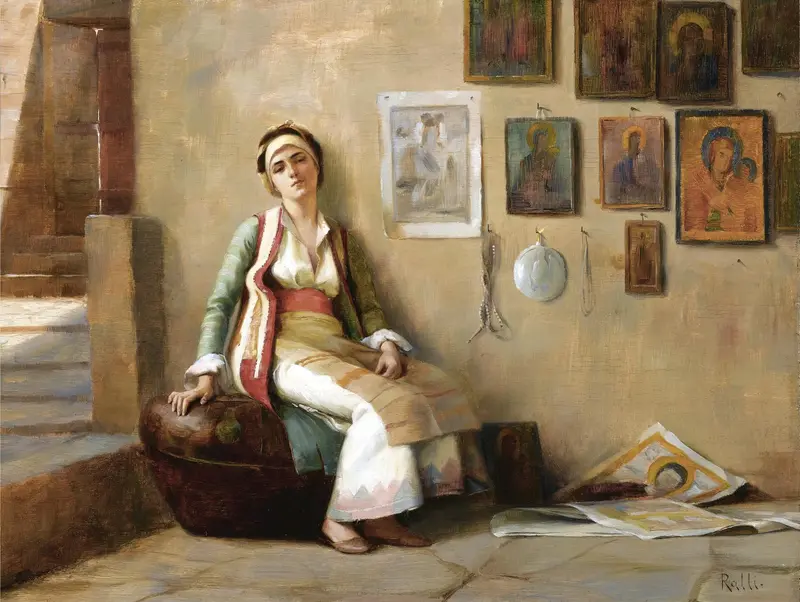
A Moment's Rest
Theodoros Ralli
More Genre Scene Art

Banquet of the Officers of the St George Civic Guard
Frans Hals

Rembrandt and Saskia in the Scene of the Prodigal Son
Rembrandt van Rijn

Bal du moulin de la Galette
Pierre-Auguste Renoir

Quadrille at the Moulin Rouge
Henri de Toulouse-Lautrec

A Burial at Ornans
Gustave Courbet

When Will You Marry?
Paul Gauguin