
Turn in the Road — History & Facts
In a world shaped by chance and choice, how do we navigate the paths that unfold before us? The delicate balance of destiny and decision resonates in this evocative piece. Look to the left at the gentle curve of the road winding through the landscape, inviting you to follow its path. Notice the rich greens and earthy browns that breathe life into the scene, their hues layered with thoughtful brushstrokes. Cézanne's characteristic compositional style draws the eye toward the horizon, where trees bend and sway, their forms suggesting both solidity and movement.
The interplay of light and shadow dances across the road, amplifying the sense of depth and inviting introspection. In this work, the road symbolizes life's journey, a metaphor for choices made and directions taken. The trees, though strong, lean precariously as if caught between the past and an uncertain future, illustrating the tension inherent in every life decision. The textured strokes evoke a palpable weight, imbuing the scene with emotional intensity that reflects the inevitability of change. Created around 1881, this piece emerged during a pivotal time in Cézanne's career, as he developed his unique approach to color and form.
Working in Aix-en-Provence, he was grappling with the traditional conventions of Impressionism, striving to express his personal vision of reality. The painting reflects not only his artistic evolution but also the broader shift in the art world, where individual interpretation began to take center stage.
More Artworks by Paul Cezanne
Browse all →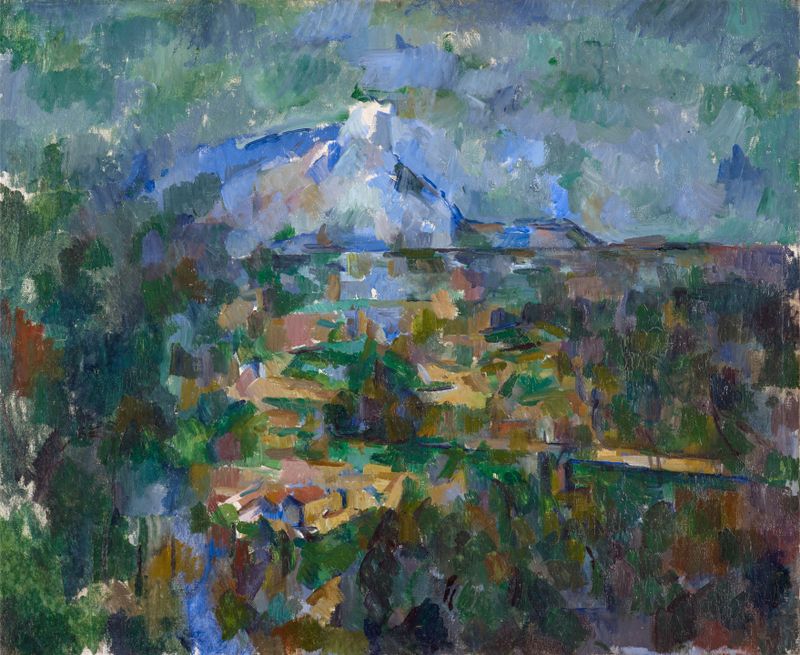
The Mont Sainte-Victoire Seen From Les Lauves
Paul Cezanne
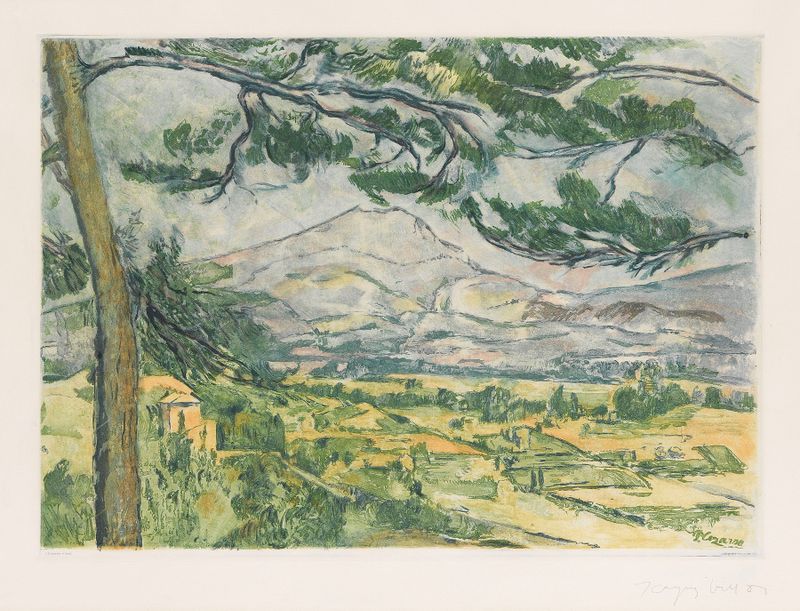
La Montagne Sainte-Victoire
Paul Cezanne
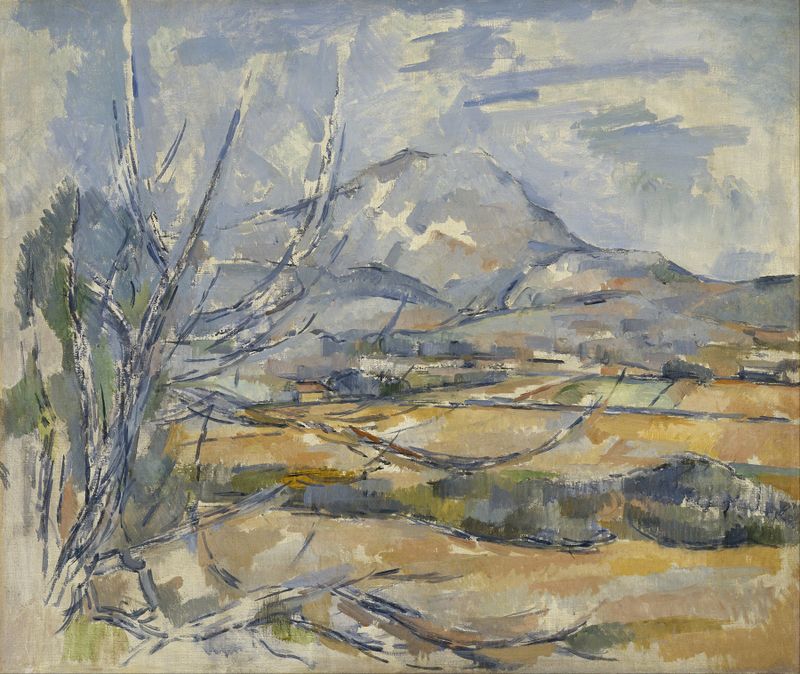
Montagne Sainte-Victoire
Paul Cezanne
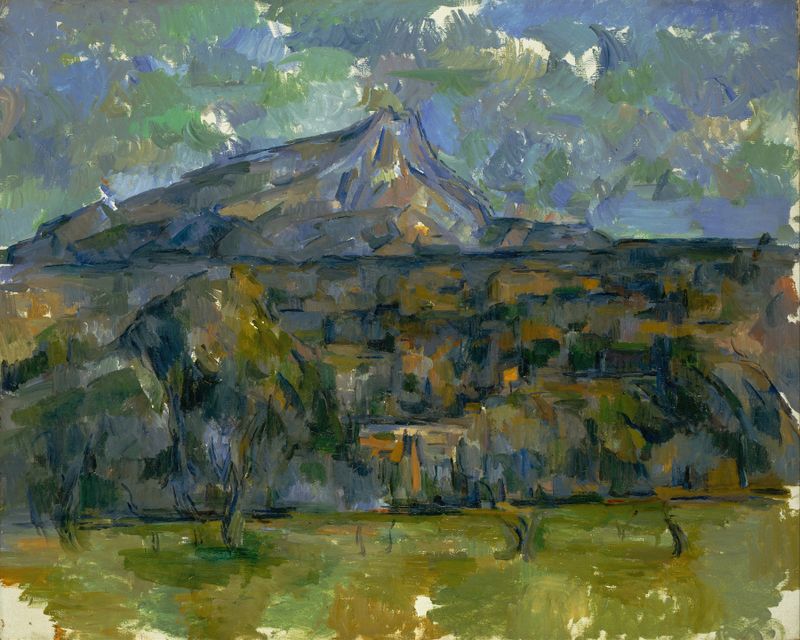
Mont Sainte-Victoire
Paul Cezanne
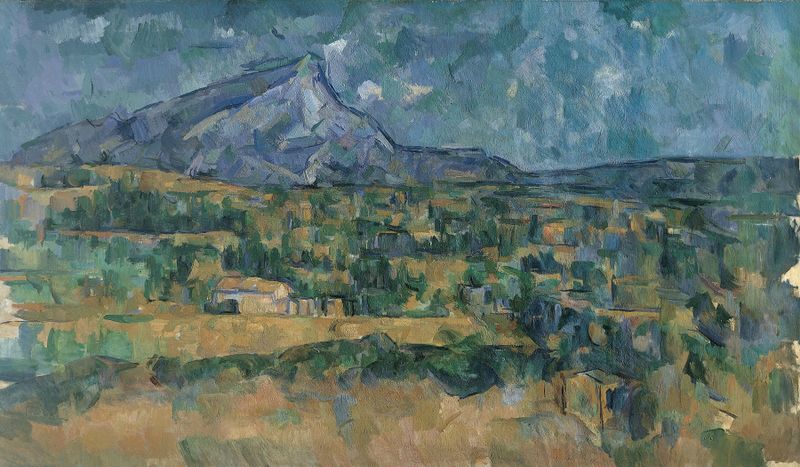
Mont Sainte-Victoire
Paul Cezanne
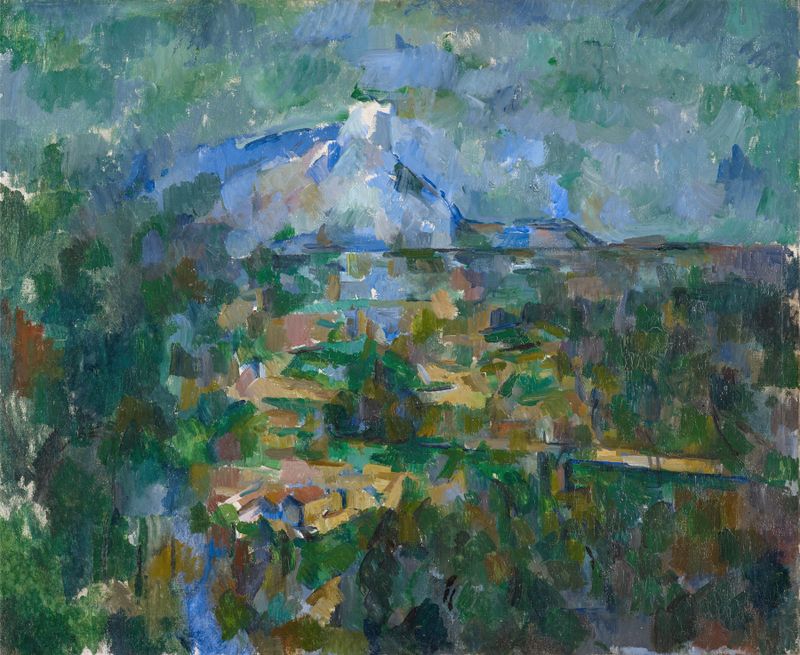
View of Mount Sainte-Victoire from Les Lauves
Paul Cezanne
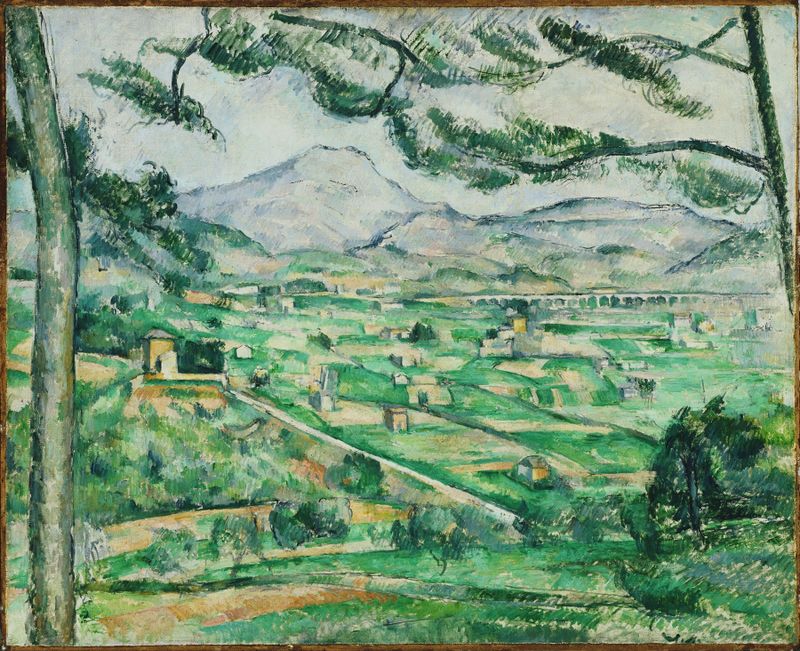
Mont Sainte-Victoire 2
Paul Cezanne

The Basket of Apples
Paul Cezanne

Mount Sainte-Victoire
Paul Cezanne
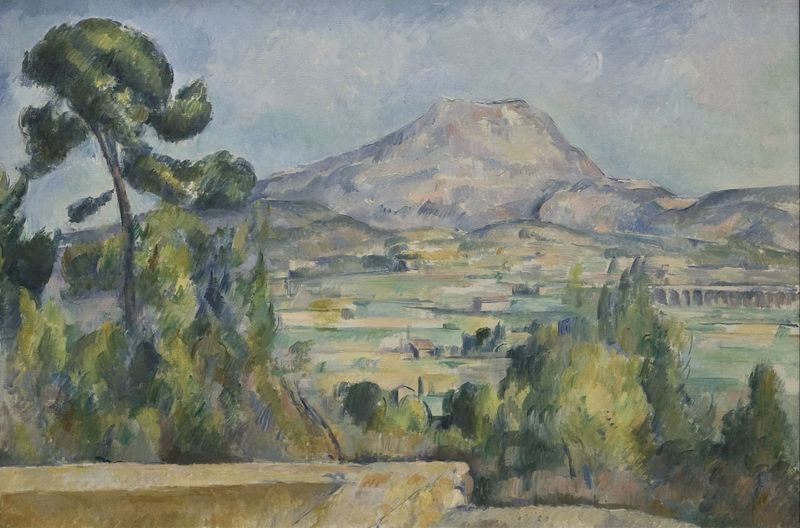
Montagne Saint-Victoire
Paul Cezanne





