
Turning Road at Montgeroult — History & Facts
In a world ever-changing, decay emerges not as an end, but as a poignant reminder of beauty's transience. Look to the left at the gentle curve of the road, winding through a landscape imbued with earth tones of deep greens and rustic browns. Notice how the brushstrokes, thick and textured, reveal the vitality of nature while hinting at its inevitable decline. The light filters through the foliage, casting dappled shadows that dance across the canvas, emphasizing the tension between the vibrancy of life and the silent whispers of decay. Delve deeper into the composition, where the interplay between the bending road and the surrounding trees conveys a sense of movement—a journey through time.
The juxtaposition of the robust earth against the soft fading sky captures the paradox of permanence and impermanence, inviting contemplation of what lies ahead as well as what has been left behind. Each stroke reveals a narrative of nature’s resilience amid entropy, reflecting an emotional landscape that resonates with longing. Cézanne created this work in 1898, during his time in Montgeroult, a retreat from Paris where he could fully immerse himself in the surrounding countryside. This period marked a critical transition in his artistic journey, as he sought to bridge Impressionism with the emerging Modernist movement.
Despite facing skepticism from critics, he remained dedicated to exploring the structures of nature, laying the groundwork for future generations of artists.
More Artworks by Paul Cezanne
Browse all →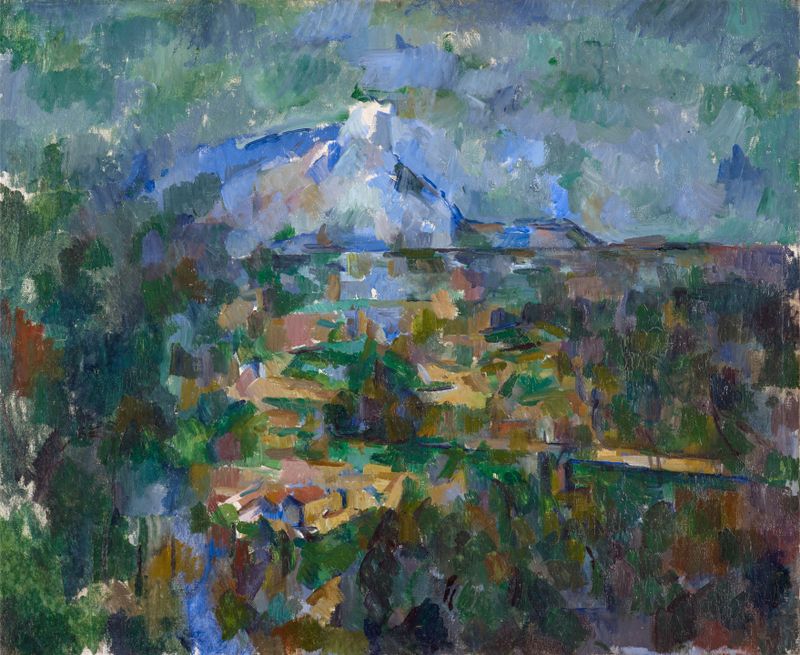
The Mont Sainte-Victoire Seen From Les Lauves
Paul Cezanne
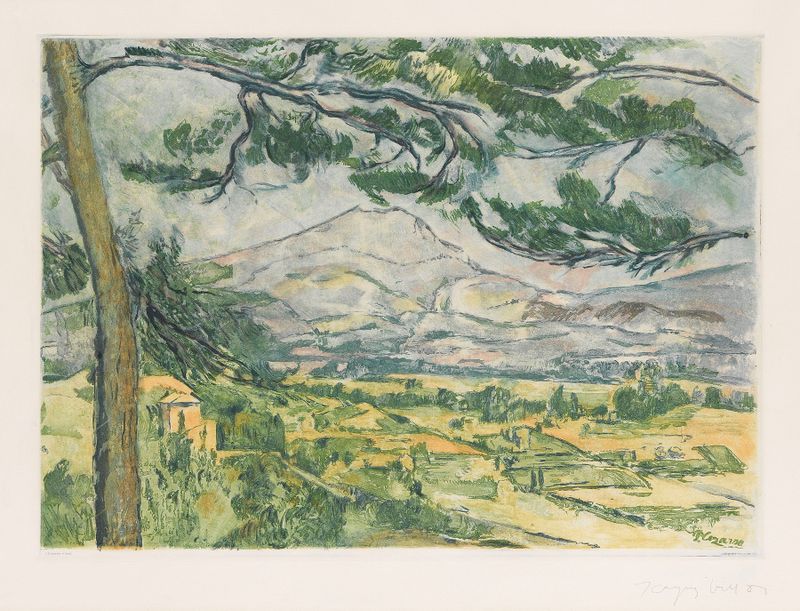
La Montagne Sainte-Victoire
Paul Cezanne
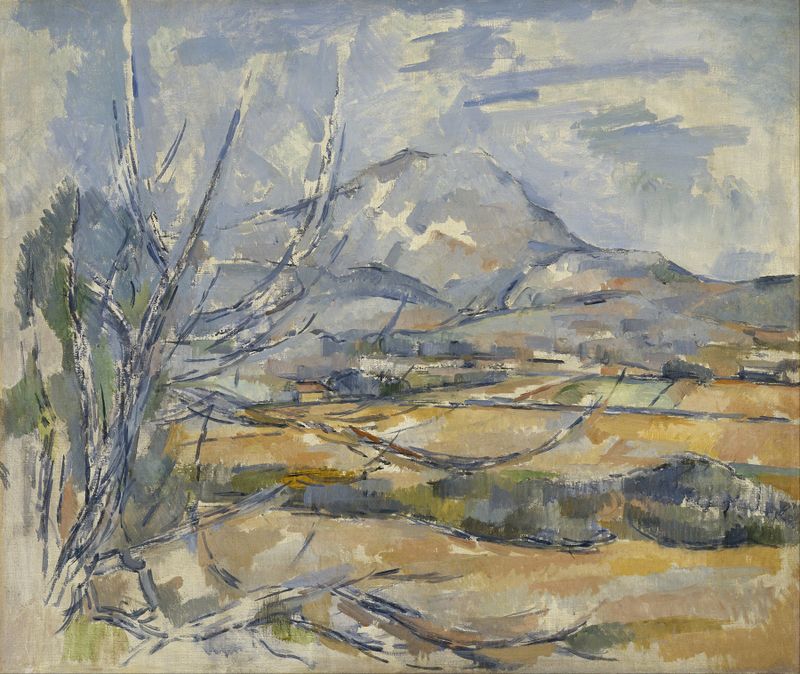
Montagne Sainte-Victoire
Paul Cezanne
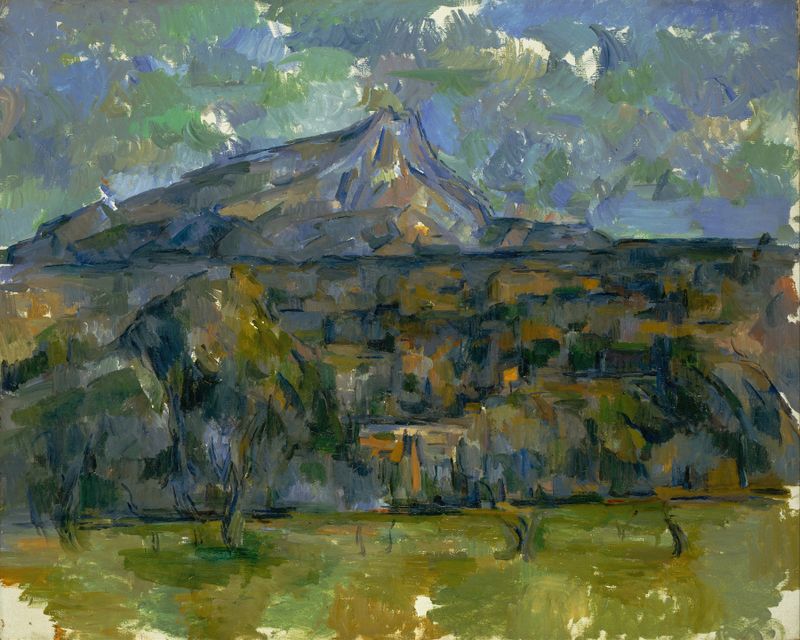
Mont Sainte-Victoire
Paul Cezanne
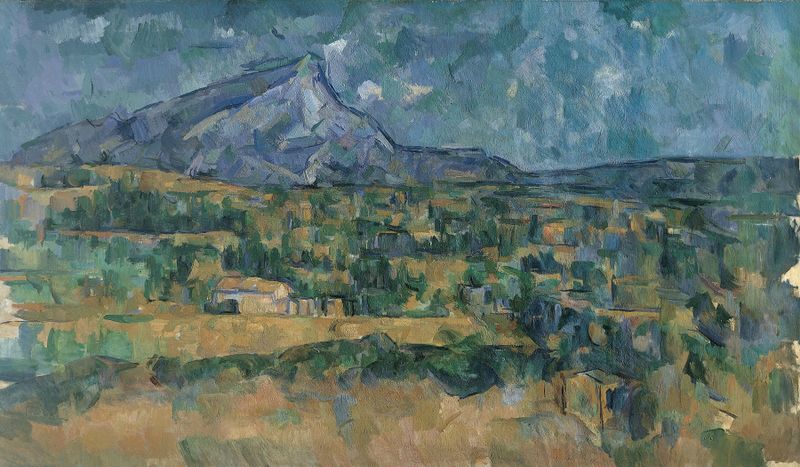
Mont Sainte-Victoire
Paul Cezanne
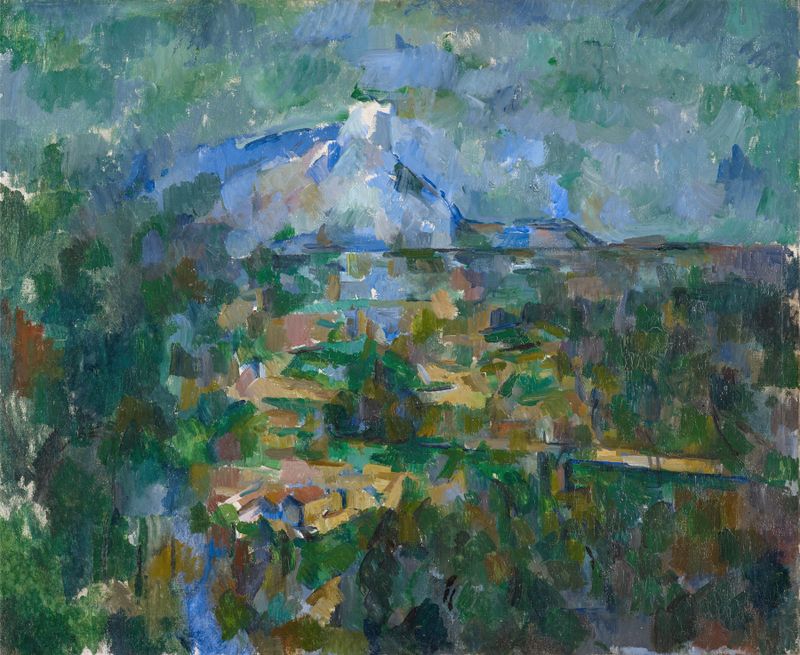
View of Mount Sainte-Victoire from Les Lauves
Paul Cezanne
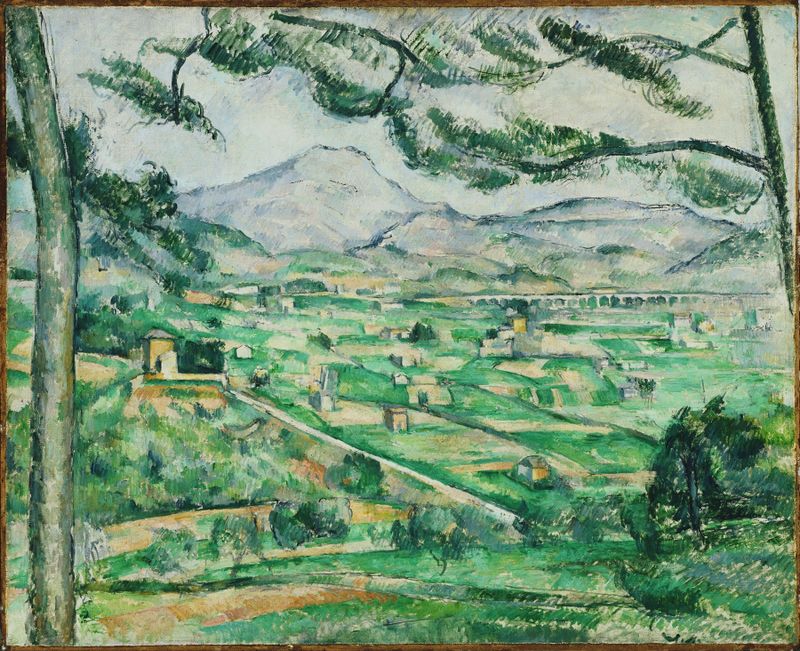
Mont Sainte-Victoire 2
Paul Cezanne

The Basket of Apples
Paul Cezanne

Mount Sainte-Victoire
Paul Cezanne
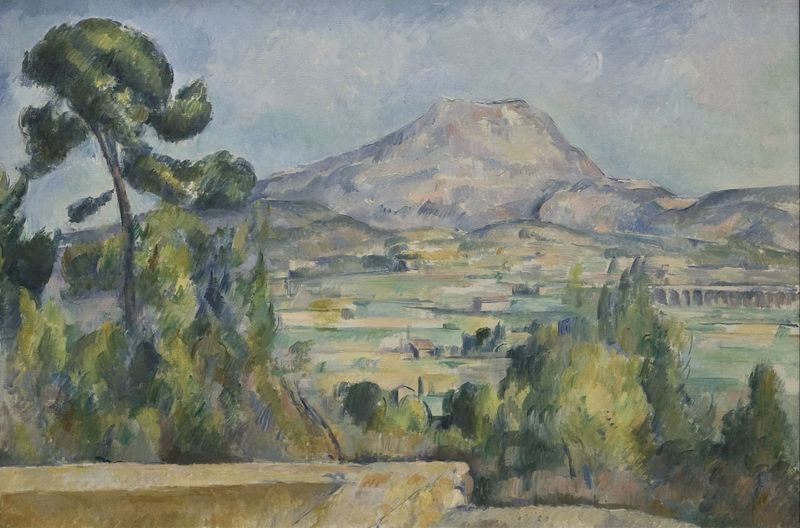
Montagne Saint-Victoire
Paul Cezanne





