
Twee ruiters — History & Facts
In the stillness of a moment, one can sense the weight of absence, where the echoes of presence linger just out of reach. Focus on the center of the canvas, where two riders stand poised, their forms rendered with a deliberate precision that captures both movement and contemplation. The muted palette creates an atmosphere of introspection, inviting the viewer’s gaze to linger on the subtle interplay of light across the horseback figures, each brushstroke a whisper of their story. Notice how the delicate details of their garments contrast with the expansive emptiness surrounding them, enhancing the sense of isolation and quietude. The juxtaposition within the painting offers rich layers of meaning; the riders, though in proximity, seem enveloped by a vast void.
This emptiness, punctuated by their stillness, speaks to themes of solitude and the human condition. The surrounding landscape appears both reassuring and daunting, suggesting a silent dialogue between the riders and the world beyond, encapsulating a tension between connection and isolation. Jacob Cornelisz van Oostsanen painted this work in the early 16th century, during a period marked by the flourishing of Dutch Renaissance art. As he navigated his career in Amsterdam amidst a growing interest in humanist themes, he explored the nuances of individual experience and emotion, establishing a connection between beauty and introspection that would resonate through the ages.
More Artworks by Jacob Cornelisz van Oostsanen
Browse all →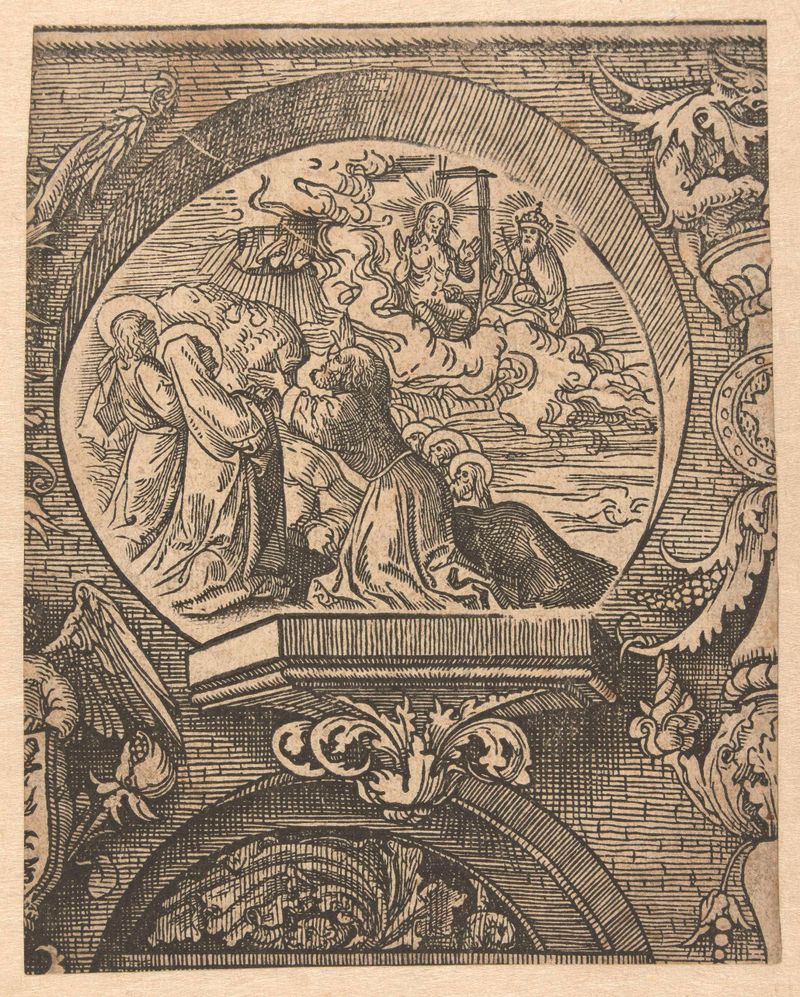
De hemelvaart en Christus voor God de Vader
Jacob Cornelisz van Oostsanen
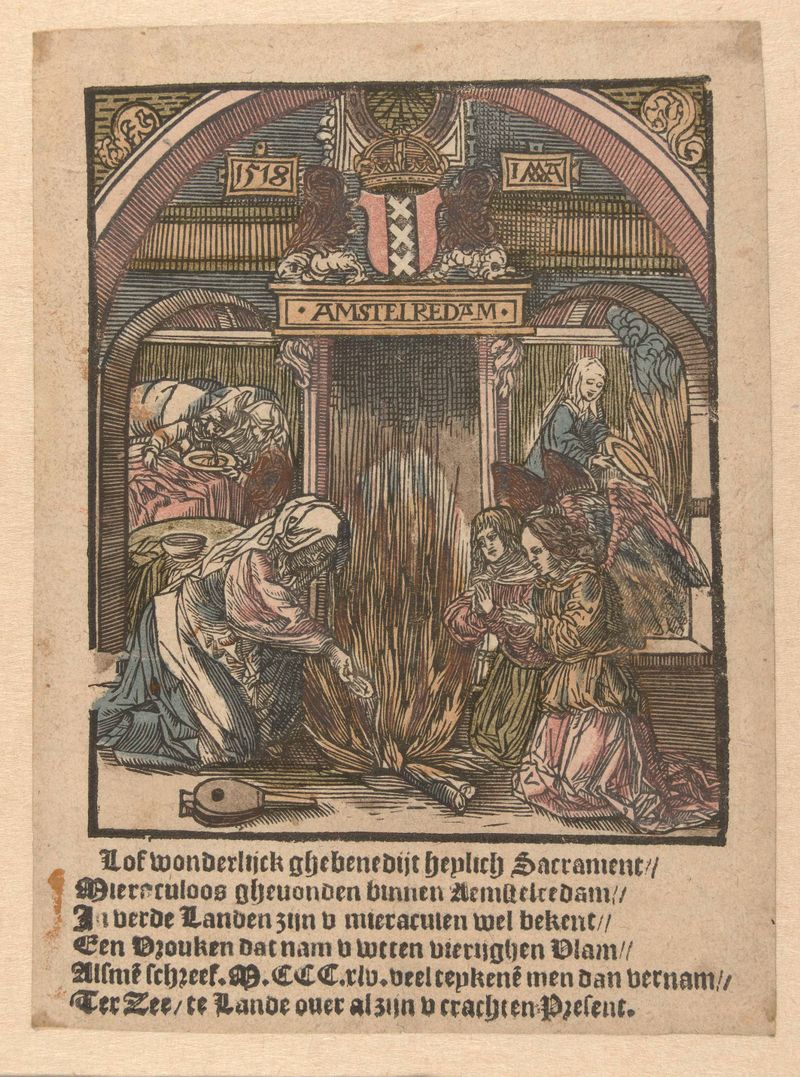
Het hostiewonder van Amsterdam
Jacob Cornelisz van Oostsanen
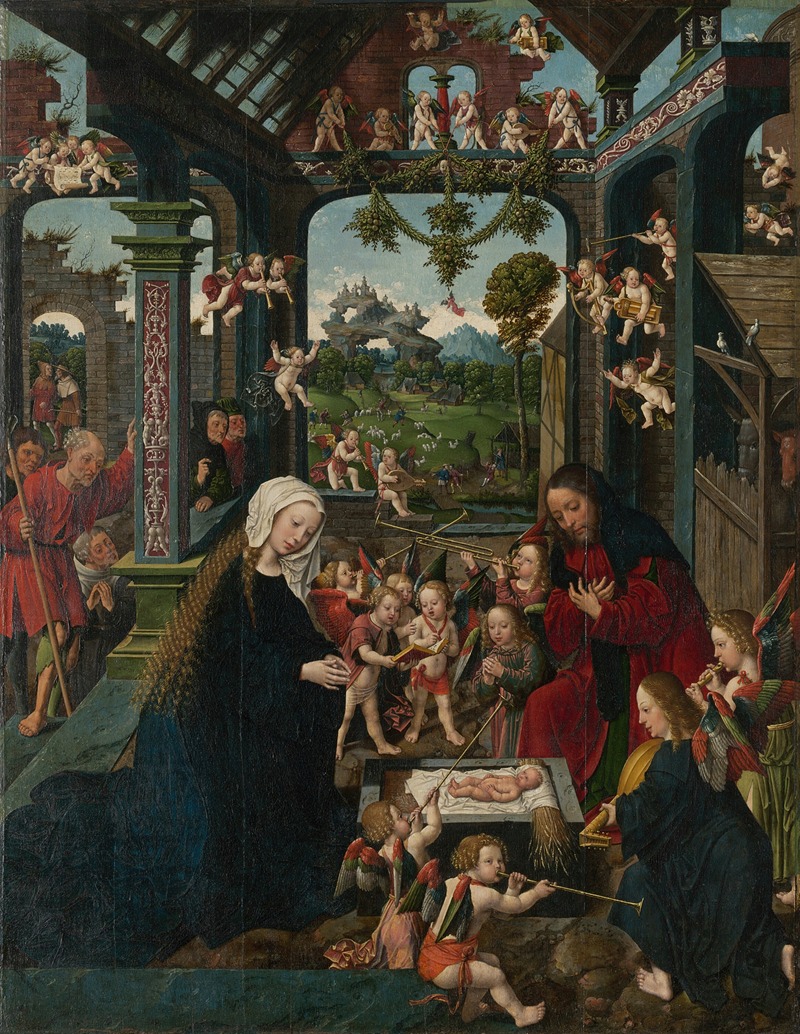
The Adoration of the Christ Child
Jacob Cornelisz van Oostsanen
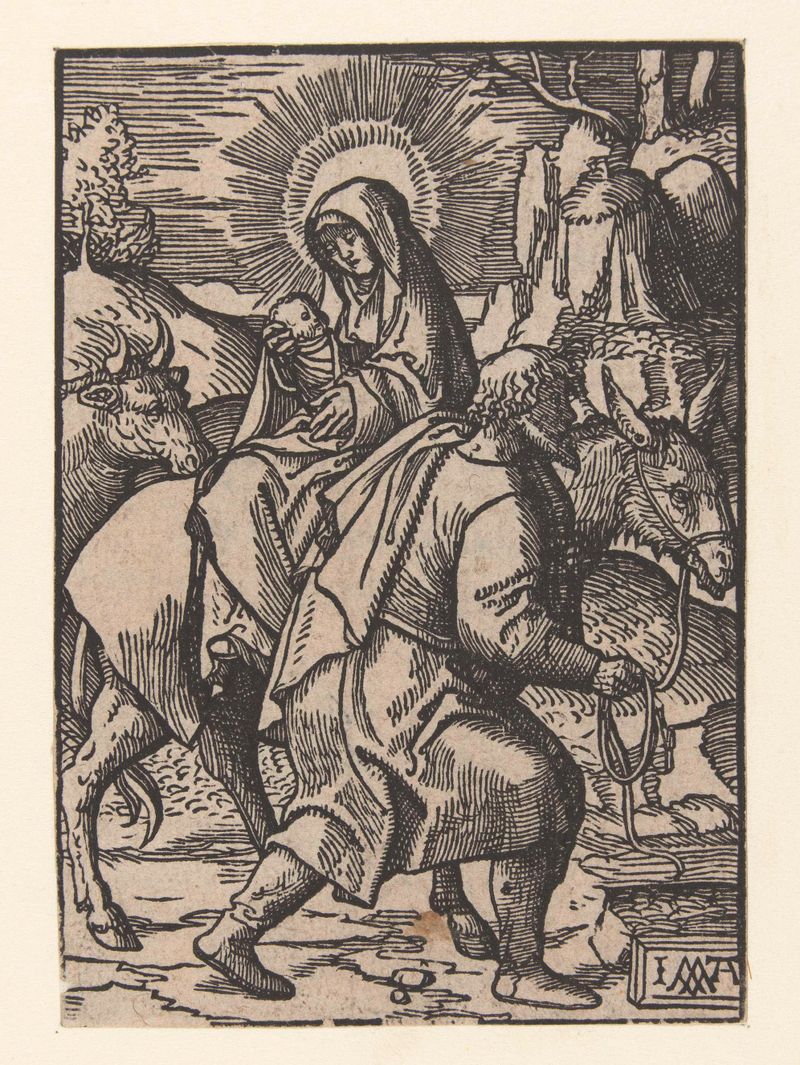
Vlucht naar Egypte
Jacob Cornelisz van Oostsanen
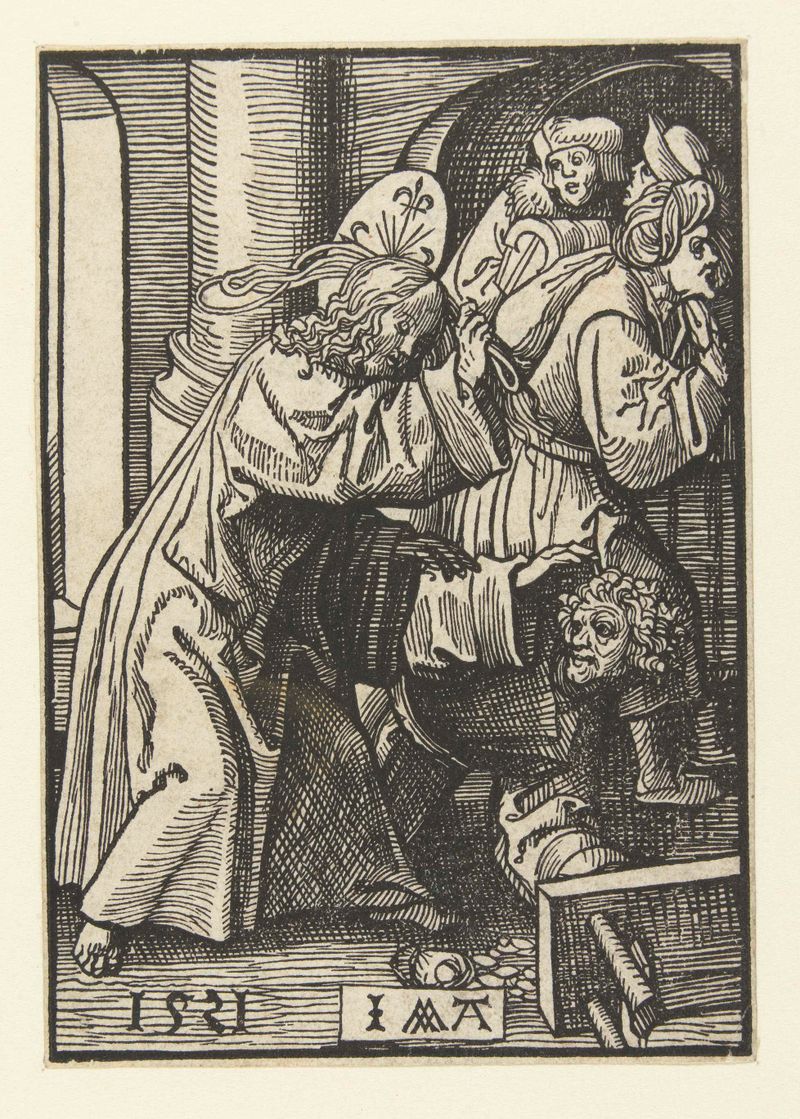
Verdrijving van de handelaren uit de tempel
Jacob Cornelisz van Oostsanen
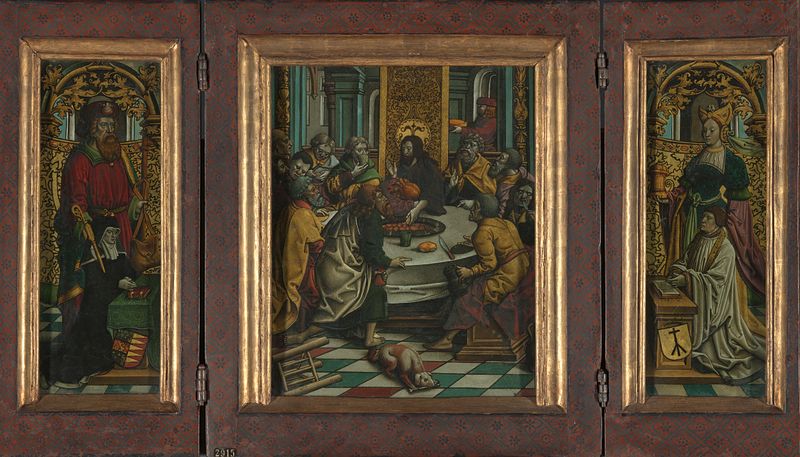
Triptych with the Last Supper and Donors
Jacob Cornelisz van Oostsanen
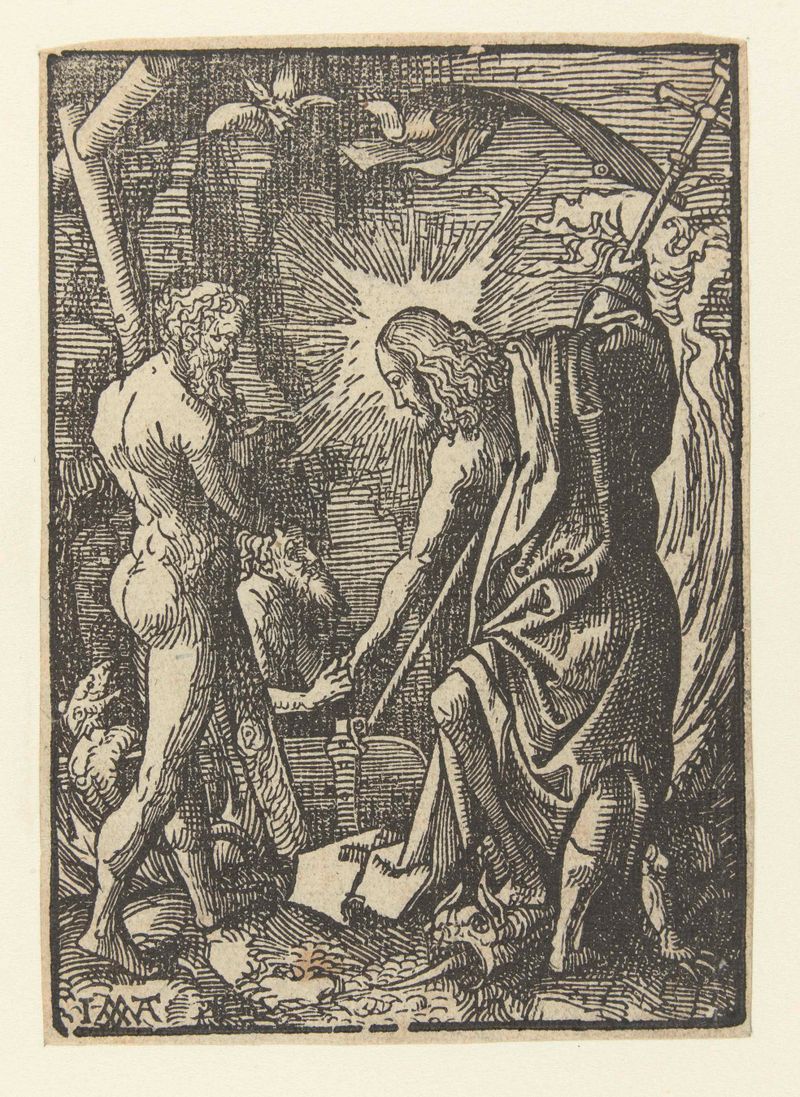
Christus in het voorgeborchte
Jacob Cornelisz van Oostsanen
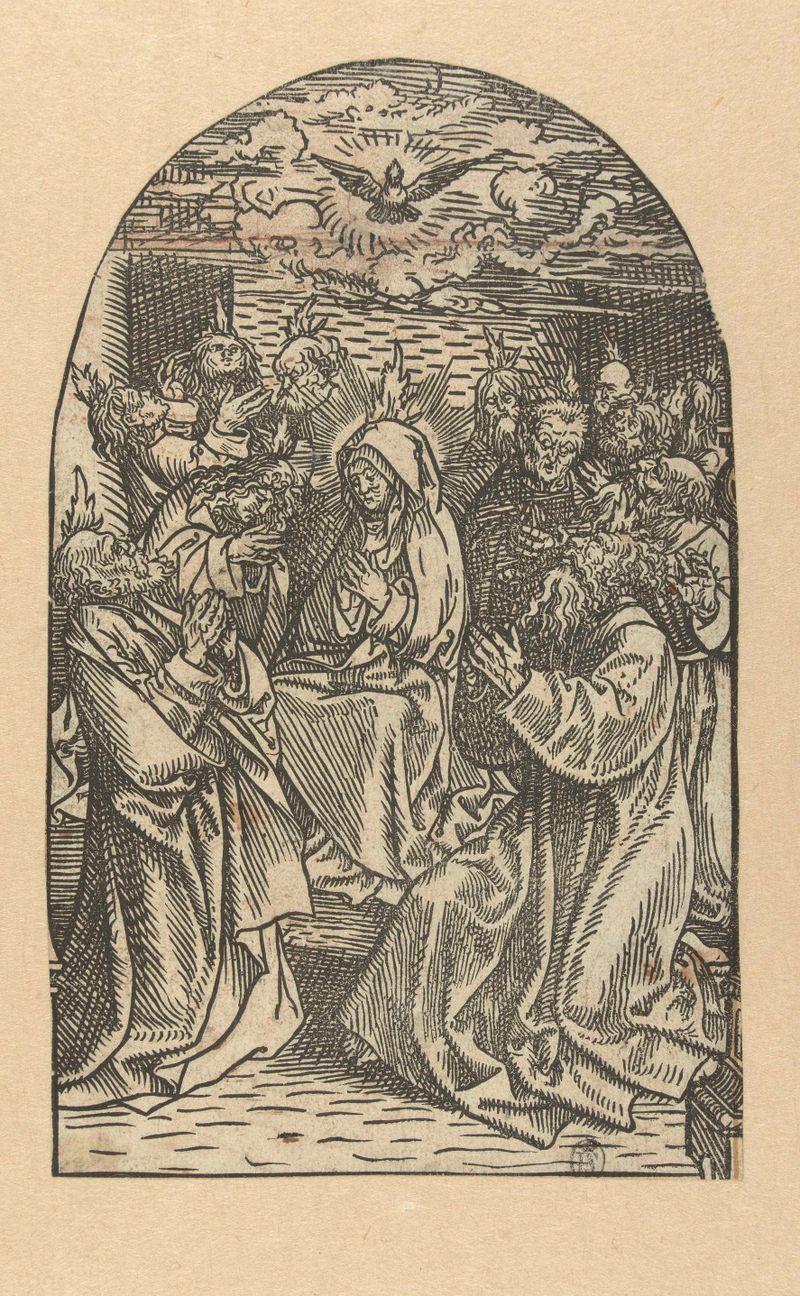
Uitstorting van de Heilige Geest
Jacob Cornelisz van Oostsanen
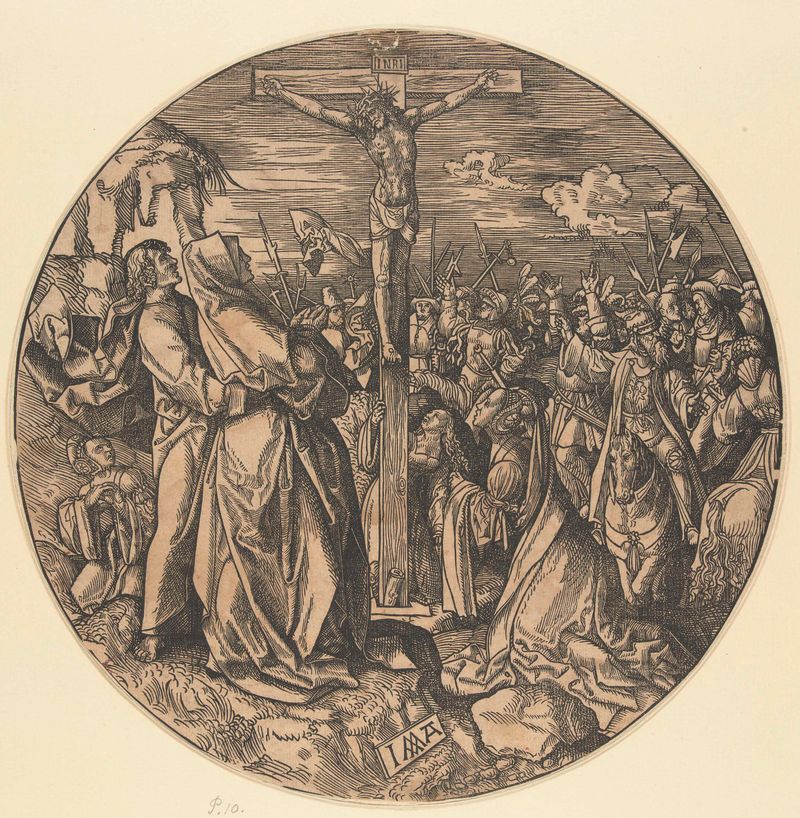
Christus aan het kruis
Jacob Cornelisz van Oostsanen

De kruisiging en de graflegging van Christus
Jacob Cornelisz van Oostsanen





