
Twenty-two Houses and a Church — History & Facts
A cluster of twenty-two houses and a white church are arranged across rolling green hills in this mid-19th-century painting by an unknown artist. The buildings are depicted with simplified geometric forms, each house painted in pale tones with red or brown roofs, and the church distinguished by its tall, narrow steeple and a bare tree beside it. The landscape is divided by winding paths and low fences, with sparse trees dotting the scene, all rendered in a flat, stylized manner.
The sky is painted in muted grays and blues, suggesting an overcast day, while the overall composition is orderly and rhythmic, emphasizing repetition and symmetry. Works of this type, often referred to as folk or naïve art, were common in rural America during the mid-19th century. Such paintings typically depicted local villages, farmsteads, and community landmarks with an emphasis on clarity and pattern rather than strict realism. Twenty-two Houses and a Church is executed in a water-based medium on canvas, a typical choice for amateur and itinerant artists of the era.
This painting is in the collection of the National Gallery of Art in Washington.
More Artworks by Unknown Artist

The Tale of Genji Scroll: Yadorigi
Unknown Artist
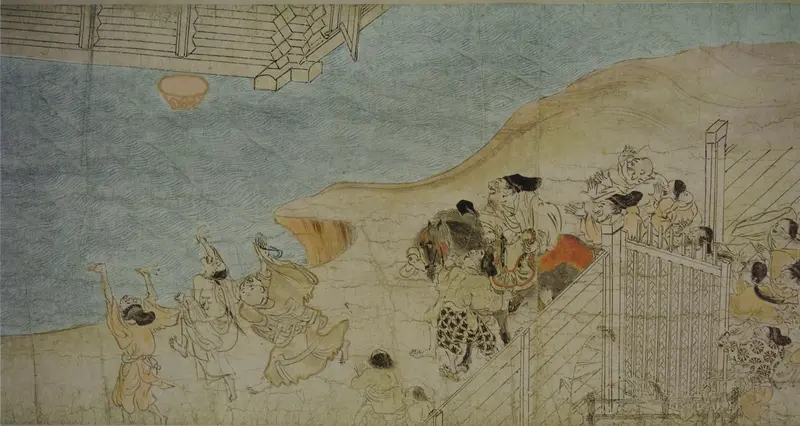
Legends of Mount Shigi: The Flying Granary
Unknown Artist
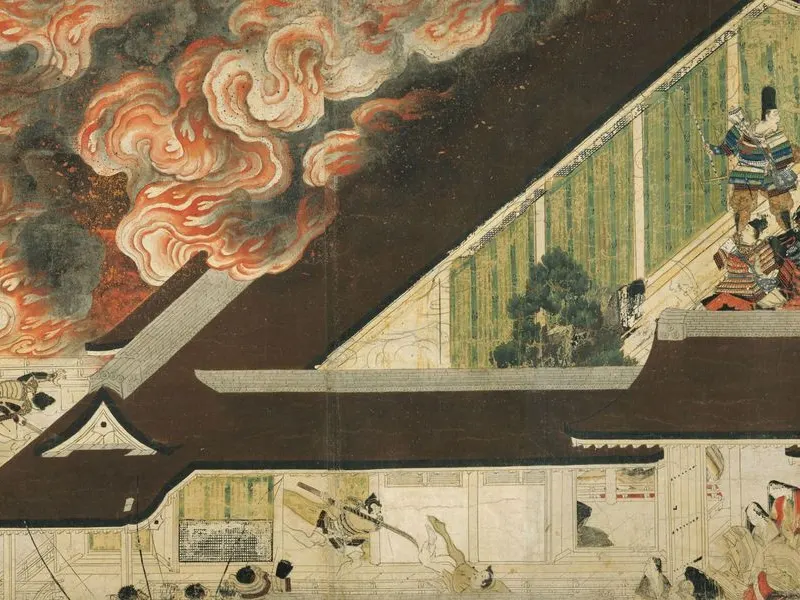
Night Attack on the Sanjō Palace
Unknown Artist
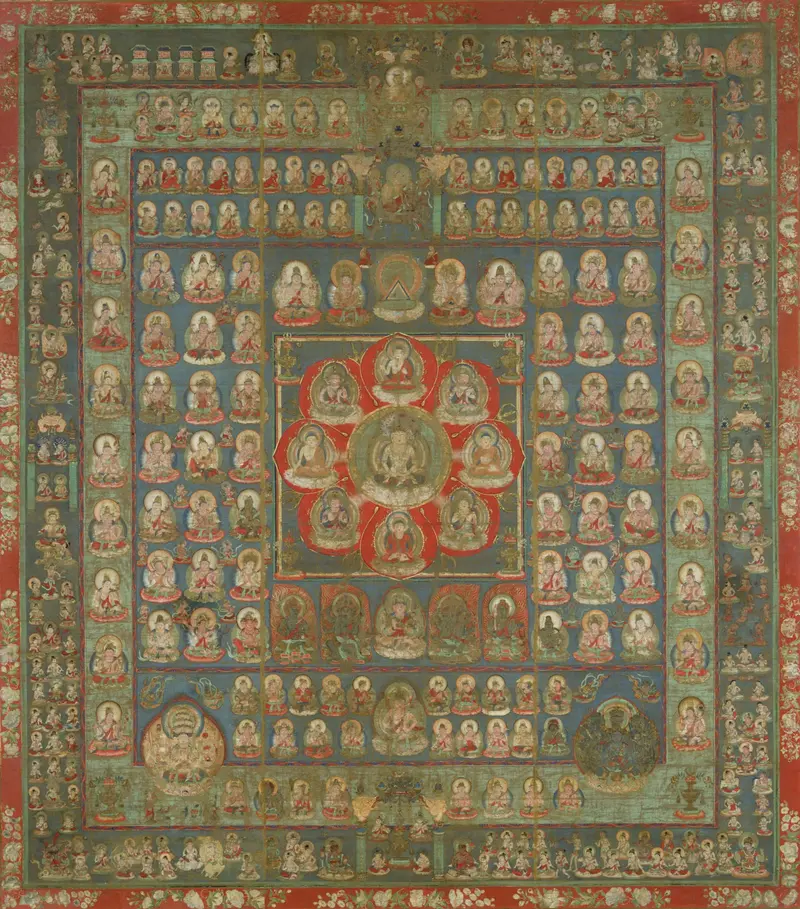
Womb World Mandala (Mandala of the Two Realms)
Unknown Artist
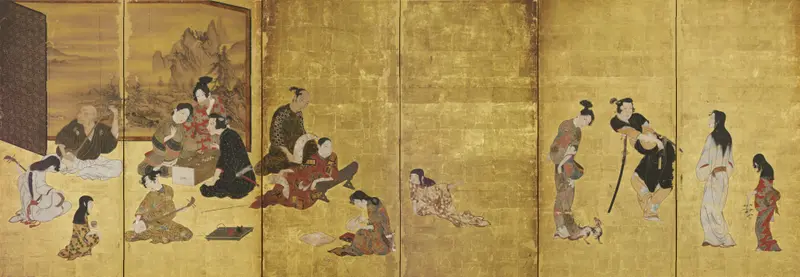
Hikone Screen
Unknown Artist
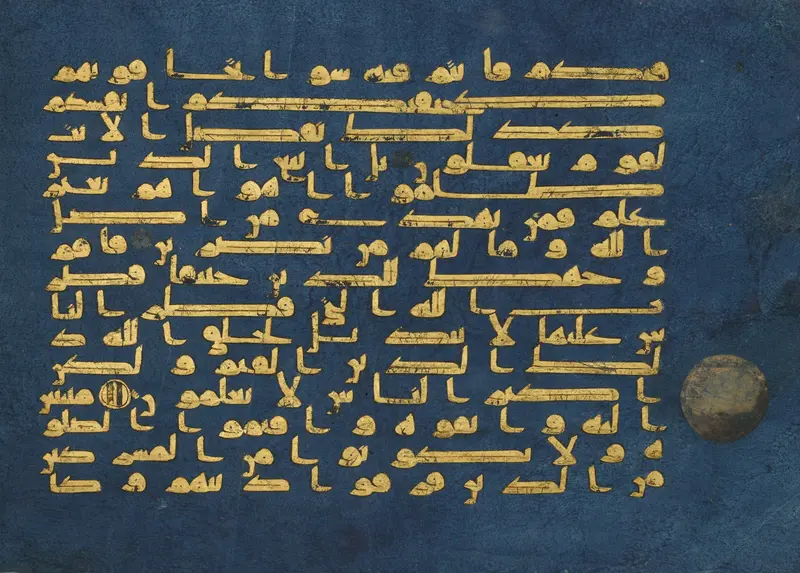
Folio from the Blue Qur'an
Unknown Artist
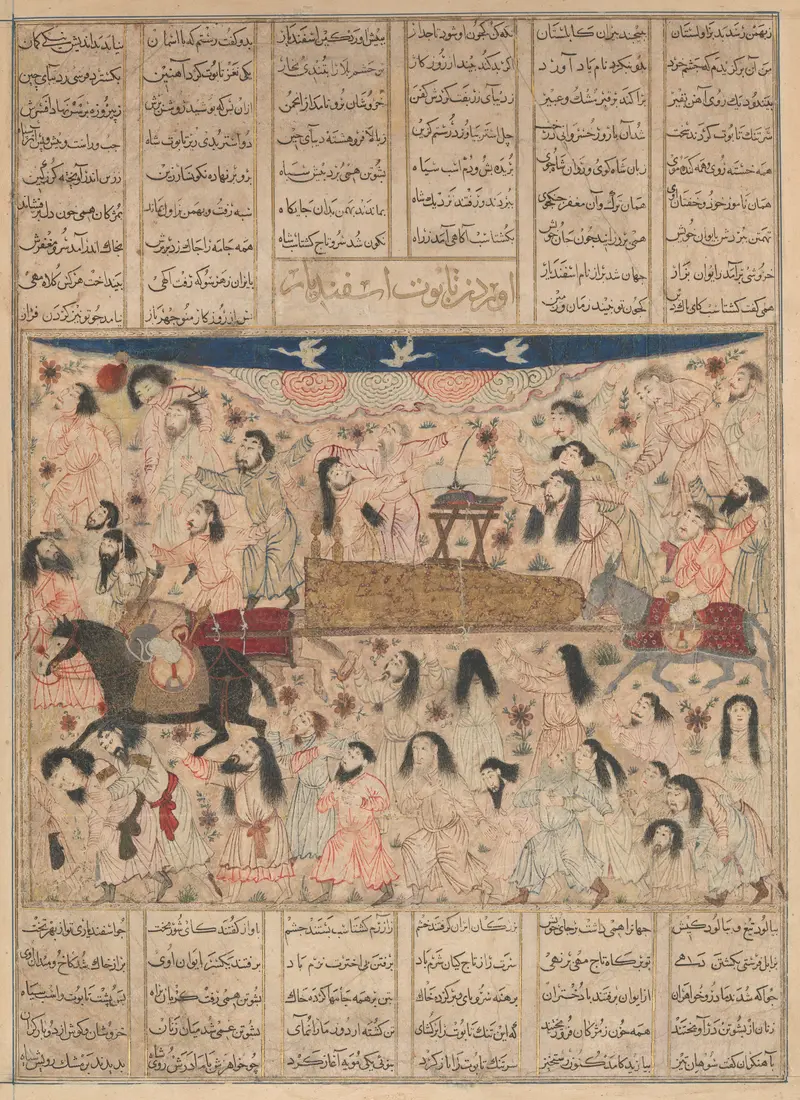
The Funeral of Isfandiyar (Great Mongol Shahnama)
Unknown Artist

The Ideal City
Unknown Artist
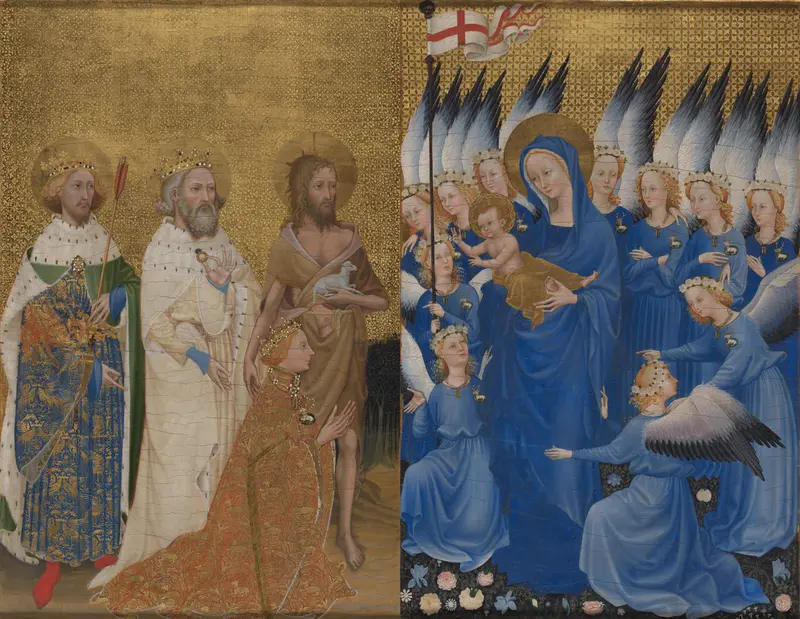
The Wilton Diptych
Unknown Artist

Ridder, Dood en Duivel
Unknown Artist
More Landscape Art

The Starry Night
Vincent van Gogh

View of Delft
Johannes Vermeer

Water Lilies
Claude Monet

The Grand Canal, Venice, looking north-west from the Ca' Corner to the Ca' Contarini degli Scrigni, with the campanile of Santa Maria della Carità
Canaletto

Windsor Castle
Canaletto

The Grand Canal looking North-East from the Palazzo Dolfin-Manin to the Rialto Bridge
Canaletto