
Two Monks Kneeling before a Doge and an Emperor (Doge Ziani and Emperor Barbarossa) — History & Facts
In Two Monks Kneeling before a Doge and an Emperor, Giovanni Battista Tiepolo presents a vivid scene filled with rich colors. The two monks are depicted in humble postures, kneeling before the imposing figures of Doge Ziani and Emperor Barbarossa. The background features ornate architectural elements, typical of Tiepolo's grand style.
The overall composition conveys a sense of reverence and historical significance. The painting showcases Tiepolo's characteristic use of light and shadow, enhancing the three-dimensionality of the figures. The colors are vibrant, with deep reds and golds dominating the palette, reflecting the opulence of the period. Tiepolo's brushwork is fluid and dynamic, creating a sense of movement within the scene.
The attention to detail in the clothing and facial expressions adds depth to the characters. Giovanni Battista Tiepolo was a leading figure in the Rococo movement, known for his dramatic and theatrical compositions. This work, created in the mid-18th century, reflects the artist's fascination with historical narratives and grand figures. An interesting fact about this painting is that it captures a moment of political significance, illustrating the relationship between Venice and the Holy Roman Empire.
Tiepolo's ability to blend history with artistic flair makes this piece a notable example of his oeuvre.
More Artworks by Giovanni Battista Tiepolo
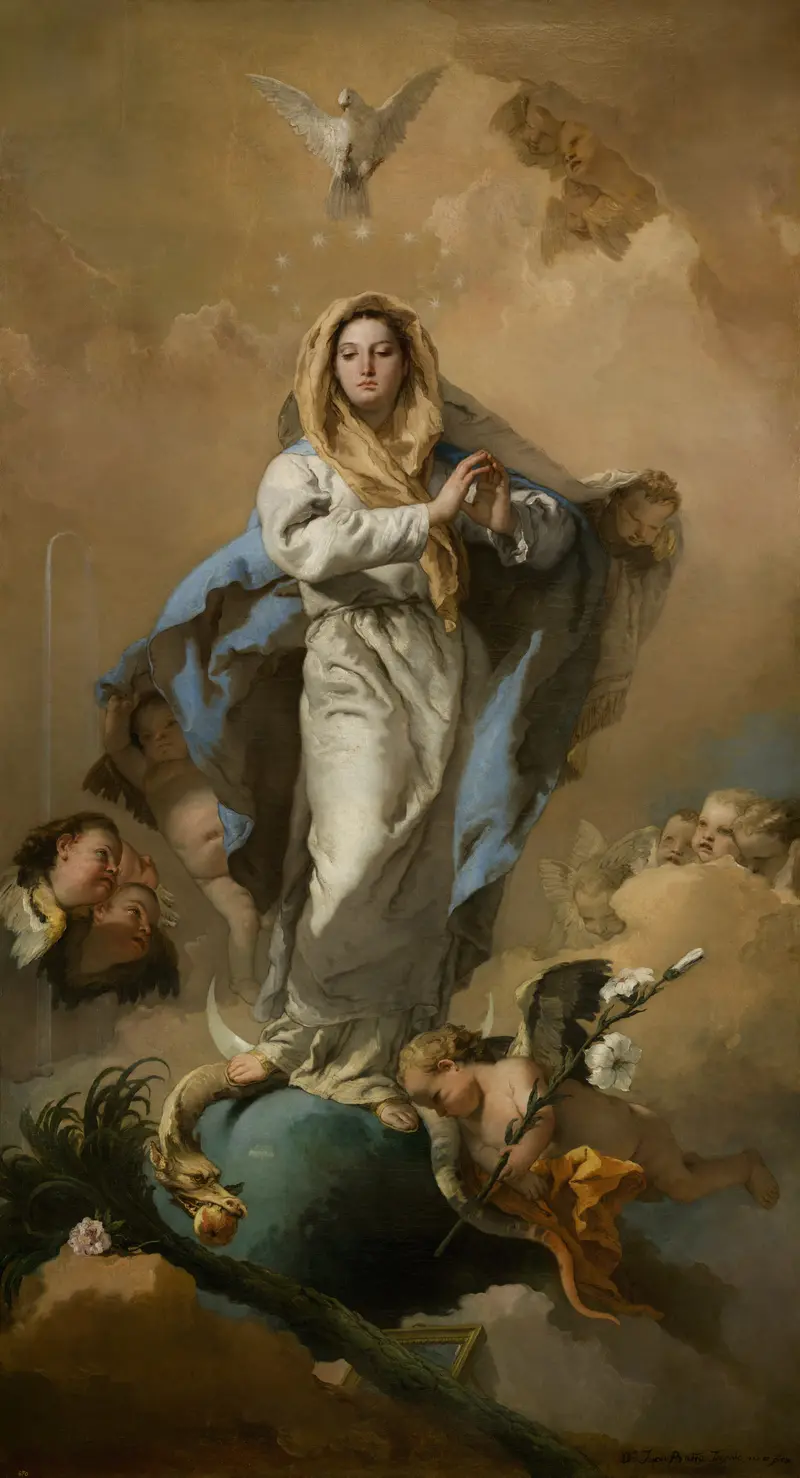
The Immaculate Conception
Giovanni Battista Tiepolo
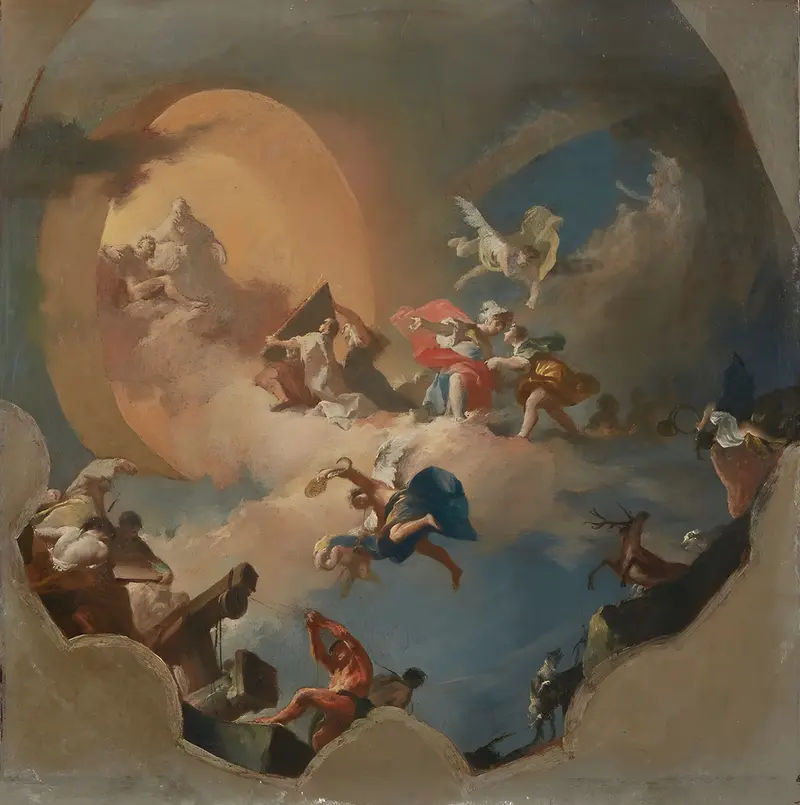
The Apotheosis of the Arts
Giovanni Battista Tiepolo
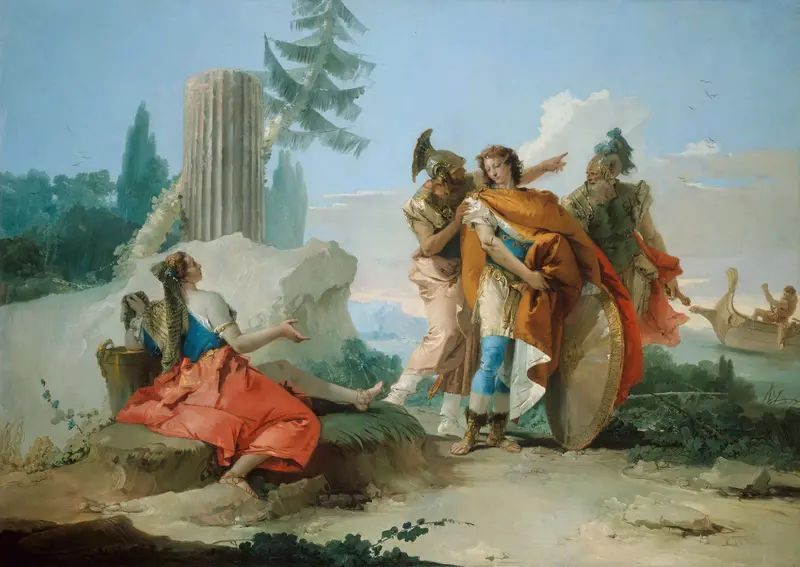
Armida Abandoned by Rinaldo
Giovanni Battista Tiepolo
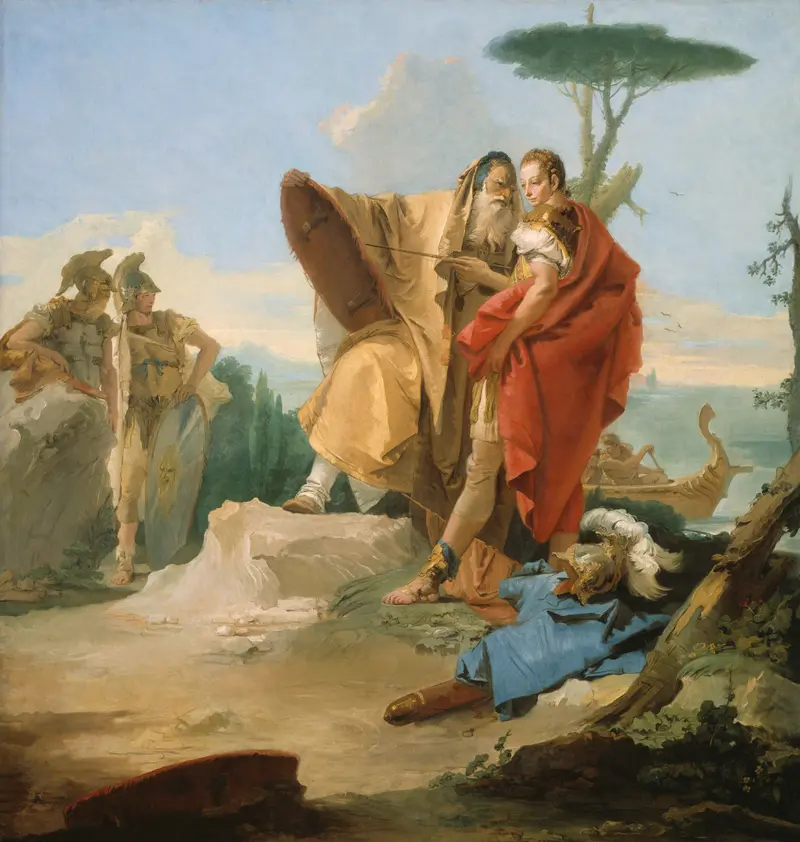
Rinaldo and the Magus of Ascalon
Giovanni Battista Tiepolo
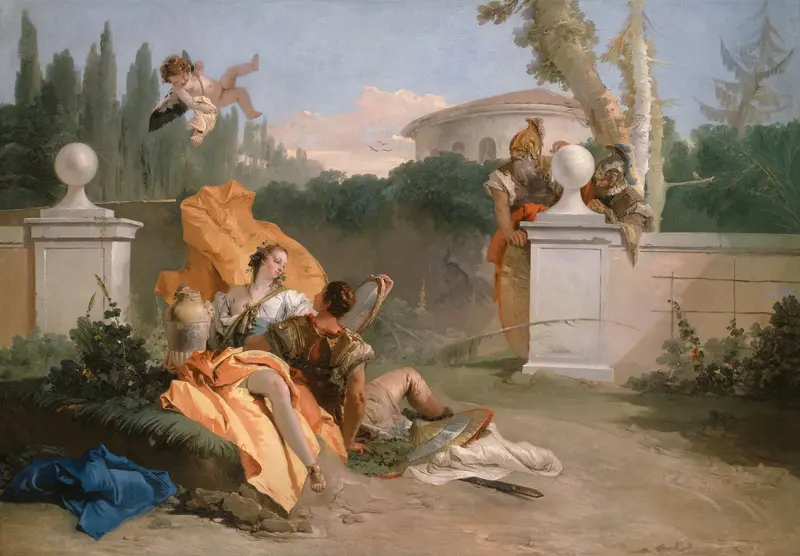
Rinaldo and Armida in Her Garden
Giovanni Battista Tiepolo
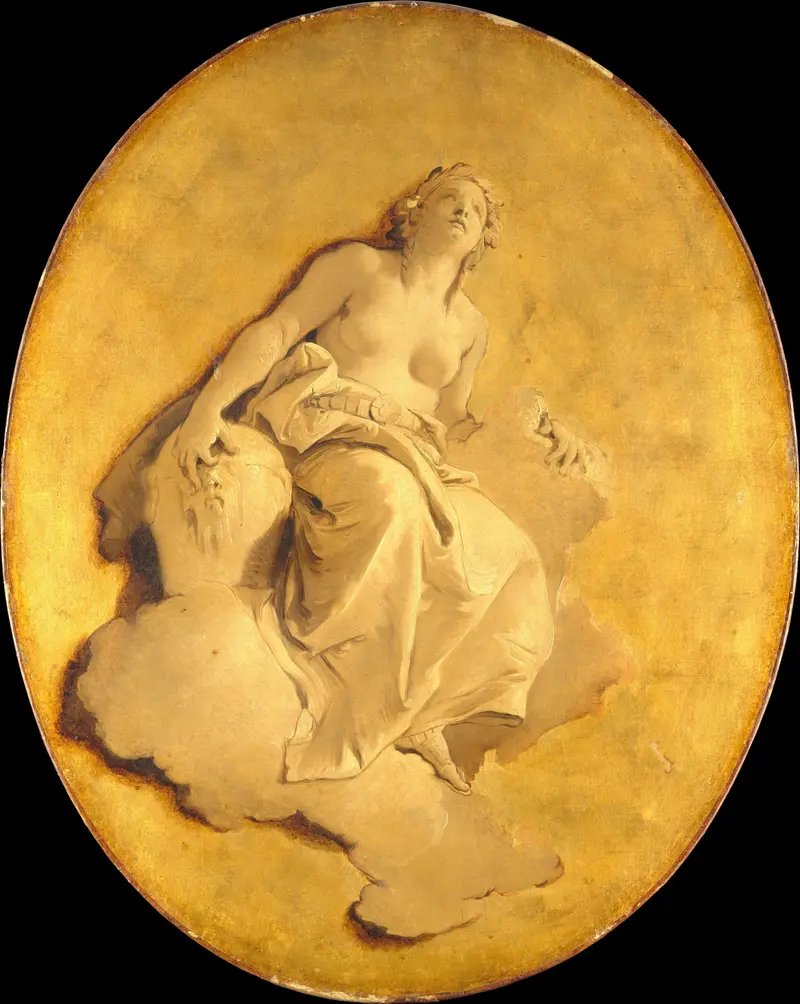
A Female Allegorical Figure
Giovanni Battista Tiepolo
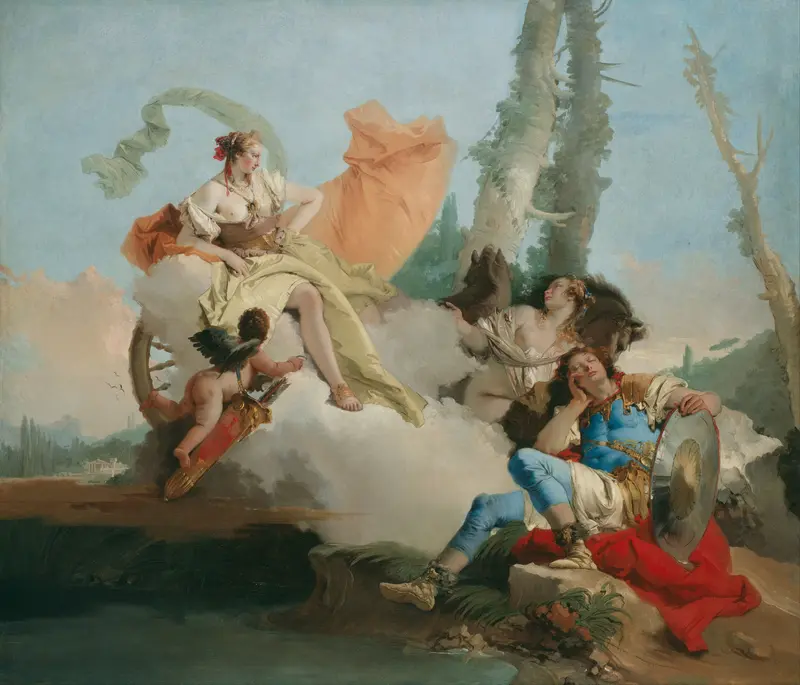
Armida Encounters the Sleeping Rinaldo
Giovanni Battista Tiepolo
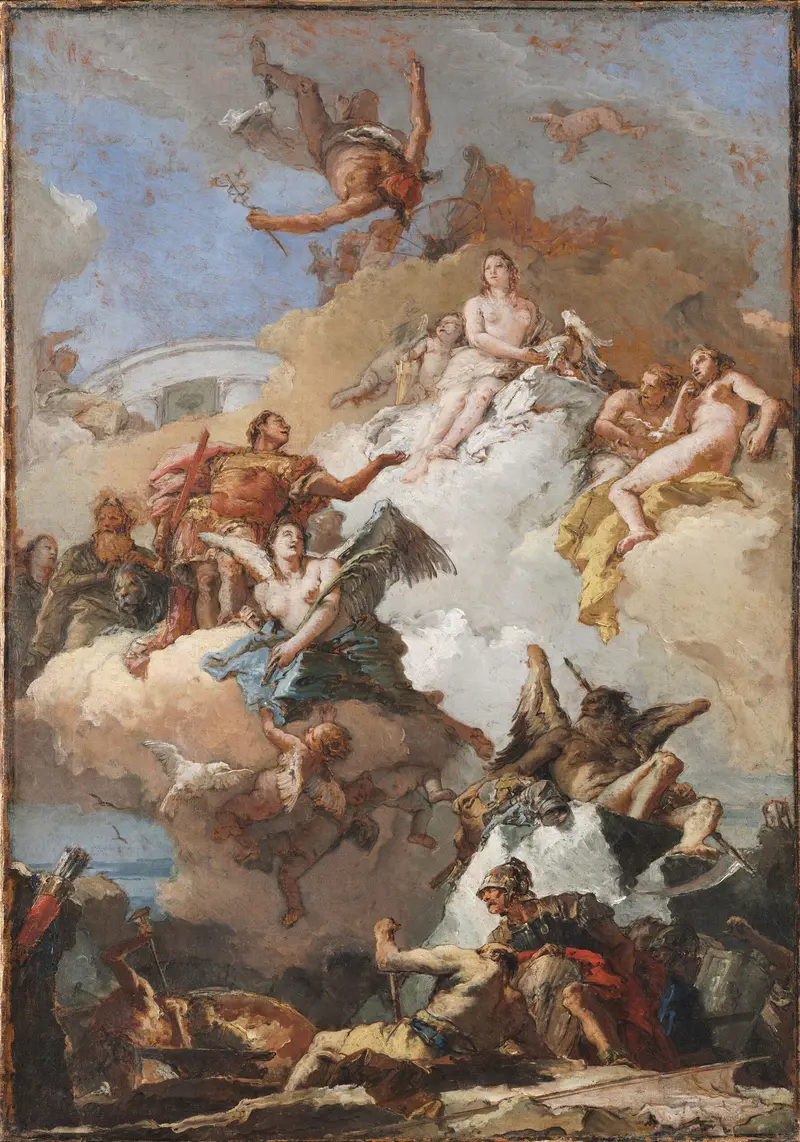
The Apotheosis of Aeneas
Giovanni Battista Tiepolo
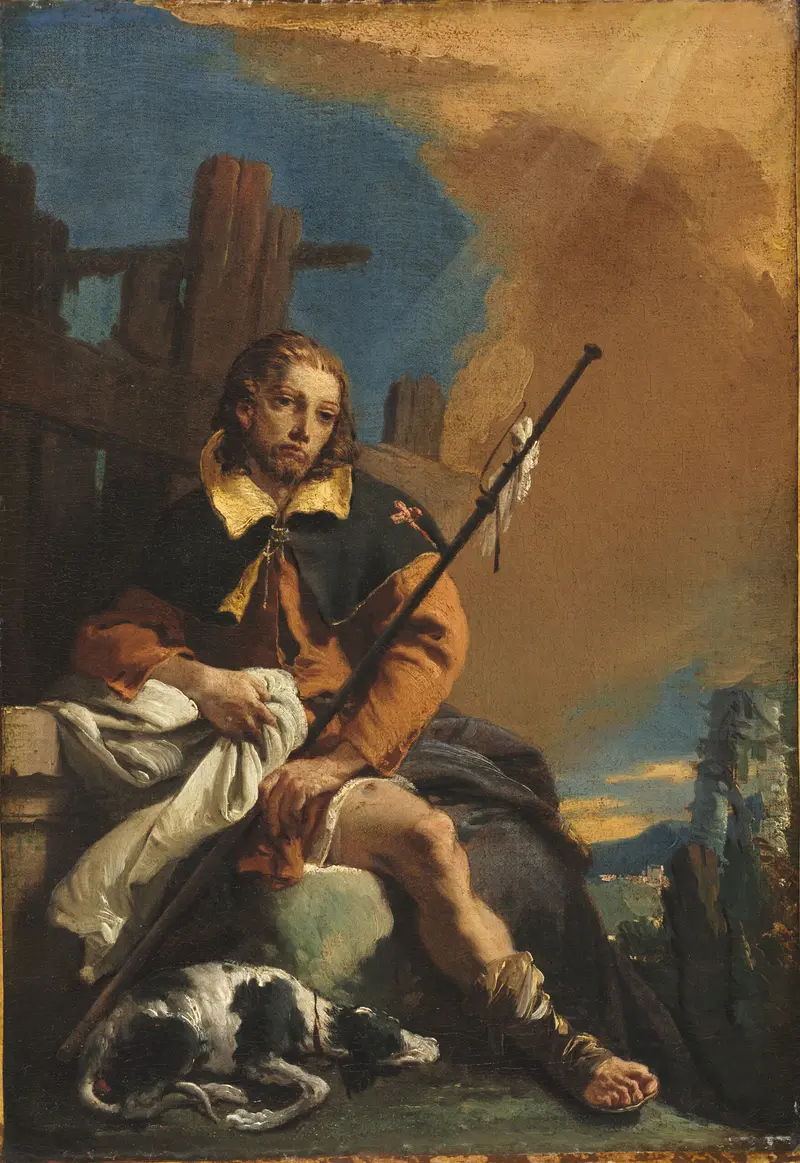
Saint Roch as a Pilgrim
Giovanni Battista Tiepolo
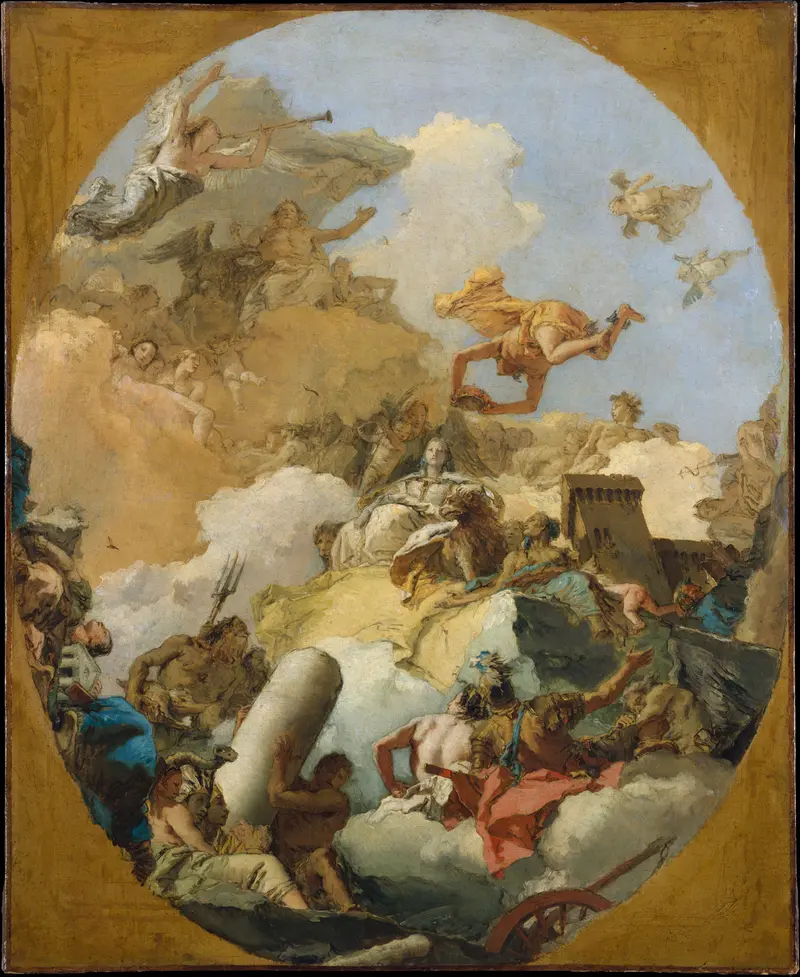
The Apotheosis of the Spanish Monarchy
Giovanni Battista Tiepolo





