
Two Sailboats at Grandcamp — History & Facts
When Georges Seurat painted Two Sailboats at Grandcamp in 1885, he was in the midst of developing the radical technique that would soon define Neo-Impressionism. This small, luminous scene marks one of the earliest instances where Seurat experimented with the division of color into separate dots or strokes—a method that would later become known as pointillism. The painting was made during a summer spent in Grandcamp, a fishing village in Normandy, where Seurat observed the changing light of the coast with scientific precision.
Unlike his later, more famous works, this study was not a commission but part of his personal quest to understand how color and light could be broken down and rebuilt on canvas. The scene Seurat chose is deceptively simple: two sailboats, their hulls anchored in calm water, rest beneath a sky that shimmers with subtle gradations of color. The boats are rendered with short, deliberate touches, each one a calculated note in Seurat’s visual experiment. The horizon is low, letting the sky dominate, and the water reflects the boats in a mosaic of tiny marks.
There is no narrative in the traditional sense, but the painting captures a precise moment of stillness, a pause before the wind fills the sails. Compared to Claude Monet’s bustling harbors or Eugène Boudin’s lively beach scenes, Seurat’s approach is quieter, more analytical, inviting the viewer to study the interplay of color and light rather than the drama of human activity. The physical journey of Two Sailboats at Grandcamp is less documented than some of Seurat’s larger canvases. It likely remained in the artist’s studio until after his early death in 1891, when many of his works were dispersed among friends, family, and collectors interested in the new techniques of the Neo-Impressionists.
Today, the painting is valued as an important step in Seurat’s evolution, bridging his early Impressionist studies and his later, more systematic compositions like A Sunday Afternoon on the Island of La Grande Jatte. Its modest size and experimental brushwork reveal the artist’s process, offering a glimpse into the laboratory of ideas that would change the course of modern painting.
More Artworks by Georges Seurat
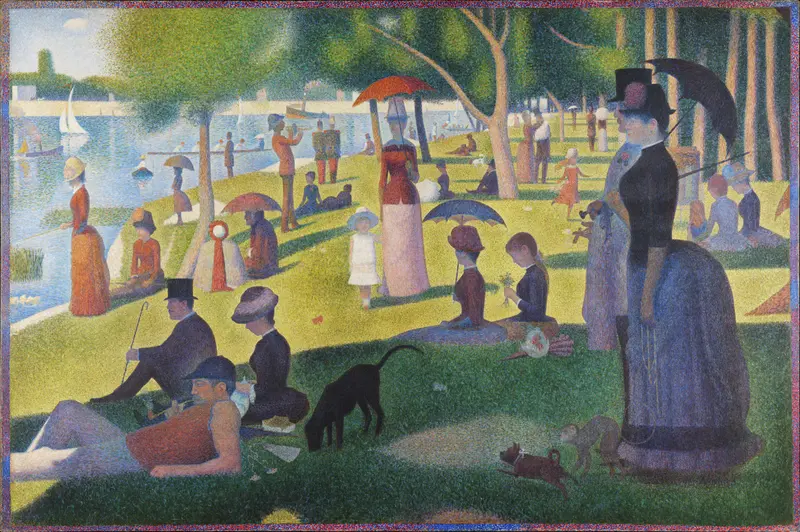
A Sunday Afternoon on the Island of La Grande Jatte
Georges Seurat
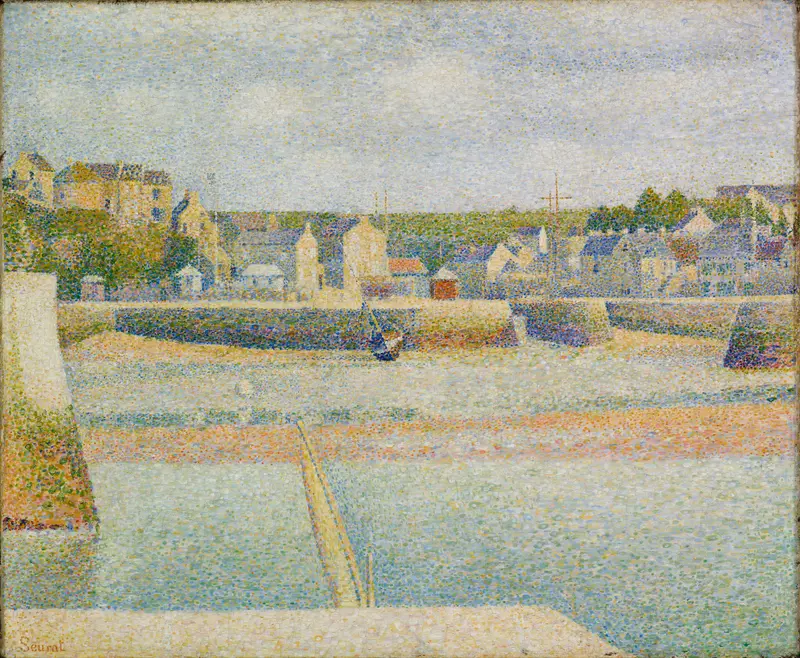
Port-en-Bessin, The Outer Harbor (Low Tide)
Georges Seurat
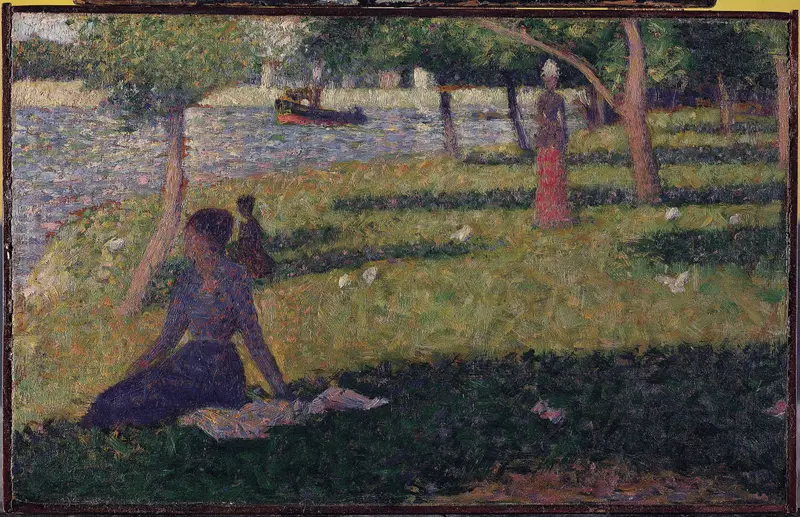
Étude pour ‘La Grande Jatte’ (Study for ‘La Grande Jatte’)
Georges Seurat
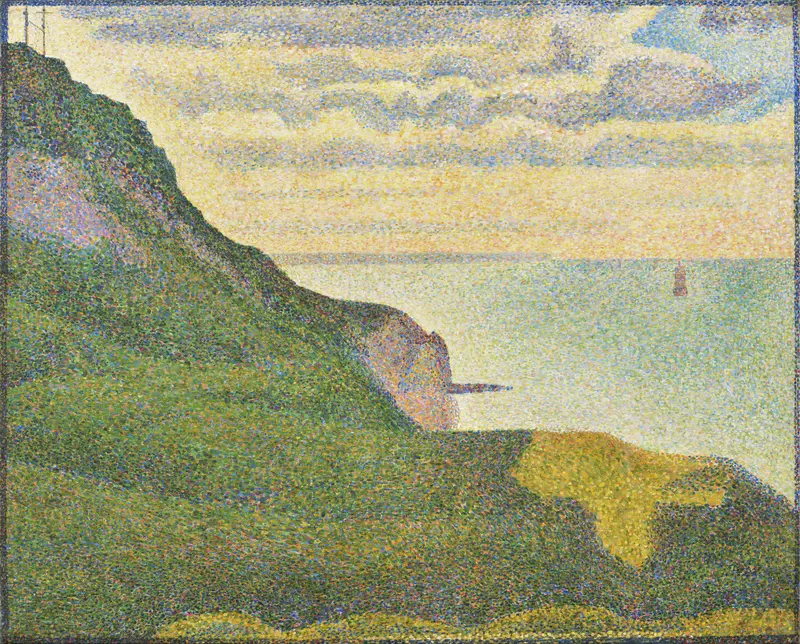
Seascape at Port-en-Bessin,Normandy
Georges Seurat
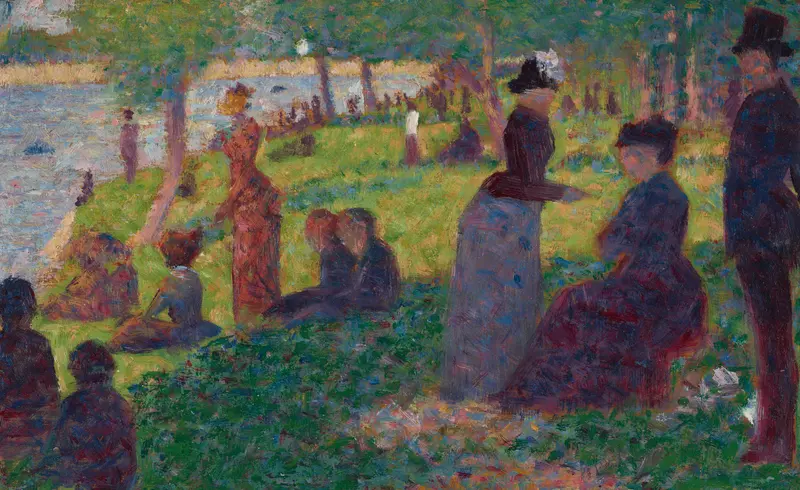
Oil Sketch for "A Sunday on La Grande Jatte — 1884"
Georges Seurat
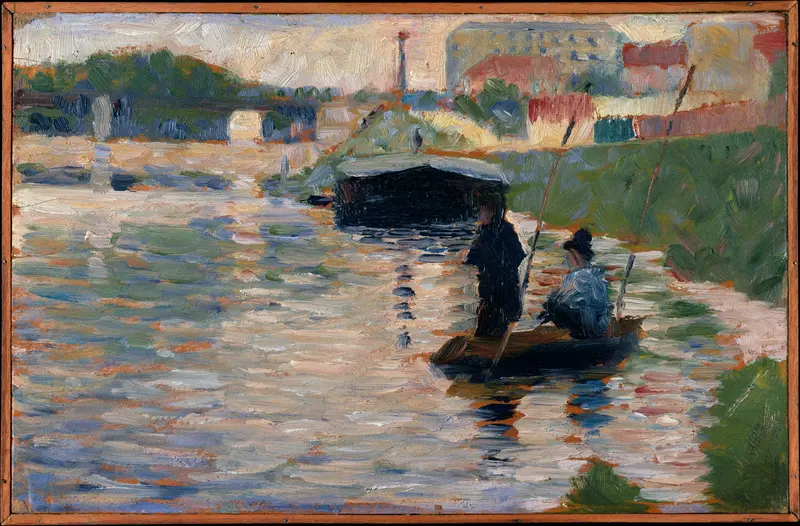
View of the Seine
Georges Seurat
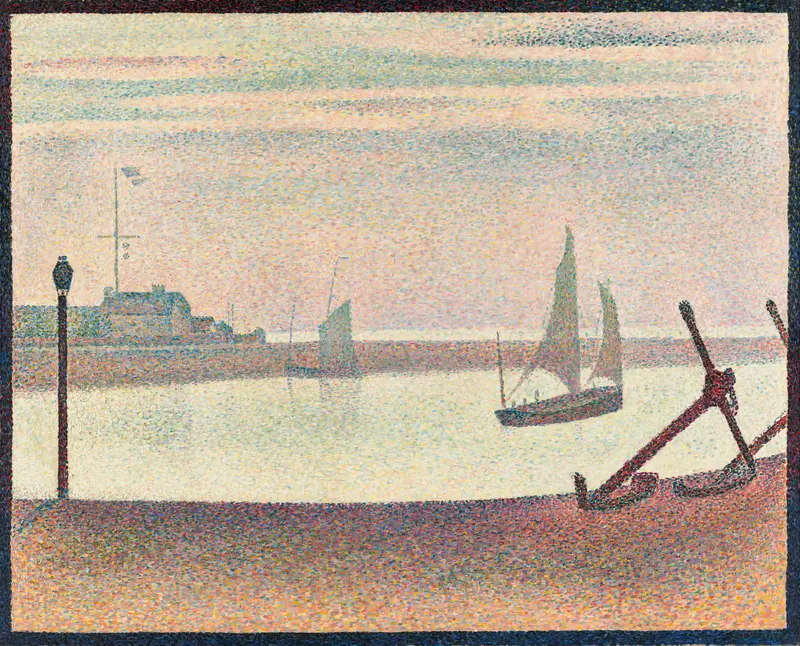
The Channel at Gravelines, Evening
Georges Seurat
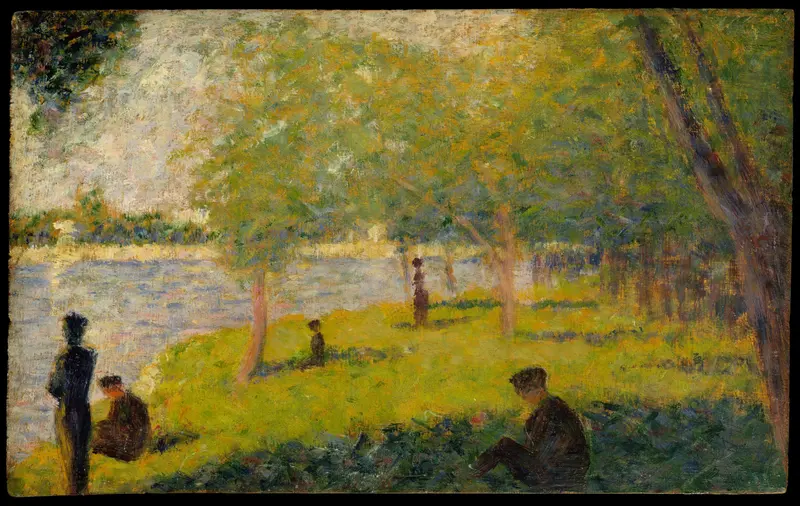
Study for ‘A Sunday on La Grande Jatte’
Georges Seurat
Study for A Sunday on La Grande Jatte
Georges Seurat
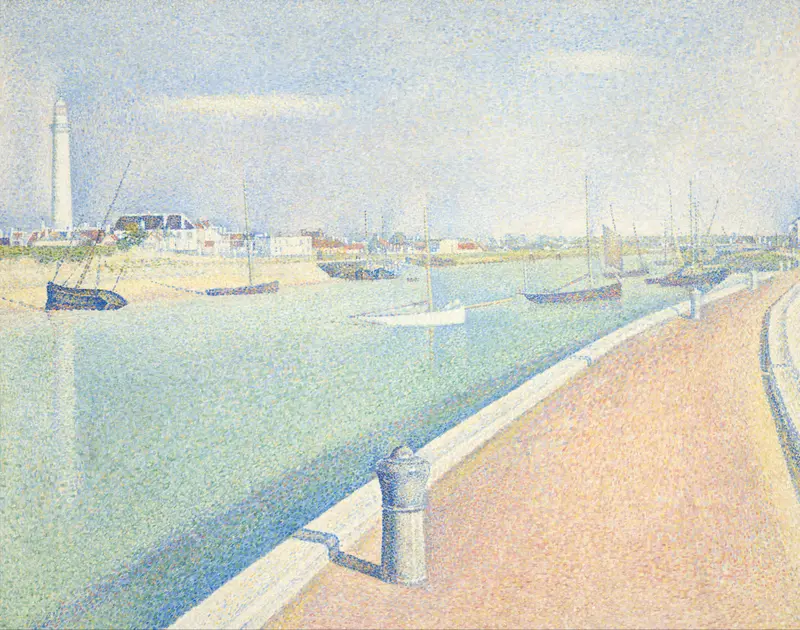
The Channel of Gravelines, Petit Fort Philippe
Georges Seurat





