
Two singing boys with a lute and a music book — History & Facts
No other work by Frans Hals has sparked as much debate over its meaning as Two singing boys with a lute and a music book, painted in 1623. For centuries, viewers and scholars alike have wondered whether these boys are simply caught in a moment of music-making, or if their lively expressions and open mouths allude to a deeper message about youth, learning, or the fleeting nature of pleasure. The painting’s playful energy stands in contrast to the more formal portraits Hals was known for, and its informal subject matter was unusual enough that it was copied and imitated by later Dutch artists.
The original, however, remains unmistakable for its vibrancy and immediacy. At the center of the scene, two boys lean together, one strumming a lute while the other sings from a music book, their faces animated with the joy of performance. Hals captures them mid-song, mouths open in harmony, eyes bright with shared delight. The lute, a symbol of music and sometimes of transience, and the open music book, suggest both learning and spontaneity.
Light falls across the boys’ faces and hands, highlighting the textures of their clothing and the gleam of the instrument, a technique reminiscent of Caravaggio’s dramatic use of light to heighten realism. Unlike the more moralizing musical scenes by Jan Steen, Hals’s boys seem unconcerned with allegory, inviting the viewer to join in their moment of youthful exuberance. The exact origins of the painting are unclear, as no commission or early provenance has survived, but it is typical of the small, genre scenes that flourished in Haarlem during the early Dutch Golden Age. Over the centuries, Two singing boys with a lute and a music book has passed through private hands and collections, at times misattributed or overshadowed by Hals’s larger portraits.
Today, it is recognized as a key example of his ability to capture fleeting expressions and everyday life, and hangs in the Gemäldegalerie in Berlin, where it continues to charm visitors with its directness and warmth. The painting’s enduring appeal lies in its honest, unscripted glimpse into the world of seventeenth-century youth.
More Artworks by Frans Hals

Banquet of the Officers of the St George Civic Guard
Frans Hals

Portrait of Jacob Pietersz Olycan (1596-1638)
Frans Hals
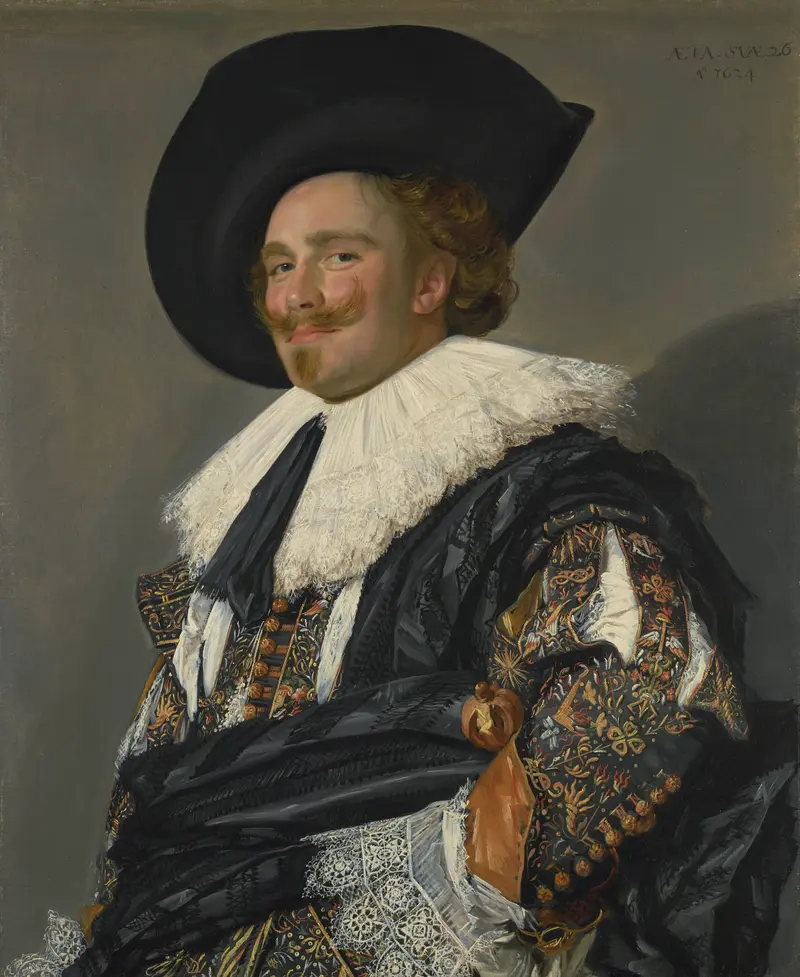
Laughing Cavalier
Frans Hals

Militia Company of District XI under the Command of Captain Reynier Reael, Known as ‘The Meagre Company’
Frans Hals
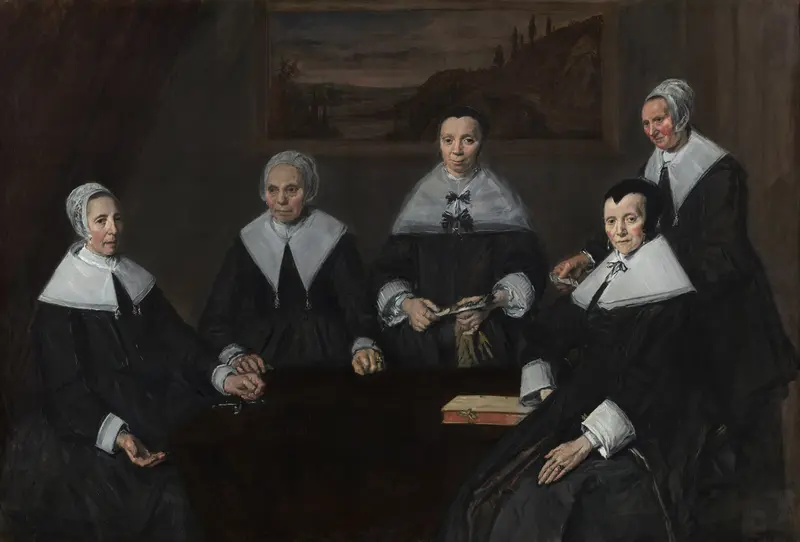
Regentesses of the Old Men's Alms House
Frans Hals
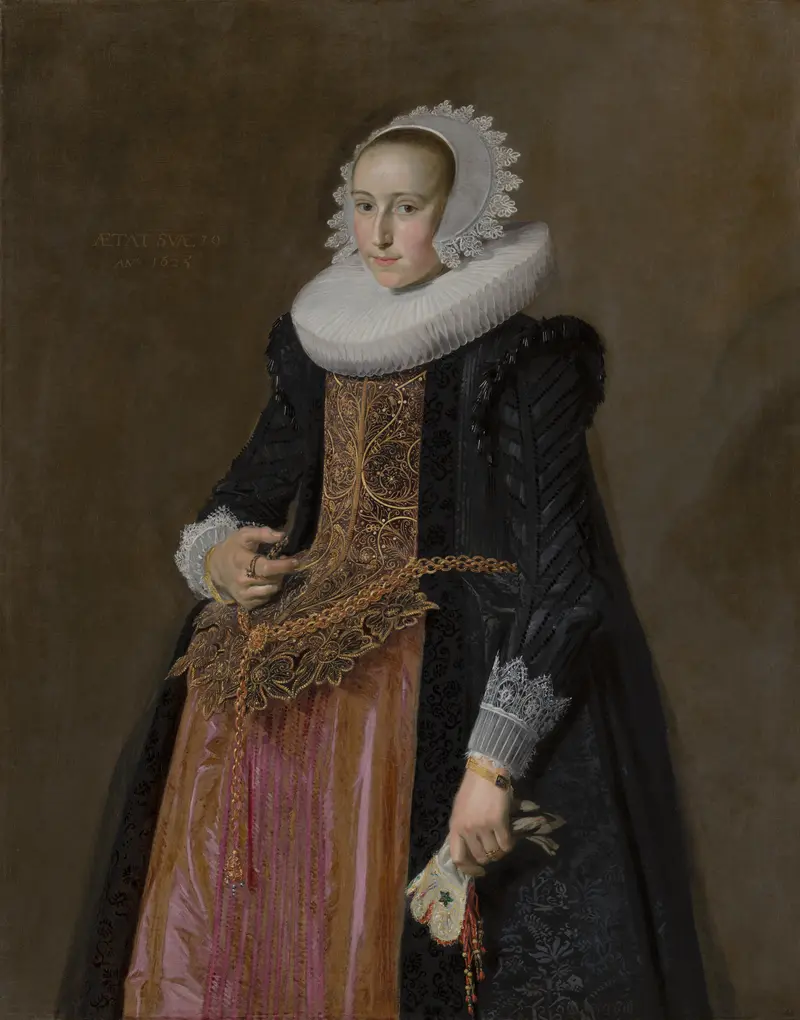
Portrait of Aletta Hanemans (1606–1653)
Frans Hals
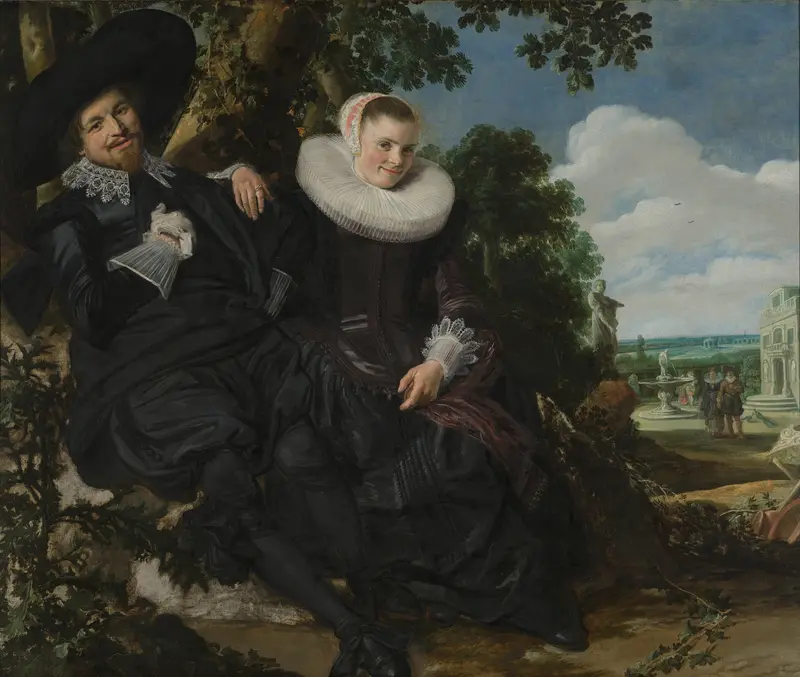
Portrait of a Married Couple, Likely Isaac Abrahamsz Massa and Beatrix van der Laen
Frans Hals
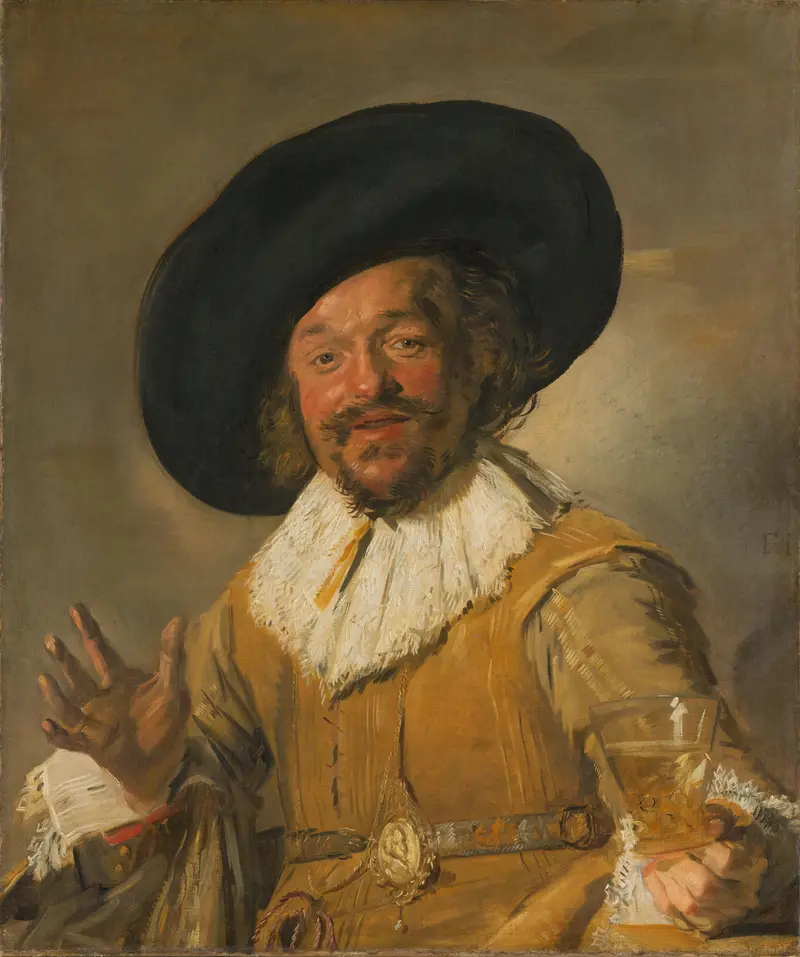
The Merry Drinker
Frans Hals
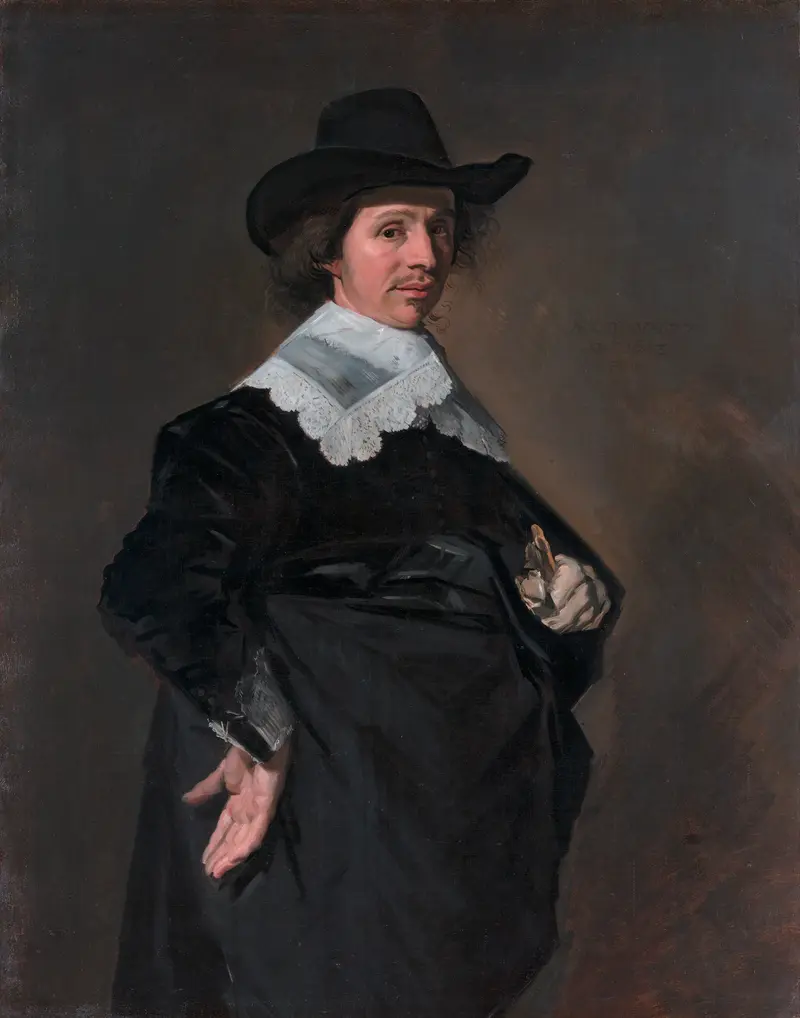
Portrait of Paulus Verschuur
Frans Hals
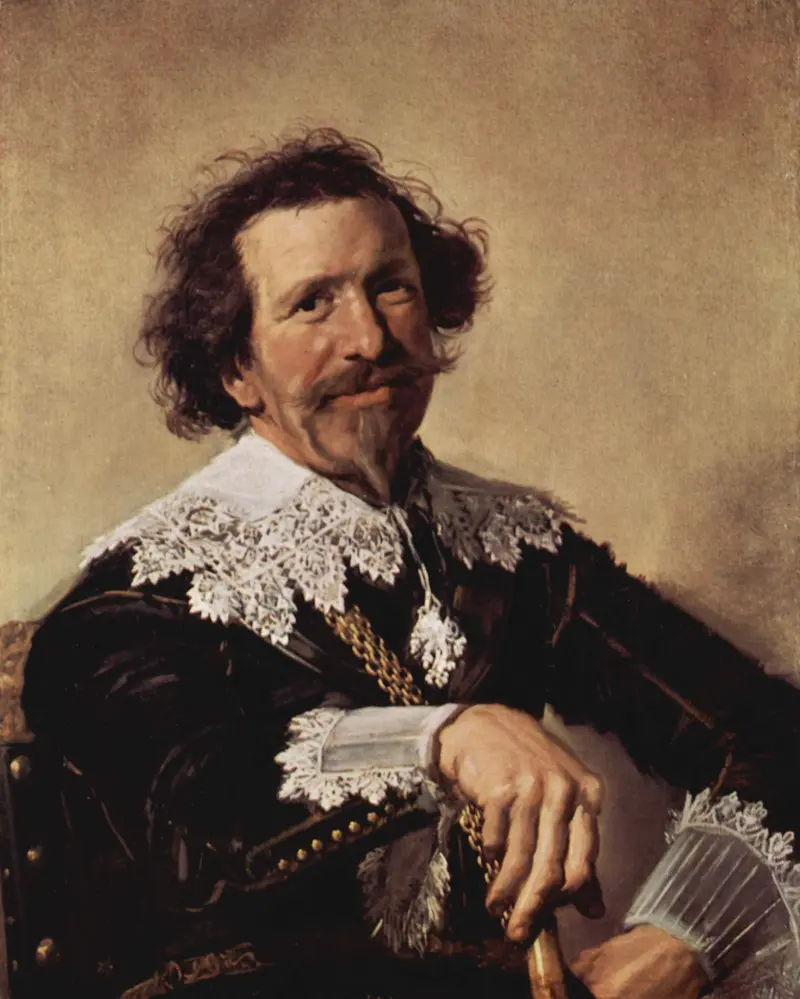
Portrait of Pieter van den Broecke
Frans Hals
More Genre Scene Art
Banquet of the Officers of the St George Civic Guard
Frans Hals

Rembrandt and Saskia in the Scene of the Prodigal Son
Rembrandt van Rijn

Bal du moulin de la Galette
Pierre-Auguste Renoir

Quadrille at the Moulin Rouge
Henri de Toulouse-Lautrec

A Burial at Ornans
Gustave Courbet

When Will You Marry?
Paul Gauguin