
Two Women sitting near a River — History & Facts
Few artists of the late nineteenth century so persistently explored the private world of women as Mary Cassatt. With Two Women sitting near a River, Cassatt returns to a favorite motif: the quiet companionship of women in nature, a theme she painted repeatedly after joining the Impressionists in Paris. The painting’s exact date and medium remain unknown, adding to its intrigue, but its subject and style unmistakably reflect Cassatt’s lifelong fascination with the intimate moments of modern life.
Scholars note that Cassatt’s focus on female experience set her apart within the Impressionist circle, where she was the only American and one of the few women exhibiting alongside Degas and Monet. Here, Cassatt captures a moment suspended in gentle stillness: two women, seated close to the riverbank, their bodies angled toward each other in quiet conversation or contemplation. The water's surface glimmers behind them, rendered in loose, broken brushwork that suggests the fleeting play of sunlight. One woman leans forward, her hand resting lightly on her companion’s arm, a gesture of intimacy and trust.
Their hats and dresses, painted in soft, harmonious tones, root them firmly in the fashion of Cassatt’s era. Unlike Renoir’s more bustling riverside scenes, Cassatt’s focus is not on spectacle but on the subtle, unspoken bond between her sitters. The painting’s early history is obscure—no records of its first exhibition or patron survive, and its provenance before the twentieth century is undocumented. This is not unusual for Cassatt’s works, many of which were sold directly to private collectors or friends.
Today, Two Women sitting near a River is recognized as a quintessential example of Cassatt’s mature style, reflecting both her technical innovation and her commitment to portraying the lives of women with dignity and nuance. Its current home in the online gallery continues Cassatt’s legacy of inviting viewers into these quiet, shared moments.
More Artworks by Mary Cassatt

The Child's Bath
Mary Cassatt
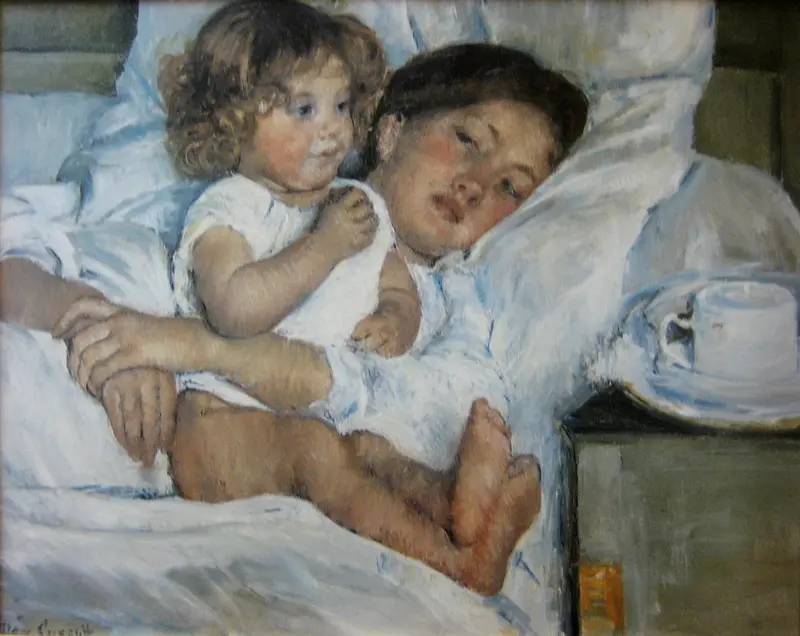
Breakfast in Bed
Mary Cassatt

Mother and Child (Baby Getting Up from His Nap)
Mary Cassatt
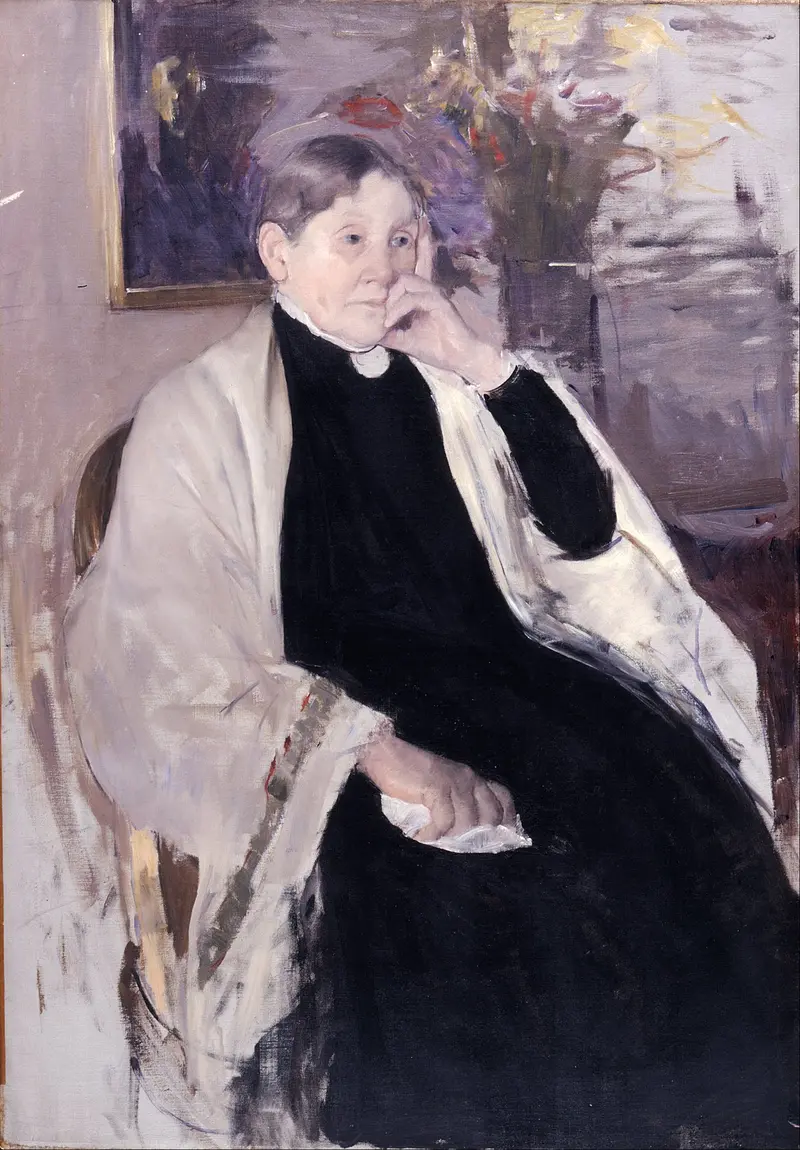
Mrs. Robert S. Cassatt, the Artist's Mother
Mary Cassatt
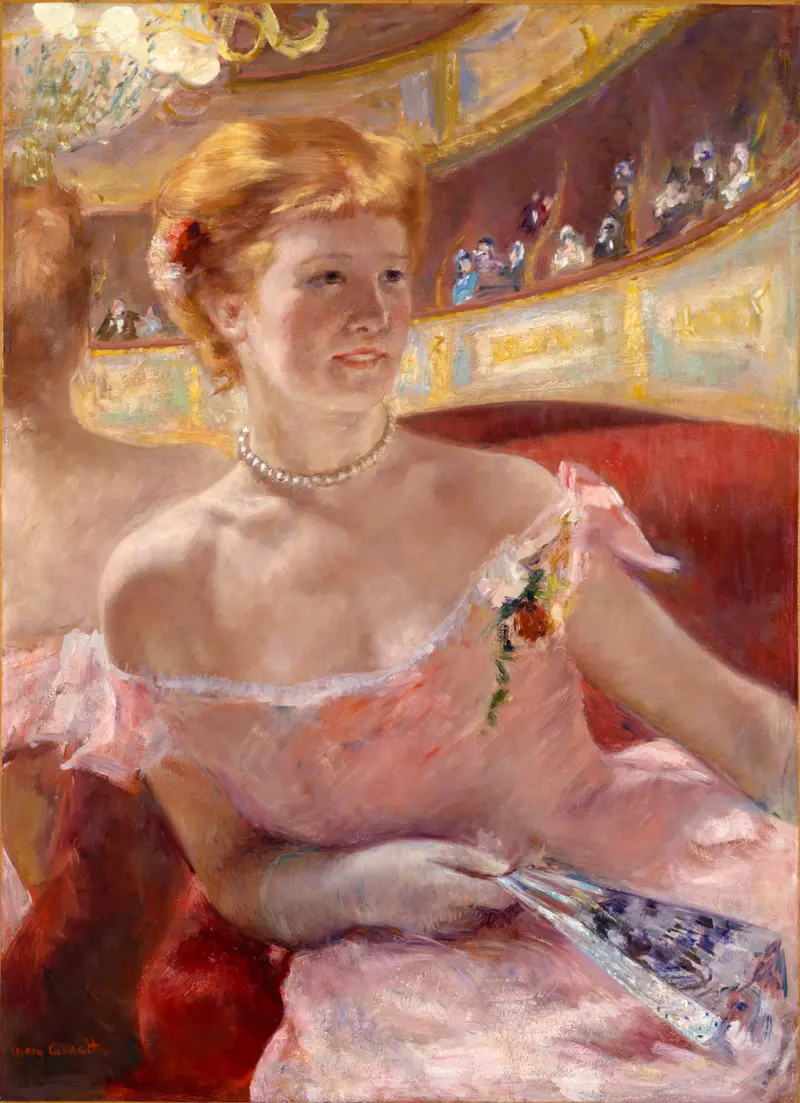
Woman with a Pearl Necklace in a Loge
Mary Cassatt
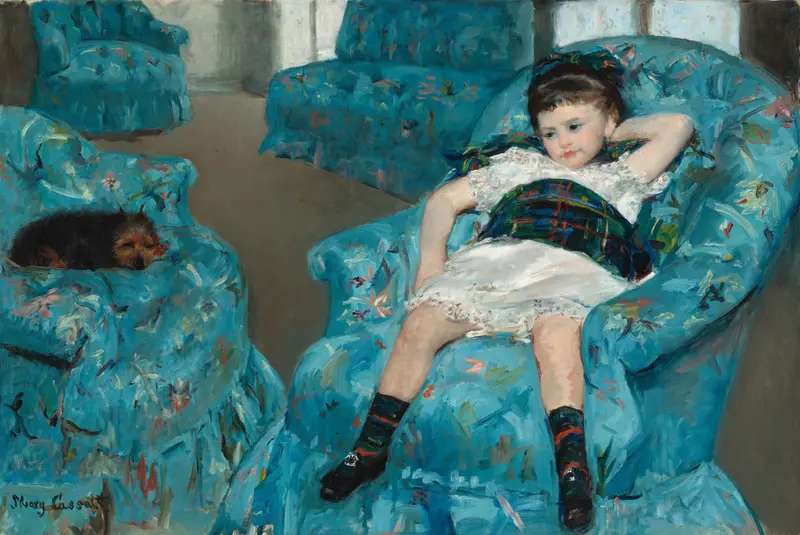
Little Girl in a Blue Armchair
Mary Cassatt
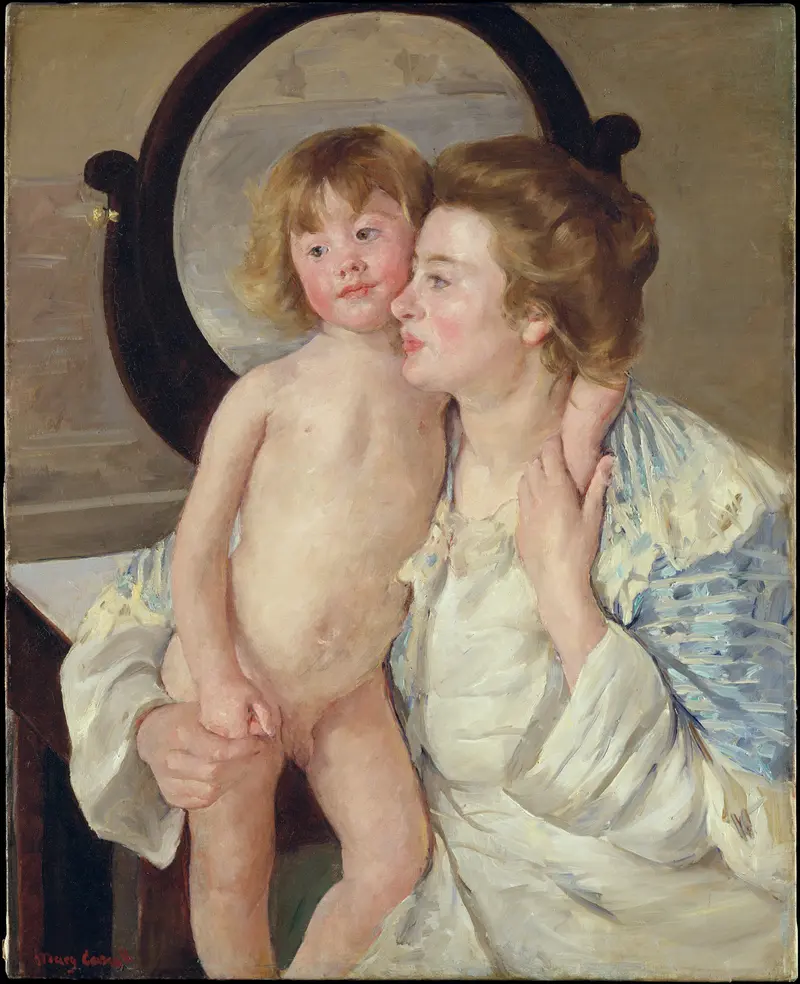
Mother and Child (The Oval Mirror)
Mary Cassatt
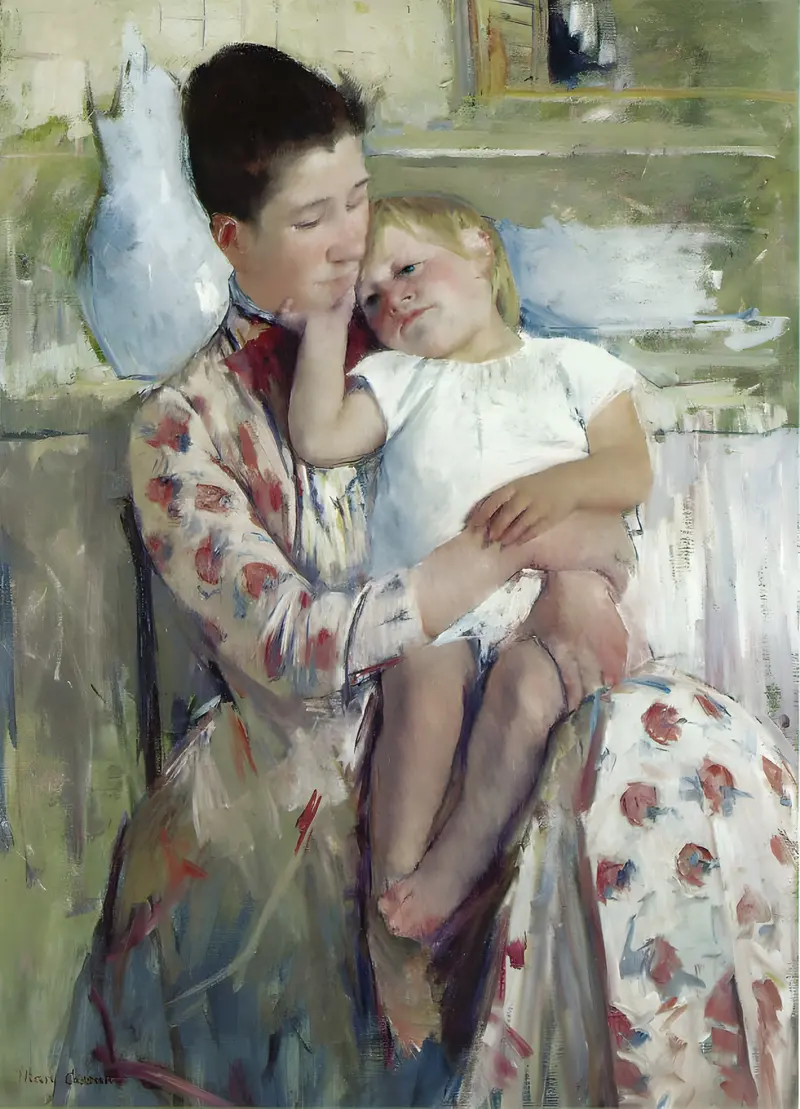
Mother and Child
Mary Cassatt
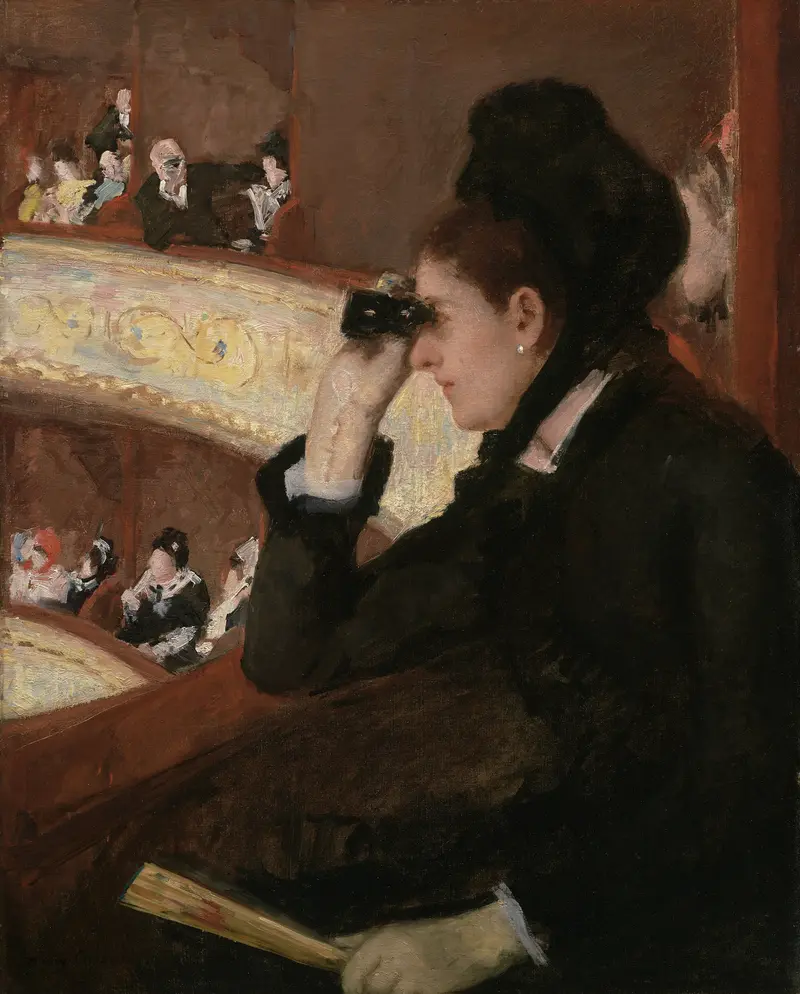
In The Loge
Mary Cassatt
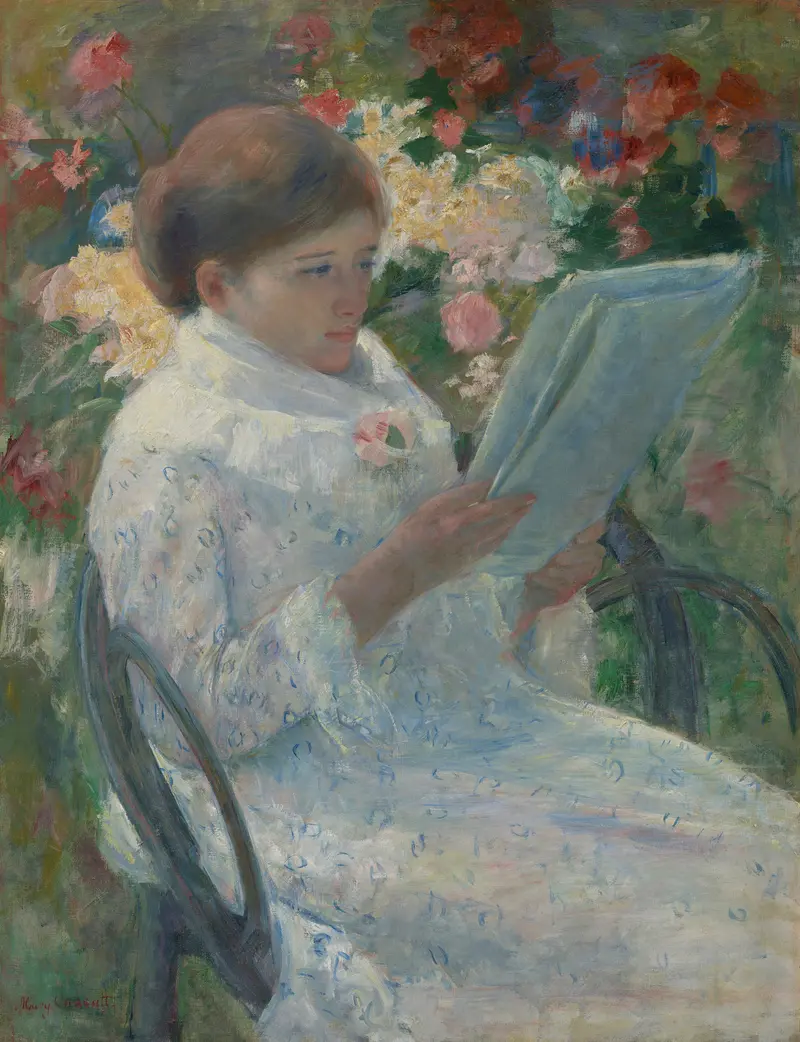
On a Balcony
Mary Cassatt
More Genre Scene Art

Banquet of the Officers of the St George Civic Guard
Frans Hals

Rembrandt and Saskia in the Scene of the Prodigal Son
Rembrandt van Rijn

Bal du moulin de la Galette
Pierre-Auguste Renoir

Quadrille at the Moulin Rouge
Henri de Toulouse-Lautrec

A Burial at Ornans
Gustave Courbet

When Will You Marry?
Paul Gauguin