
Ubbergen Castle — History & Facts
A ruined castle rises from the water’s edge, its battered towers catching the last warmth of the afternoon sun. What draws the eye is not just the crumbling stone, but the quiet conversation between land, sky, and the people who inhabit this gentle world. A shepherd in a red jacket tends his flock, while a mounted figure pauses beside him, both dwarfed by the vastness of the landscape and the silent witness of the ancient fortress.
The light, golden and low, picks out the roughness of the walls and the softness of the sheep’s wool, while the placid water doubles the scene in a shimmering reflection. In the distance, gentle hills roll beneath a sky alive with cloud and the faint silhouettes of birds, inviting the viewer to wander further into the painting’s calm. Painted around 1655, Ubbergen Castle by Aelbert Cuyp belongs to the Dutch Golden Age, a period when landscapes became a source of national pride and personal pleasure. Artists like Cuyp transformed familiar countryside views into something quietly monumental, celebrating both the enduring and the everyday.
Such works were often made for prosperous burghers who wanted reminders of the land’s beauty and history on their walls—scenes that balanced nostalgia for the past with the rhythms of rural life. Now part of The National Gallery, London, this painting stands as a gentle testament to a world in transition, where ruins and renewal, solitude and society, all meet beneath the Dutch sky. Let your gaze linger on the play of light, and imagine the stories these stones and figures might still tell.
More Artworks by Aelbert Cuyp

The Maas at Dordrecht
Aelbert Cuyp
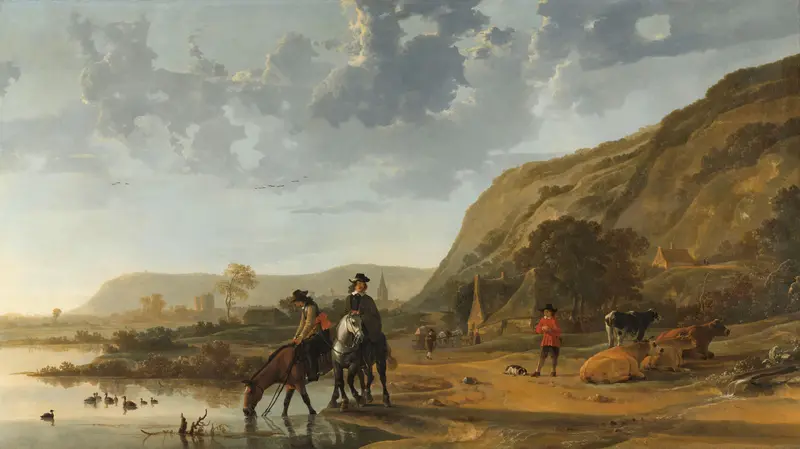
River Landscape with Riders
Aelbert Cuyp

The Maas at Dordrecht
Aelbert Cuyp
Gezicht op Dordrecht
Aelbert Cuyp
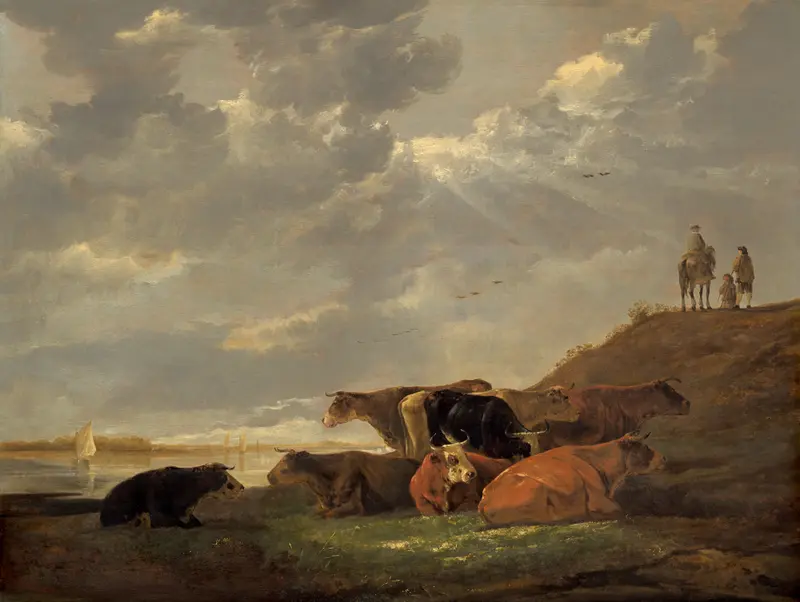
River Landscape with Cows
Aelbert Cuyp
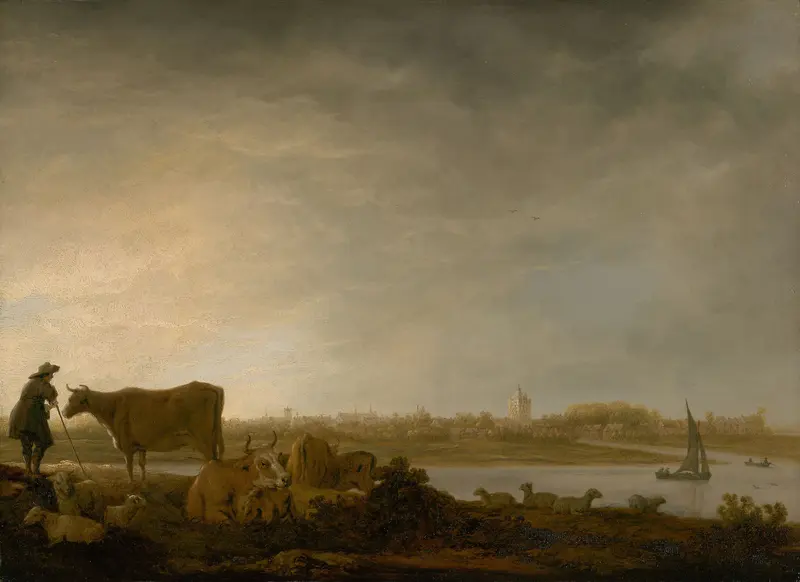
A View of Vianen with a Herdsman and Cattle by a River
Aelbert Cuyp
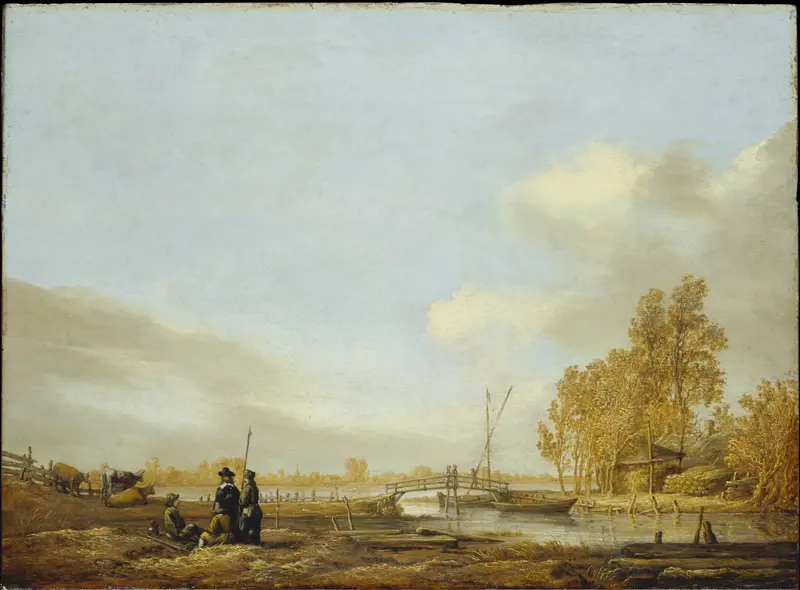
River Landscape with Footbridge
Aelbert Cuyp
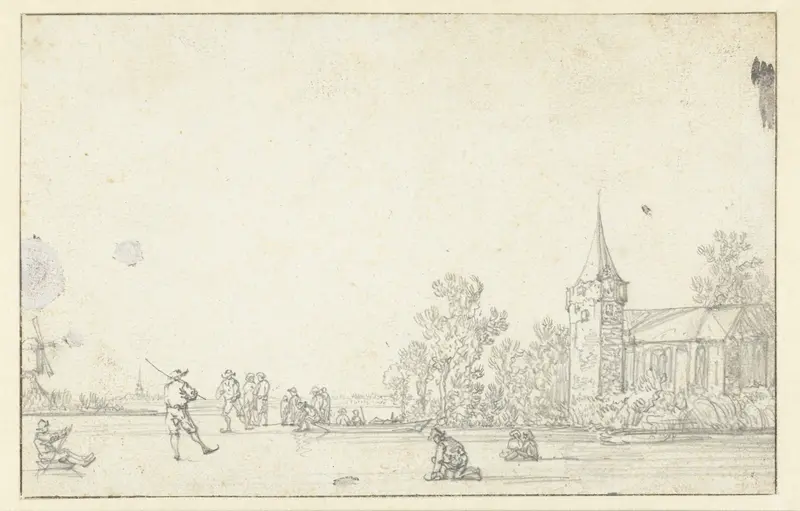
Bevroren rivier met schaatsers bij een kerk
Aelbert Cuyp

Cattle near a River
Aelbert Cuyp
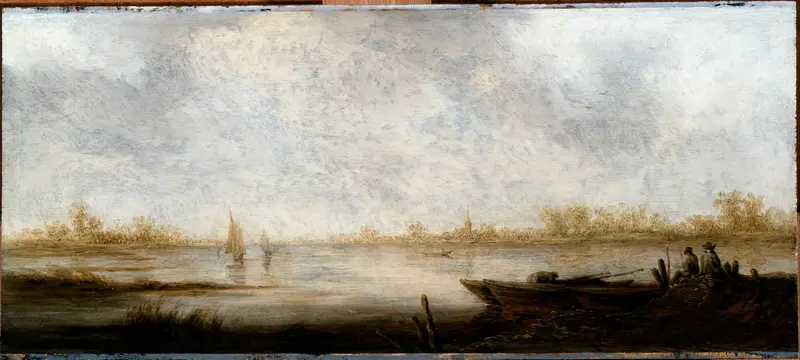
River Landscape
Aelbert Cuyp
More Landscape Art

The Starry Night
Vincent van Gogh

View of Delft
Johannes Vermeer

Water Lilies
Claude Monet

The Grand Canal, Venice, looking north-west from the Ca' Corner to the Ca' Contarini degli Scrigni, with the campanile of Santa Maria della Carità
Canaletto

Windsor Castle
Canaletto

The Grand Canal looking North-East from the Palazzo Dolfin-Manin to the Rialto Bridge
Canaletto