
Un homme et une femme s’abritant sous une voute des Drie Gapers, Ostende — History & Facts
Could a single brushstroke hold eternity? In Un homme et une femme s’abritant sous une voute des Drie Gapers, the fleeting moment of two figures sheltered beneath an arch mirrors the transient nature of life itself. Focus on the solemn figures at the center, their silhouettes slightly turned toward each other, encapsulated within a dimly lit space. Notice how the light filters in from above, casting a soft glow that contrasts sharply with the deep, haunting blues and blacks that envelop the scene. The archway frames them like a portal, suggesting both refuge and confinement, while the brushwork offers a tactile quality that draws the viewer into this intimate space. The interplay of light and shadow evokes a poignant tension between security and vulnerability.
The couple's posture suggests a shared solitude, as if they are both together and alone, contemplating their mortality against the backdrop of a world that is both beautiful and cruel. The archway, a symbol of shelter, doubles as a reminder of the impermanence that surrounds them, while the muted color palette deepens the emotional gravity of the moment. Léon Spilliaert painted this work in 1910, during a time when he was exploring themes of introspection and existentialism in Ostend, Belgium. The early 20th century was marked by a profound questioning of identity and purpose in the shadow of modernity, and Spilliaert’s expressionist approach captured the complexity of human experience amidst this shifting landscape.
More Artworks by Léon Spilliaert
Browse all →
Beachview at night
Léon Spilliaert

Strand met maan
Léon Spilliaert

De zeedijk te Oostende van op het staketsel gezien
Léon Spilliaert
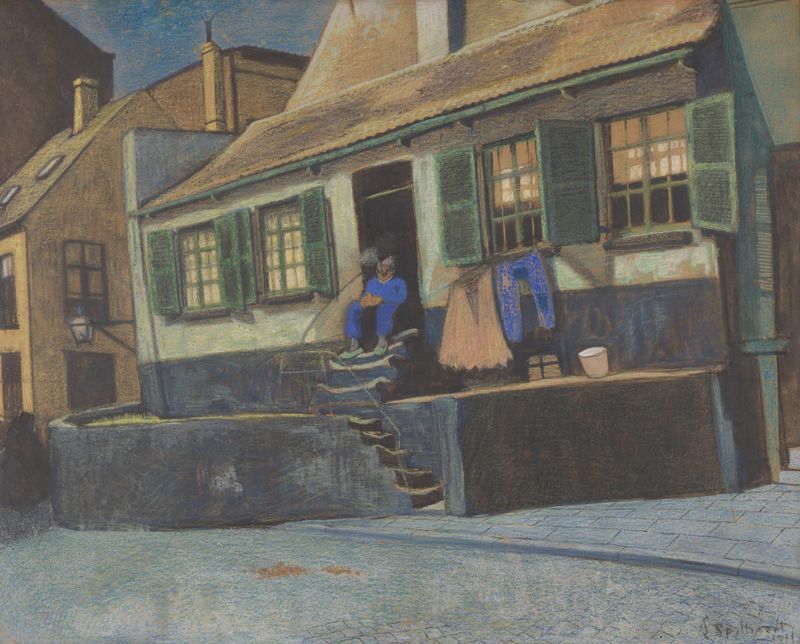
Het huis genaamd ‘De Preekstoel’ te Oostende
Léon Spilliaert

Vijgenboom in de winter, Grasse
Léon Spilliaert
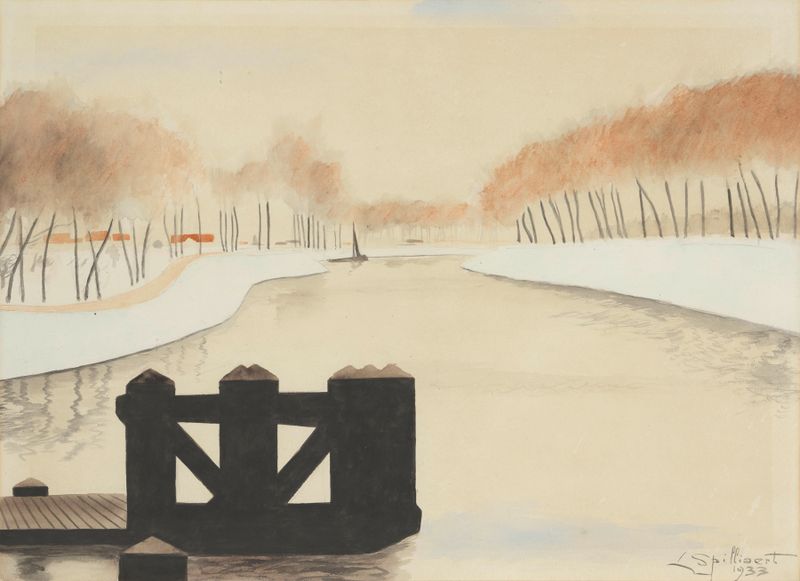
De Keignaertkreek in Zandvoorde
Léon Spilliaert
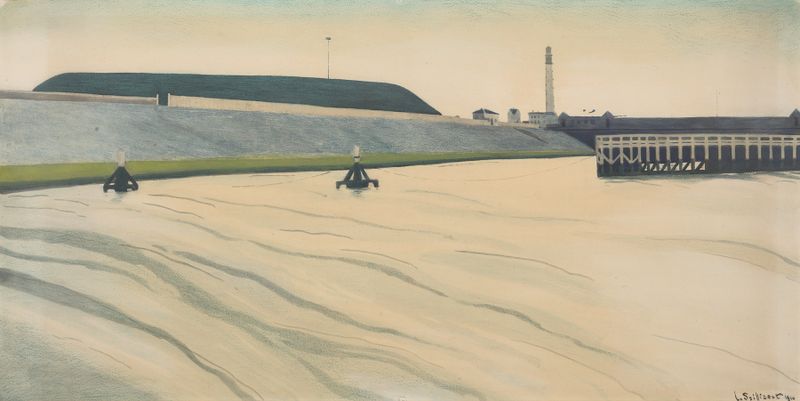
Haven te Oostende
Léon Spilliaert
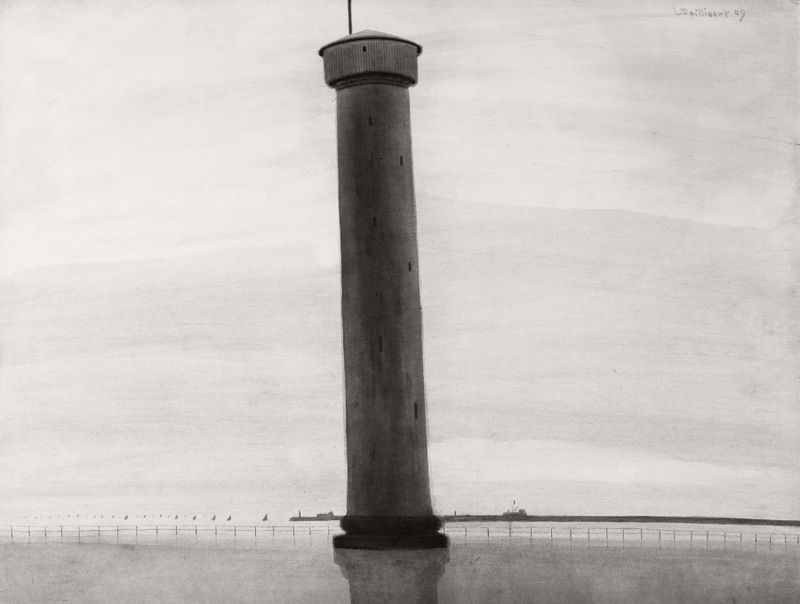
Le Phare aux signaux [De vuurtoren]
Léon Spilliaert
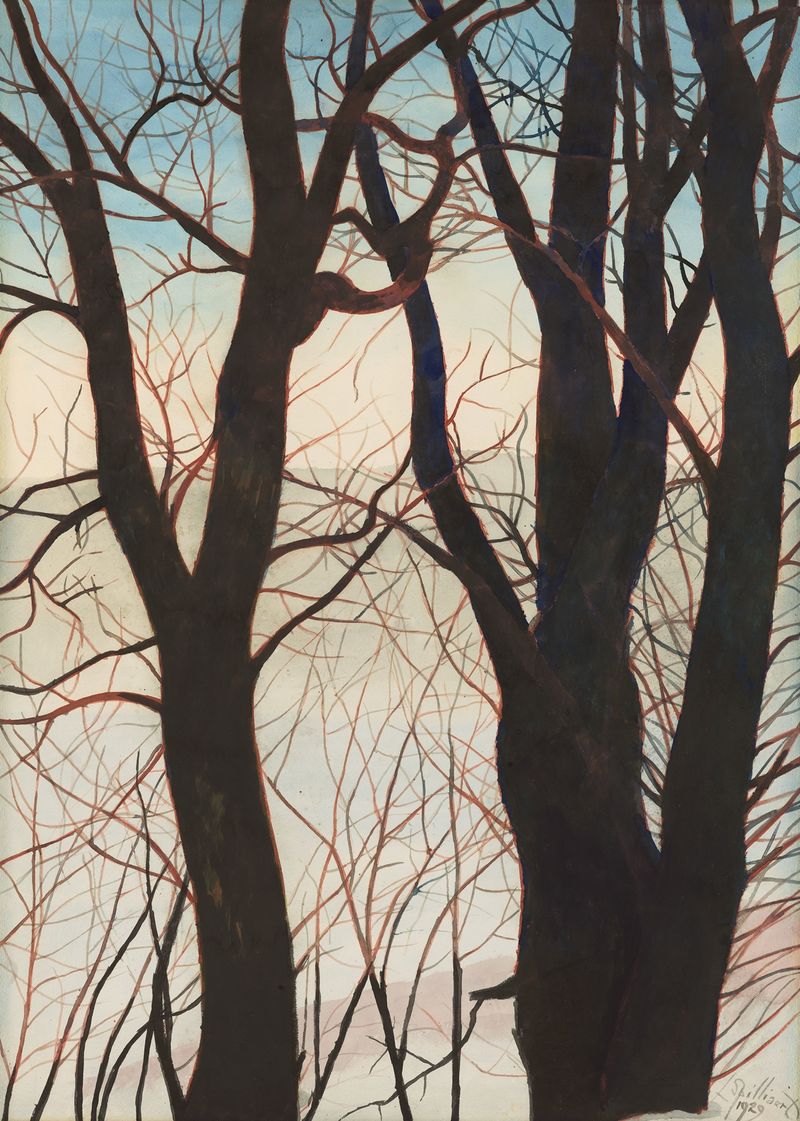
Bomen in de sneeuw
Léon Spilliaert
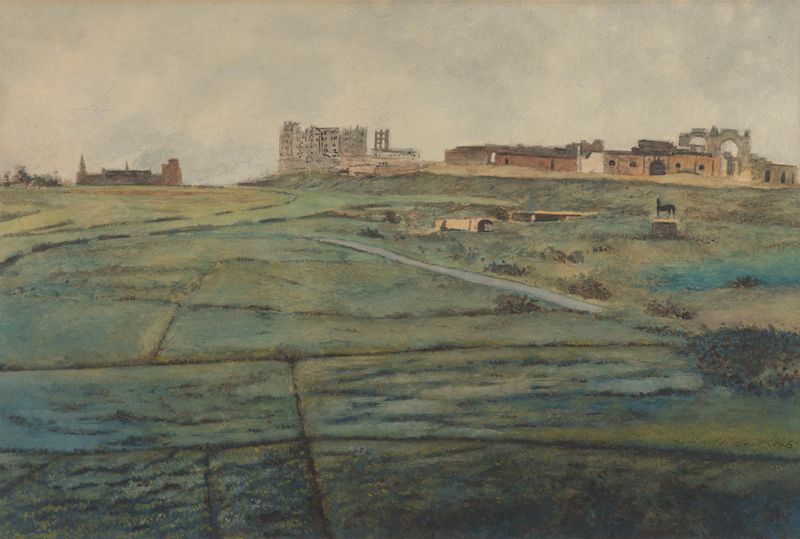
De Wellingtonrenbaan en het Royal Palace Hotel te Oostende kort na de Tweede Wereldoorlog
Léon Spilliaert





