
Un penseur, jeune moine romain — History & Facts
In 1848, a young Alexandre Cabanel entered the fiercely competitive Prix de Rome with Un penseur, jeune moine romain, a work that revealed his early fascination with the inner life of his subjects. This painting, submitted when Cabanel was just 25, marked a turning point: it won him the second prize, a crucial step that would set him on the path to becoming one of the leading figures of the French academic tradition. The jury, seeking both technical prowess and psychological depth, found in Cabanel's monk a quiet intensity that distinguished the canvas from the more dramatic entries of his peers. The scene captures a Roman novice monk, seated in a bare cell, lost in thought.
His downcast eyes and loosely clasped hands suggest a moment of private struggle or contemplation—perhaps wrestling with faith, duty, or the temptations of the world he has left behind. The sparse setting, punctuated only by a simple crucifix and the faint glow of daylight, focuses the viewer’s attention on the young man’s face, where Cabanel’s fine brushwork renders a delicate tension. Unlike the theatrical gestures of Ingres’s religious figures, Cabanel’s monk is inward, his story told through subtle posture and the play of light on his brow, inviting us to imagine the silent questions that trouble him. Little is known about the subsequent history of Un penseur, jeune moine romain after its exhibition in 1848, and its current location remains uncertain—an unusual fate for a work by Cabanel, who would later paint for Napoleon III and preside over the Paris Salon jury.
The painting’s early success, however, was instrumental in establishing Cabanel’s reputation for psychological realism and technical refinement, qualities that would define his celebrated later works such as The Birth of Venus. Today, the painting survives in reproductions and exhibition records, a testament to the formative years of an artist who shaped the course of 19th-century French painting.
More Artworks by Alexandre Cabanel
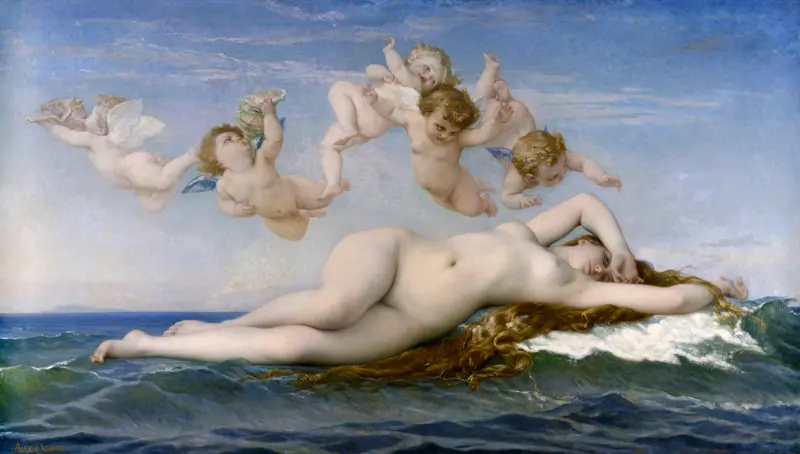
The Birth of Venus
Alexandre Cabanel
Phèdre
Alexandre Cabanel
La veuve du maître de chapelle
Alexandre Cabanel
Portrait de M. Pierre Cabanel
Alexandre Cabanel
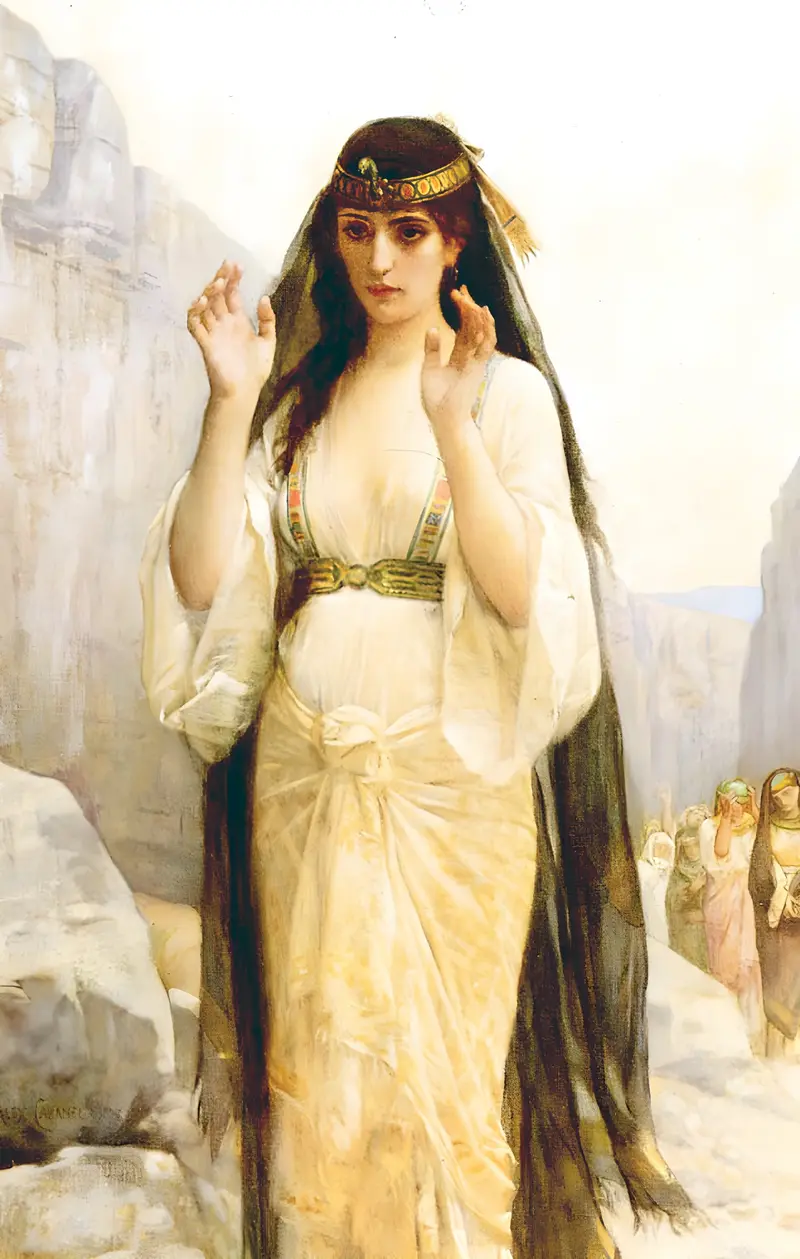
The Daughter of Jephthah
Alexandre Cabanel
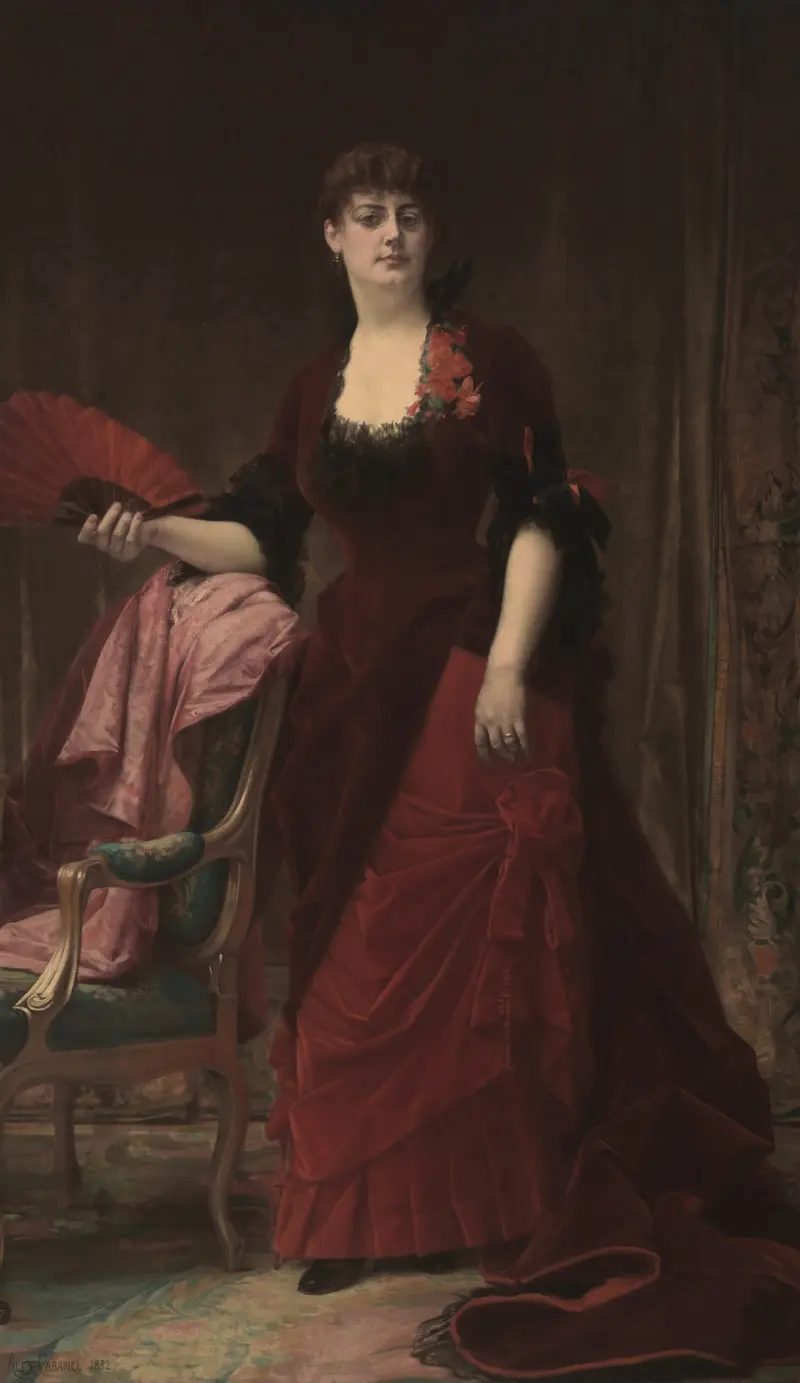
Portrait of Arabella Worsham (later Arabella Huntington)
Alexandre Cabanel
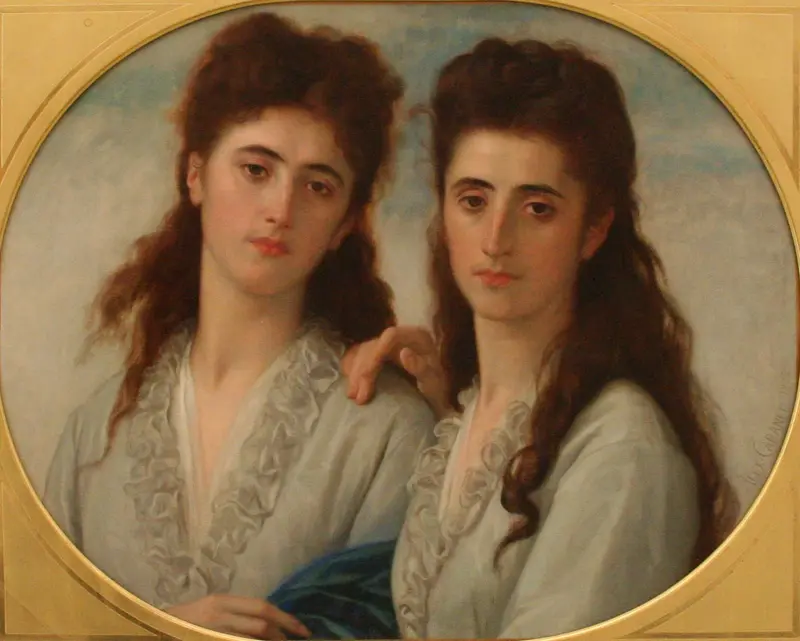
Portrait de mesdemoiselles Sophie et Berthe Cabanel
Alexandre Cabanel
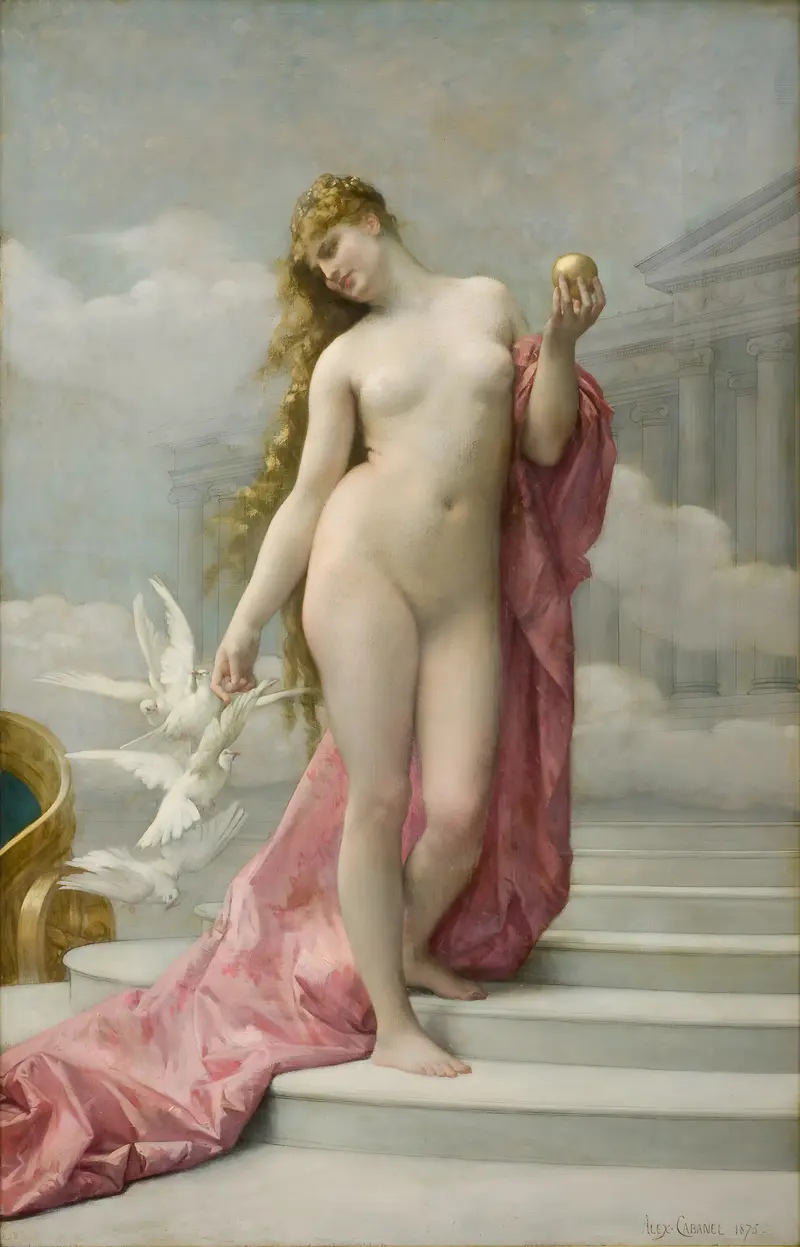
Vénus victorieuse
Alexandre Cabanel
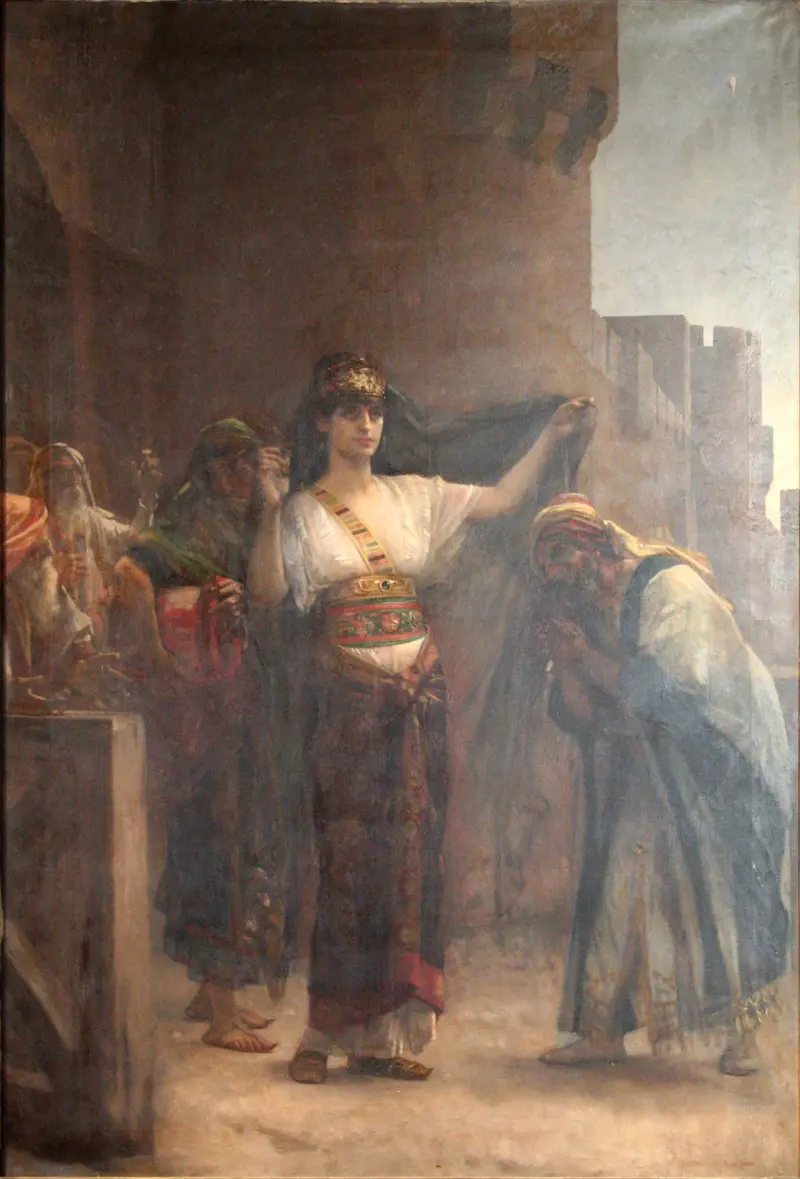
Judith
Alexandre Cabanel
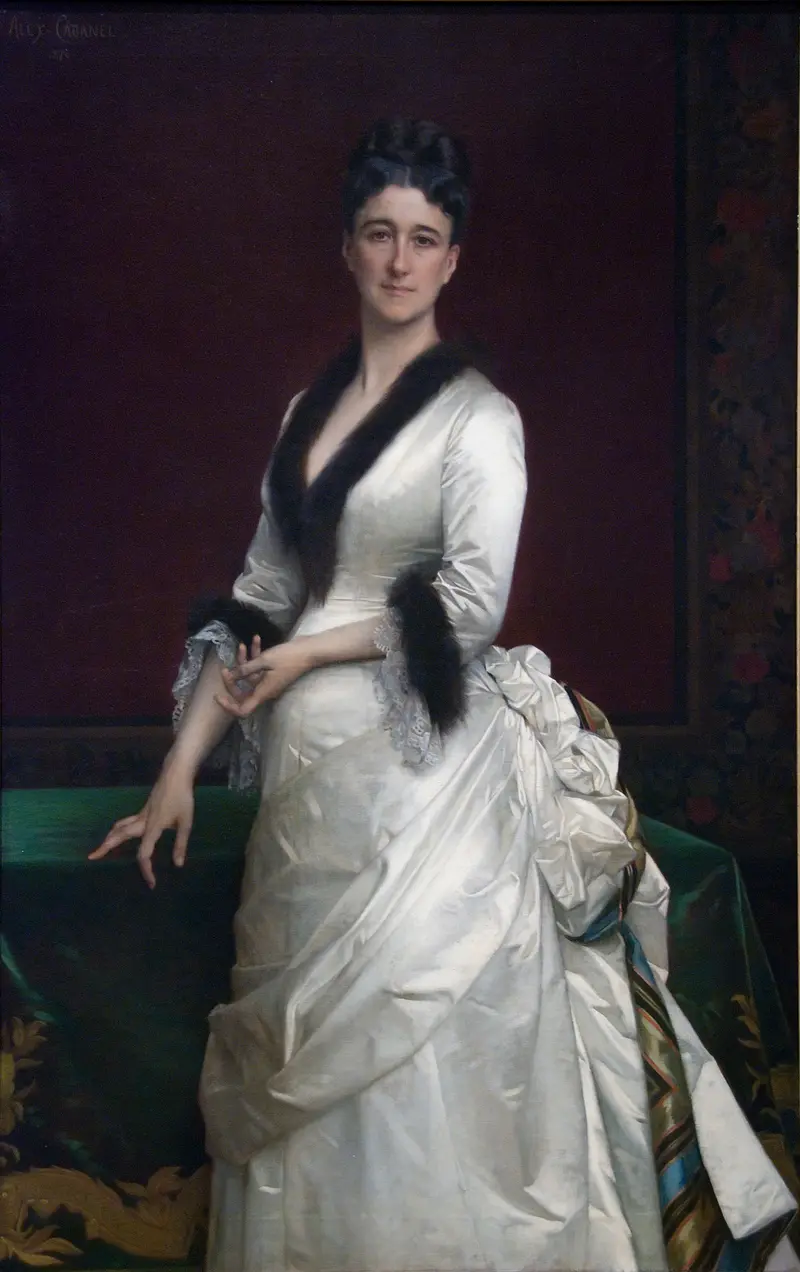
Catharine Lorillard Wolfe (1828–1887)
Alexandre Cabanel





