
Van Campen Family Portrait in a Landscape (left half) — History & Facts
When Van Campen Family Portrait in a Landscape (left half) was rediscovered in the 20th century, it was revealed to be just one half of a much larger family portrait, its companion panel separated for centuries. This dramatic reunion of the two halves—one in the Museo Thyssen-Bornemisza, the other in a private collection—sparked scholarly excitement and debate over the original composition and the identities of the sitters. The painting offers a rare glimpse into the ambitions and self-image of a wealthy Dutch family during the early Baroque period, at a time when group portraiture was still a relatively new genre in the Northern Netherlands. In this left half, members of the Van Campen family are shown gathered outdoors, their elegant attire and composed gestures asserting both their unity and their social status.
The children’s playful yet orderly poses, the subtle clasping of hands, and the carefully arranged landscape behind them all serve to communicate familial harmony and prosperity. The light falls gently across their faces, highlighting individual features while binding the group together—a technique reminiscent of Frans Hals’s lively brushwork in his later civic guard portraits, though here with a more restrained dignity. Unlike the more theatrical family groups painted by Rembrandt, Hals opts for a sense of immediacy and informality, inviting viewers into the family’s world rather than staging them as distant icons. The exact circumstances of the commission are not fully documented, but the Van Campens were a prominent Haarlem family, likely seeking to commemorate their lineage and fortune.
Over the centuries, the painting was separated from its right half, leading to confusion about its authorship and meaning until recent research clarified its origins. Today, Van Campen Family Portrait in a Landscape (left half) is recognized as a significant example of early Dutch family portraiture and a testament to Frans Hals’s evolving style. Its journey from private home to museum wall mirrors the broader story of Dutch Golden Age art—treasured, dispersed, and finally, rediscovered.
More Artworks by Frans Hals

Banquet of the Officers of the St George Civic Guard
Frans Hals

Portrait of Jacob Pietersz Olycan (1596-1638)
Frans Hals
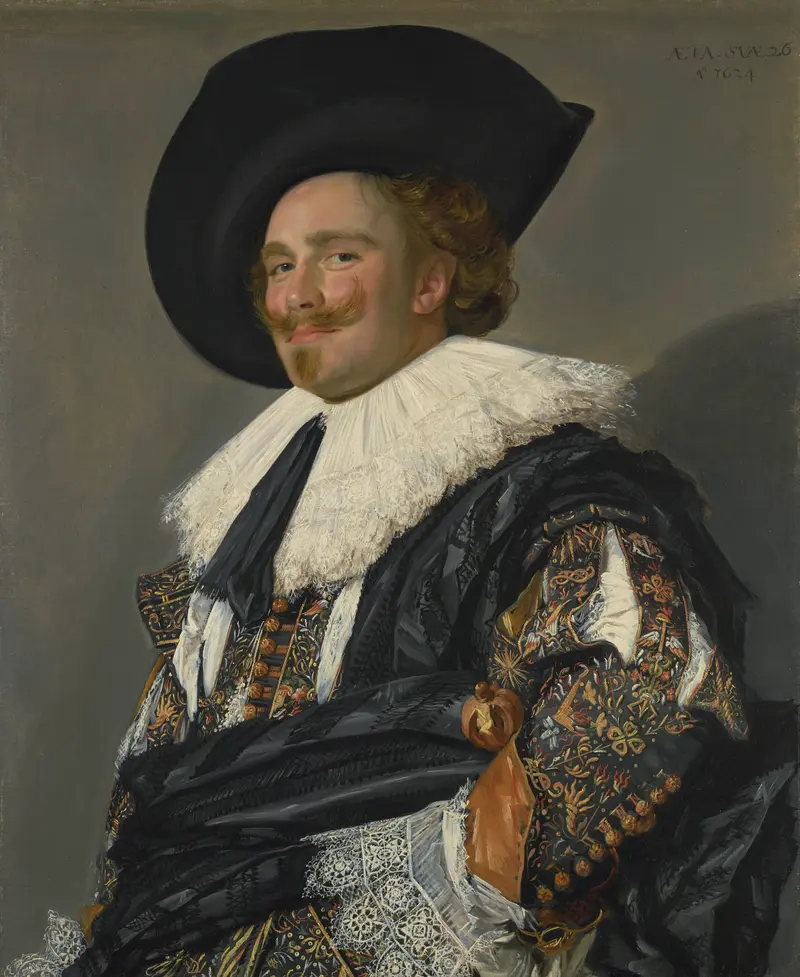
Laughing Cavalier
Frans Hals

Militia Company of District XI under the Command of Captain Reynier Reael, Known as ‘The Meagre Company’
Frans Hals
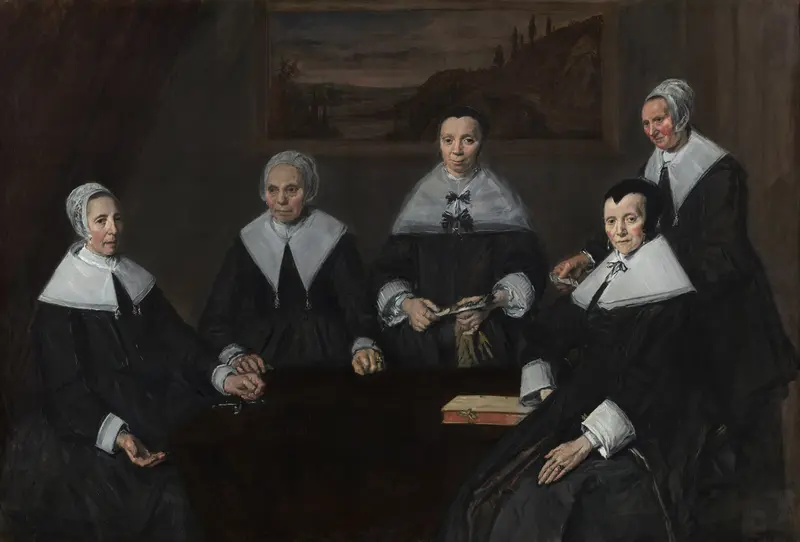
Regentesses of the Old Men's Alms House
Frans Hals
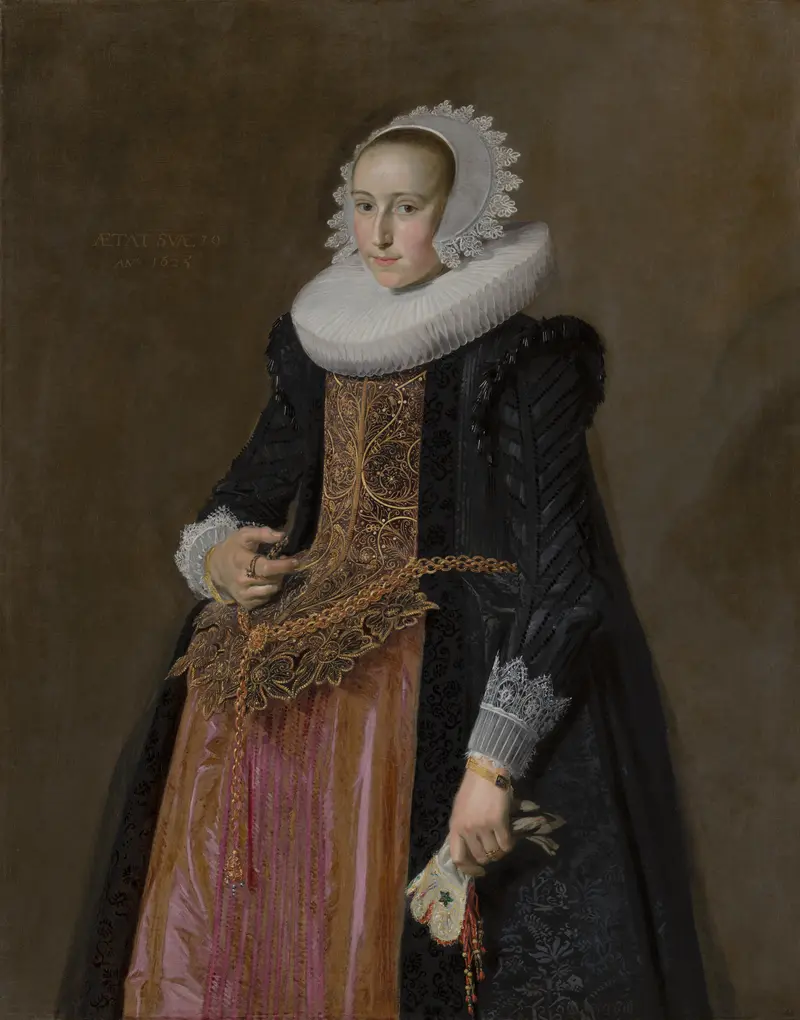
Portrait of Aletta Hanemans (1606–1653)
Frans Hals
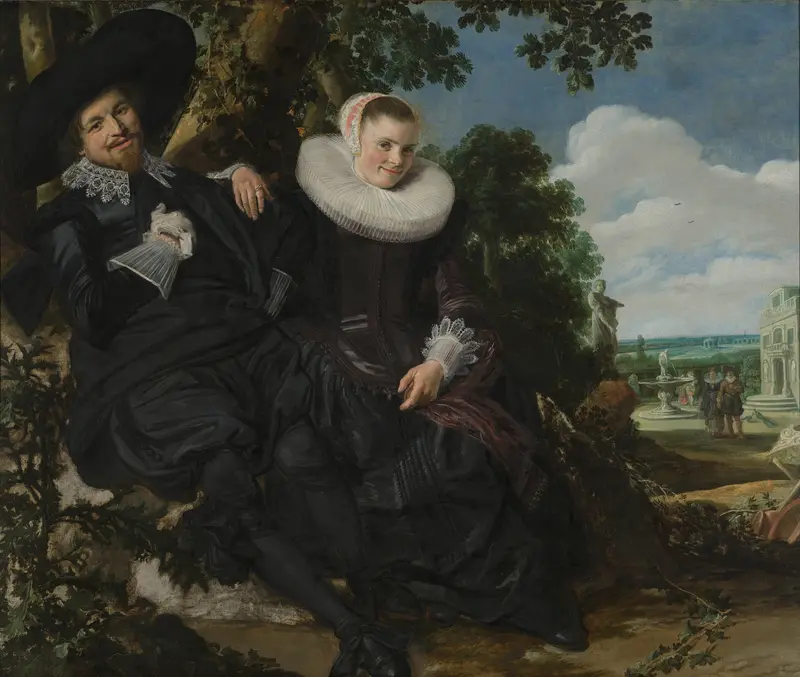
Portrait of a Married Couple, Likely Isaac Abrahamsz Massa and Beatrix van der Laen
Frans Hals
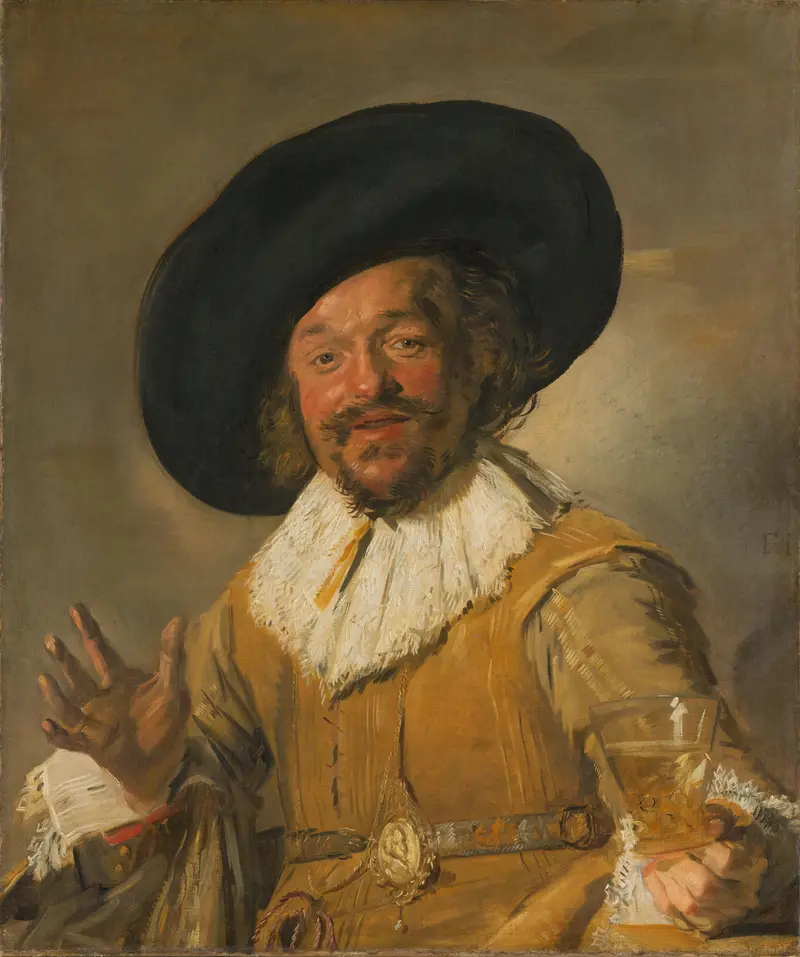
The Merry Drinker
Frans Hals
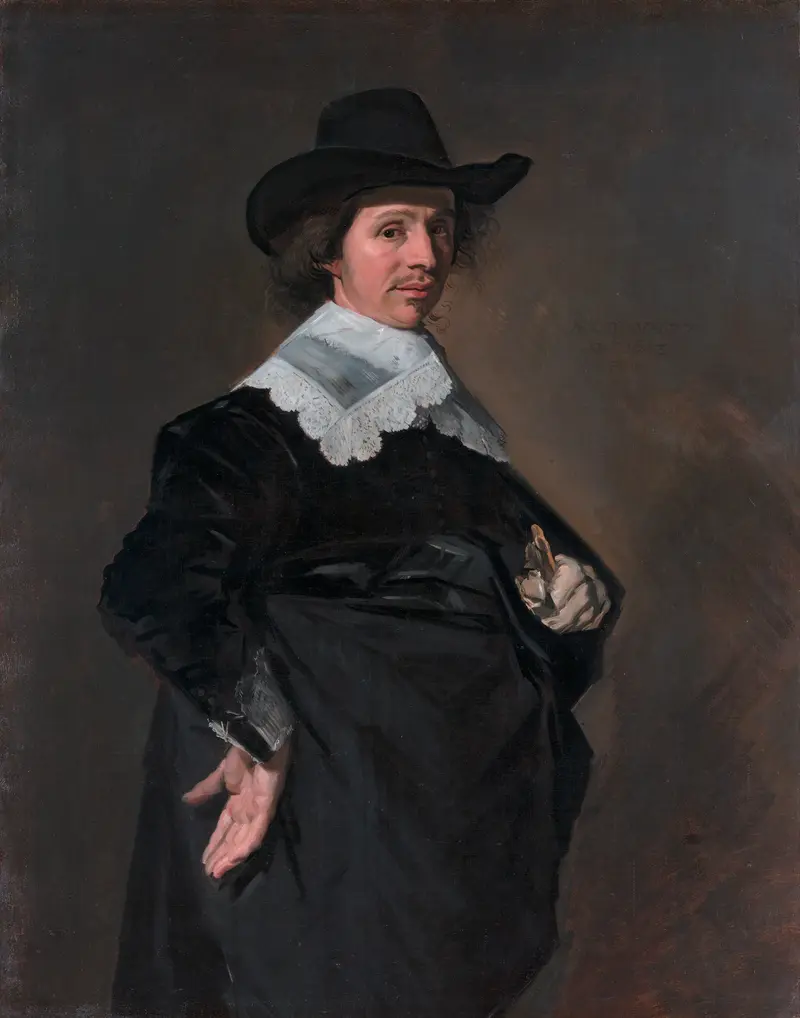
Portrait of Paulus Verschuur
Frans Hals
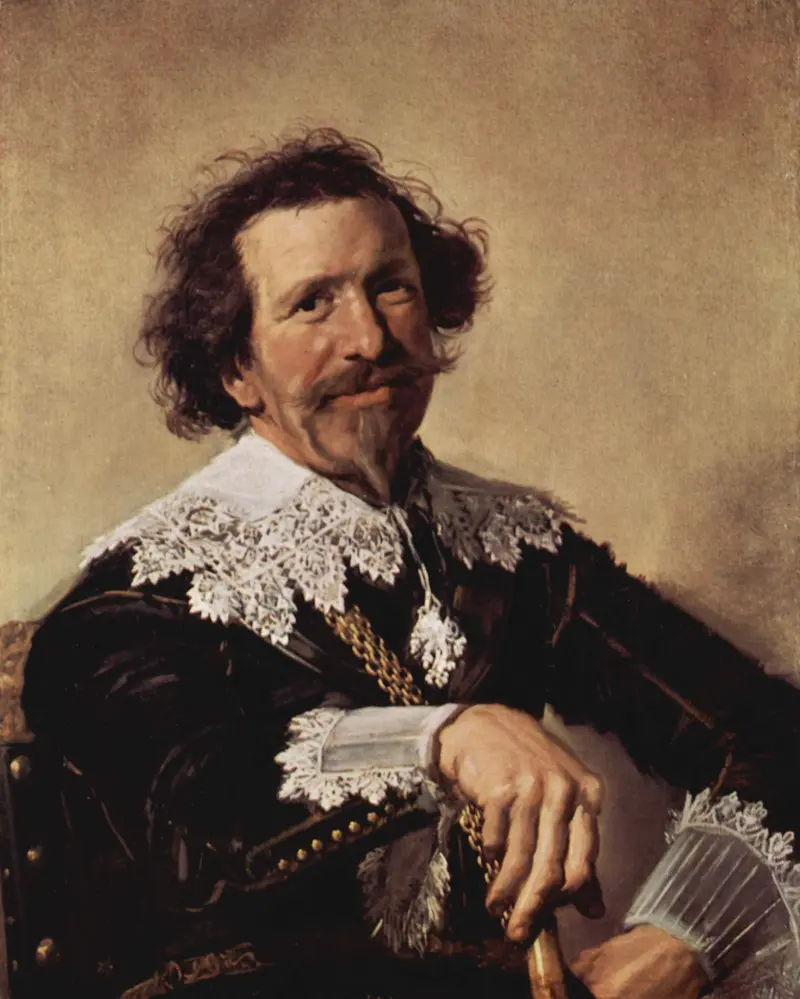
Portrait of Pieter van den Broecke
Frans Hals





