
Variety Act 1: Maxi the Ichthyosaurus Turned Man (Varietenummer 1: Maxi der Mensch Gewor Dene Ichthyosaurus) — History & Facts
There is a sly theatricality to Variety Act 1: Maxi the Ichthyosaurus Turned Man by Moriz Jung, where the very title promises transformation and spectacle before the viewer’s eyes. The image commands attention with its bold, graphic style: a hulking, cartoonish figure outlined in yellow, part-human and part-spiral, sits in profile against a field of black, framed by a border of swirling motifs and blocky German text. The creature’s exaggerated muscles and the almost comically tiny steering wheel in its hand suggest both strength and absurdity, as if the act itself is to marvel at the improbable—a prehistoric beast, now a man, navigating some unseen journey.
The spiral tail draws the eye inward, a visual echo of the variety show’s promise to surprise and delight. Created in 1907, this print belongs to a world where posters and prints were not just advertisements but invitations to fantasy, humor, and the avant-garde. Moriz Jung was active in the circles of Viennese modernism, a time when artists and designers were reimagining the boundaries between high art and popular culture. Such works often adorned the walls of cafés, theaters, and homes, blurring the line between entertainment and art object.
This particular print, now in the collection of the Metropolitan Museum of Art and shared through their open access policy, is a rare survivor of its kind—playful, enigmatic, and a window onto the restless creativity of early twentieth-century Europe. The longer you look, the more the image teases: what act did Maxi perform, and what might the next number be?
More Artworks by Moriz Jung
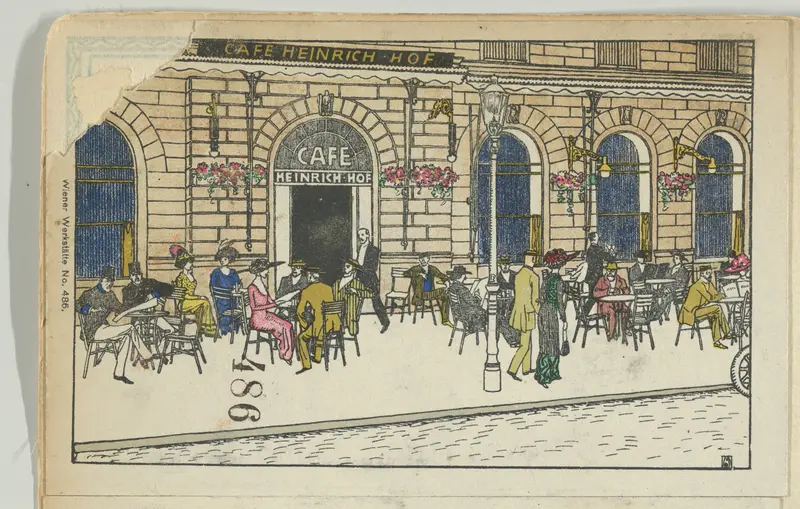
Café Heinrichhof
Moriz Jung

Moriz Jung Porträt
Moriz Jung
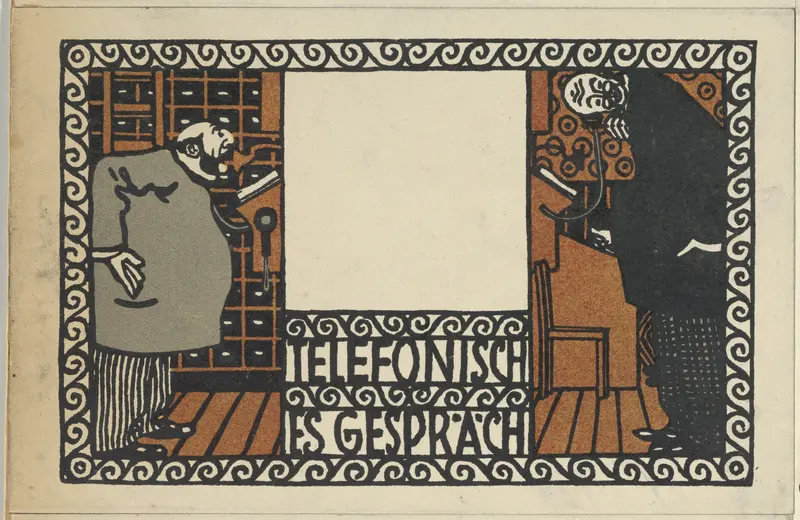
Telephone Conversation (Telefonisches Gespräch)
Moriz Jung
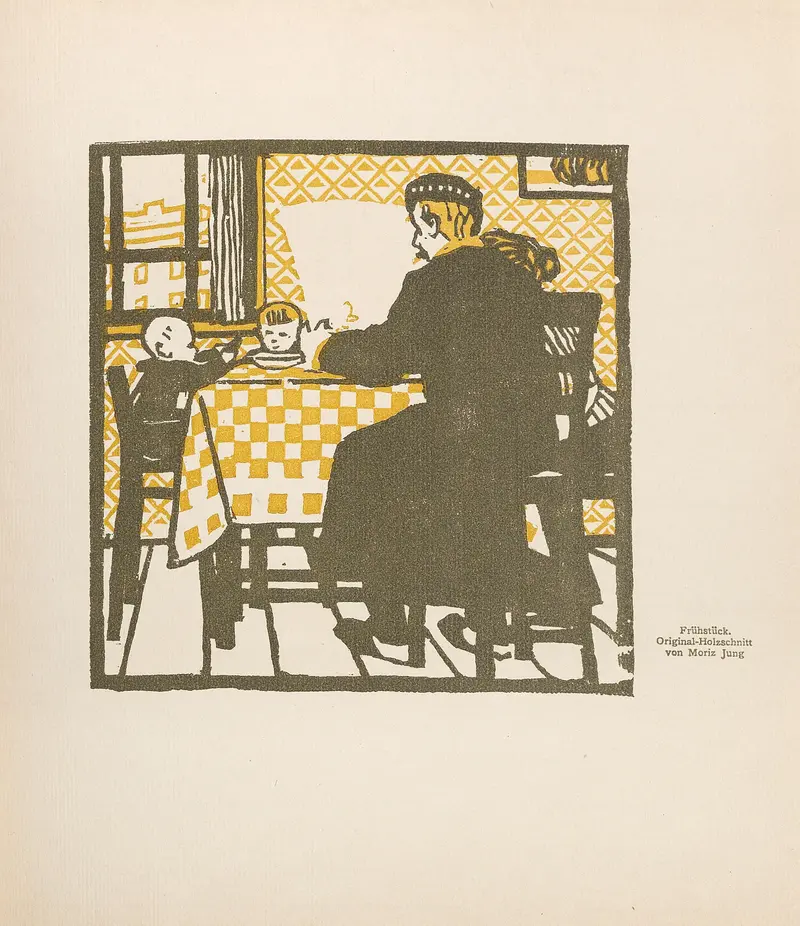
Moriz Jung Frühstück
Moriz Jung
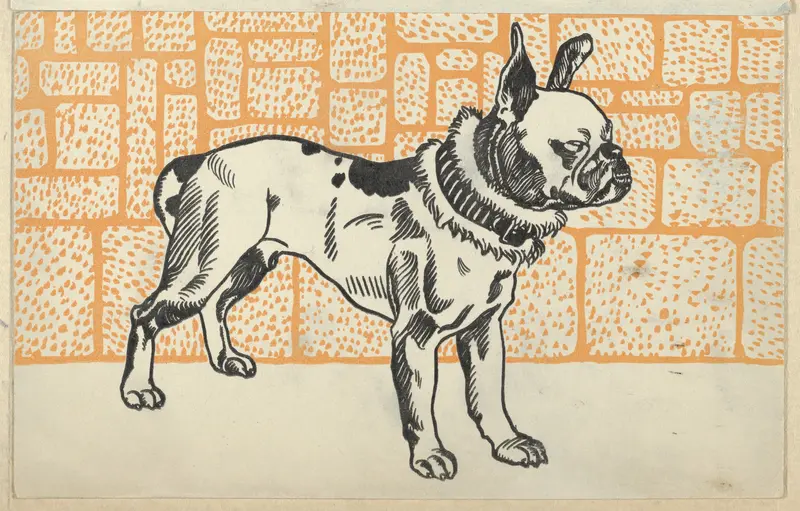
Pitbull Terrier
Moriz Jung
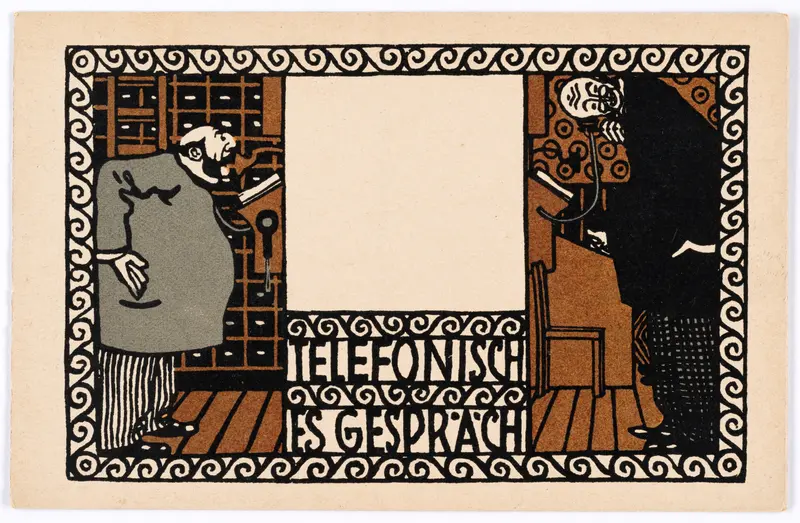
Postkarte der Wiener Werkstätte Nr. 58 - Telefonisches Gespräch
Moriz Jung
Postkarte der Wiener Werkstätte Nr. 58 - Telefonisches Gespräch - verso
Moriz Jung
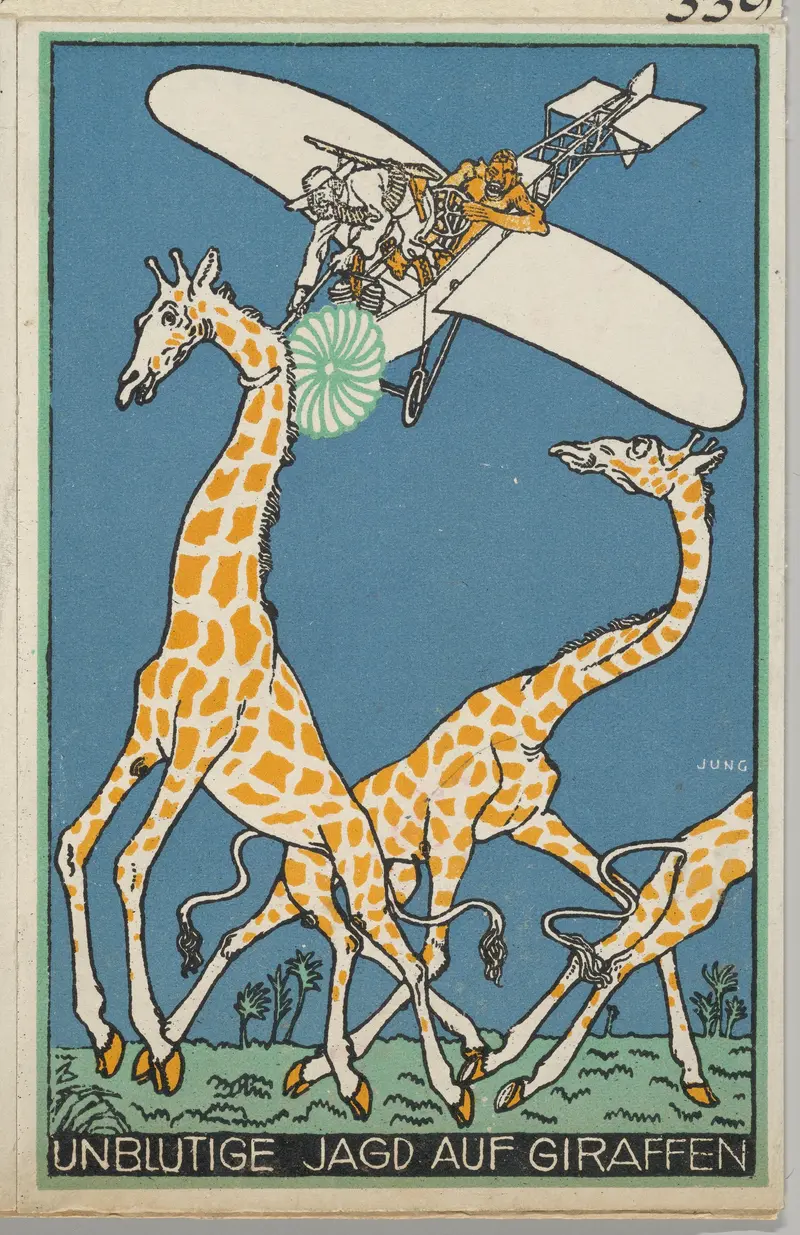
Bloodless Giraffe Hunt (Unblutige Jagd auf Giraffen)
Moriz Jung
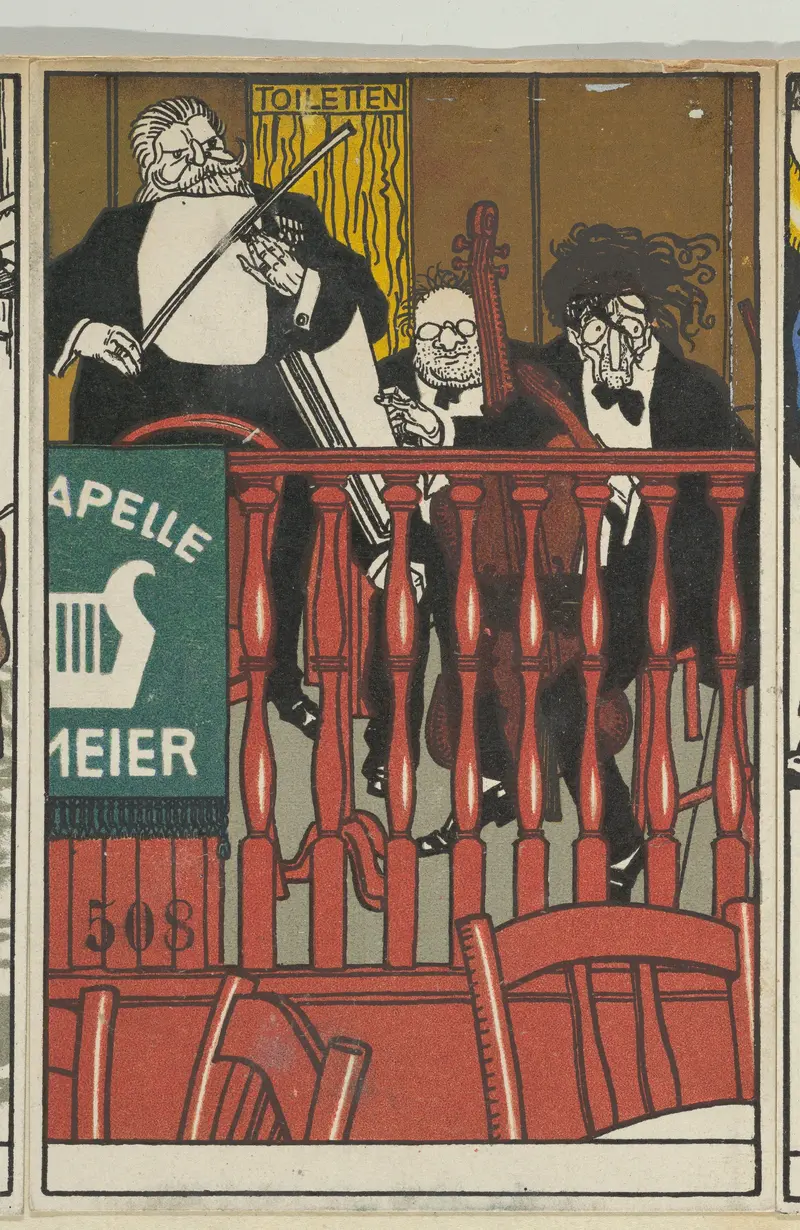
Salon Orchestra Meier
Moriz Jung
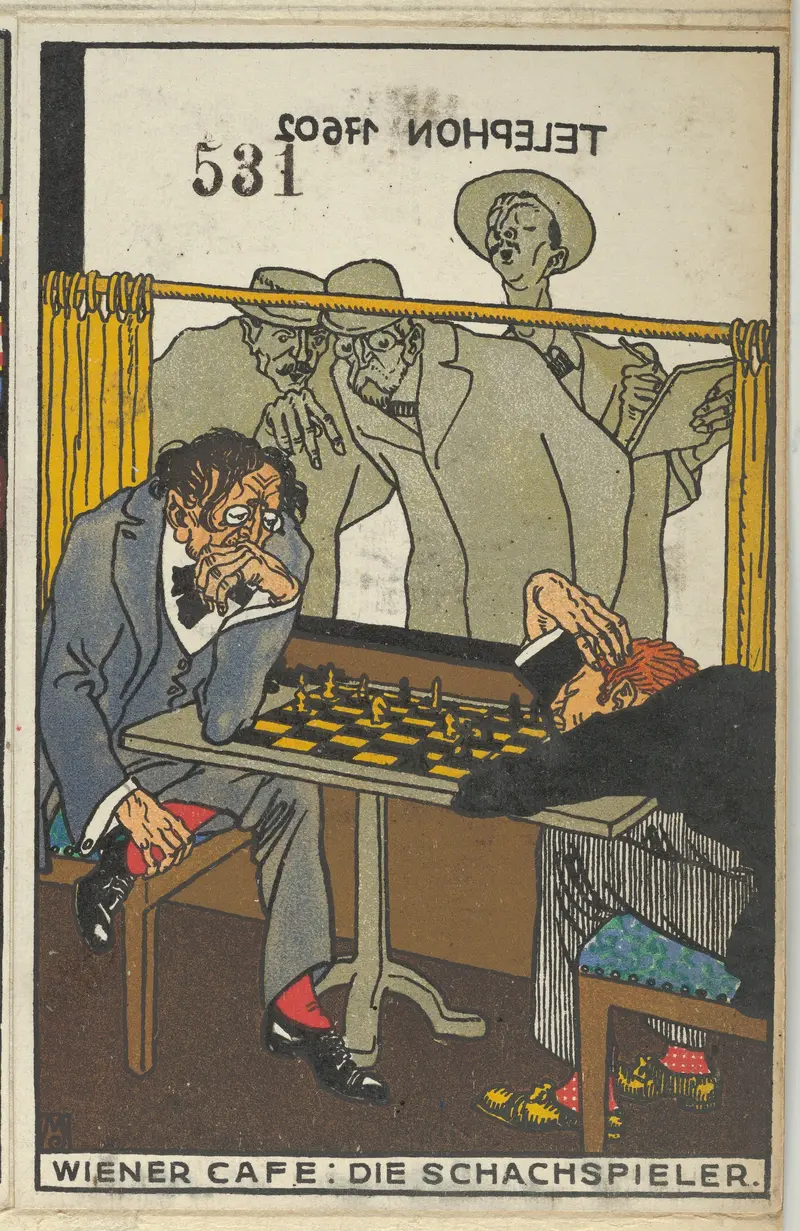
Wiener Café: Die Schachspieler
Moriz Jung



