Venus — History & Facts
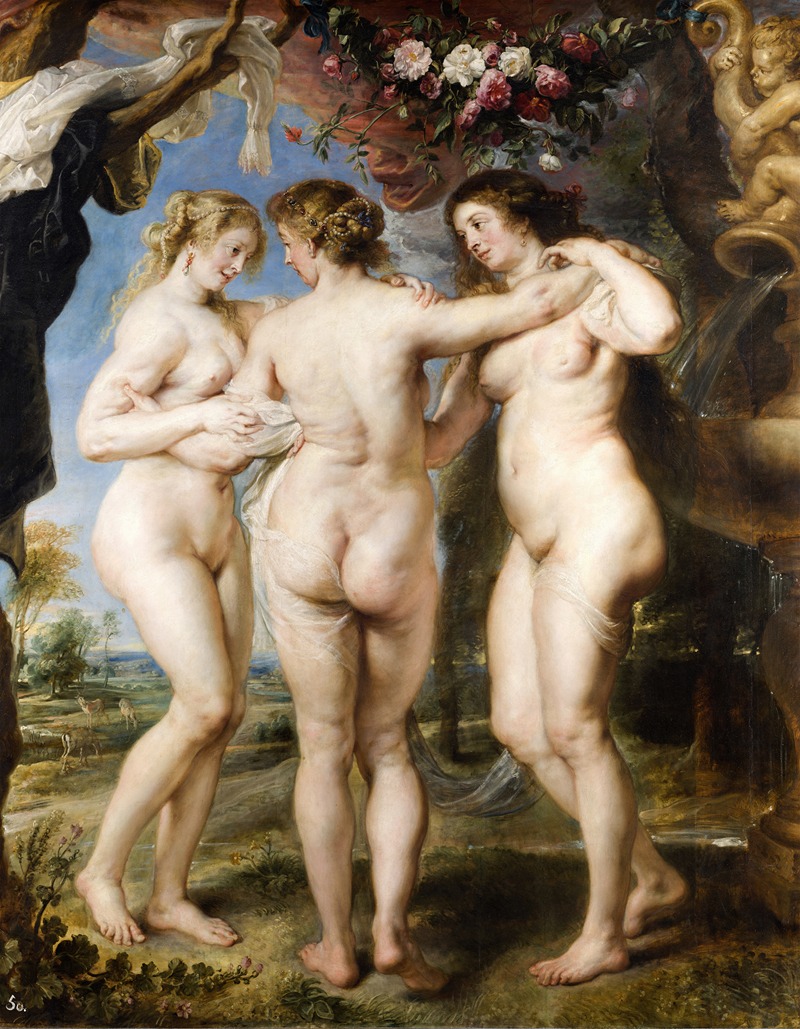
Could a single brushstroke hold eternity? In the delicate strokes of the 16th century, a world pulses with beauty, yet lingers in the silence of absence. Look to the center of the canvas, where the figure of Venus emerges, poised with an ethereal grace. The soft, muted palette whispers of serenity, while the subtle play of light enhances her features, giving her an almost three-dimensional presence. Notice how the artist meticulously renders the textures of her flowing hair and the intricate folds of her drapery, each detail drawing the viewer deeper into a moment suspended in time. Yet, beneath the surface of beauty lies a void.
The juxtaposition of her serene expression against the barren background evokes a sense of longing, as if the goddess herself yearns for something beyond the frame. Each contour and shadow speaks of an emotional tension, hinting at love and loss intertwined. The absence of surrounding figures amplifies her solitude, creating a profound silence that resonates through the piece. The identity of the creator remains shrouded in mystery, known only as Monogrammist AC, active between 1520 and 1562.
This period marked a rich tapestry of artistic experimentation and political change in Europe. The artist, likely in a workshop setting, was amidst a burgeoning Renaissance movement, grappling with the tension between classical ideals and emerging individual expression. In crafting this work, they were not only capturing a mythic figure but also navigating the evolving landscape of art itself.
More Artworks by Monogrammist AC (16e eeuw)
Browse all →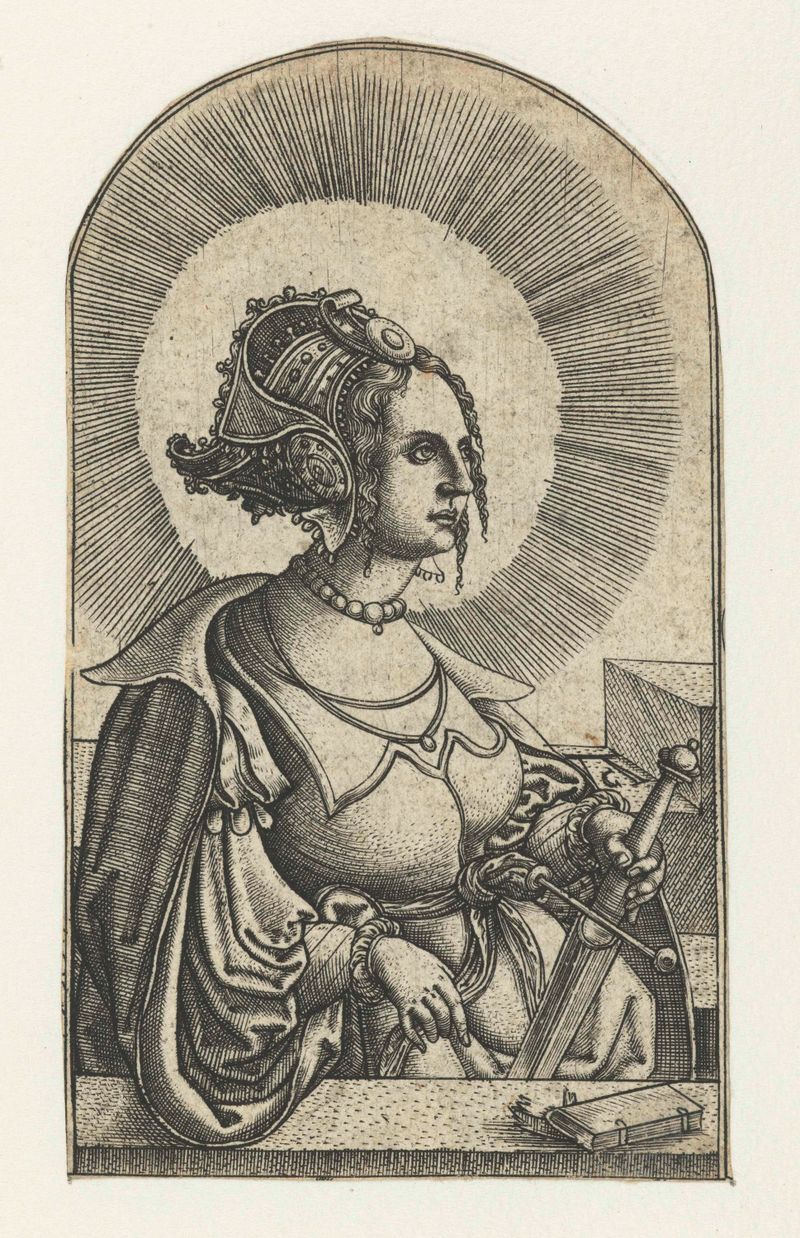
Heilige Catharina
Monogrammist AC (16e eeuw)
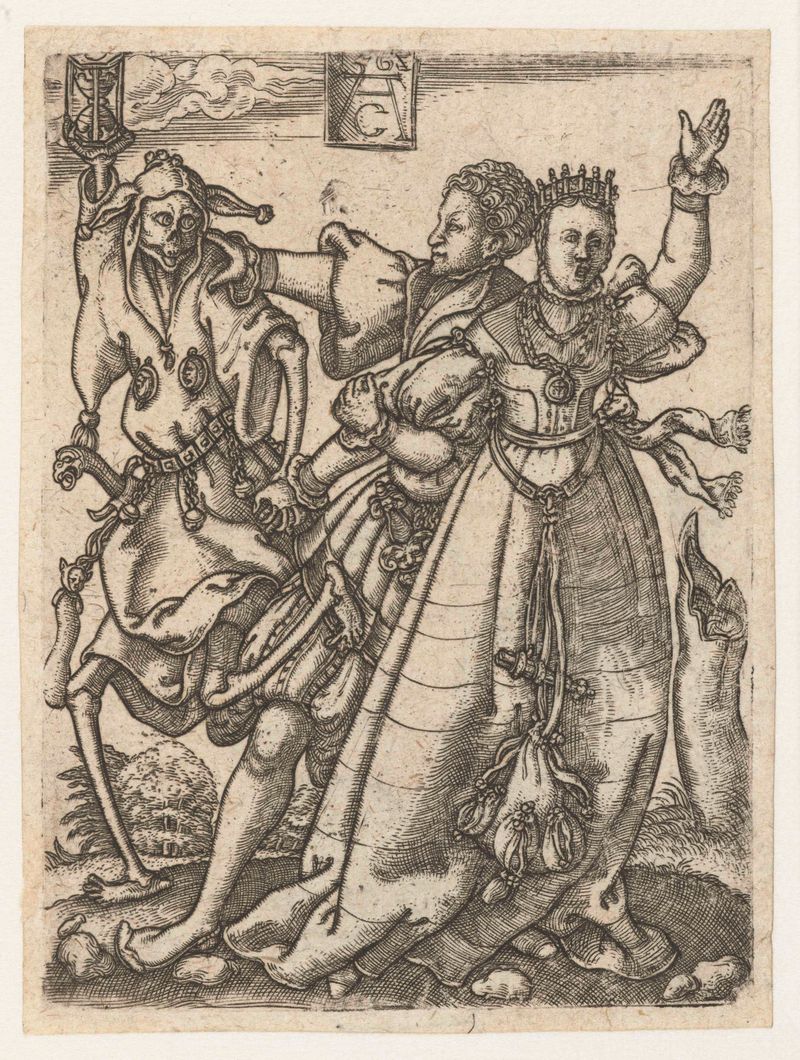
Echtpaar met de Dood
Monogrammist AC (16e eeuw)
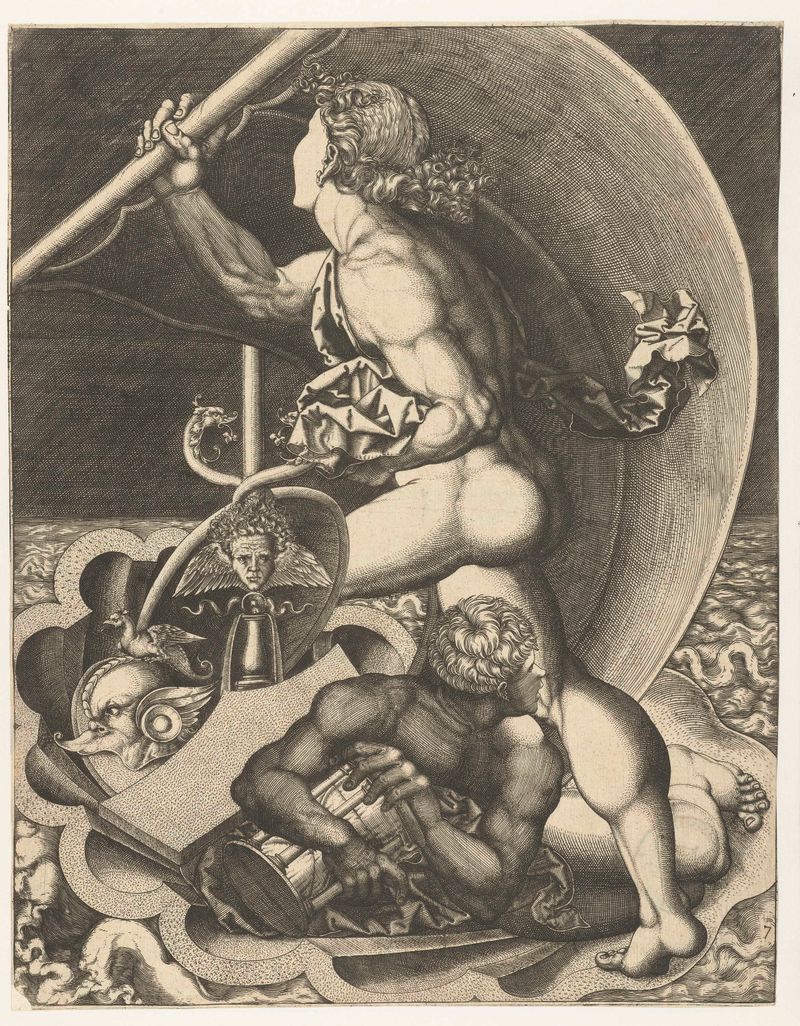
Allegorie van Tijd en Fortuin
Monogrammist AC (16e eeuw)

Portret van een jongeman (Vanitas)
Monogrammist AC (16e eeuw)

Heilige Martha en de draak
Monogrammist AC (16e eeuw)
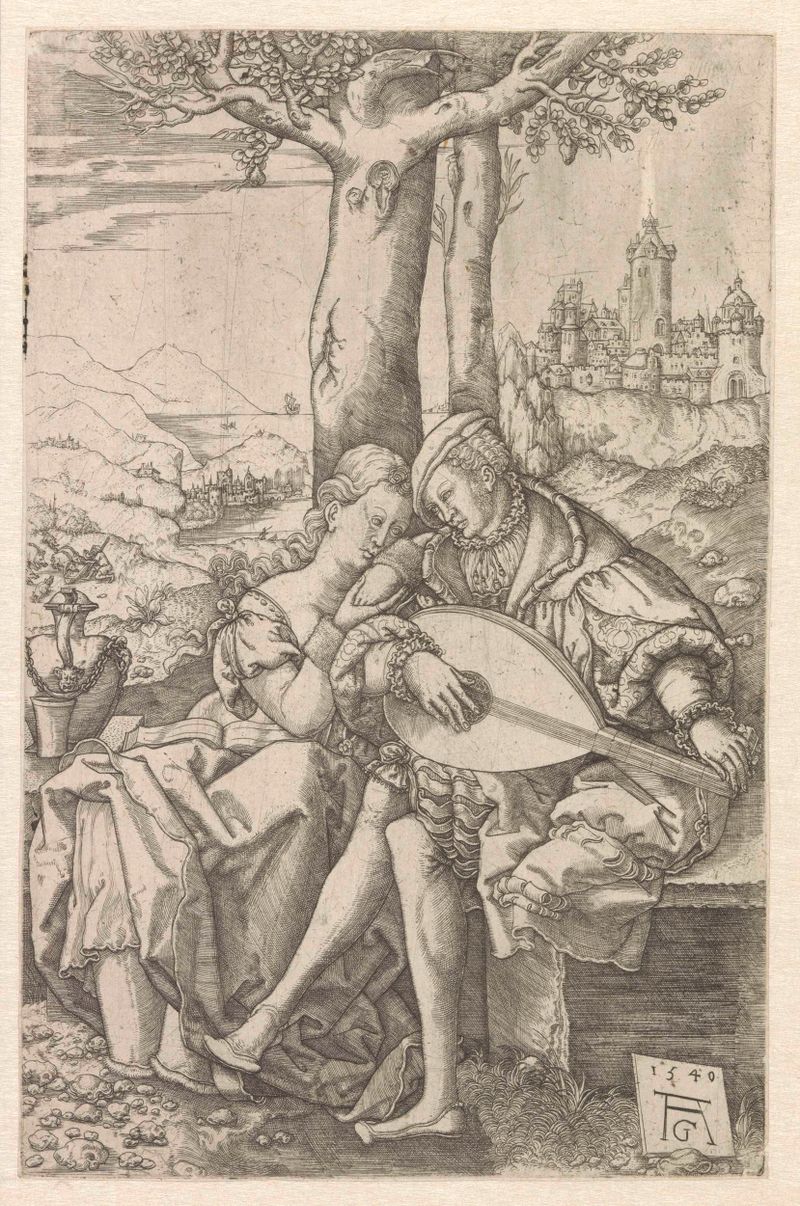
Twee verliefden onder een boom
Monogrammist AC (16e eeuw)
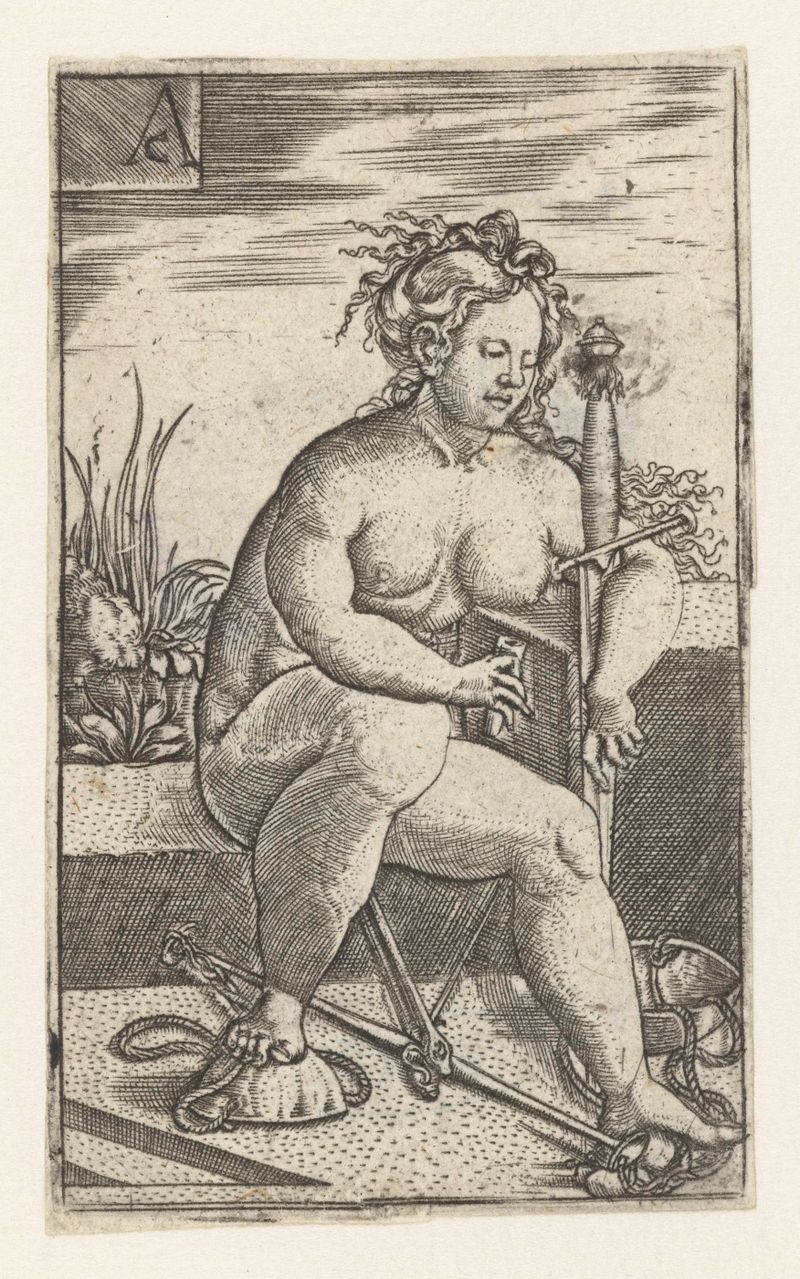
Gerechtigheid (Justitia)
Monogrammist AC (16e eeuw)
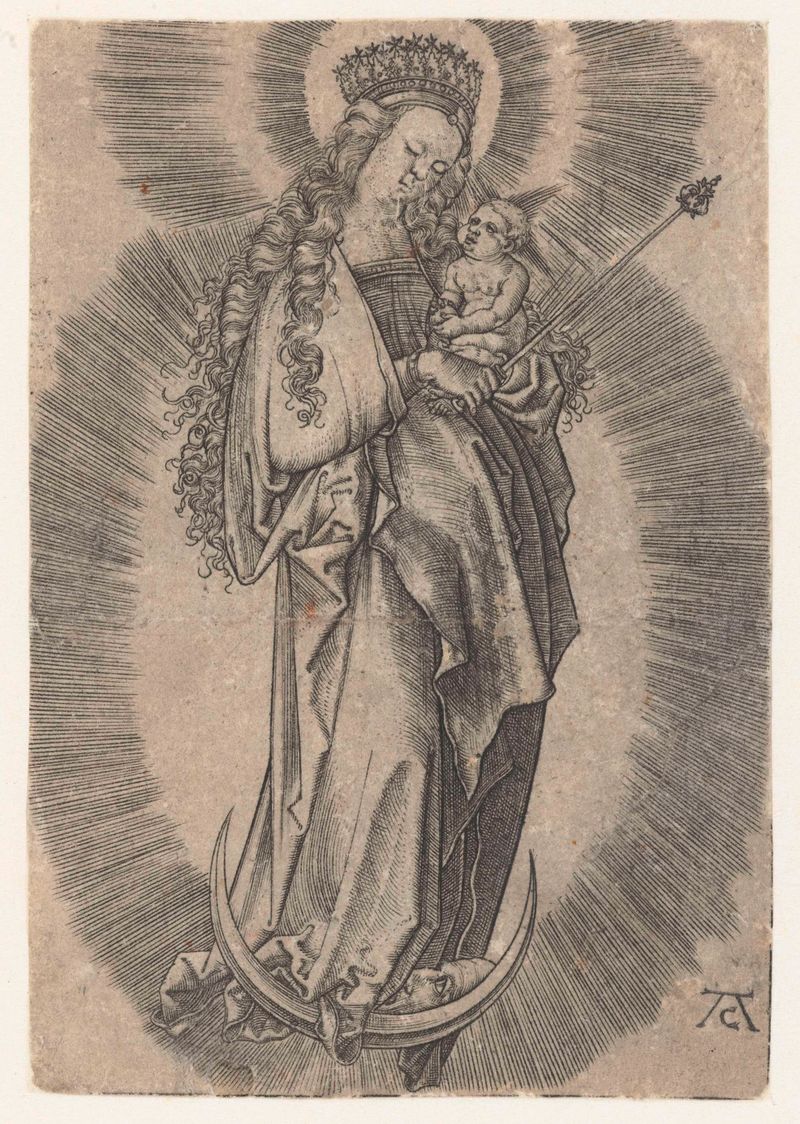
Madonna op de maansikkel.
Monogrammist AC (16e eeuw)
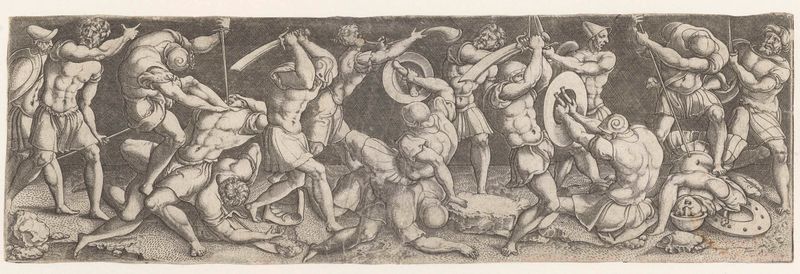
Gevecht tussen Romeinse soldaten
Monogrammist AC (16e eeuw)
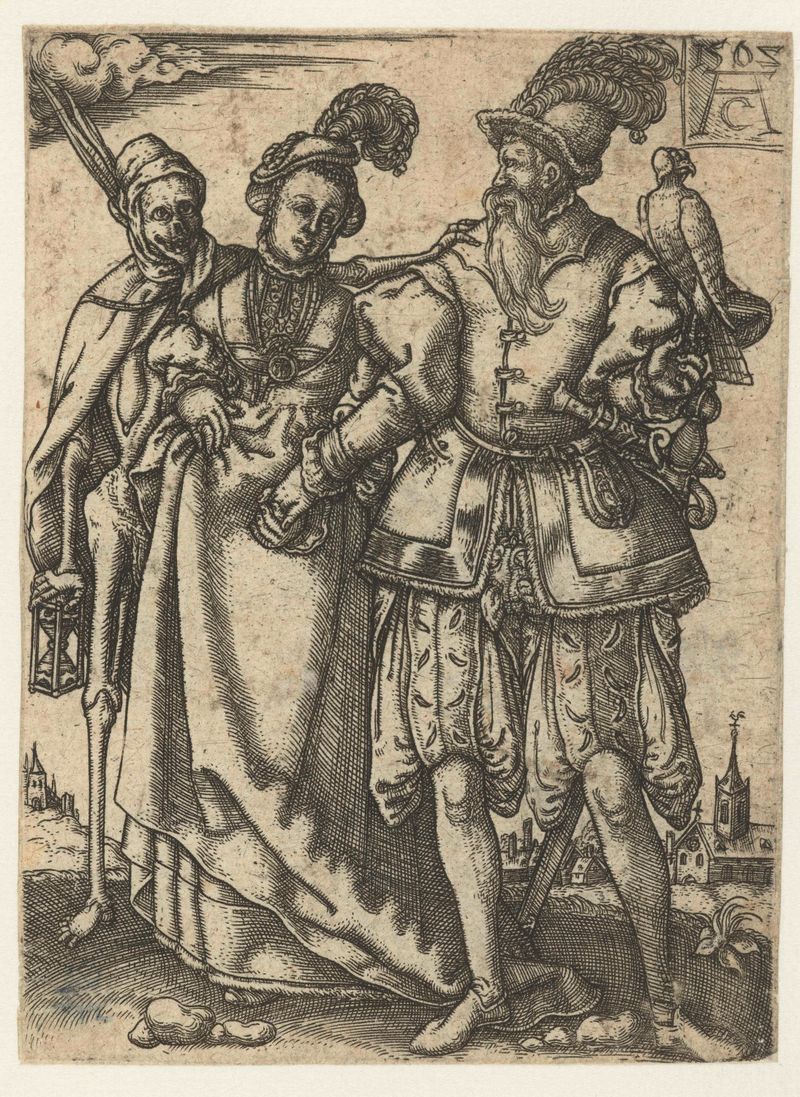
Echtpaar met de Dood
Monogrammist AC (16e eeuw)