
Venus and Adonis — History & Facts
Few stories from Ovid’s Metamorphoses have inspired more artists than the fatal encounter between Venus and Adonis, and Simon Vouet was among the first French painters to bring this classical drama to the Parisian court. Vouet, having recently returned from Italy where he absorbed the lessons of Caravaggio and the Roman Baroque, chose this myth as a showcase for his new style. The painting’s provenance is uncertain, but it likely emerged in the 1620s or 1630s, a period when Vouet was at the height of his powers and in high demand among French nobility.
The precise date and patron remain unknown, adding a layer of mystery to an already enigmatic work. Vouet captures the fateful instant when Venus, goddess of love, desperately tries to restrain her mortal lover, Adonis, from departing for the hunt that will claim his life. Adonis, spear in hand, turns away, his body tense with resolve, while Venus clings to him, her face a mixture of pleading and foreboding. Cupid, often included in such scenes, may hover nearby, a silent witness to love’s impending tragedy.
Vouet’s use of dramatic lighting and rich fabrics echoes the theatricality of his Italian contemporaries, yet his Venus is more sensuous and immediate than Titian’s famous version. The entwined limbs, the luminous flesh, and the urgent gestures all heighten the emotional charge, transforming a myth into a moment of human vulnerability. Although the painting’s early history is obscure, it stands as a testament to Vouet’s pivotal role in bringing the Baroque to France. Works like this were likely intended for private collectors or royal patrons eager to display their taste for both classical learning and modern style.
Over the centuries, Venus and Adonis has been attributed, reattributed, and sometimes confused with other versions by Vouet’s workshop or followers, reflecting the popularity of the subject. Today, the painting survives as a bridge between Italian dynamism and French elegance, and as a key example of Vouet’s influence on a generation of French artists who would shape the grand manner of the seventeenth century.
More Artworks by Simon Vouet

Portrait of Louis XIII
Simon Vouet
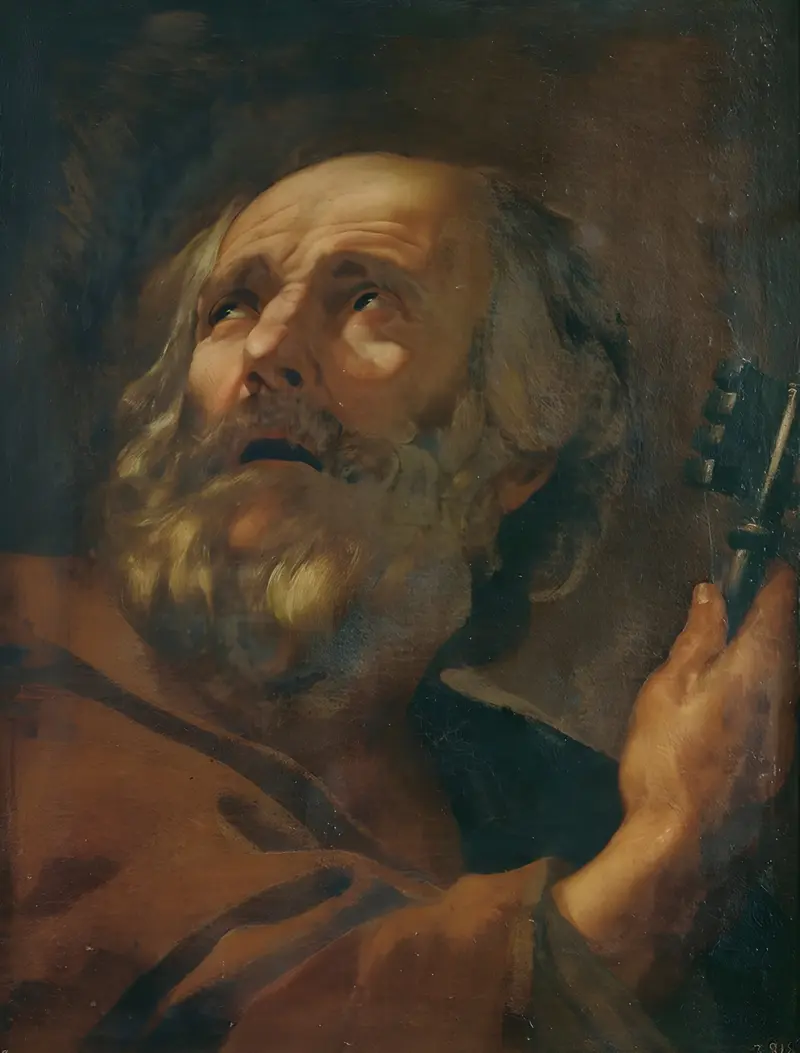
Saint Peter
Simon Vouet
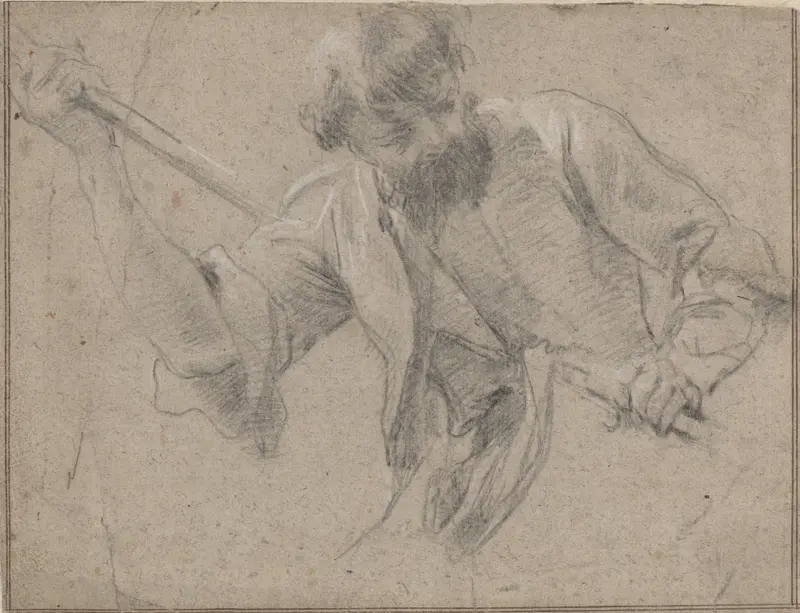
A Bearded Man with a Staff
Simon Vouet
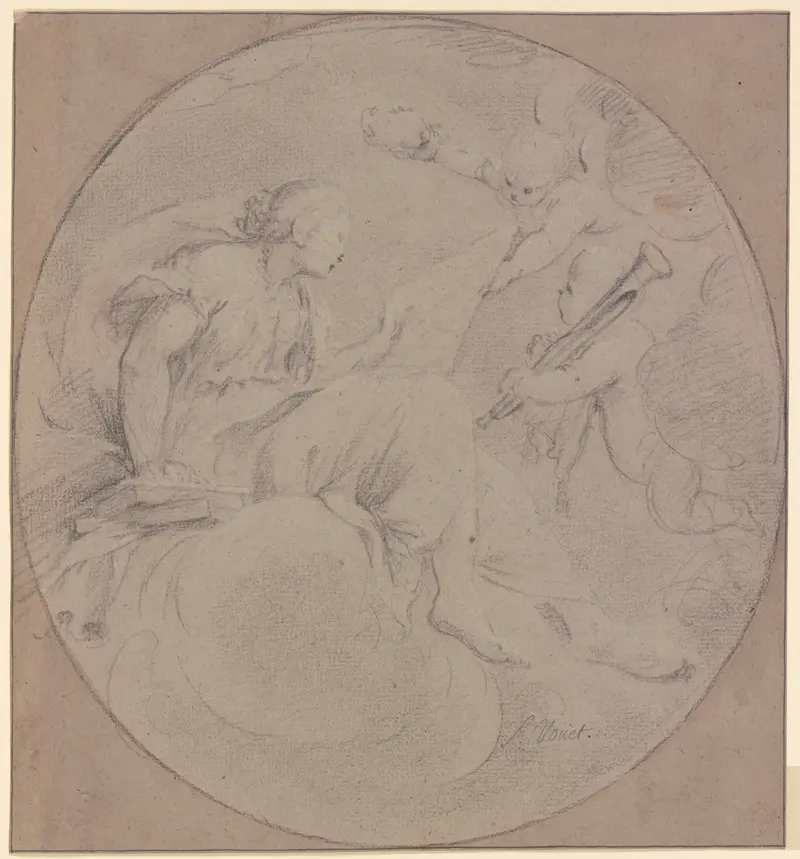
Die Muse der Musik mit zwei Genien, deren einer eine Trompete trägt
Simon Vouet
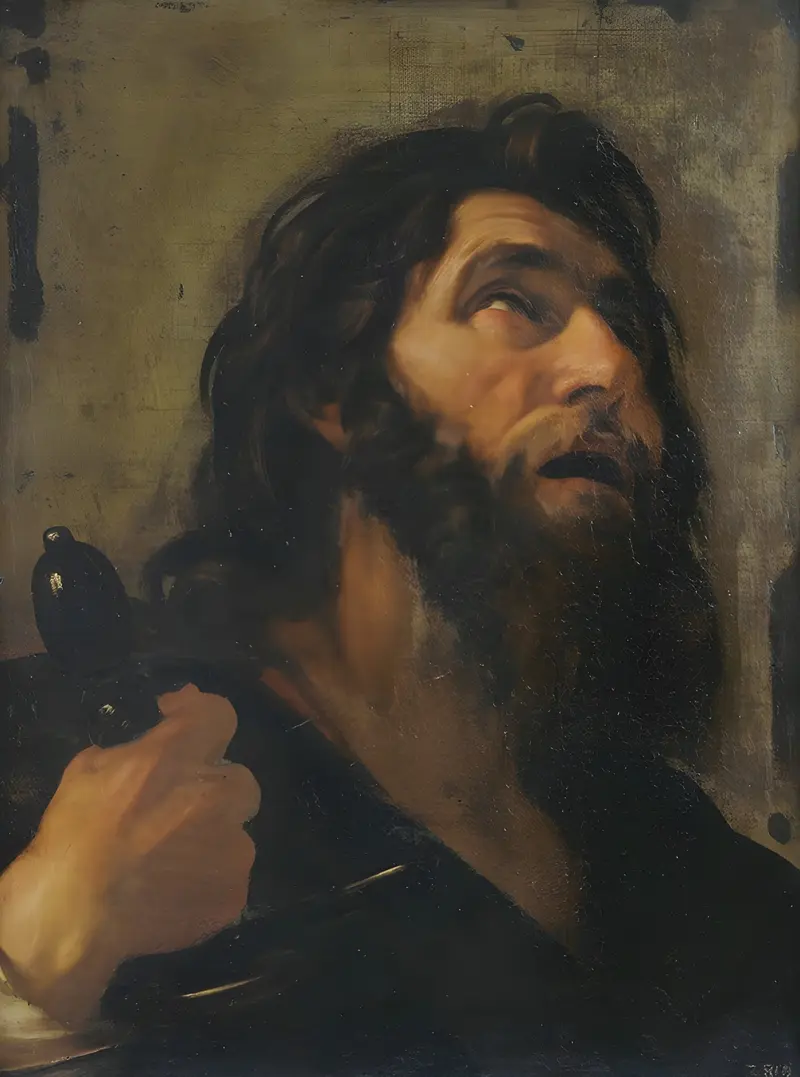
Saint Paul
Simon Vouet
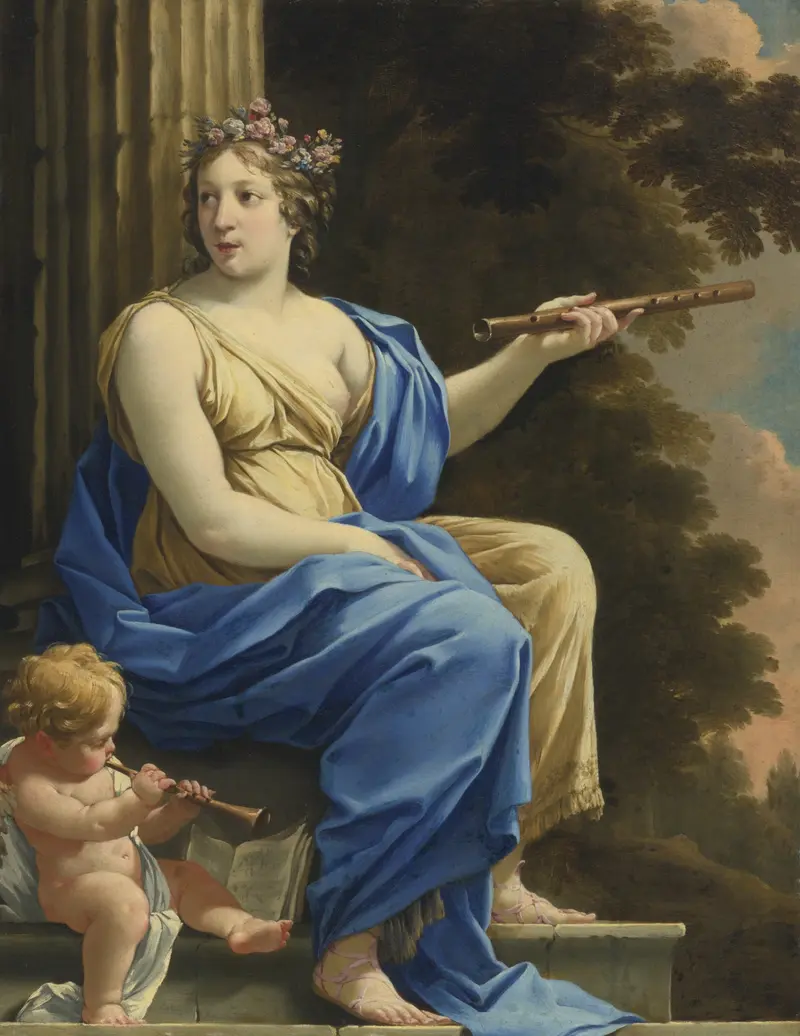
Euterpe, The Muse Of Music And Lyric Poetry
Simon Vouet
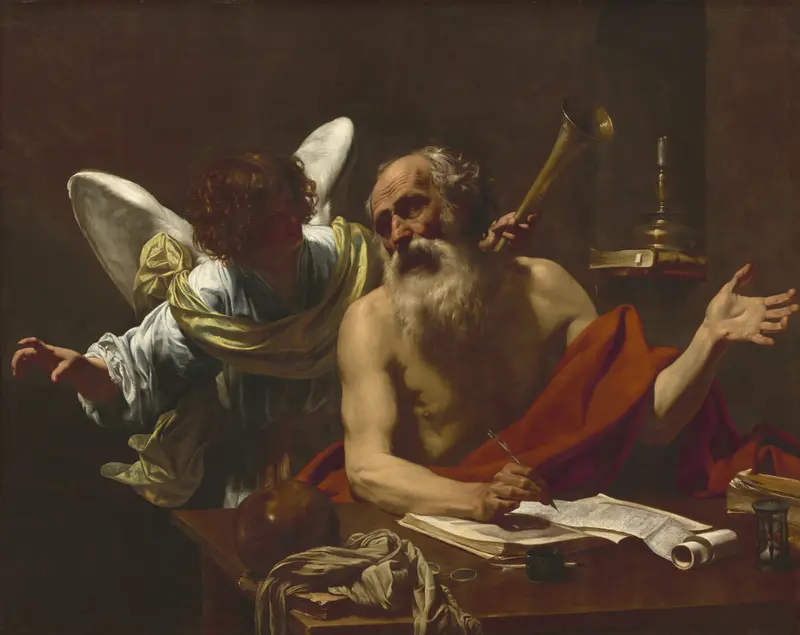
Saint Jerome and the Angel
Simon Vouet
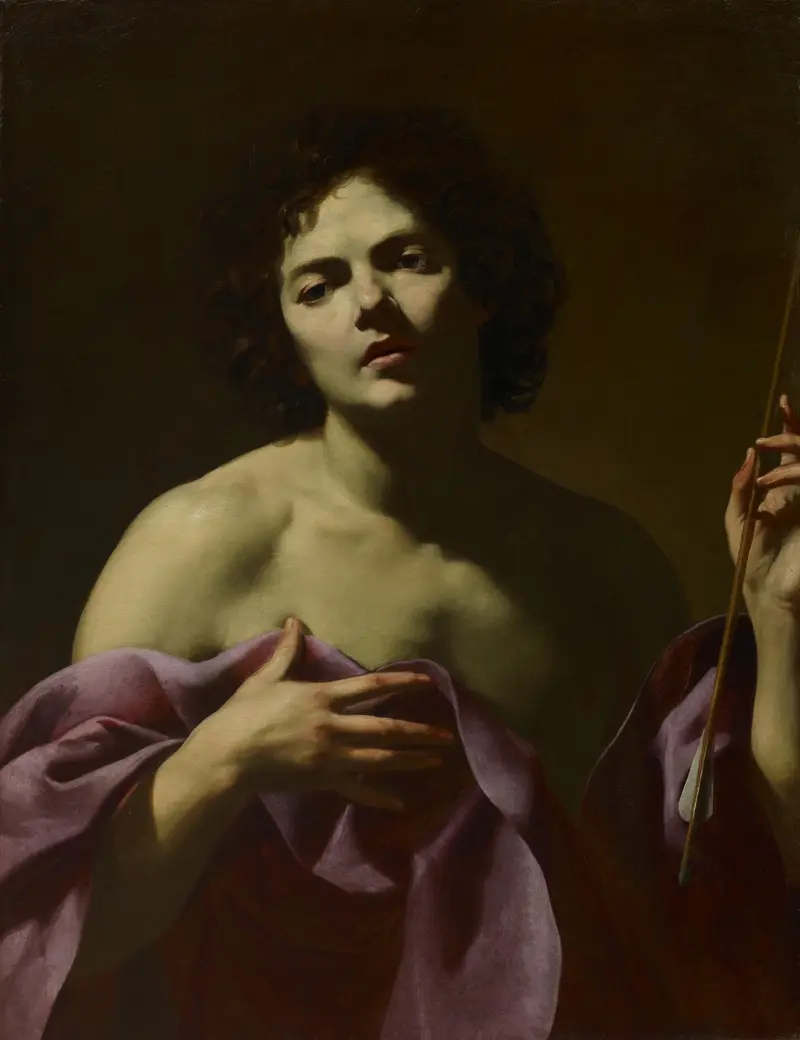
Saint Sebastian
Simon Vouet
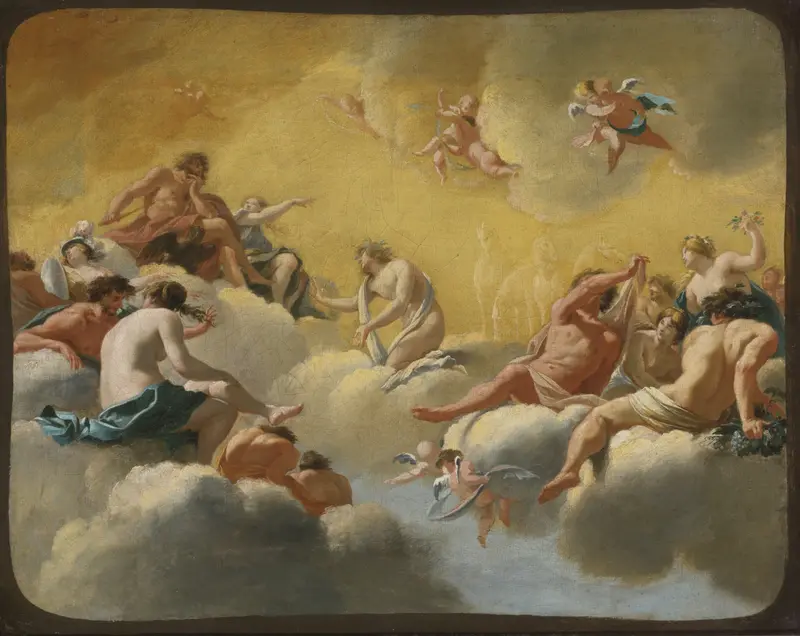
Assembly Of The Gods
Simon Vouet
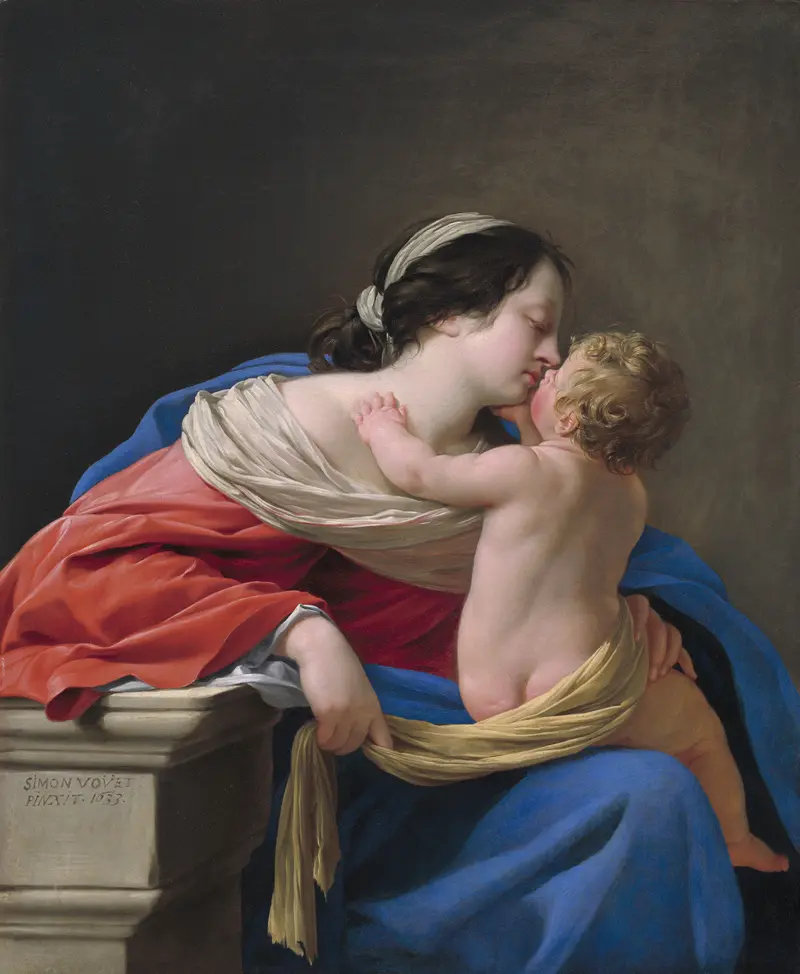
Madonna and Child
Simon Vouet





