
Venus and Love — History & Facts
A sweep of rose-red fabric and the glint of a golden arrow draw the eye instantly to the drama unfolding in Venus and Love. The goddess, poised on a billow of cloud, commands the scene with a gesture that is both imperious and intimate. Her gaze and outstretched arm direct the viewer’s attention to the cherubic figure—Love, or Cupid—who looks up at her, arrow in hand, awaiting her guidance.
The light, cool and clear, falls across their skin and the swirling drapery, heightening the sense of theatricality and movement. Every detail, from the flutter of Cupid’s wings to the tension in Venus’s raised arm, is designed to hold the viewer in the suspended moment before desire is unleashed. Works like this, painted in the refined, mythological style popular in 18th-century France, were often commissioned to decorate private salons or the intimate chambers of aristocratic patrons. Such paintings offered more than just beauty: they provided a playful, coded language of flirtation and allegory, well-suited to a world where classical myth was both a source of moral lessons and a pretext for sensual display.
Although little is recorded about this specific canvas—photographed in 2018 and now part of a private or lesser-known collection—it stands firmly in the tradition of Jean-Marc Nattier, whose career was shaped by the tastes and intrigues of the Rococo court. Look again at Venus’s commanding gesture and the swirling clouds: they invite you to imagine the stories and secrets such paintings once witnessed.
More Artworks by Jean-Marc Nattier

Madame Crozat de Thiers and Her Daughter
Jean-Marc Nattier
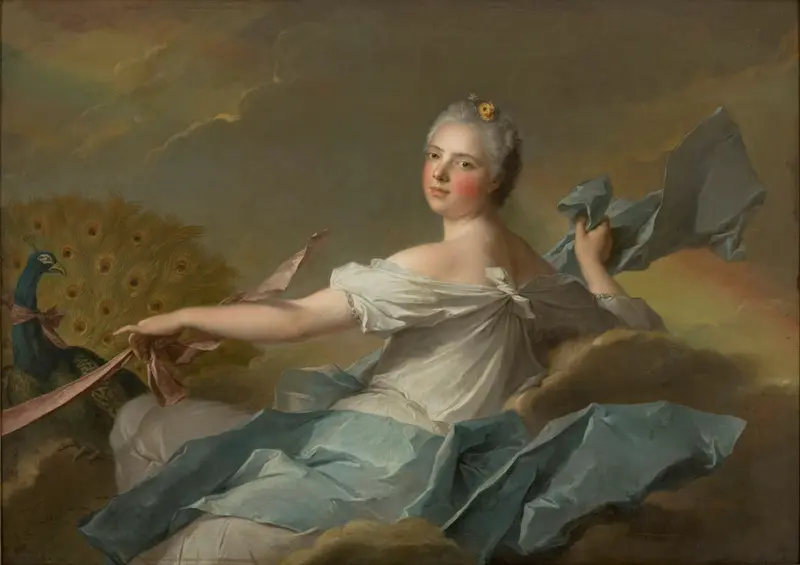
Princess Marie Adélaïde of France - The Air
Jean-Marc Nattier
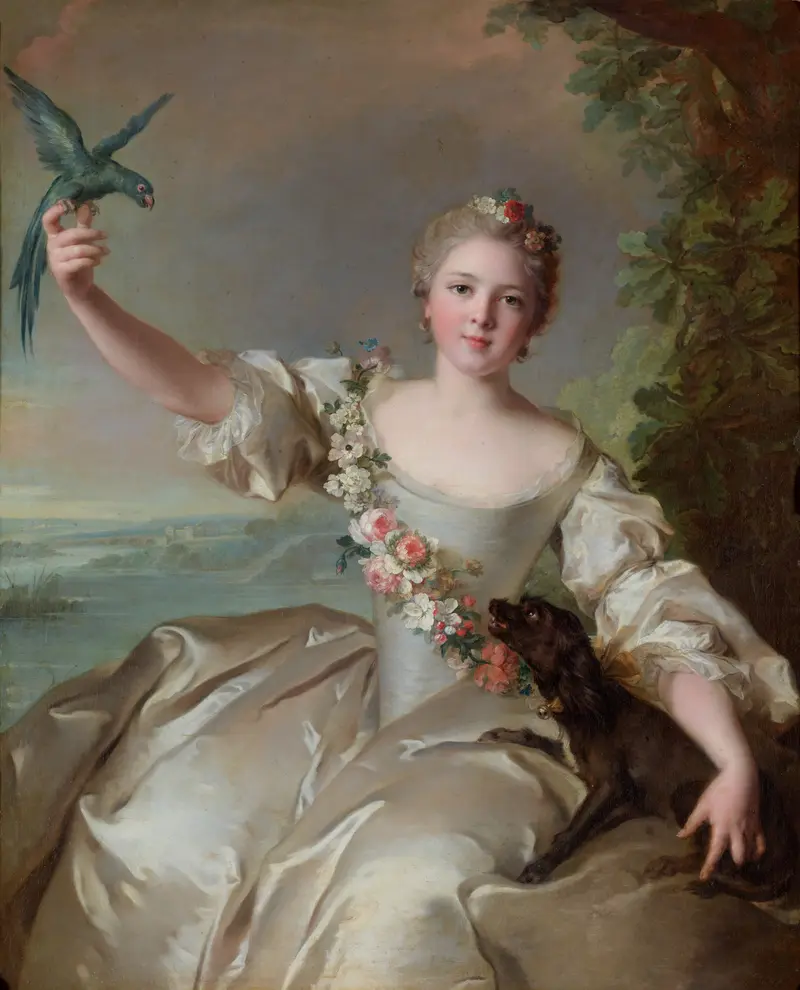
Portrait de Mathilde de Canisy, marquise d'Antin
Jean-Marc Nattier
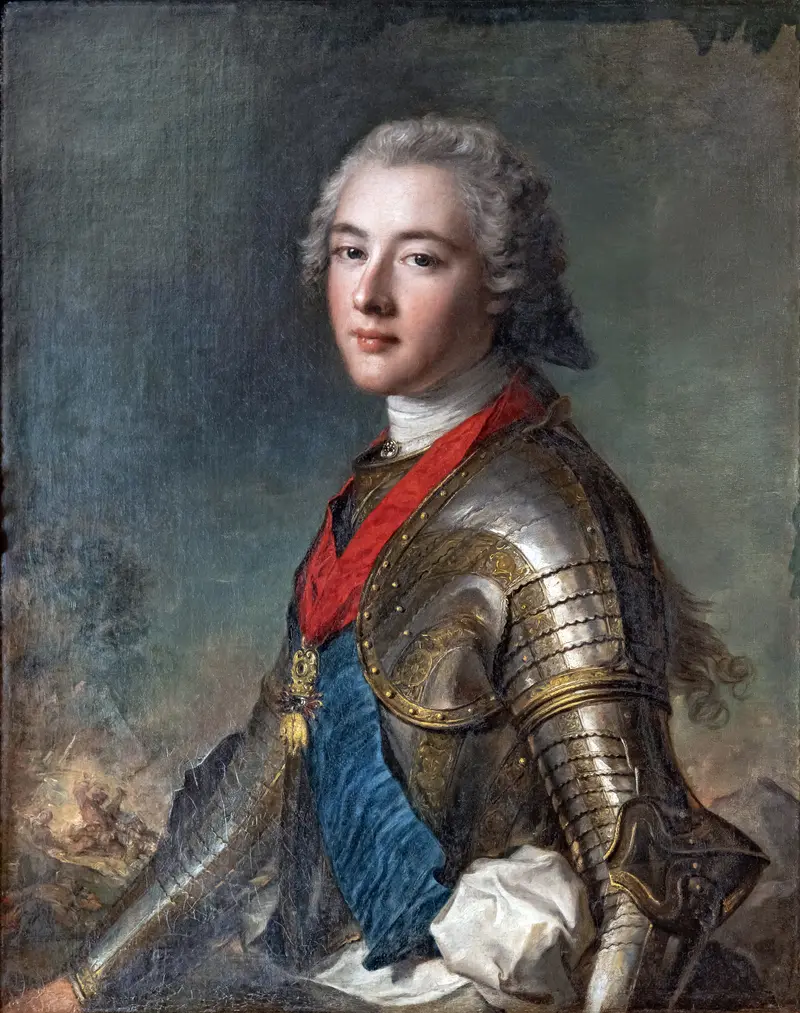
Bemberg Fondation Toulouse - Portrait de Louis Jean Marie de Bourbon, Duc de Penthièvre - Jean Marc Nattier inv.1158 82x65.4
Jean-Marc Nattier
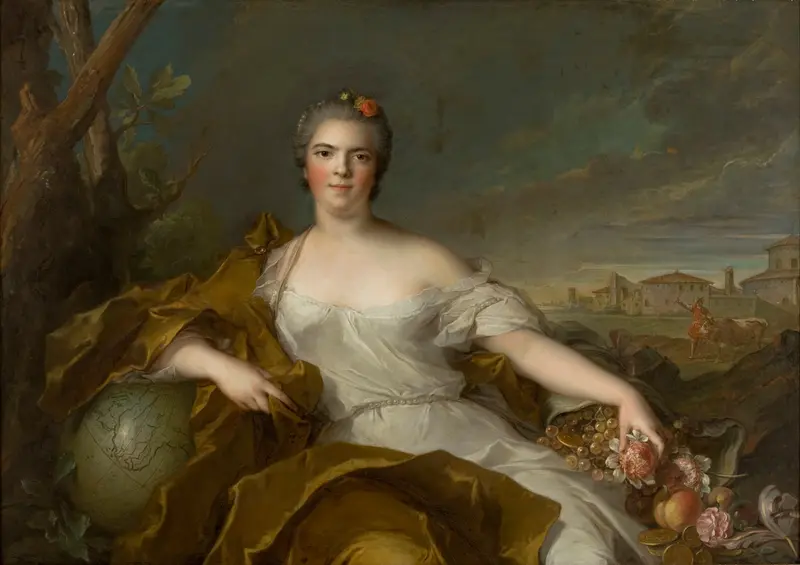
Princess Louise-Élisabeth of France - The Earth
Jean-Marc Nattier
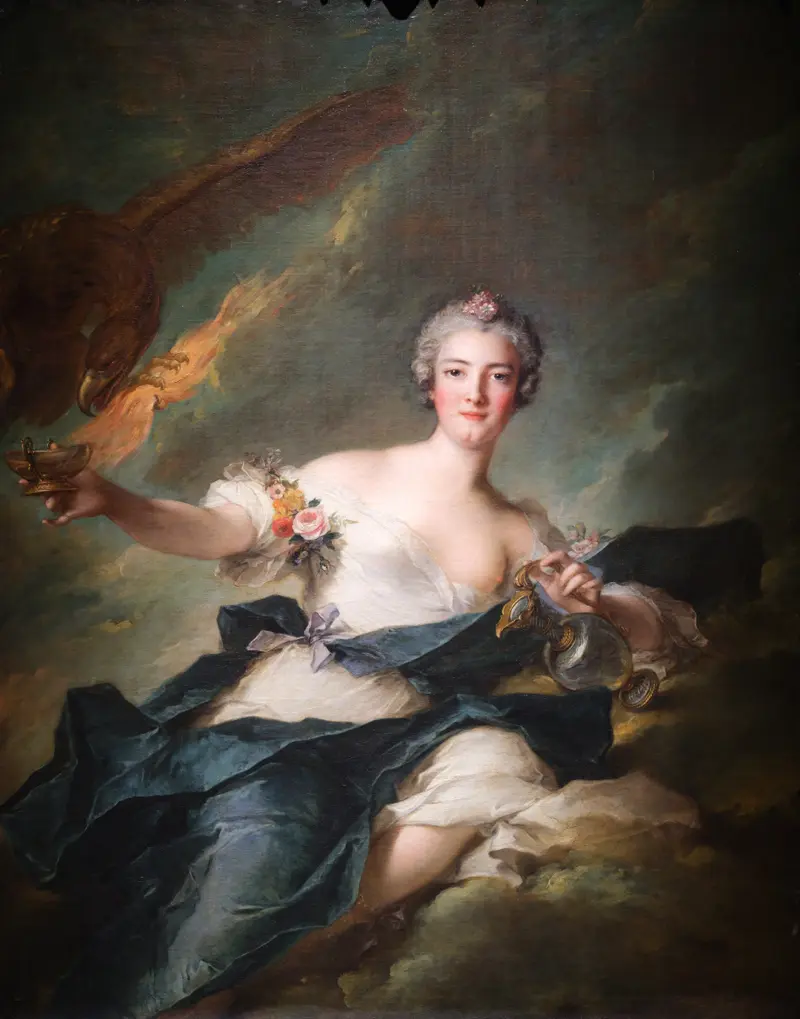
The Duchess of Chaulnes Represented as Hebe
Jean-Marc Nattier
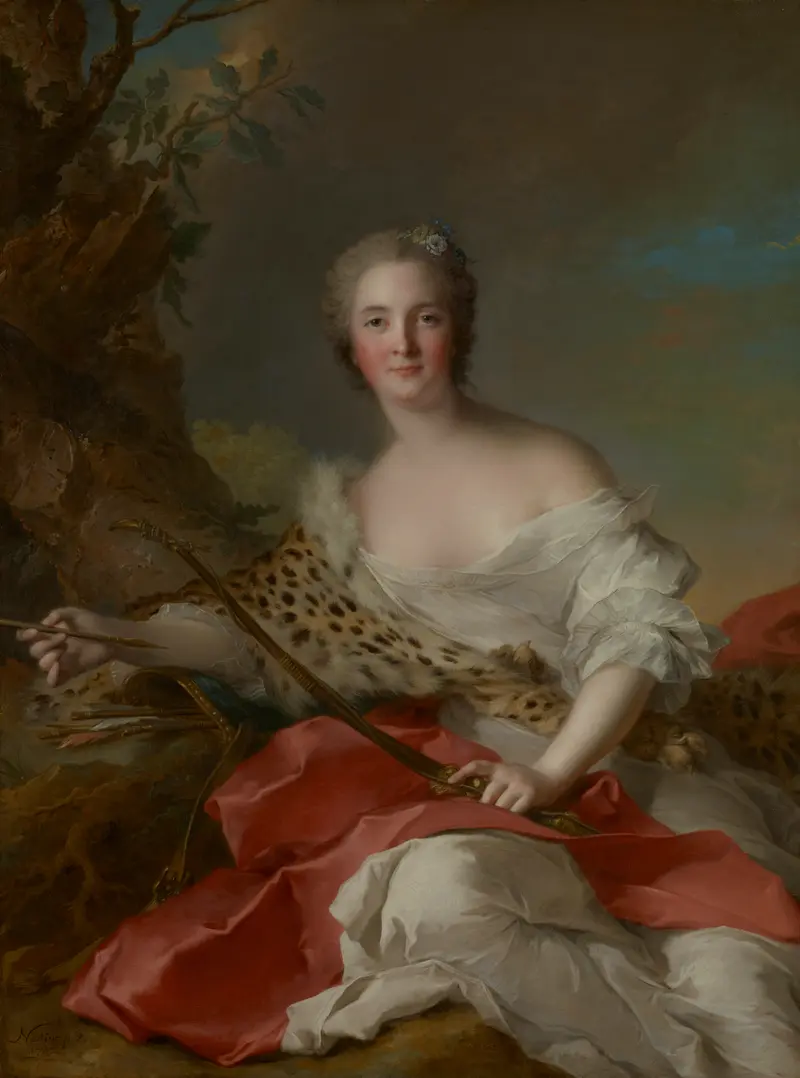
Portrait of Madame Bonnier de la Mosson as Diana (Constance-Gabrielle-Magdeleine du Monciel de Lauraille
Jean-Marc Nattier
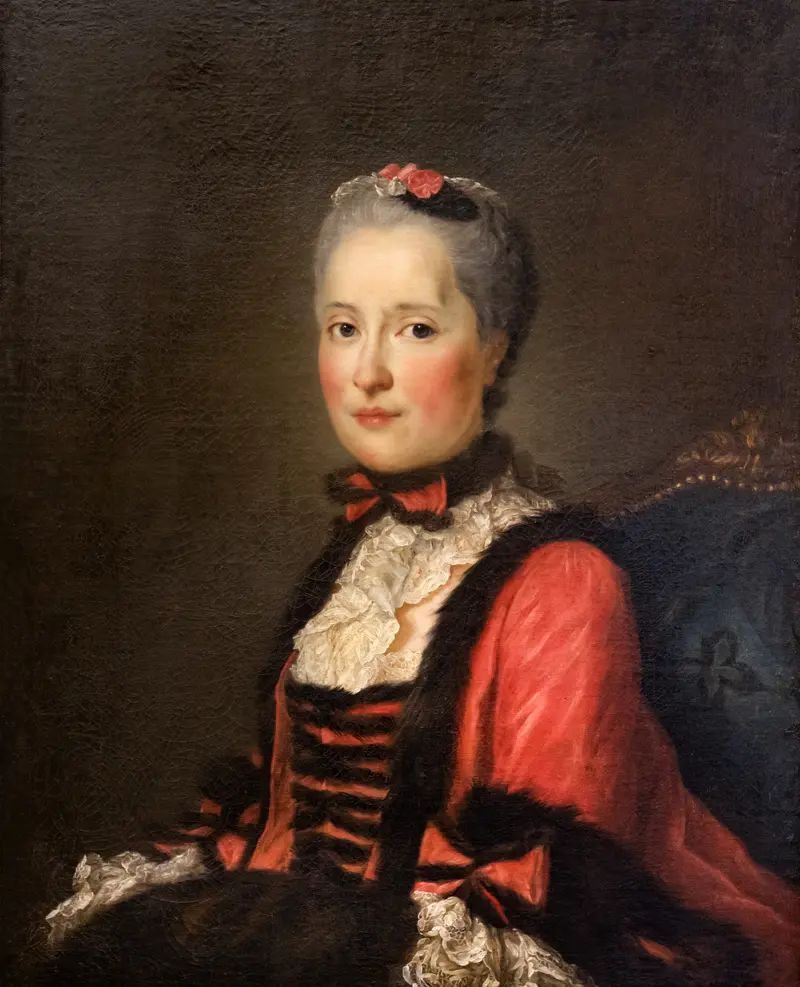
Portrait of Marie-Josephe of Saxony, Dauphine of France
Jean-Marc Nattier
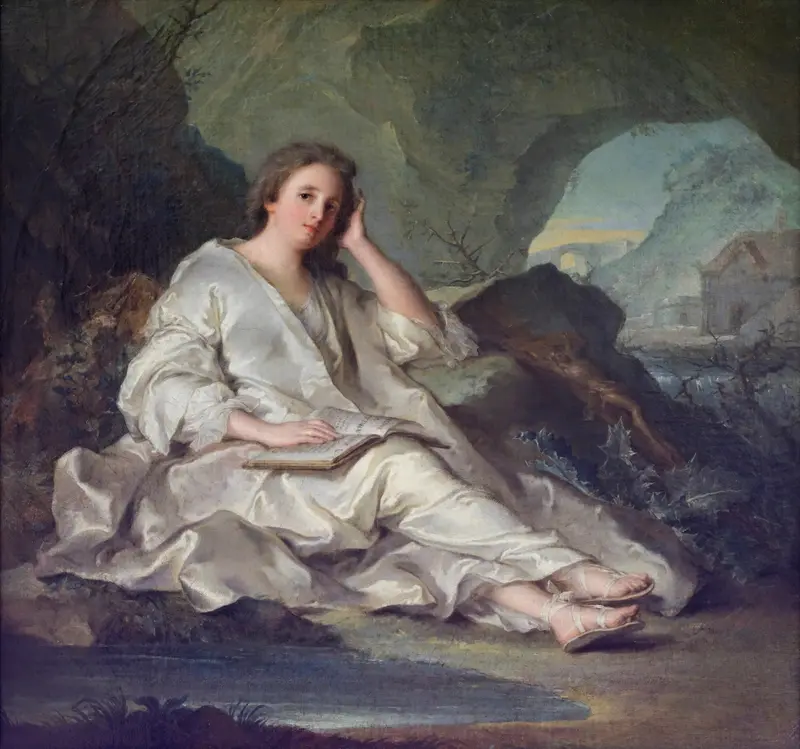
La Madeleine, ou Une Pénitente dans le désert Musée du Louvre Peintures INV 6880 ; MR
Jean-Marc Nattier
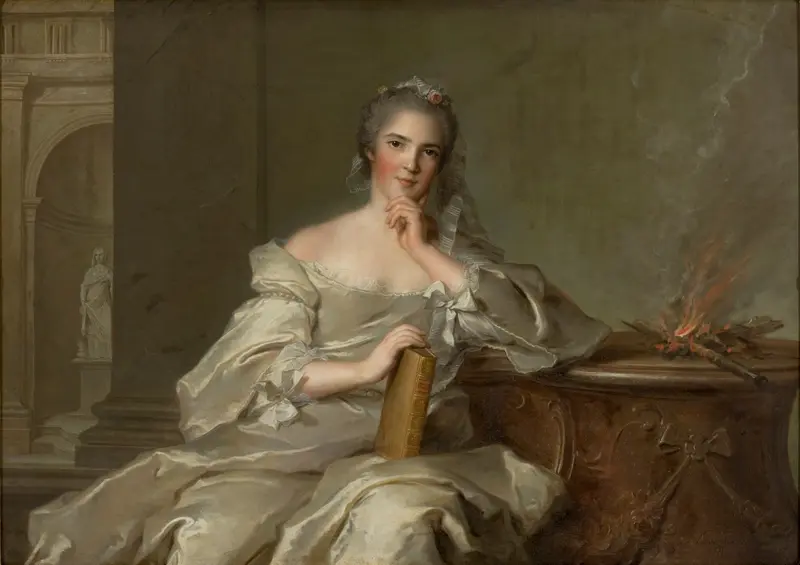
Princess Anne-Henriette of France - The Fire
Jean-Marc Nattier





