
Venus in a Landscape — History & Facts
What first catches the eye in Venus in a Landscape is the striking contrast between the goddess’s direct, almost knowing gaze and the fantastical, fairy-tale world that surrounds her. A figure of myth stands poised on a stony path, her pale skin luminous against the deep, shadowy green of the forest. The sheer veil she holds is nearly invisible, a gossamer thread that both reveals and conceals, drawing attention to the delicate tension between modesty and display.
Her red hat and jeweled necklace are not classical but contemporary to the painter’s own time, signaling both her status and the artist’s playful blending of ancient myth with the fashions of the early sixteenth century. The distant, intricate city and craggy cliffs behind her seem almost dreamlike, their reflection in the water below adding a layer of mystery and doubling the sense of an enchanted, unreachable world. Painted in 1529 by Lucas Cranach the Elder, this work belongs to a period when Northern European artists were reimagining classical subjects for new audiences. Cranach was renowned for his courtly nudes—Venus, Lucretia, Judith—often commissioned by princes and courtiers eager to display both their learning and their taste for beauty.
Unlike the robust, voluptuous Venuses of the Italian Renaissance, Cranach’s goddesses are slender, almost adolescent, their eroticism filtered through a lens of elegance and restraint. The year 1529 places this painting at the height of the German Reformation, a time when the old world of myth and the new world of religious upheaval coexisted uneasily. Little is recorded about this particular Venus’s journey, but her presence in collections like The Yorck Project and gallerix.ru speaks to the enduring fascination with Cranach’s enigmatic blend of innocence and allure—an invitation to linger, to puzzle, and to look again.
More Artworks by Lucas Cranach the Elder

Martin Luther
Lucas Cranach the Elder
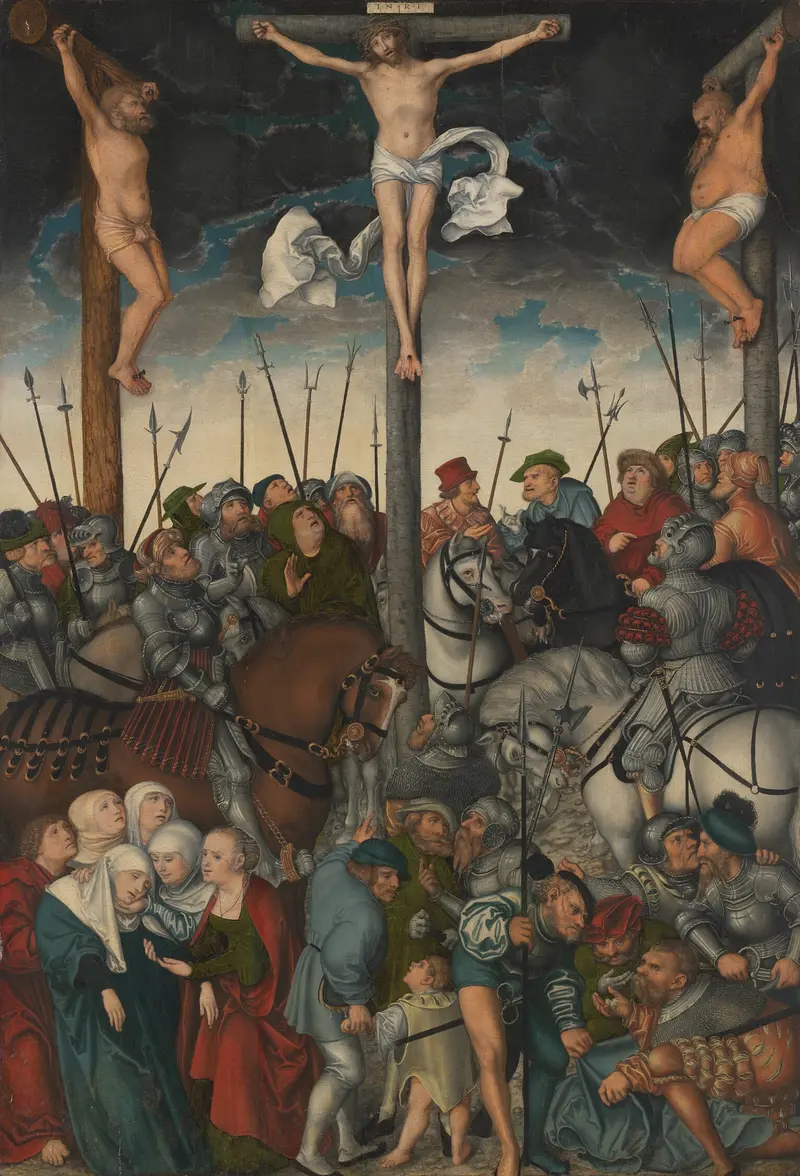
The Crucifixion
Lucas Cranach the Elder
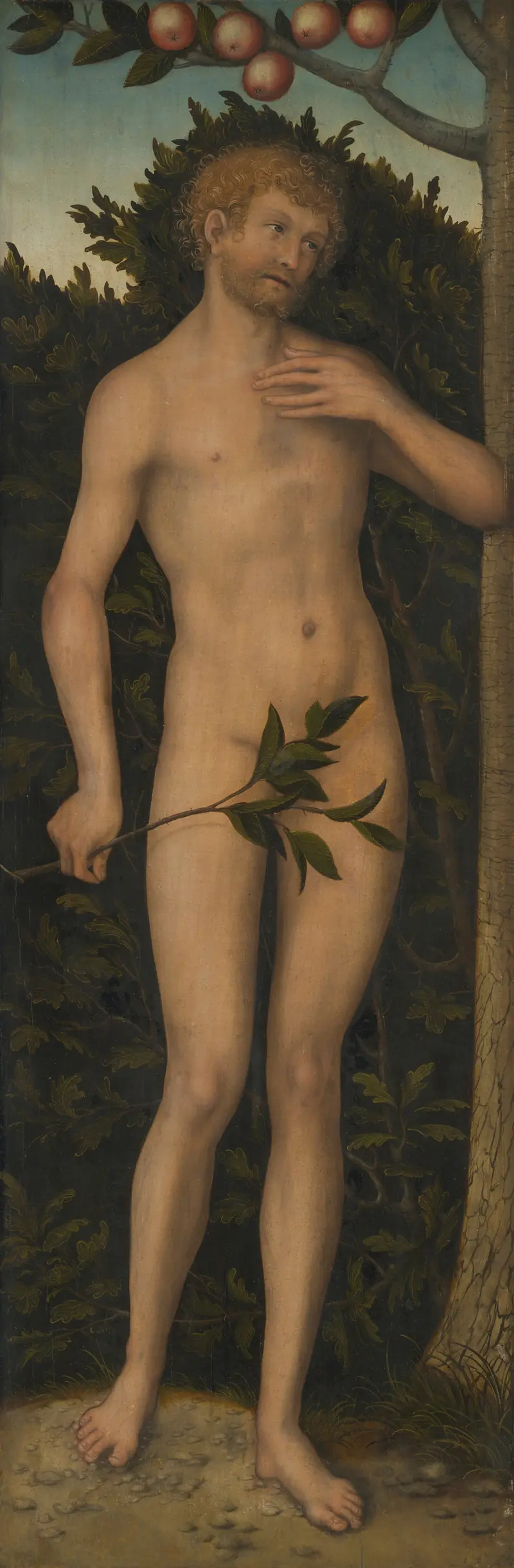
Adam
Lucas Cranach the Elder
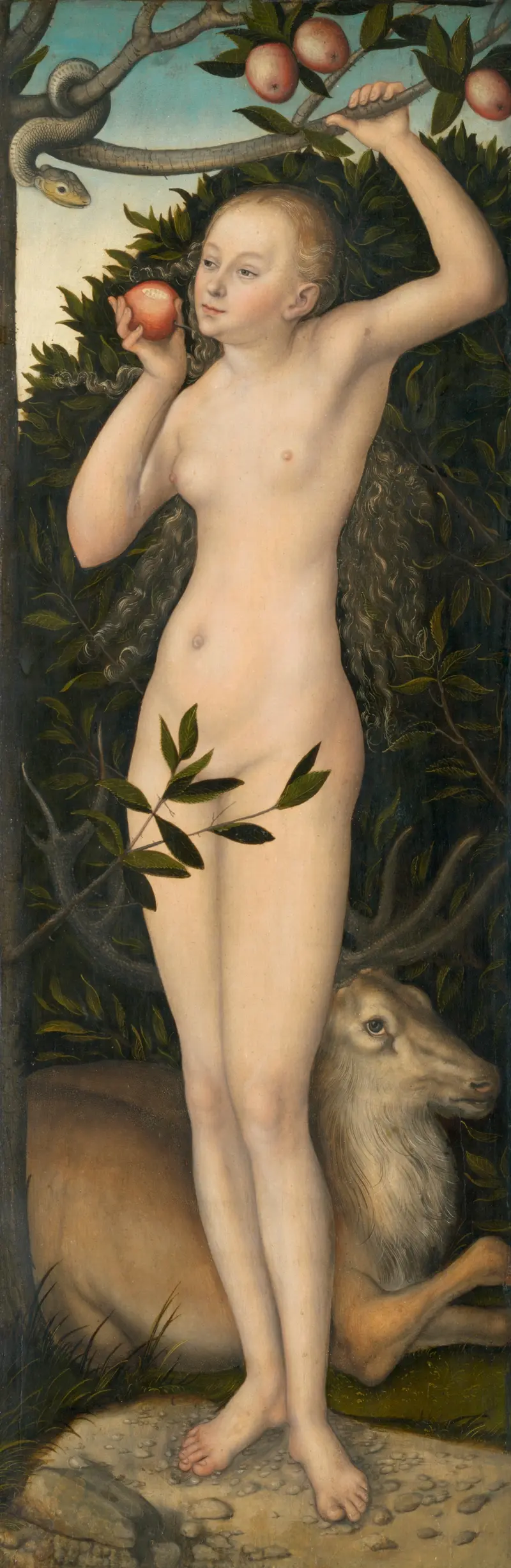
Eve
Lucas Cranach the Elder
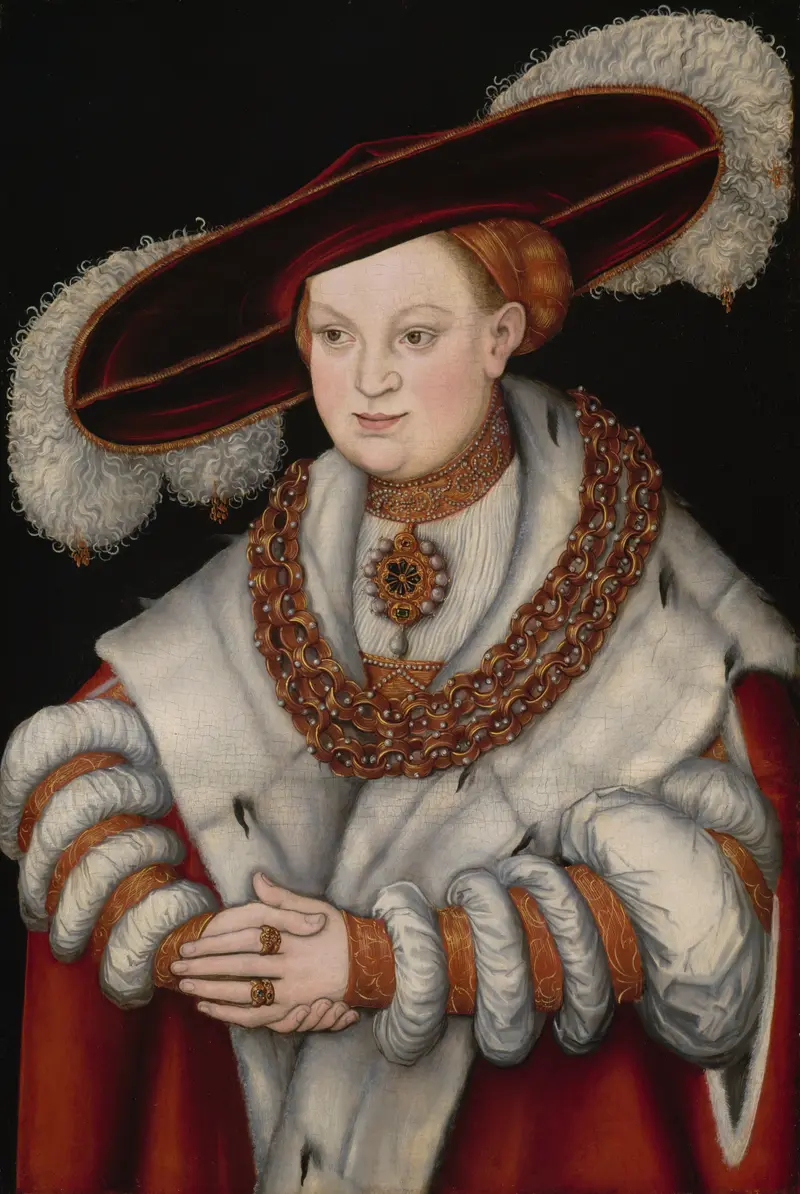
Portrait of Magdalena of Saxony, Wife of Elector Joachim II of Brandenburg
Lucas Cranach the Elder
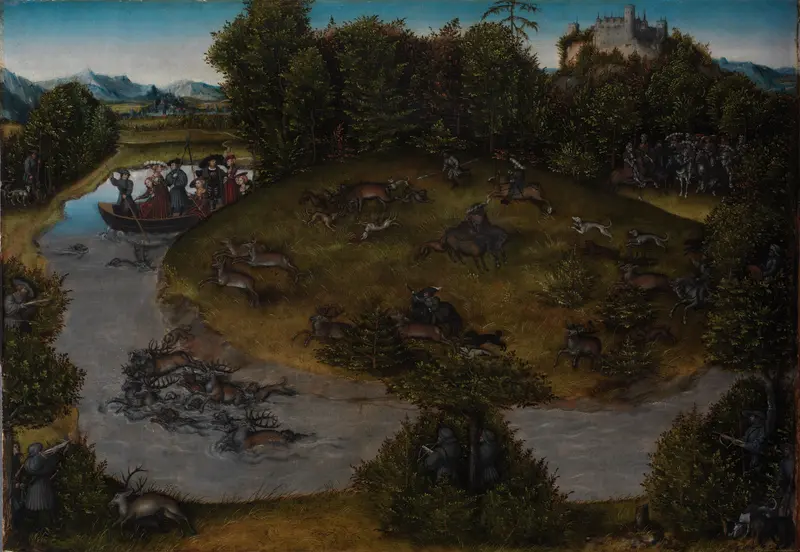
The Stag Hunt of the Elector Frederic the Wise (1463-1525) of Saxony
Lucas Cranach the Elder
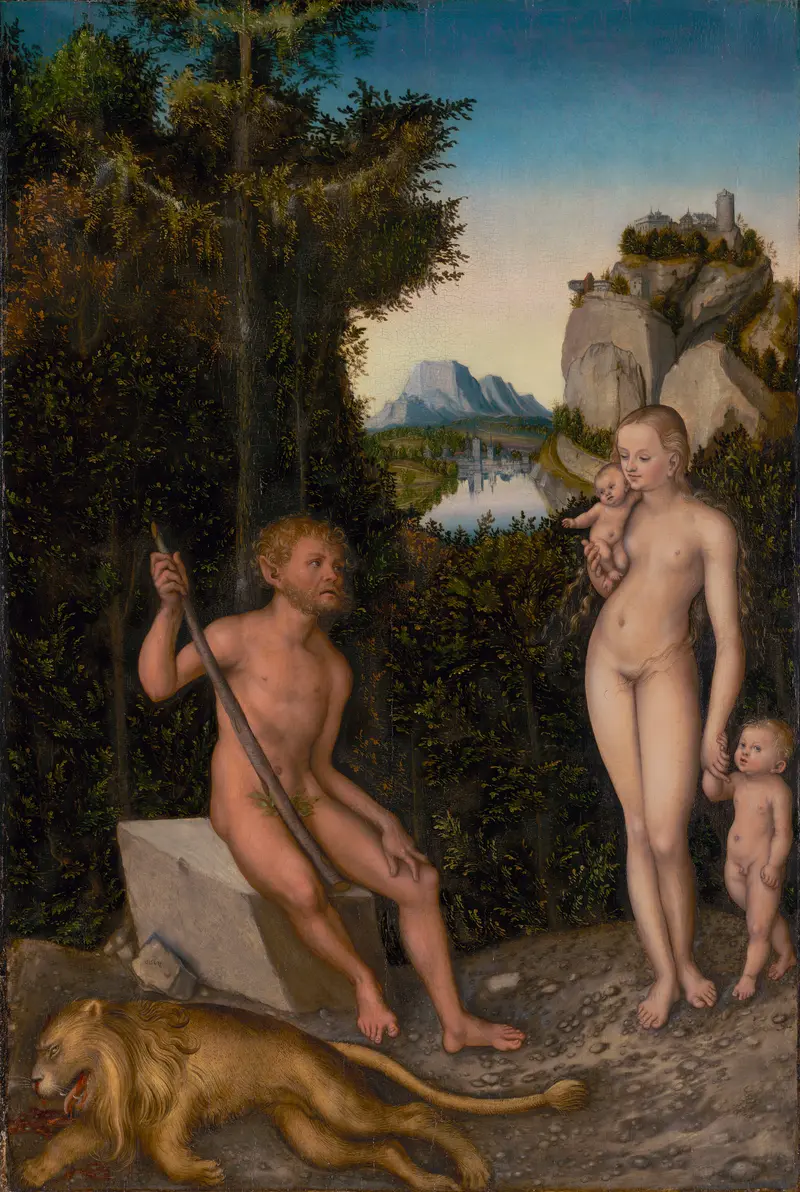
A Faun and His Family with a Slain Lion
Lucas Cranach the Elder
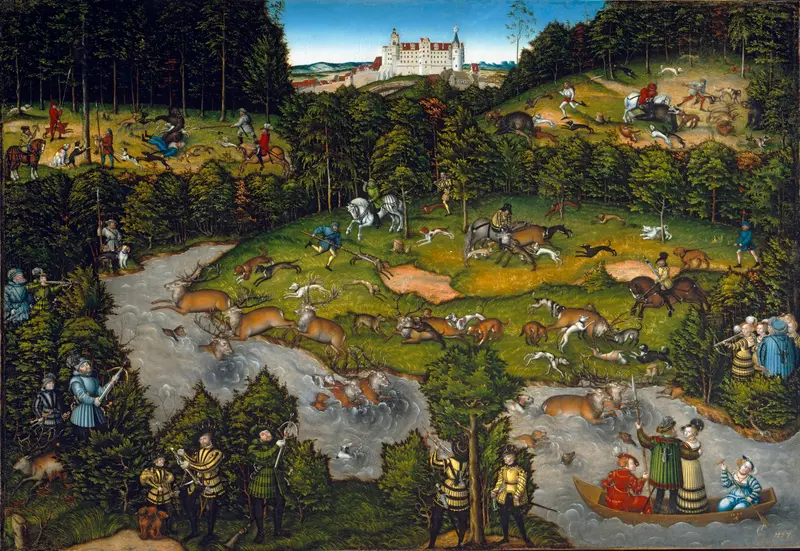
Hunting near Hartenfels Castle
Lucas Cranach the Elder
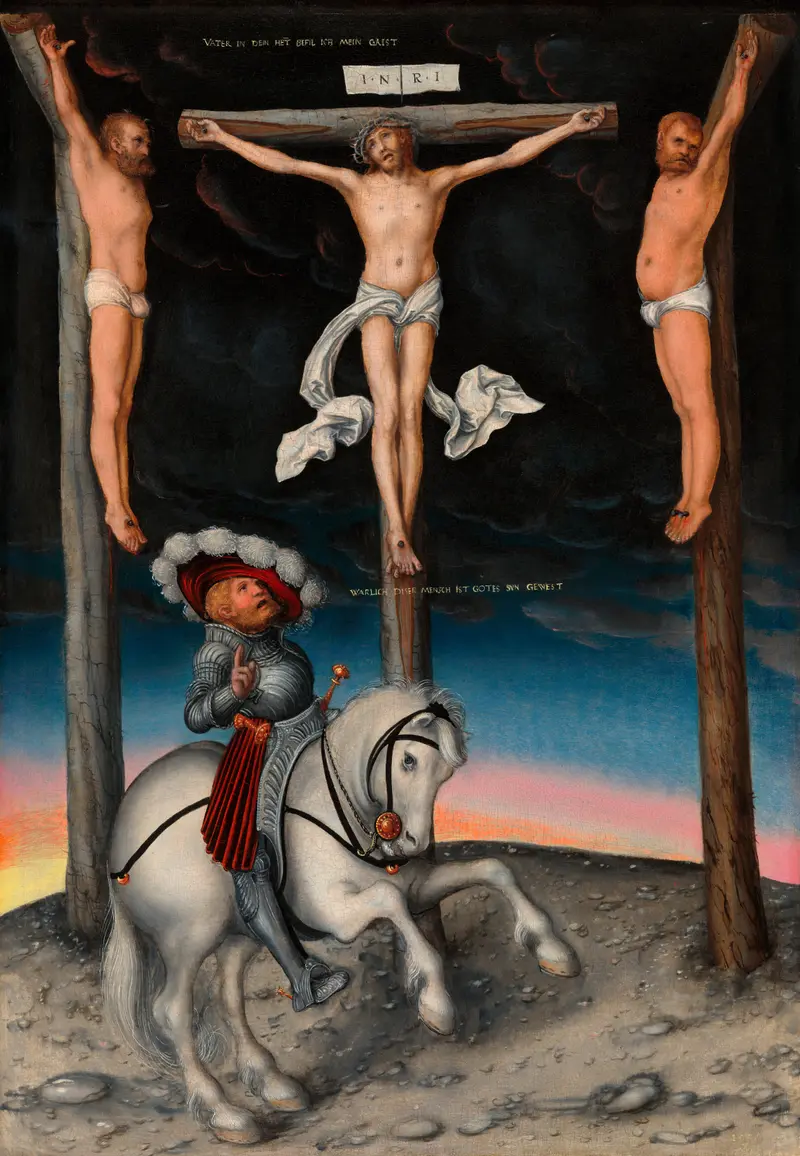
The Crucifixion with the Converted Centurion
Lucas Cranach the Elder
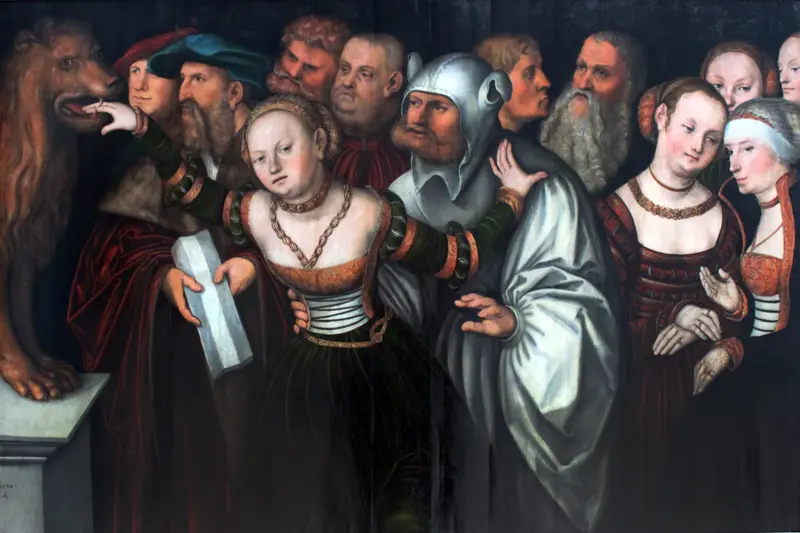
The Fable of the Mouth of Truth
Lucas Cranach the Elder





