
Venus Presenting Arms to Aeneas — History & Facts
When Venus Presenting Arms to Aeneas left the studio of Nicolas Poussin in 1638, it joined a wave of commissions that brought ancient Rome’s legends to the Parisian elite. The painting was likely created for the influential Cardinal Camillo Massimi, a noted collector and patron of the arts in Rome, who admired Poussin’s ability to translate classical texts into visual drama. This subject, drawn from Virgil’s Aeneid, was especially popular among the 17th-century intelligentsia, who saw in Aeneas’s journey a mirror for their own ideals of virtue and destiny.
The work stands as one of several treatments by Poussin of Virgilian themes, but this particular episode—Venus arming her son for the founding of Rome—was rarely given such prominence. At the heart of the canvas, Venus, radiant and composed, extends a gleaming shield and sword to her son Aeneas, who kneels in awe and readiness. This is the moment from Book VIII of the Aeneid when the goddess, having persuaded Vulcan to forge divine arms, appears to Aeneas on the banks of the Tiber. The armor, intricately detailed, is not just protection but a sign of fate: the shield famously bears scenes of Rome’s future glory.
To the right, nymphs and cupids attend, their gestures echoing the gravity of the moment, while a soft golden light bathes the figures, separating the divine from the mortal. Unlike Rubens’s more tumultuous version of the same subject, Poussin’s composition is measured and serene, focusing on the transfer of destiny rather than spectacle. The journey of this painting through history is less documented than some of Poussin’s other works, but it is known to have passed through several distinguished collections in Rome and Paris before entering the public sphere. Its attribution has never been seriously doubted, as the crisp classicism and intellectual clarity are hallmarks of Poussin’s mature period.
Today, it is recognized as a key example of French Baroque painting, illustrating Poussin’s lifelong engagement with antiquity and narrative. The painting remains a touchstone for scholars tracing the evolution of history painting in Europe, and it continues to inspire debate about the intersection of myth, politics, and art in the 17th century.
More Artworks by Nicolas Poussin

Spring
Nicolas Poussin
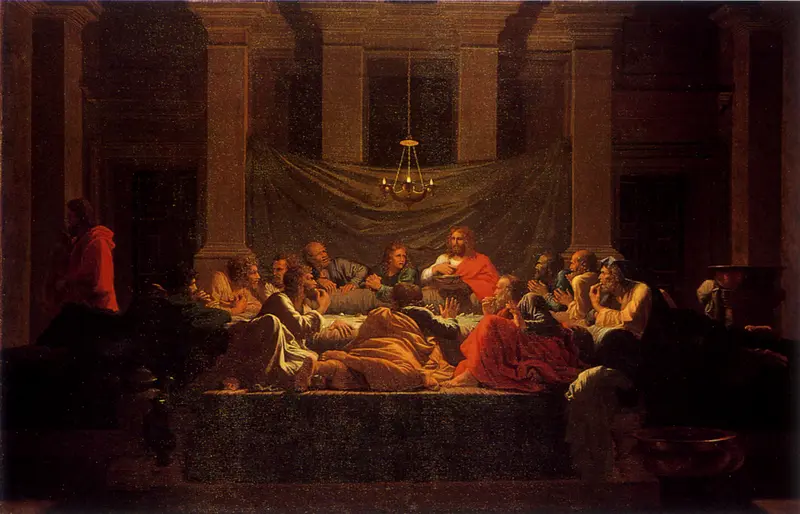
The Sacrament of the Holy Eucharist
Nicolas Poussin
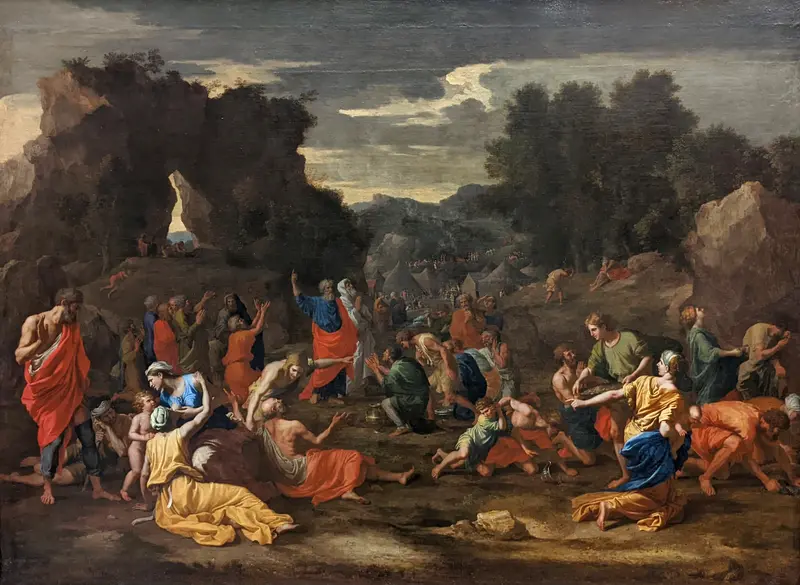
The Israelites gathering Manna in the Desert
Nicolas Poussin
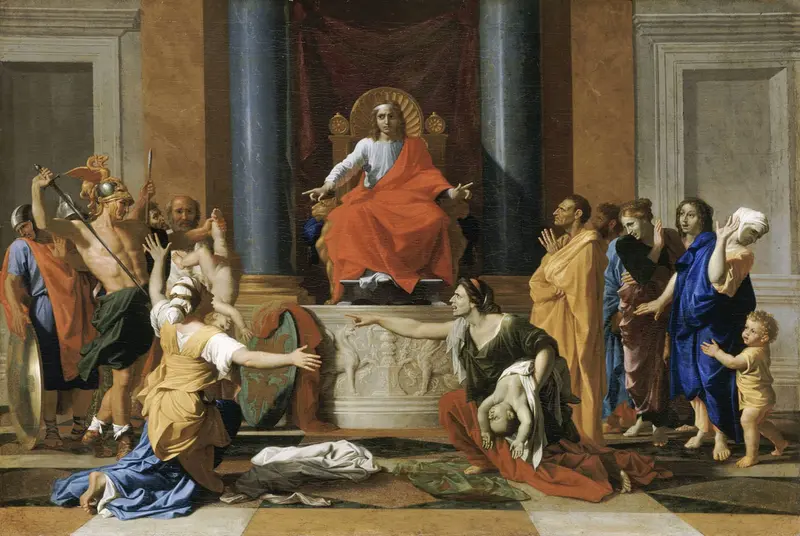
The Judgment of Solomon
Nicolas Poussin
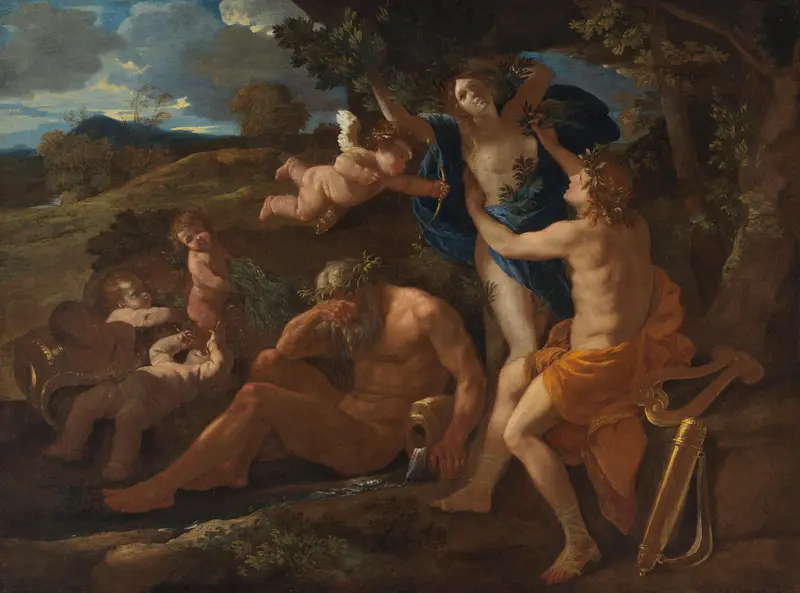
Apollo and Daphne
Nicolas Poussin

The Nurture of Jupiter
Nicolas Poussin

Ordination
Nicolas Poussin
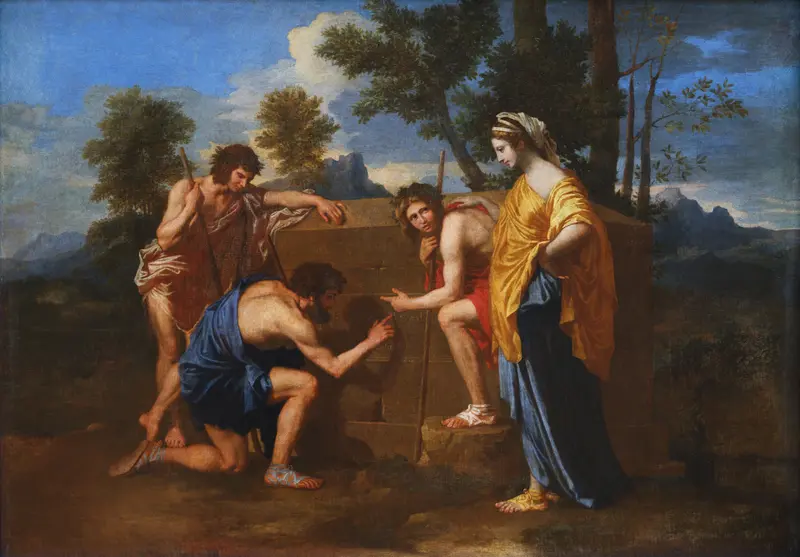
Et in Arcadia ego
Nicolas Poussin
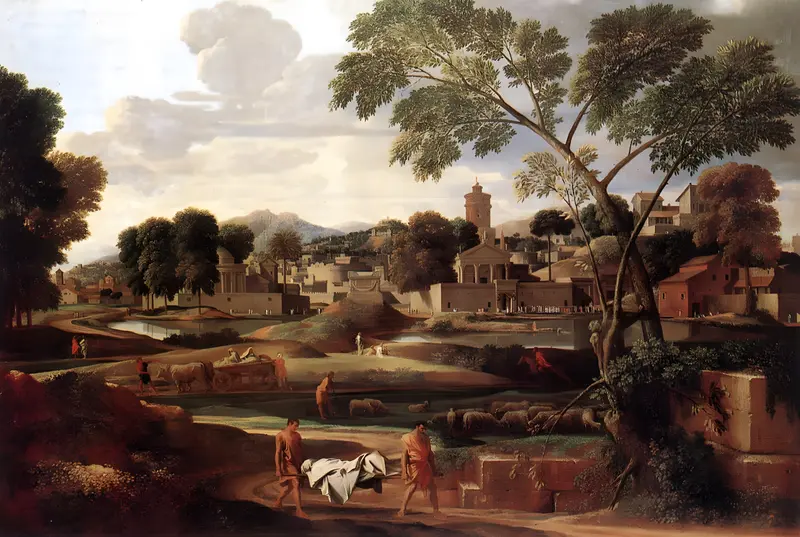
The Funeral of Phocion
Nicolas Poussin
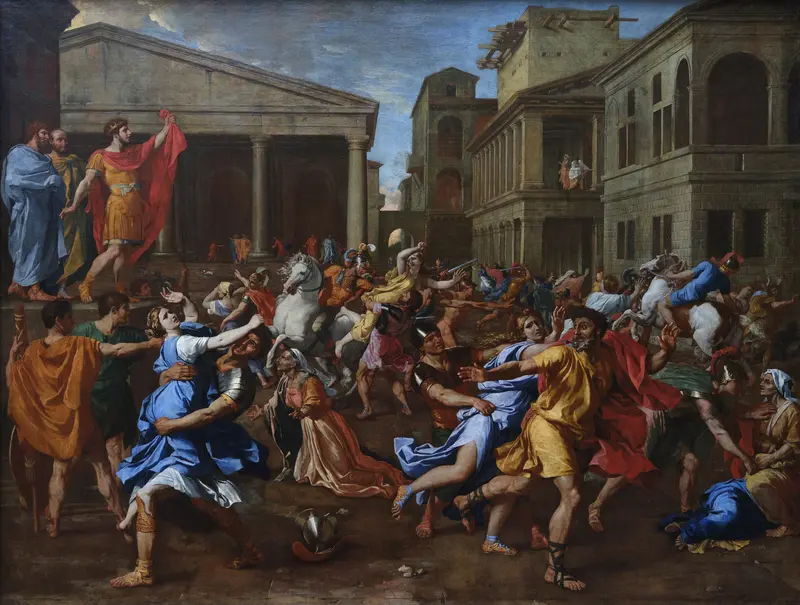
The Rape of the Sabine Women
Nicolas Poussin





