
Verering van de mens — History & Facts
The act of creation, both a delicate dance and a profound struggle, unfolds within the intricate depths of this artwork. Each detail beckons viewers to explore the nuances of human existence, revealing layers of meaning intertwined with artistry. Look closely at the center; the figures emanate a palpable energy, their gestures imbued with a sense of reverence. Notice how the soft, muted colors blend seamlessly, allowing the eye to linger on the harmonious interplay between light and shadow.
The meticulous composition gives it a rhythm, guiding you through the ascending lines that echo the elevation of the subjects. Each carefully rendered element draws you deeper into the heart of the piece, reflecting a devotion to form and intention. Within this work lies a rich tapestry of contrasts. The juxtaposition between the solemnity of the figures and the vibrancy of their surroundings suggests a tension between the sacred and the mundane.
Subtle expressions reveal a spectrum of emotions—pride, awe, perhaps even fear—echoing the complexity of creation itself. In this way, Callot captures not just a moment in time but an exploration of the very essence of humanity. During the years that Verering van de mens was crafted, Jacques Callot was deeply immersed in the world of Baroque art, working in France after a period in Italy. Between 1621 and 1628, he experienced the burgeoning art scene that emphasized drama and emotion, while also dealing with his own personal challenges, including the impact of the Thirty Years' War.
This backdrop of turmoil and transformation shaped his artistic vision, culminating in a work that resonates with the struggles and triumphs of the human spirit.
More Artworks by Jacques Callot
Browse all →
Titelprent voor de prentreeks 'De kleine apostelen' (Het martelaarschap van de apostelen)
Jacques Callot
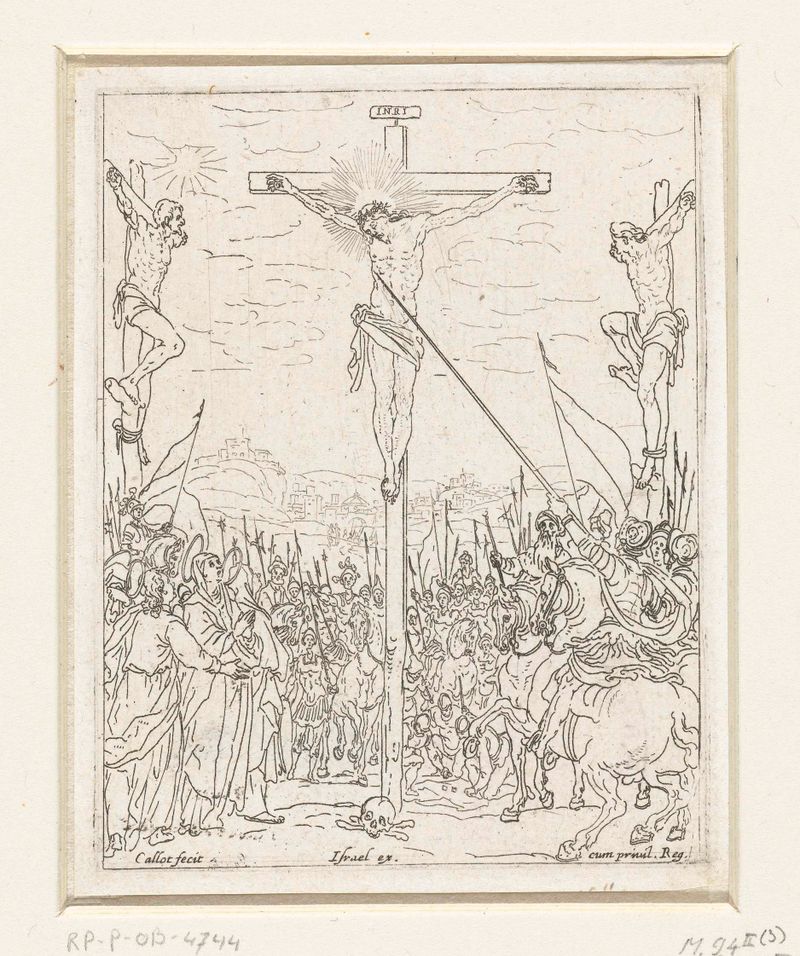
Kruisiging
Jacques Callot

De doortocht door de Rode Zee
Jacques Callot

De verloren zoon als zwijnenhoeder
Jacques Callot

Annunciatie
Jacques Callot
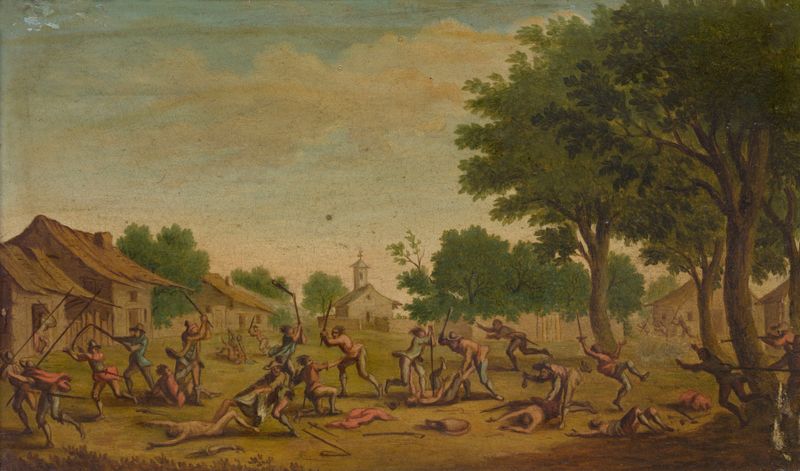
Village Fight
Jacques Callot

Titelprent voor prentreeks 'Het leven van Maria'
Jacques Callot
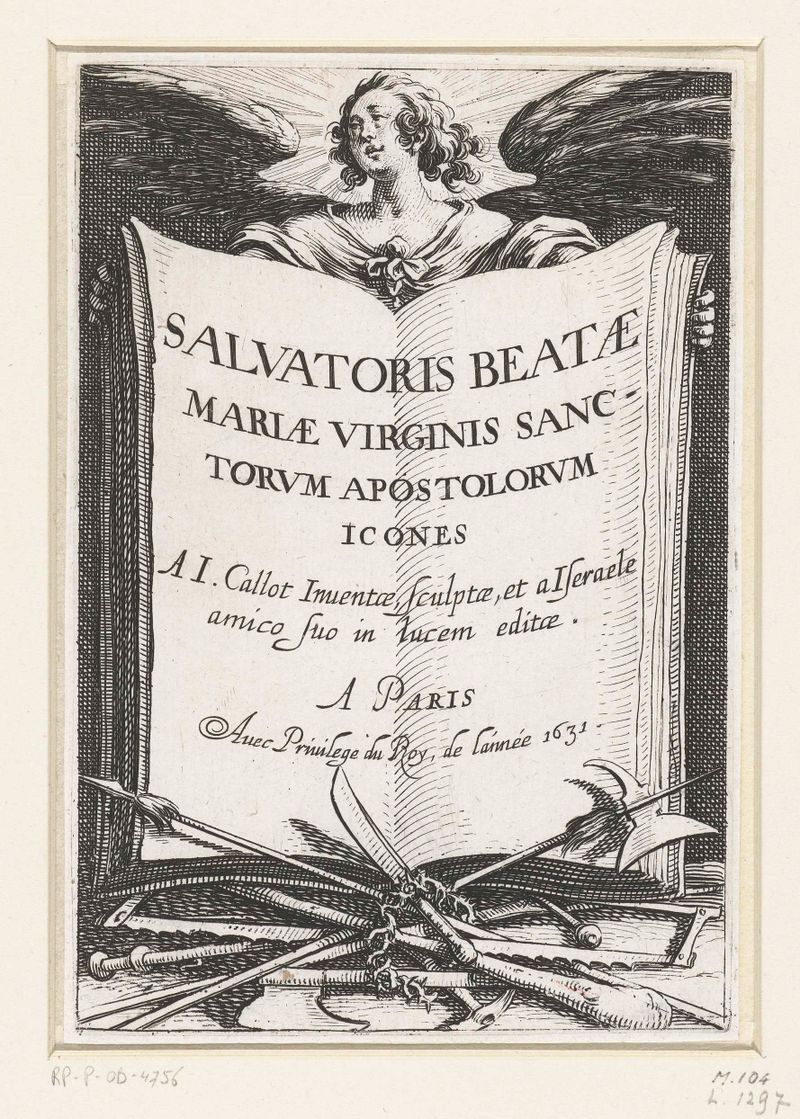
Titelprent voor de prentreeks 'De grote apostelen' (Christus, Maria en de apostelen)
Jacques Callot

Christus aan het volk getoond (Ecce homo)
Jacques Callot
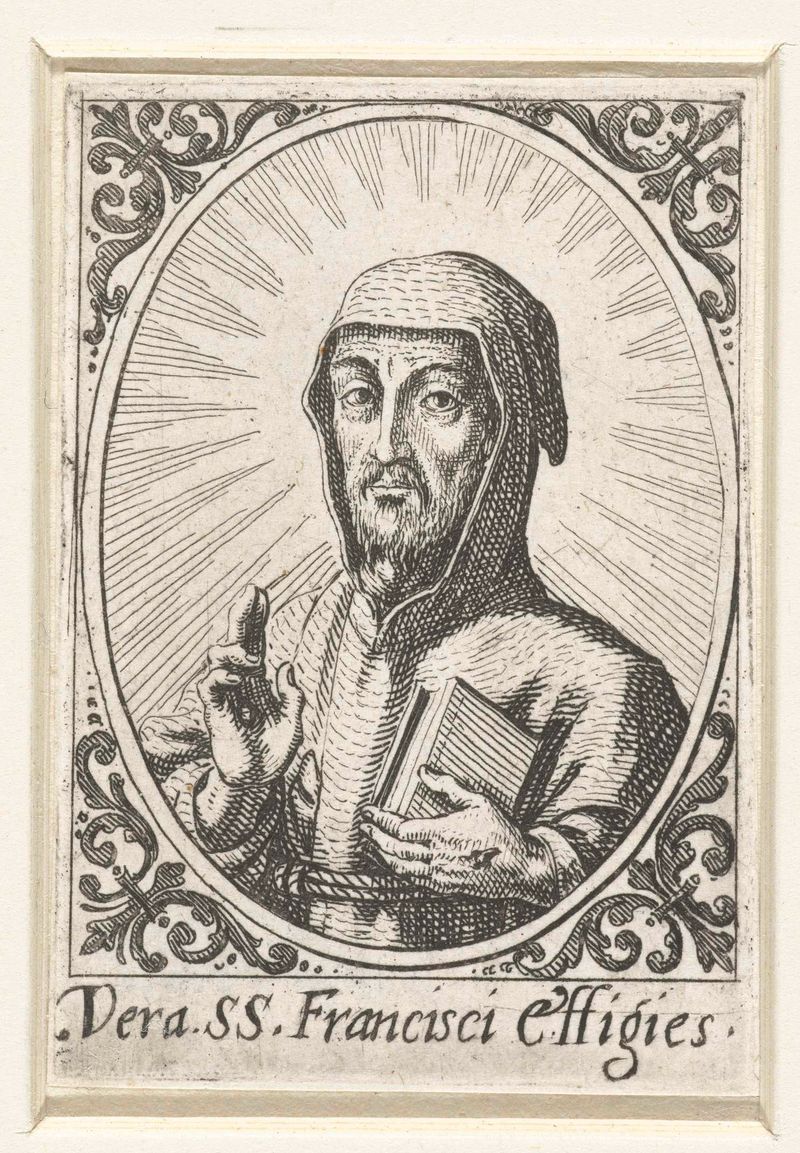
Portret van de Heilige Franciscus
Jacques Callot
More Religious Art
Browse all →
The Return of the Prodigal Son
Rembrandt van Rijn

The Garden of Earthly Delights
El Bosco

Count Orgaz’ funeral
El Greco

The Hundred Guilder Print: the central piece with Christ preaching, the plate arched
Rembrandt van Rijn

The Descent from the Cross
Rogier van der Weyden

The return of the prodigal son
Rembrandt van Rijn