
Vernet-les-Bains — History & Facts
What draws the eye first in Vernet-les-Bains is not the grand hotel or the snowy peaks, but the sense of anticipation in the figures gazing toward them. Three elegantly dressed visitors, their backs to us, are caught in a moment of arrival or perhaps longing, as if the future pleasures of the spa town are just within reach. The artist, Théophile Alexandre Steinlen, uses the sweep of the man’s cane and the woman’s vivid red scarf to lead us up from the lush oleanders, past the stately casino, and into the cool, inviting mountains.
The palette of soft blues and creams, punctuated by the warm reds of the women’s dresses, sets a mood of both leisure and excitement, promising escape from the ordinary. Posters like this were the lifeblood of Belle Époque tourism, designed to tempt city dwellers to the restorative waters and entertainments of the French countryside. In 1896, when this work was printed in Paris, the railway made such journeys newly accessible, and destinations vied for attention with bold, alluring images. The text trumpets the marvels of Vernet-les-Bains—thermal baths, casino, concerts, and the “largest swimming pool in the Pyrenees”—all in a flourish of theatrical lettering.
Though little is recorded about the journey of this particular print, its presence in the Bibliothèque nationale de France places it among the era’s surviving invitations to travel, a window into the dreams of a generation on the move. Let your gaze linger on the hopeful faces, and imagine the promise of a summer at the foot of Canigou.
More Artworks by Théophile Alexandre Steinlen

Village et charrette
Théophile Alexandre Steinlen
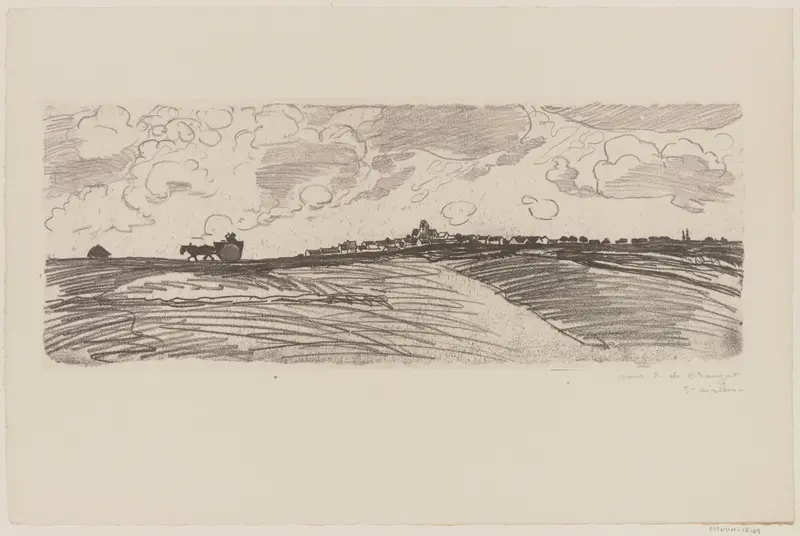
Village et charrette
Théophile Alexandre Steinlen
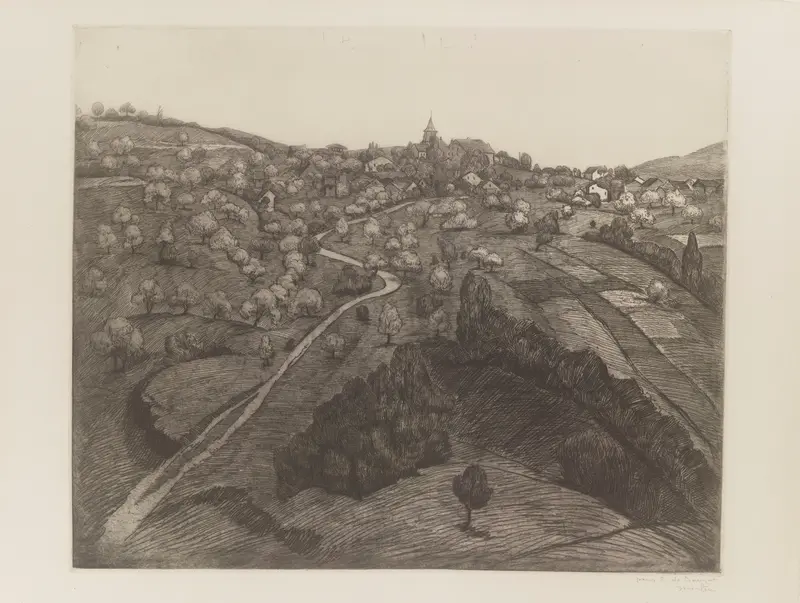
Vue de Belmont, près de Lausanne
Théophile Alexandre Steinlen
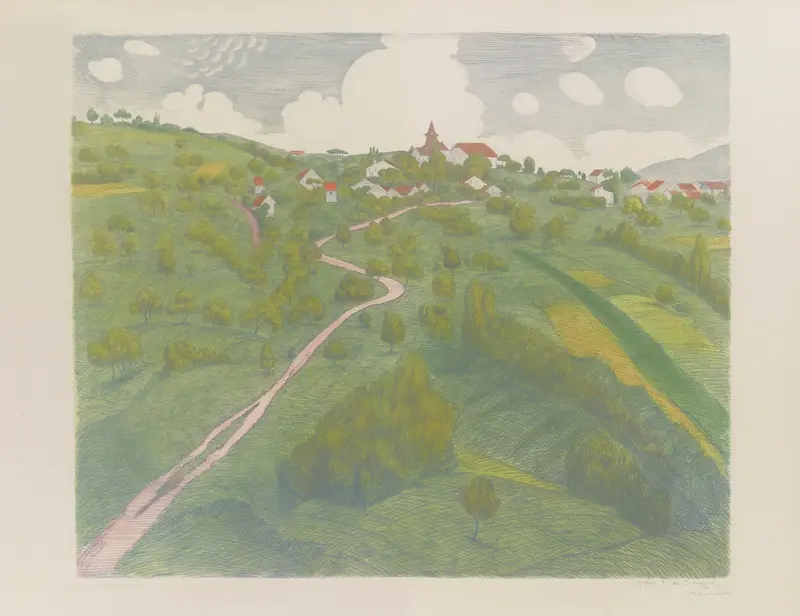
Vue de Belmont, près de Lausanne
Théophile Alexandre Steinlen
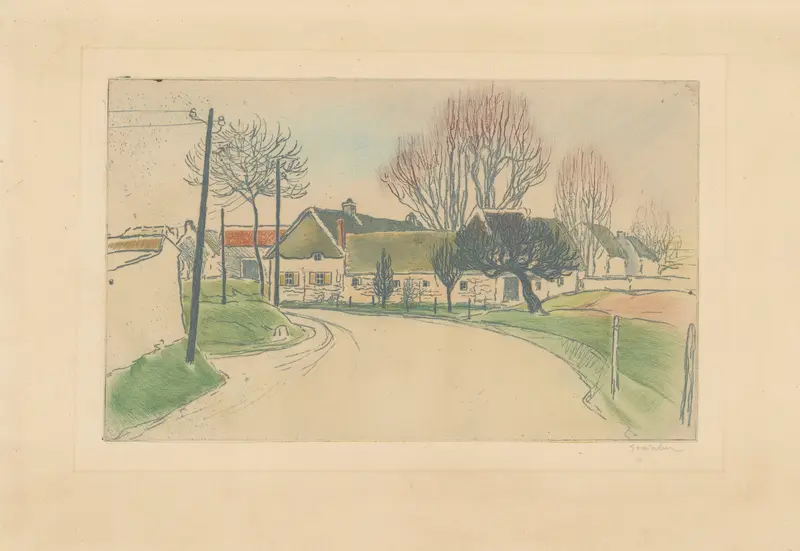
La maison à l’entrée du village
Théophile Alexandre Steinlen
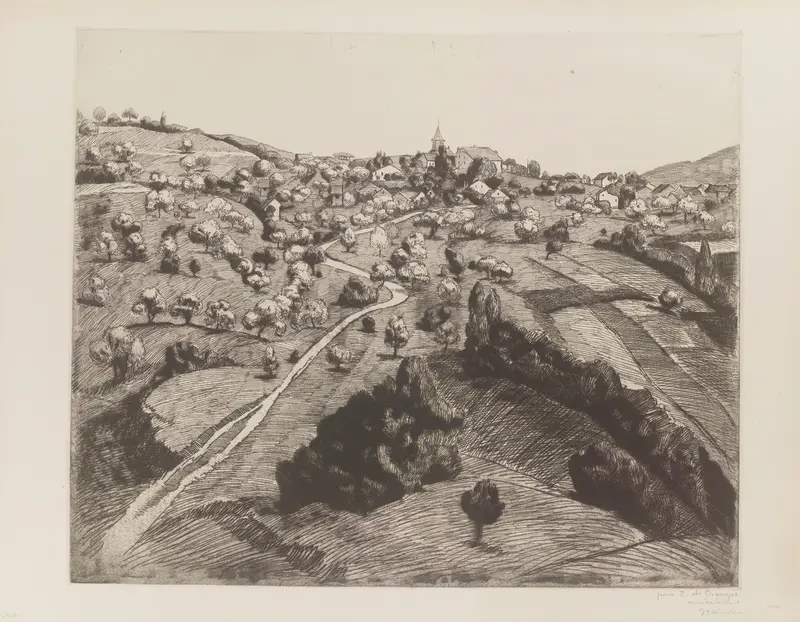
Vue de Belmont, près de Lausanne
Théophile Alexandre Steinlen
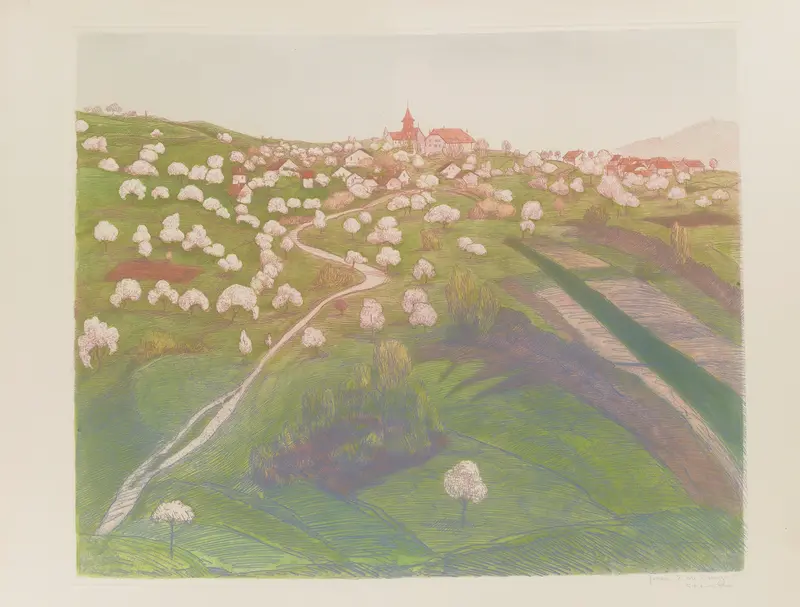
Vue de Belmont, près de Lausanne, n° 2
Théophile Alexandre Steinlen
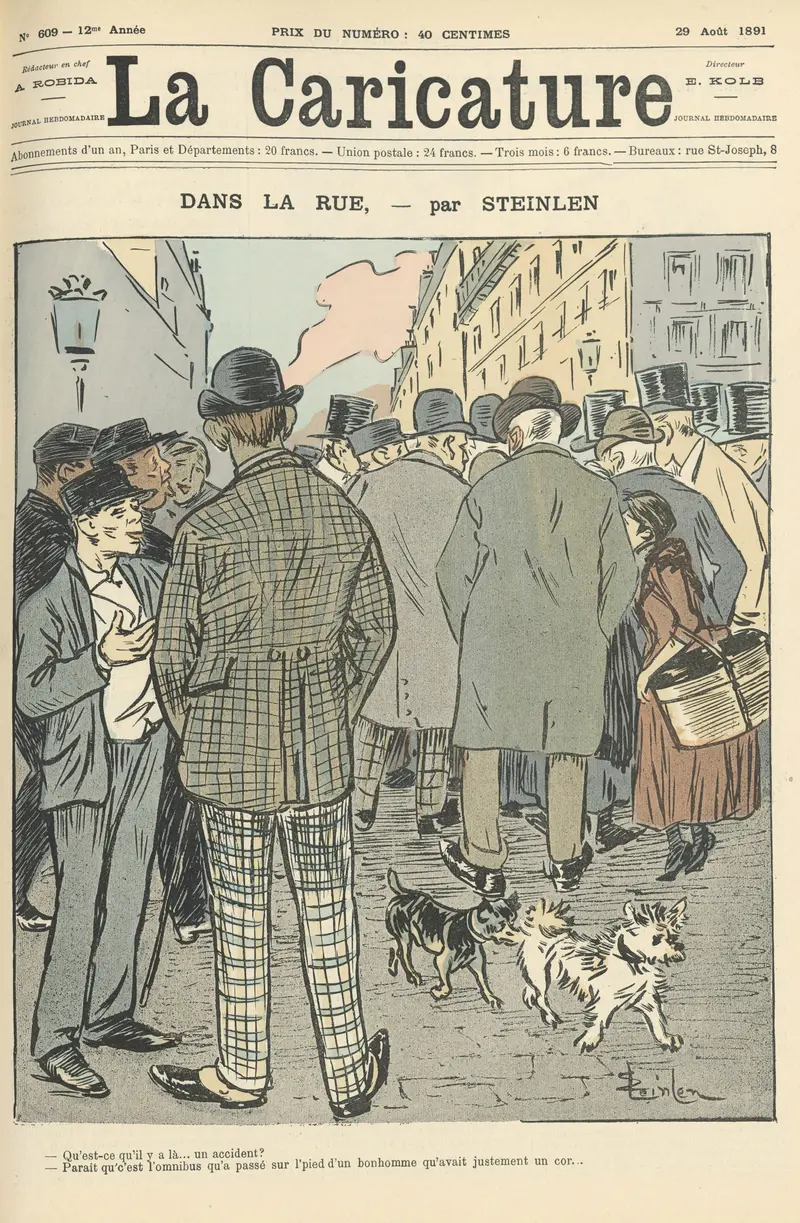
Dans la rue (La Caricature, 29 août 1891)
Théophile Alexandre Steinlen
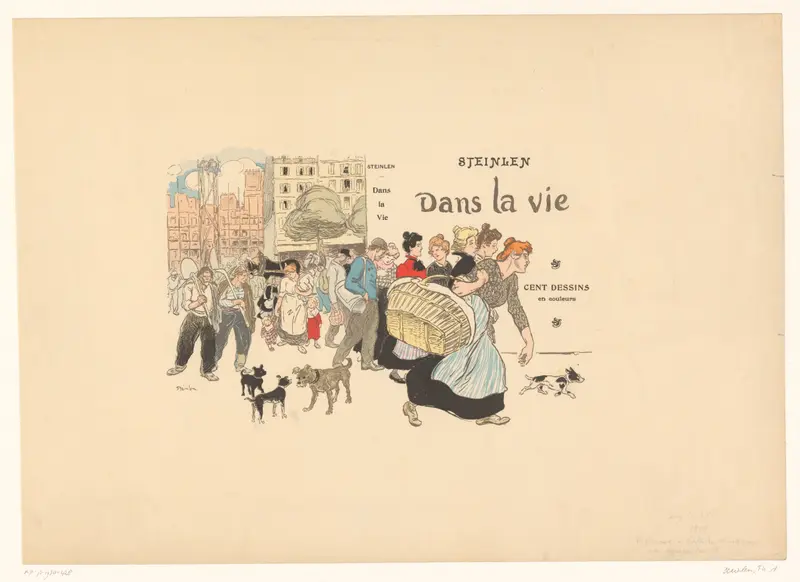
Dans la vie
Théophile Alexandre Steinlen
The Laundresses
Théophile Alexandre Steinlen
More Landscape Art

Starry Night
Vincent van Gogh

View of Delft
Johannes Vermeer

Water Lilies
Claude Monet

The Grand Canal, Venice, looking north-west from the Ca' Corner to the Ca' Contarini degli Scrigni, with the campanile of Santa Maria della Carità
Canaletto

Windsor Castle
Canaletto

The Grand Canal looking North-East from the Palazzo Dolfin-Manin to the Rialto Bridge
Canaletto