
Vernietiging van legers van Farao in Rode Zee — History & Facts
Art reveals the soul when the world turns away. In Vernietiging van legers van Farao in Rode Zee, a void emerges, capturing the weight of absent narratives and forgotten tragedies. Look to the center of the canvas, where tumultuous waves crash against the weight of history. The dynamic movement of swirling water contrasts sharply with the stillness of the sky, rendered in haunting hues of azure and gray.
Holbein's meticulous brushwork reveals the chaos of the Pharaoh’s armies being swallowed by the sea, their silhouettes blurred as they succumb to fate. The depth of color and intricate detailing draw the viewer into the tension, heightening the drama of destruction. Within the turbulent seascape lies a meditation on power and hubris. The abandoned helmets bobbing within the waves symbolize the ephemeral nature of authority, while the surrounding emptiness evokes a profound sense of loss.
This artwork underscores the tension between grandeur and vulnerability, reminding us that all empires eventually face dissolution, leaving only silence in their wake. Holbein’s nuanced contrasts serve as a reminder of the fragility of existence—a reflection on what is lost when the world turns its back. In 1538, Holbein worked in England, where political and religious upheaval shaped the artistic landscape. As the court painter to Henry VIII, he balanced the demands of royal portraiture with a fascination for allegories—like this one, steeped in biblical themes.
His exploration of dramatic narratives in this piece reflects the broader Renaissance interests in storytelling, morality, and the human experience, mirroring the shifting tides of history that surrounded him.
More Artworks by Hans Holbein (II)
Browse all →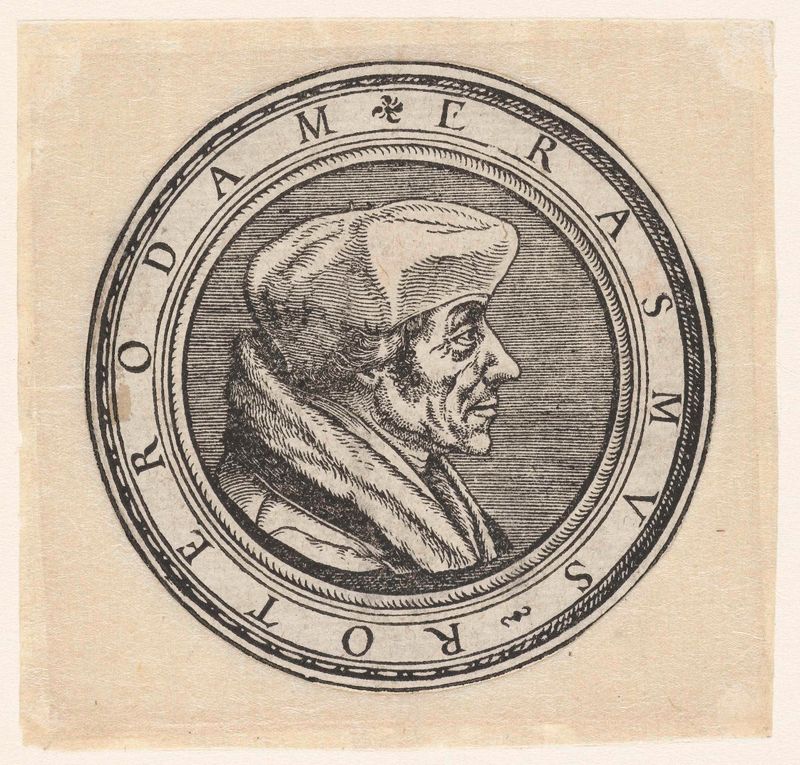
Portret van Erasmus
Hans Holbein (II)
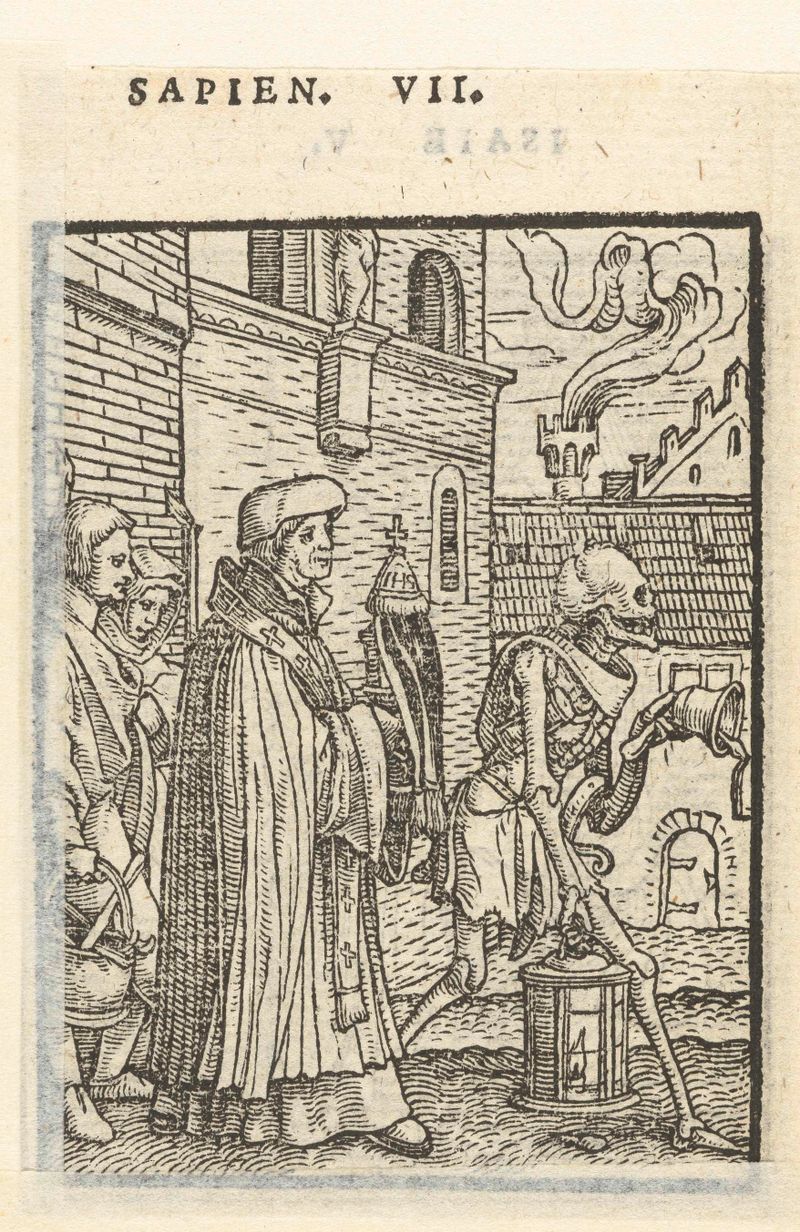
Priester en de Dood
Hans Holbein (II)
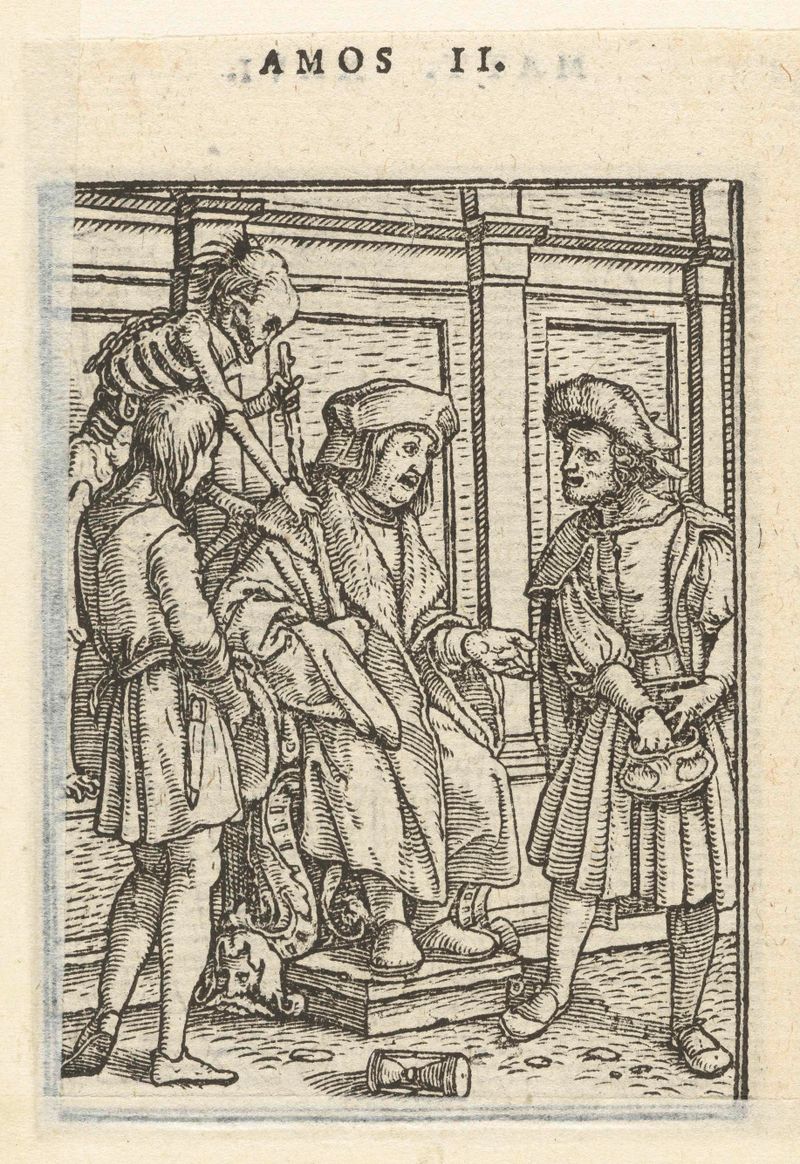
Rechter en de Dood
Hans Holbein (II)
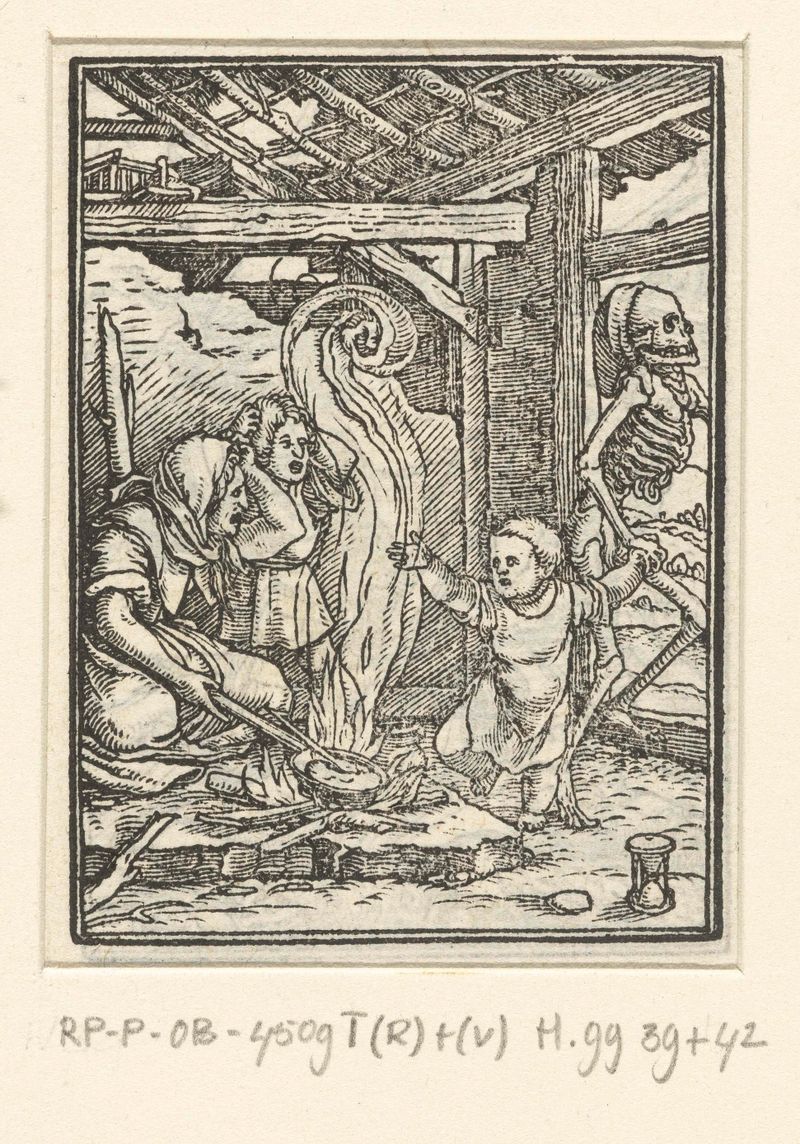
Kind en de Dood
Hans Holbein (II)
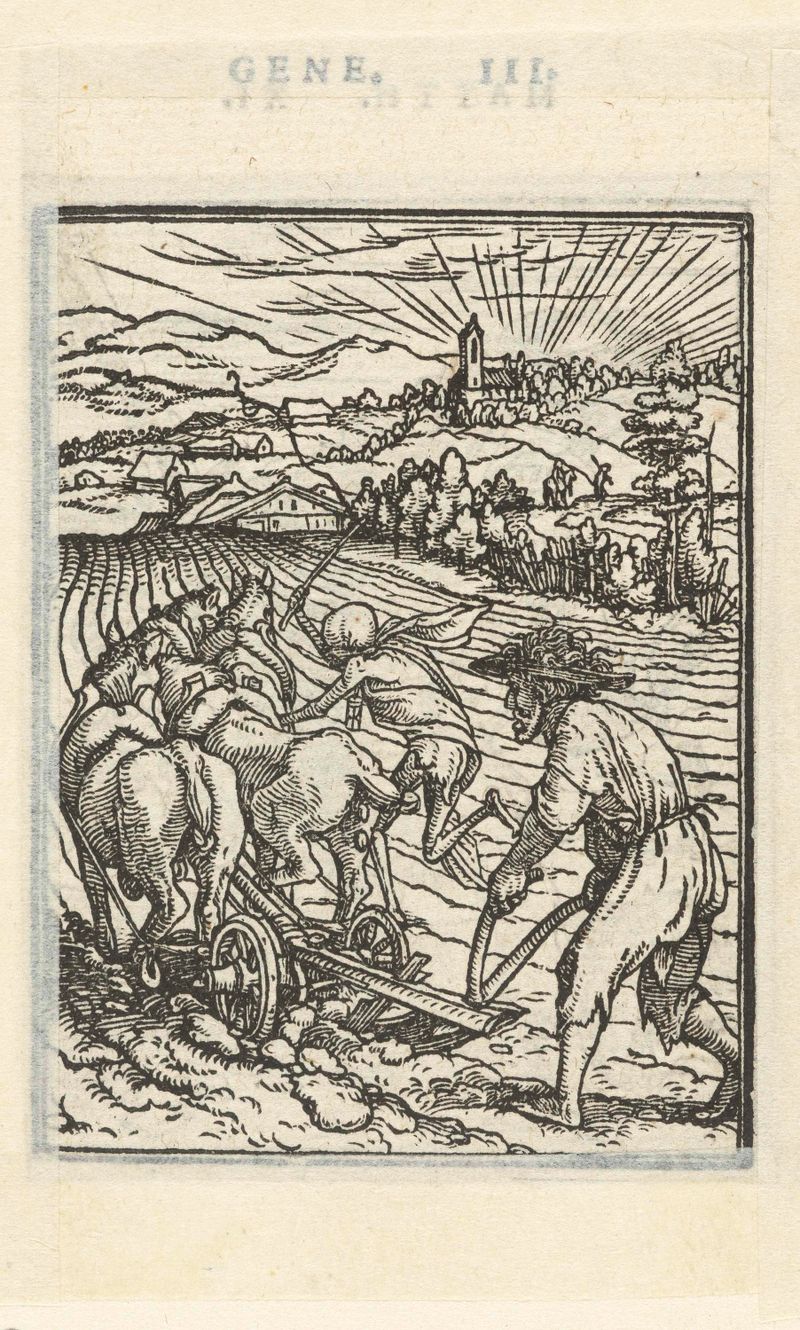
Boer en de Dood
Hans Holbein (II)
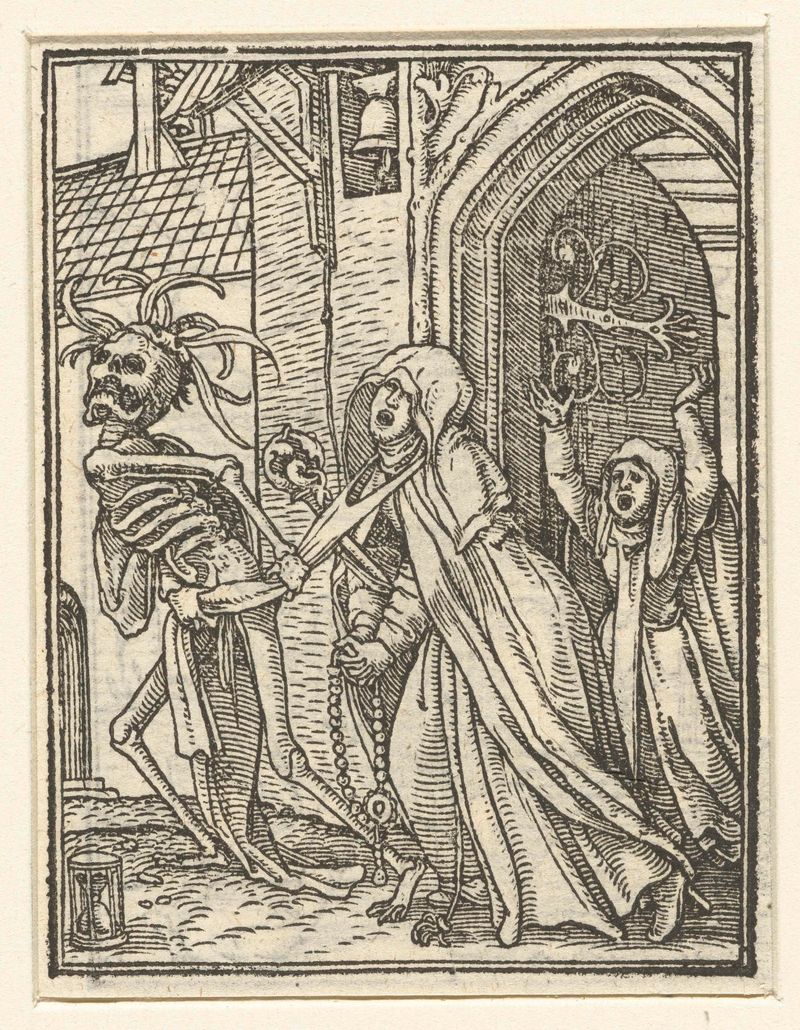
Abdis en de Dood
Hans Holbein (II)
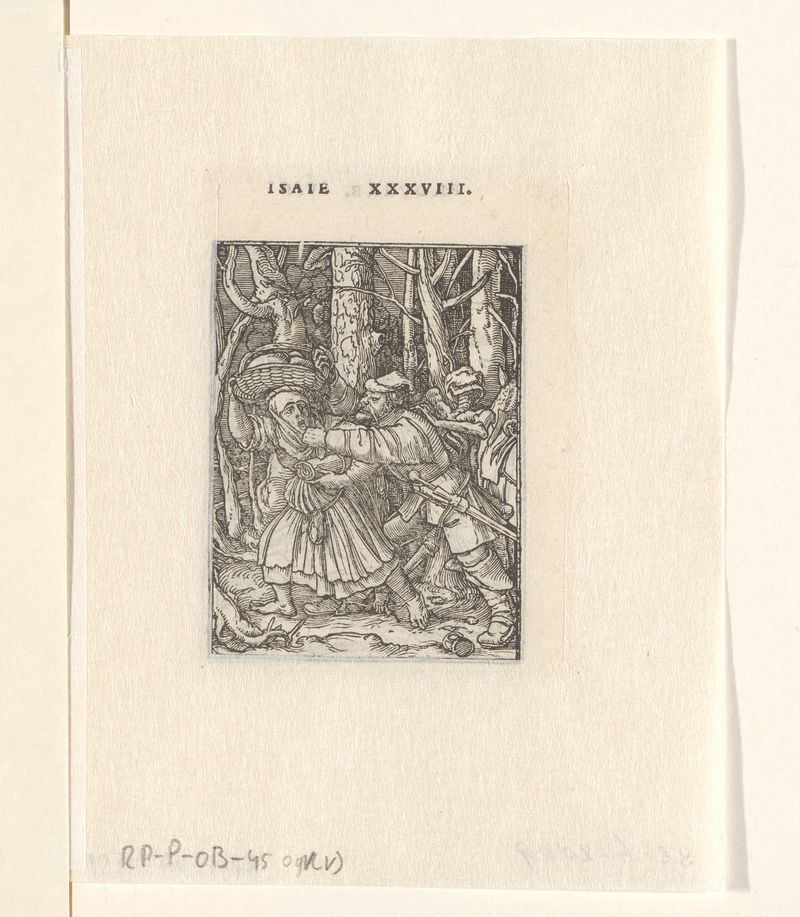
Dief en de Dood
Hans Holbein (II)
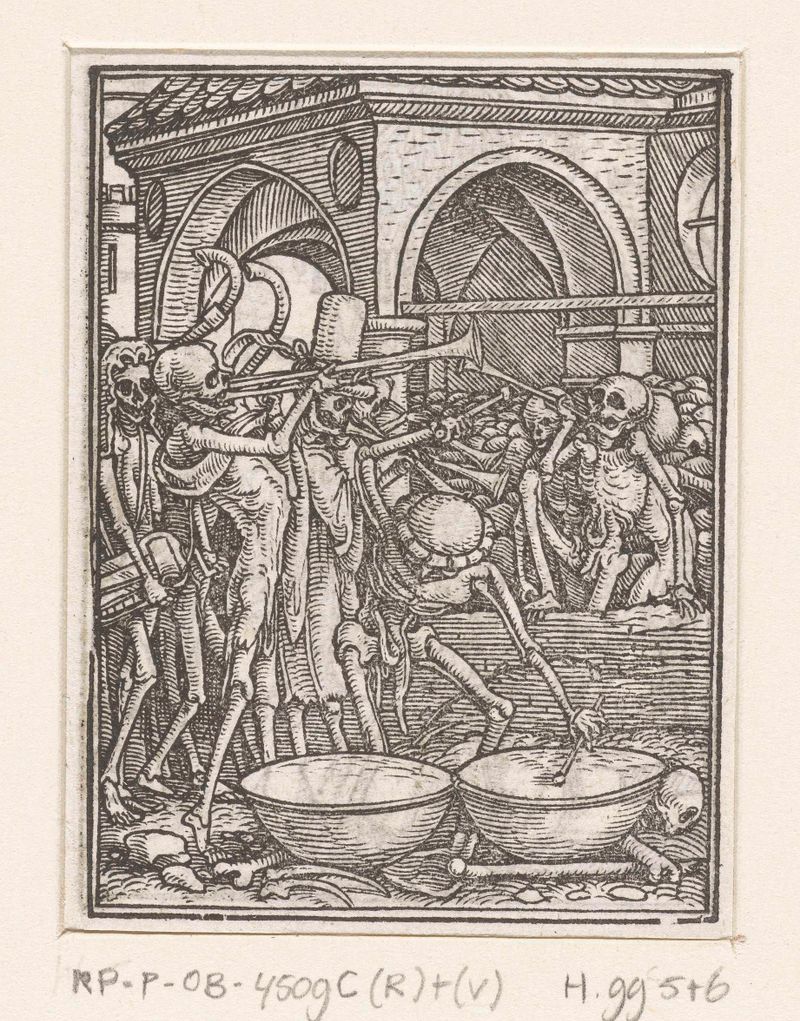
Skeletons Making Music from Dance of the Dead
Hans Holbein (II)
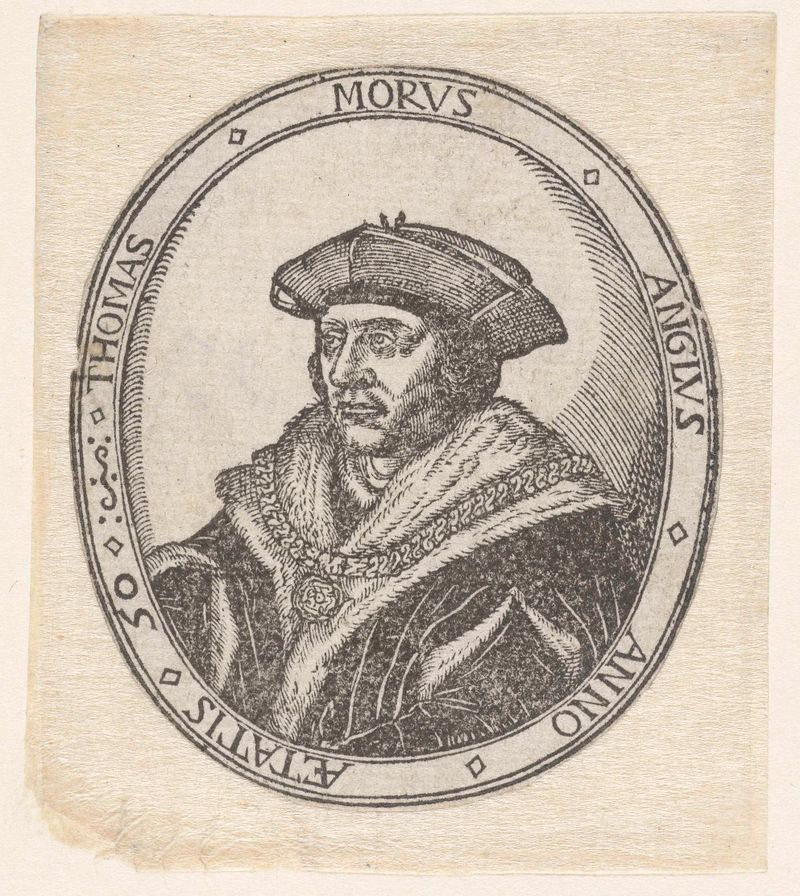
Portret van Thomas More
Hans Holbein (II)
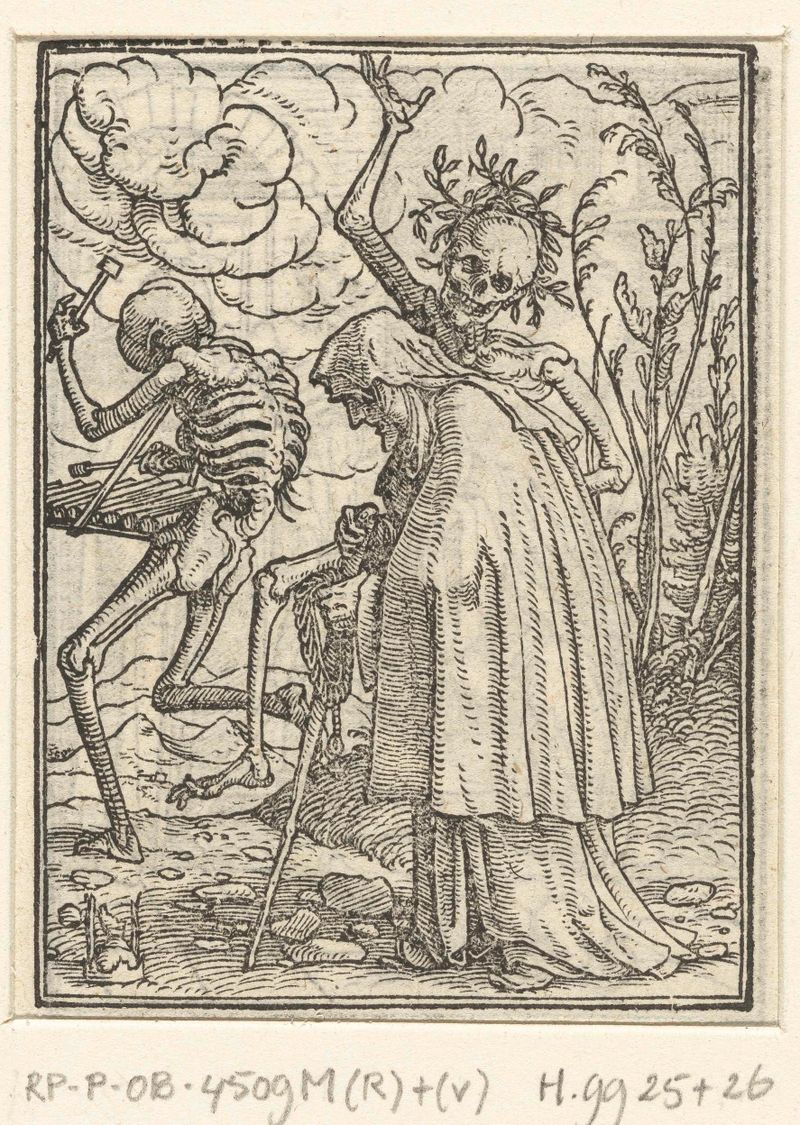
Oude vrouw en de Dood
Hans Holbein (II)
More Historical Art
Browse all →
The Night Watch Militia Company of District II under the Command of Captain Frans Banninck Cocq
Rembrandt van Rijn
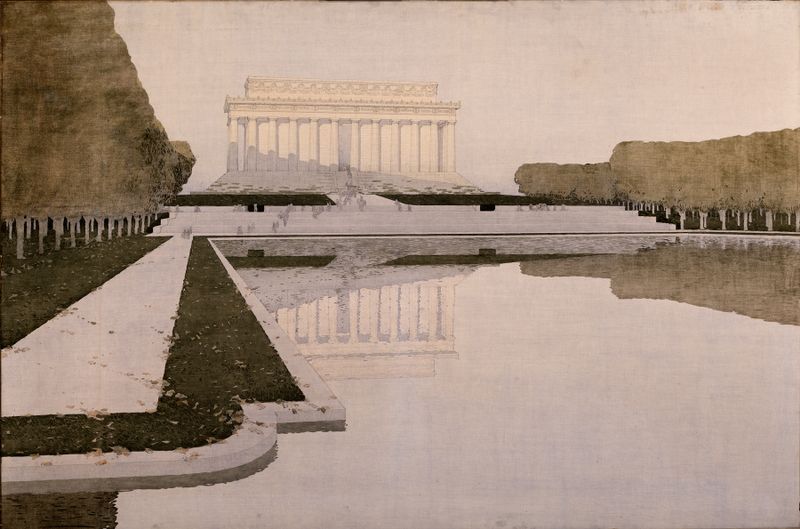
Lincoln Memorial
Henry Bacon
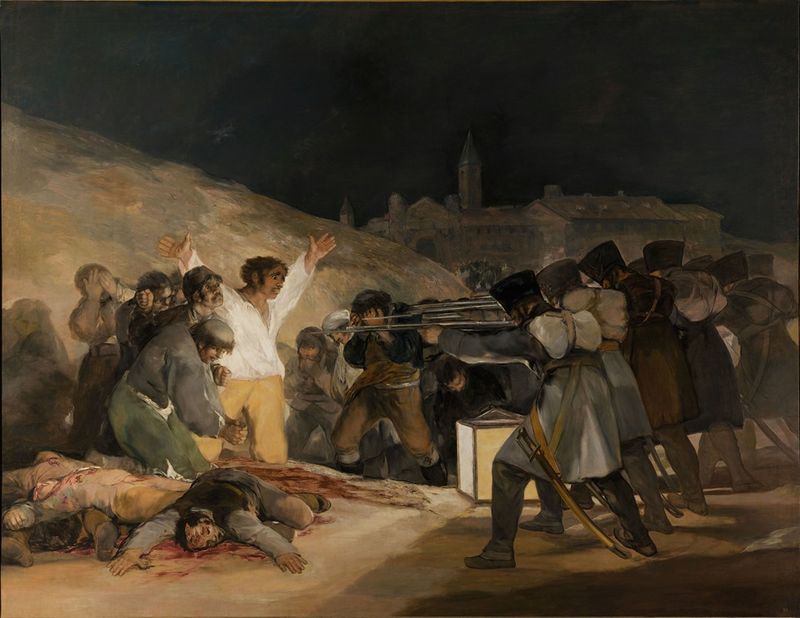
The Third of May 1808
Francisco de Goya

Isaac and Rebecca, Known as ‘The Jewish Bride’
Rembrandt van Rijn
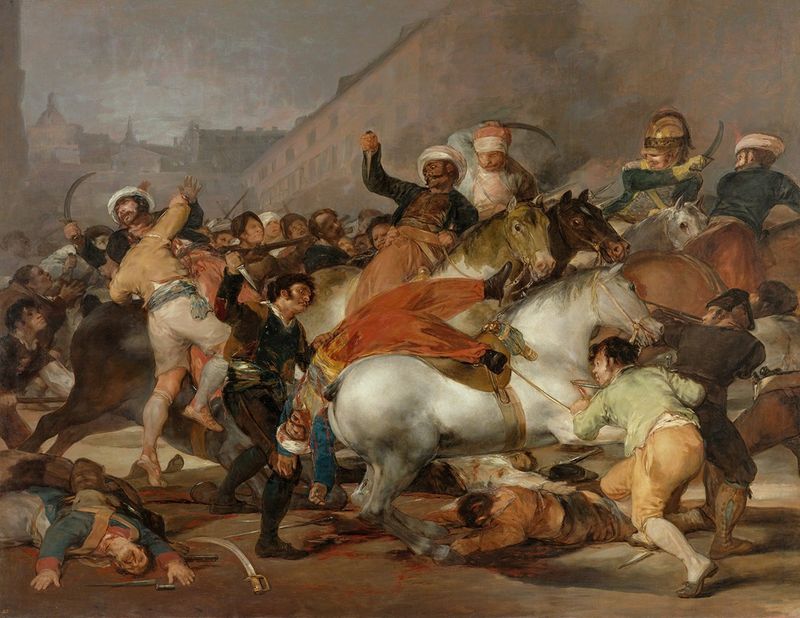
The Charge of the Mamelukes (1814)
Francisco de Goya

De vier ruiters van de apocalyps
Albrecht Dürer