
Verschijning van ruiters boven Jeruzalem — History & Facts
Who listens when art speaks of silence? In Verschijning van ruiters boven Jeruzalem, the stillness is palpable, yet the echoes of an unseen narrative reverberate through the air. This artwork invites contemplation, urging us to ponder the ethereal presence that looms over a city steeped in history. Look to the center of the canvas, where a group of horsemen emerges from a wash of muted colors. Their figures are cloaked in enigmatic hues, each one distinct yet blurred by the haze of a divine light that seems to illuminate the scene.
Notice how the horses, poised on the cusp of movement, exude a sense of urgency, contrasting with the tranquil Jerusalem below, rendered in soft, earthy tones. The composition draws your eye naturally upward, as if you too are being beckoned by the celestial figures draped in flowing garments. The tension between the earthly and the divine lies at the heart of this work. The spectral riders symbolize hope, possibly heralding a promise of salvation amidst the desolation of the city below.
Each horseman, while ethereal, carries an unspoken weight that hints at the burdens of faith and expectation. The juxtaposition of light against shadow reflects the artists' exploration of spiritual revelation and the human condition, inviting viewers to delve into their own interpretations of the divine. Completed in 1538, this piece was crafted during a pivotal moment for Holbein, who was navigating the complexities of the Reformation and its impact on religious art. Painted in Basel, where he found a blend of stability and innovation, the work embodies both the artist’s mastery of form and the broader cultural upheaval of the time.
Holbein sought to capture the divine amidst human struggles, leaving a legacy that would resonate through the ages.
More Artworks by Hans Holbein (II)
Browse all →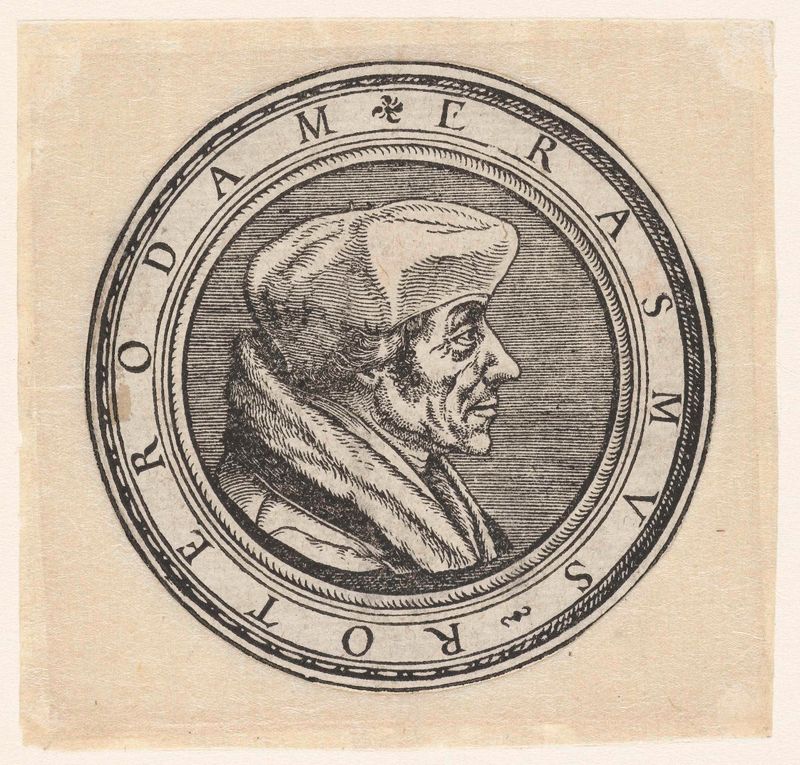
Portret van Erasmus
Hans Holbein (II)
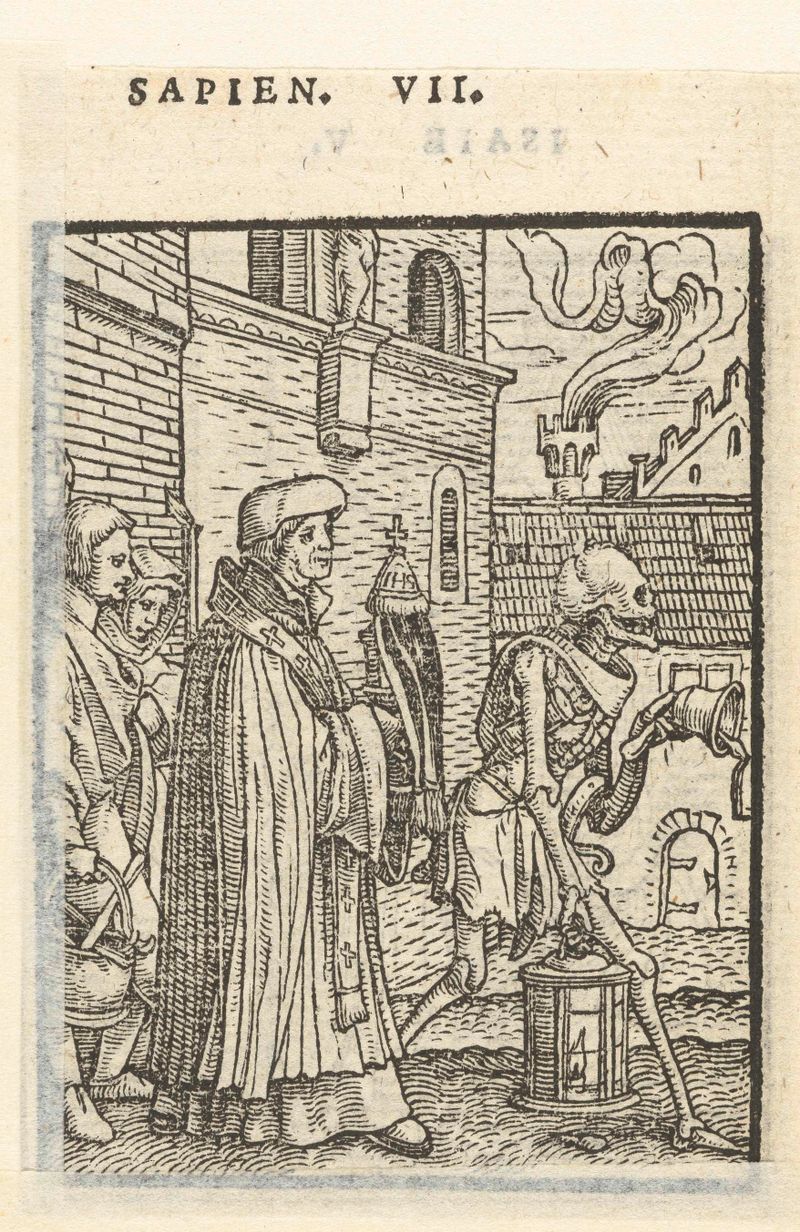
Priester en de Dood
Hans Holbein (II)
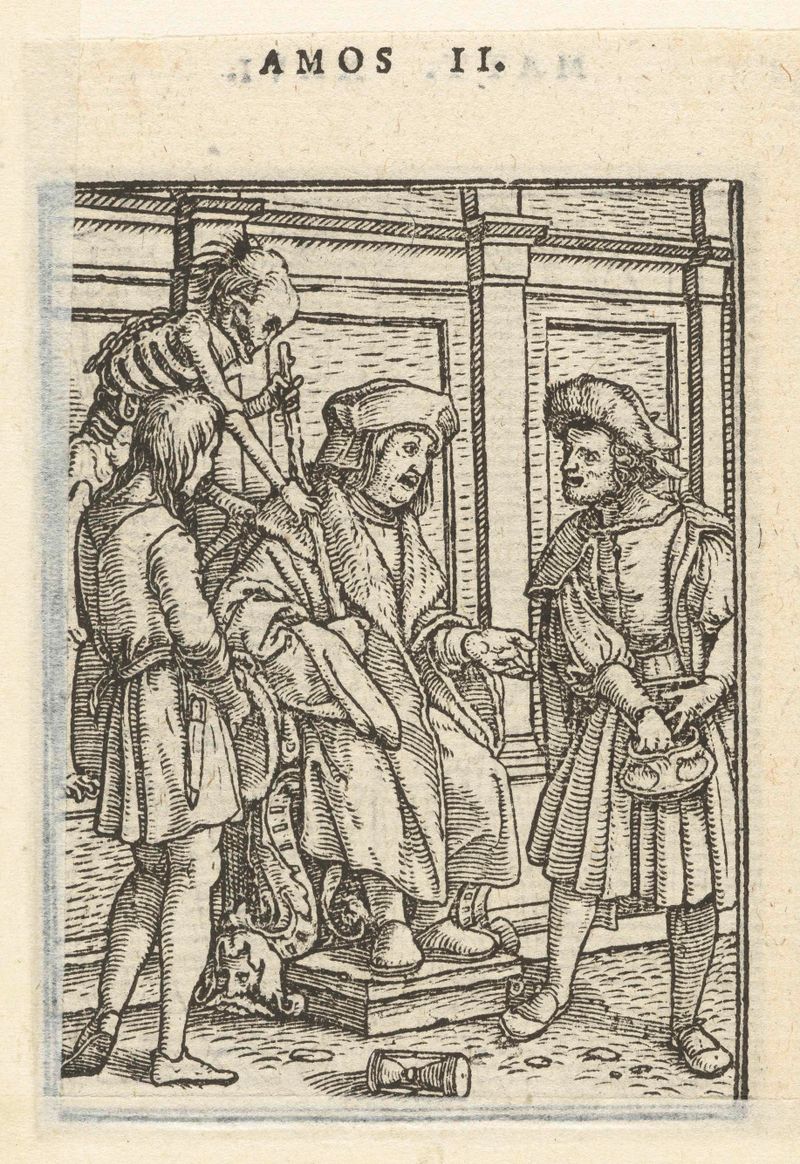
Rechter en de Dood
Hans Holbein (II)
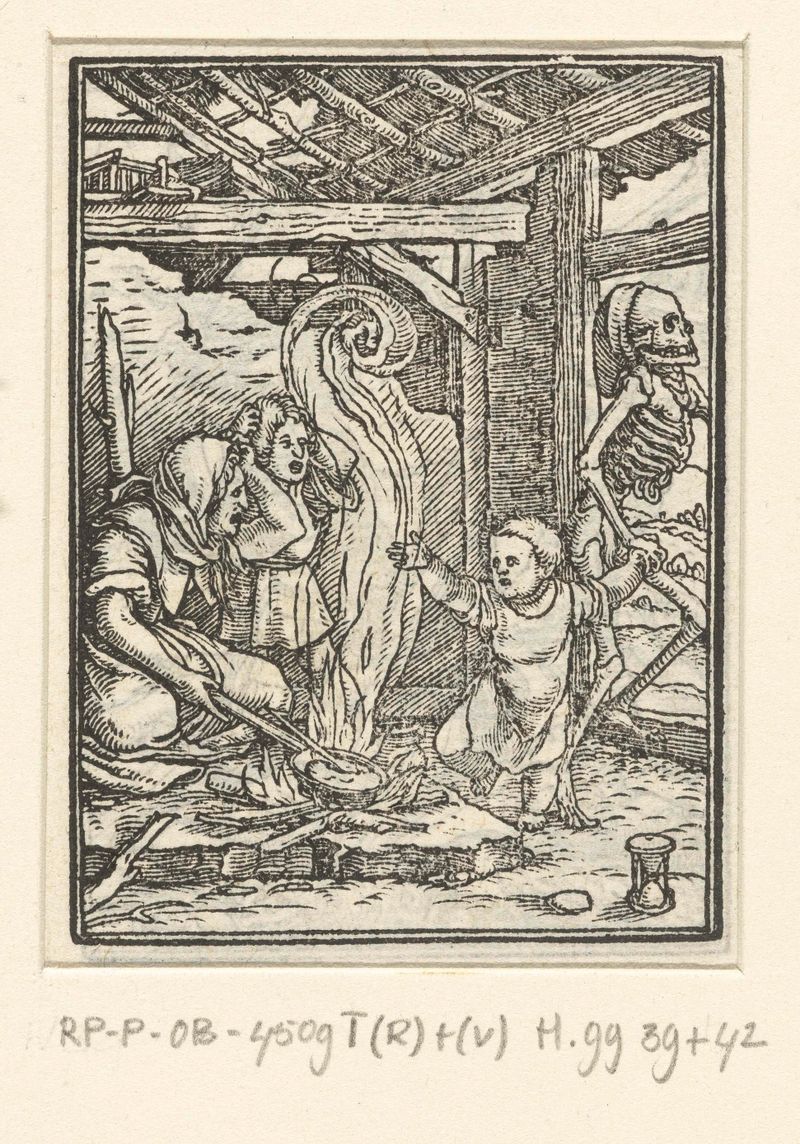
Kind en de Dood
Hans Holbein (II)
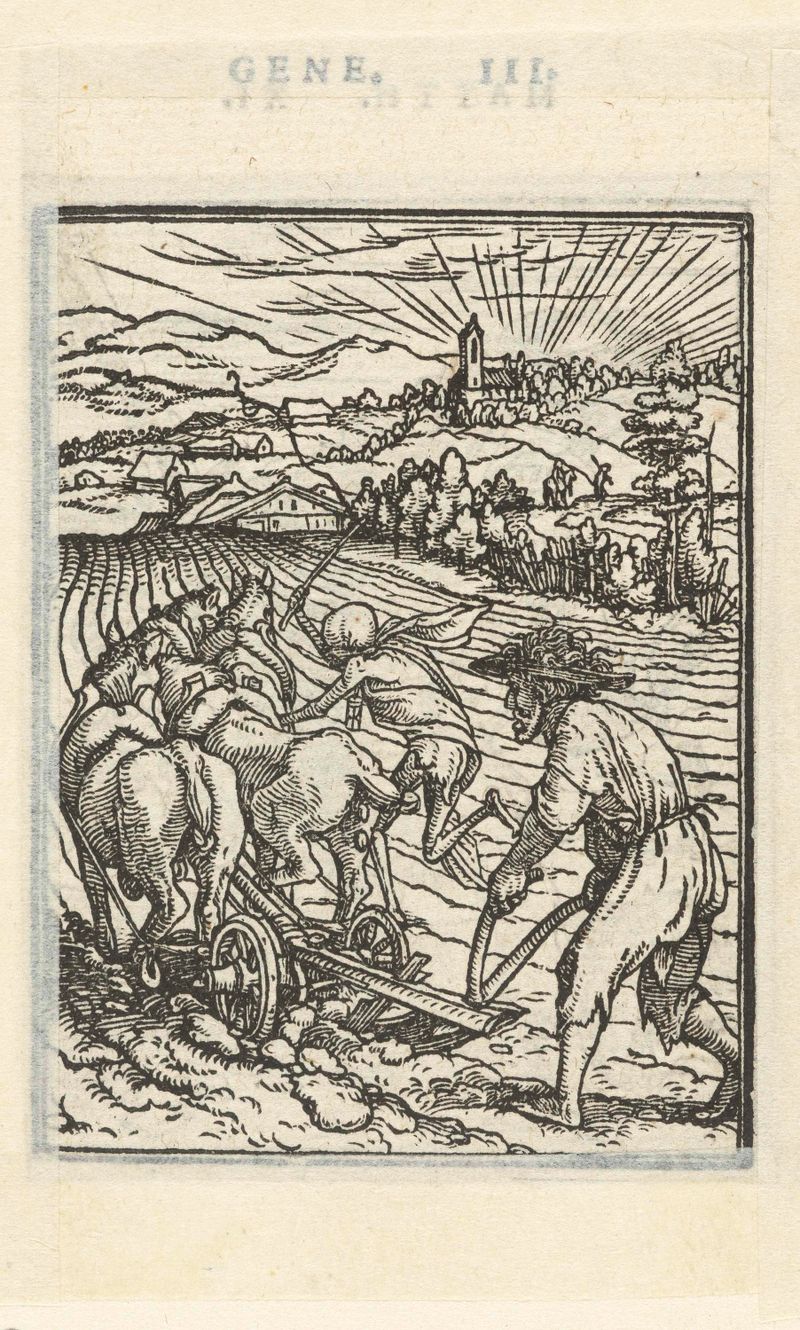
Boer en de Dood
Hans Holbein (II)
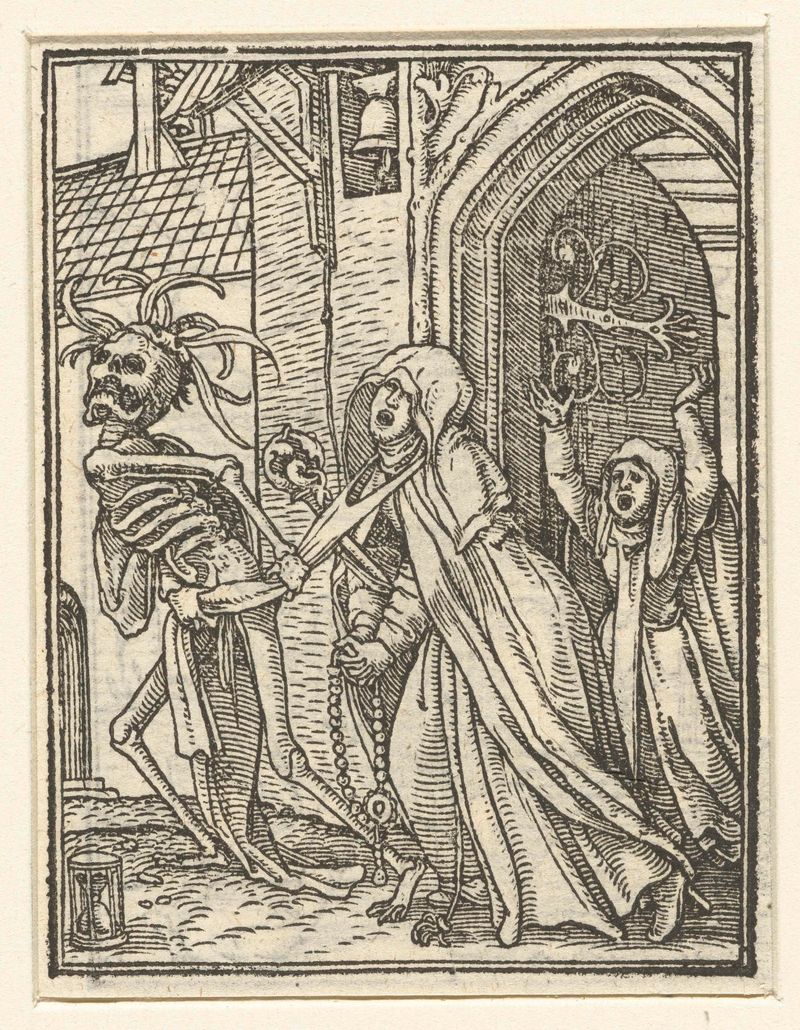
Abdis en de Dood
Hans Holbein (II)
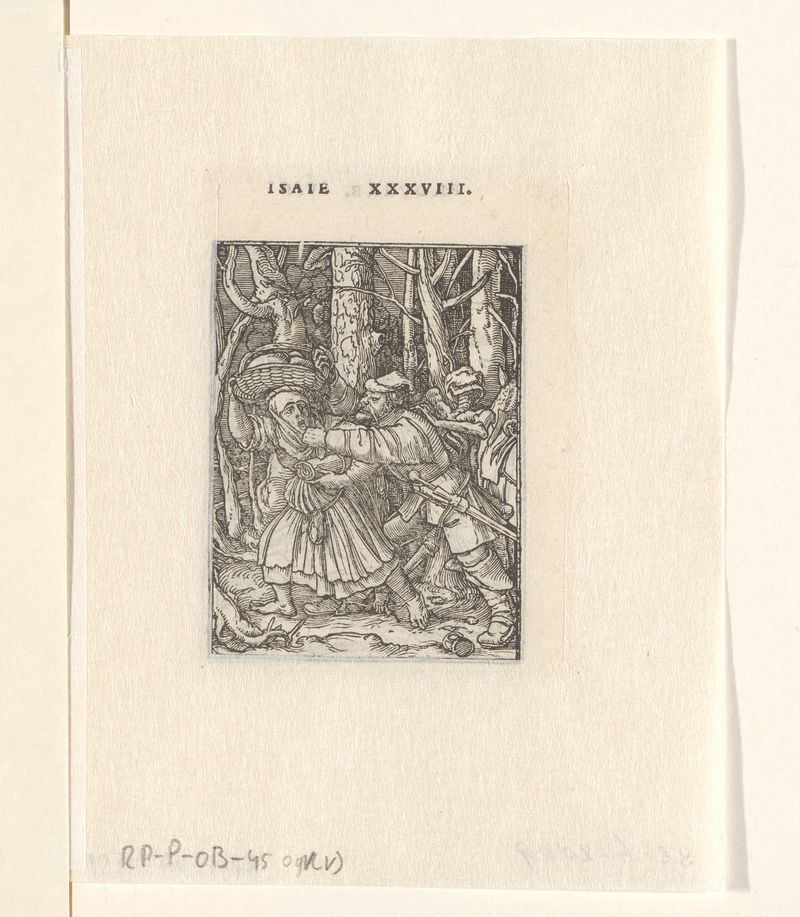
Dief en de Dood
Hans Holbein (II)
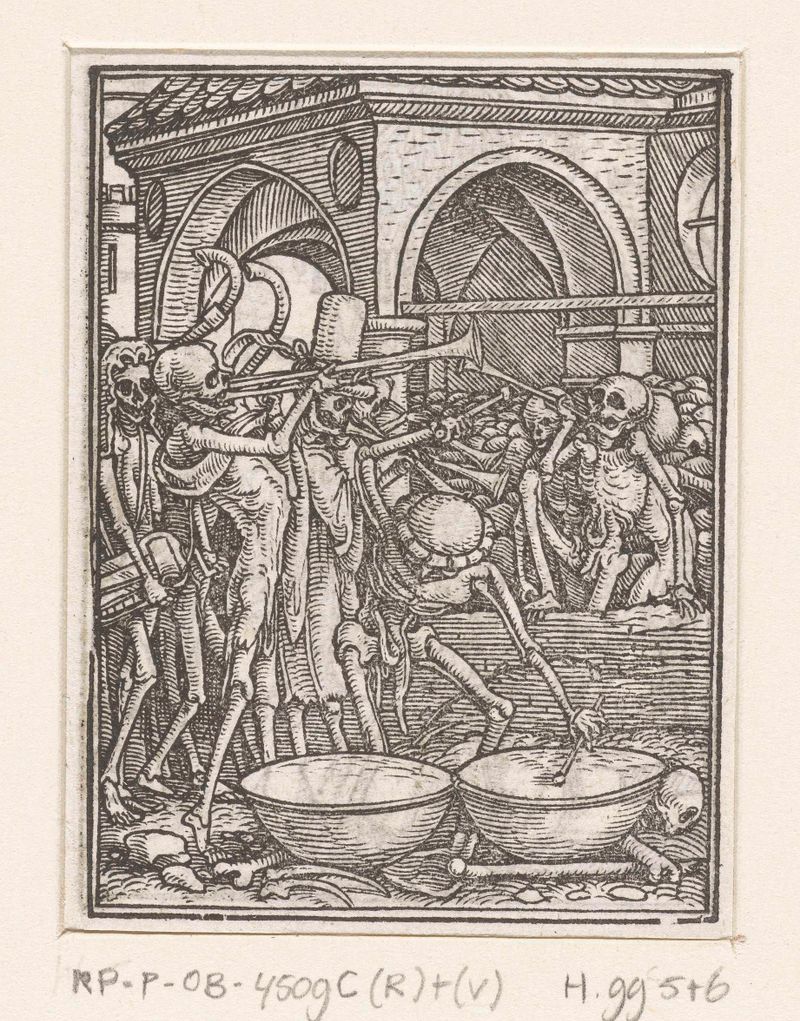
Skeletons Making Music from Dance of the Dead
Hans Holbein (II)
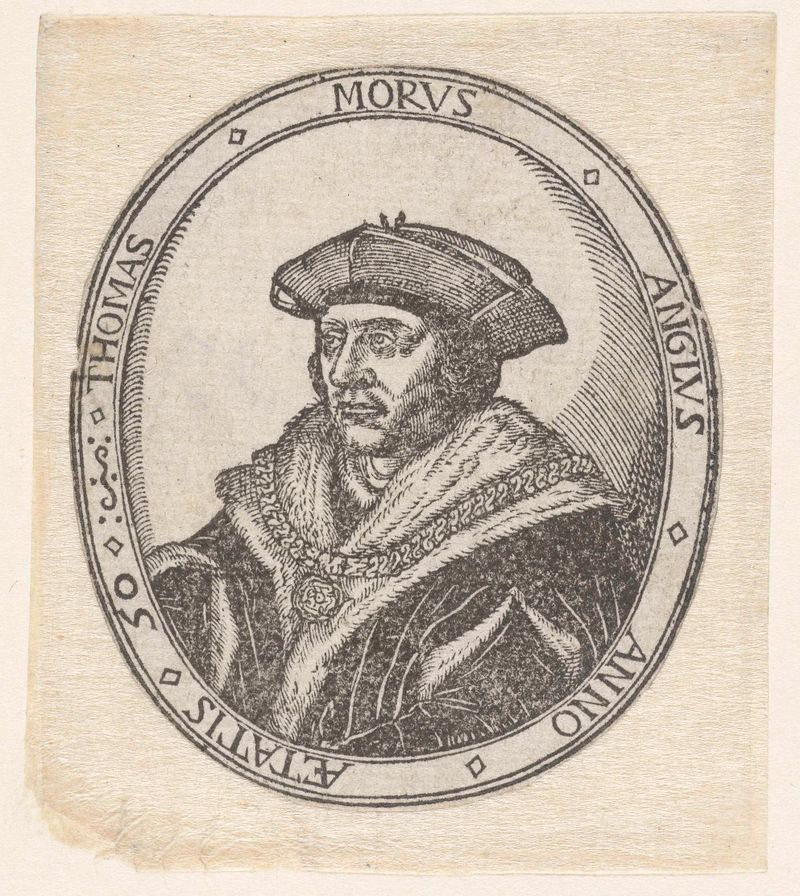
Portret van Thomas More
Hans Holbein (II)
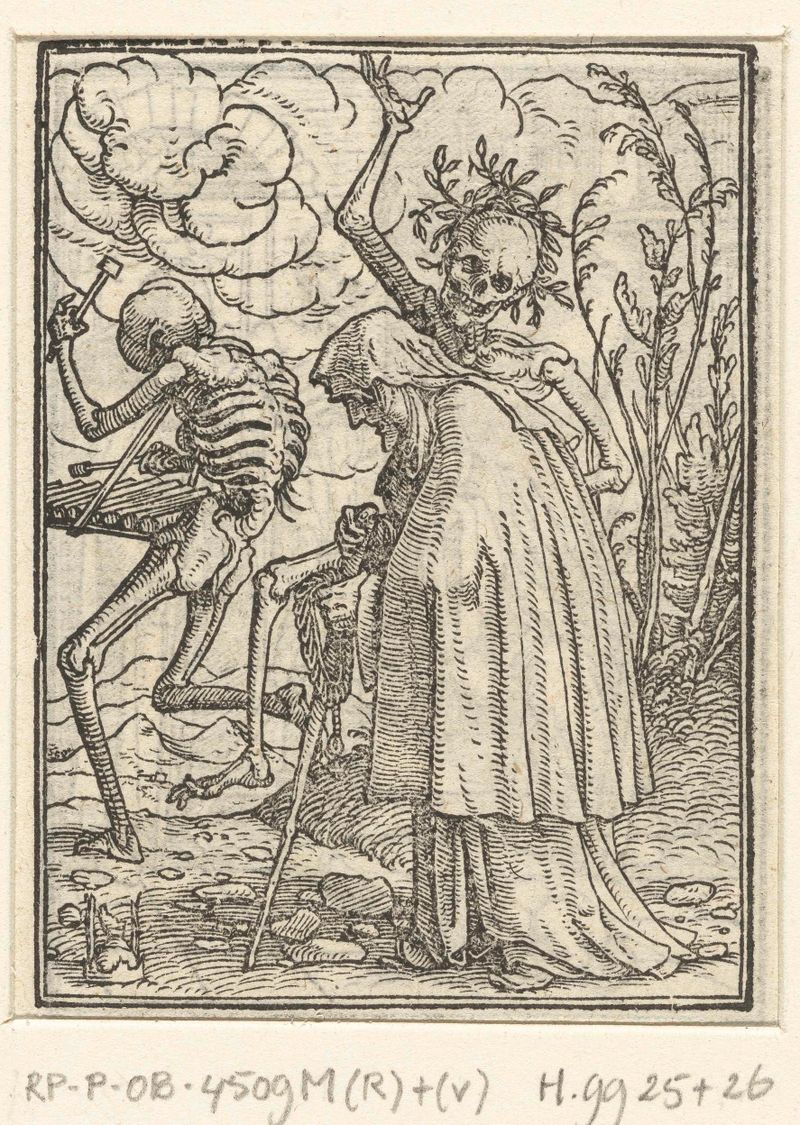
Oude vrouw en de Dood
Hans Holbein (II)
More Historical Art
Browse all →
The Night Watch Militia Company of District II under the Command of Captain Frans Banninck Cocq
Rembrandt van Rijn

Lincoln Memorial
Henry Bacon

The Third of May 1808
Francisco de Goya

Isaac and Rebecca, Known as ‘The Jewish Bride’
Rembrandt van Rijn

The Charge of the Mamelukes (1814)
Francisco de Goya

De vier ruiters van de apocalyps
Albrecht Dürer