Vier vlinders — History & Facts
Who listens when art speaks of silence? In Wenceslaus Hollar’s Vier vlinders, the delicate flutter of four distinct butterflies suggests a profound connection between fate and fragility. Look to the center, where the butterflies rest gracefully on a muted backdrop, each one a study in intricate detail. Notice the soft, earthy palette that envelops them, blending shades of brown, ochre, and pale blues. Each wing is lavishly adorned with patterns that move from the gentle curves of the upper wings to the more angular shapes beneath, creating a harmonious balance of symmetry and chaos.
The subtle play of light reveals the textured surfaces, inviting the viewer to lean in closer and explore the delicate beauty of nature. Yet, these serene creatures embody a deeper tension. Observe the way they are positioned — seemingly at rest, yet poised to take flight at any moment. This juxtaposition of stillness and potential speaks to the unpredictability of existence.
The butterflies, symbols of transformation, suggest a destiny that lies just out of reach, echoing the fragility of life itself. Each moment captured is a reminder of the transient nature of beauty, hinting at the ephemeral yet profound journey of existence. In 1646, while living in London and influenced by the burgeoning Baroque style, Hollar created this work during a period marked by both personal trials and an evolving artistic landscape. His focus on the natural world often served as a vehicle for deeper philosophical musings, reflecting the anxieties and aspirations of his time.
As he meticulously rendered these butterflies, he intertwined his observations with the larger questions of fate and existence, capturing not just the image, but the essence of life itself.
More Artworks by Wenceslaus Hollar
Browse all →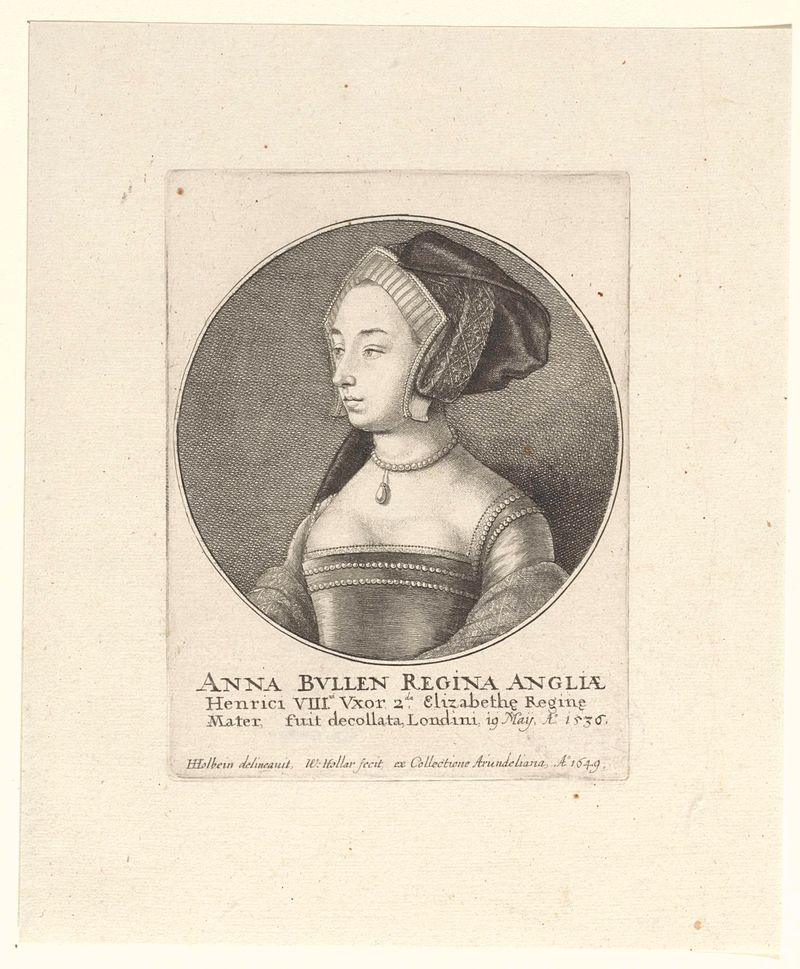
Portret van Anna Boleyn, koningin van Engeland
Wenceslaus Hollar
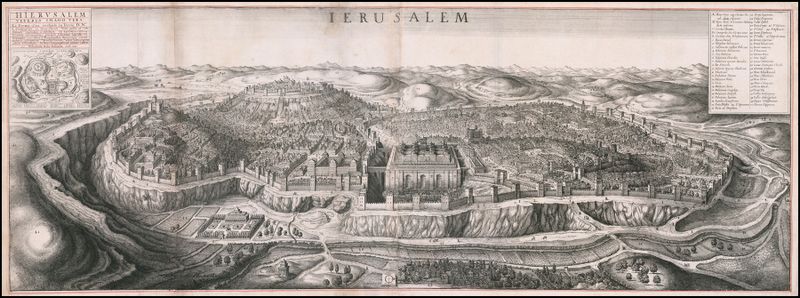
Bird’s eye view of Jerusalem
Wenceslaus Hollar
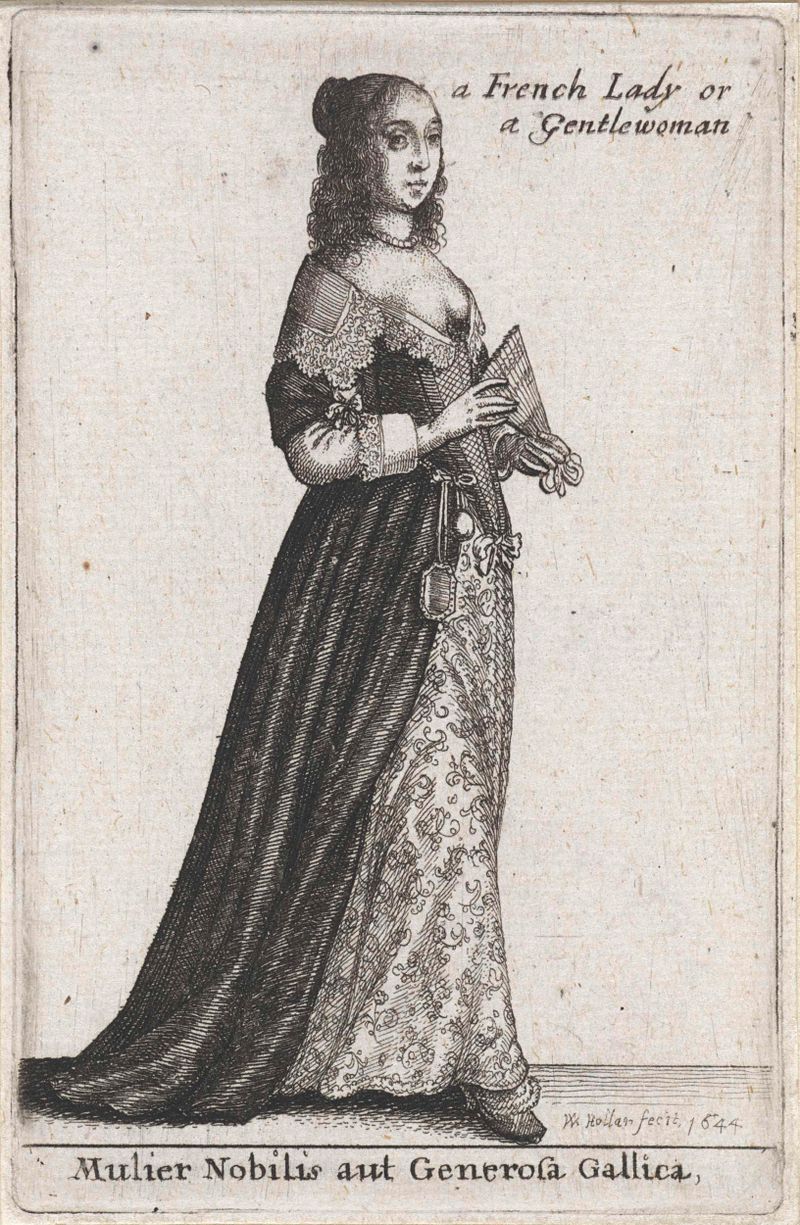
Mulier Nobilis aut Generosa Gallica / a French Lady or Gentlewoman
Wenceslaus Hollar
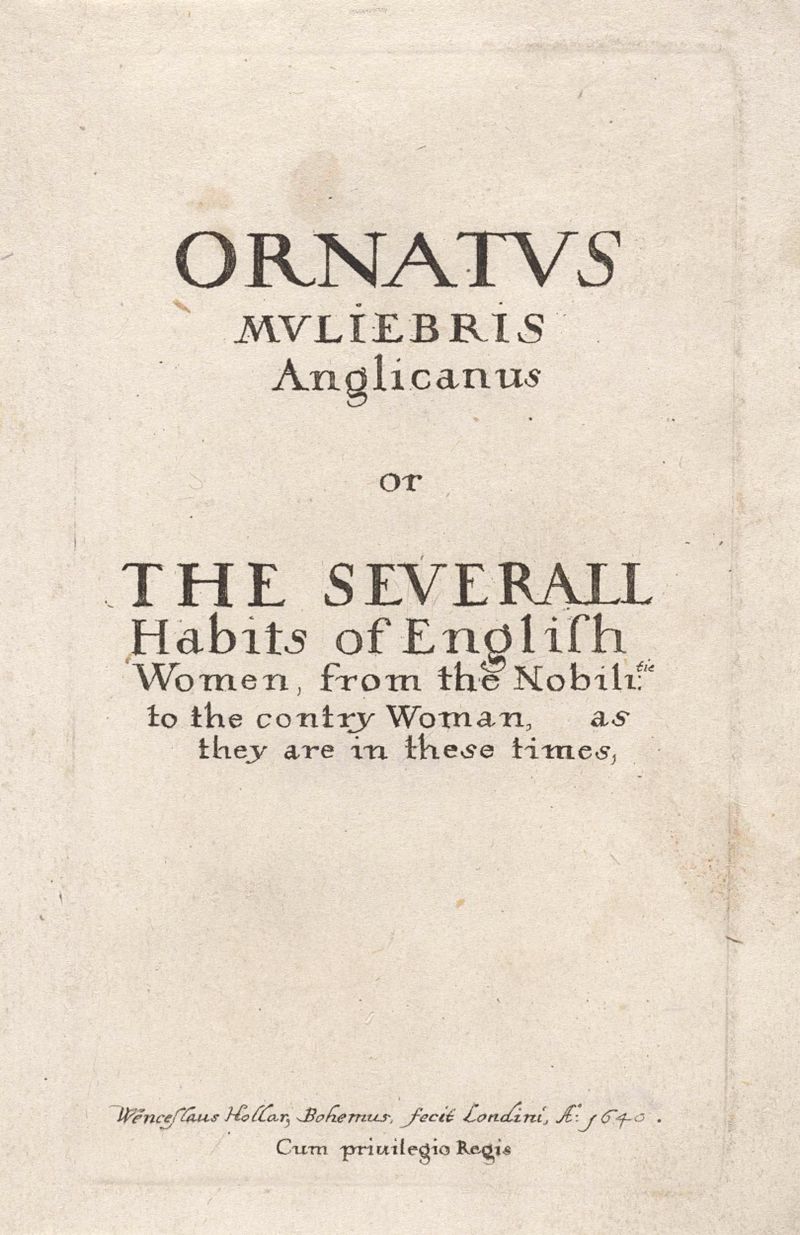
Titelprent voor: Ornatus Muliebris Anglicanus
Wenceslaus Hollar
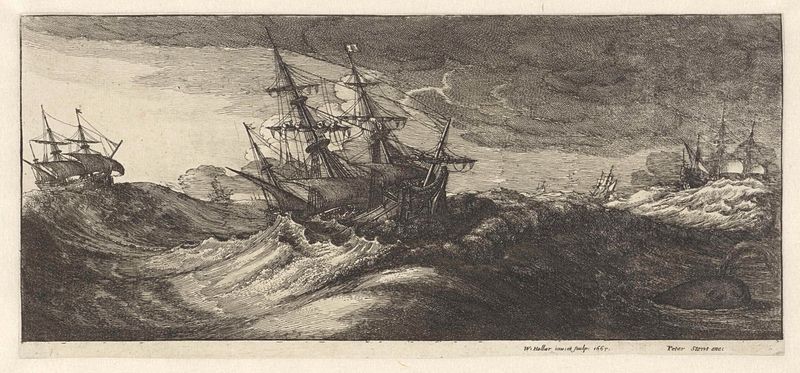
Oorlogsschepen en een walvis in een zeestorm
Wenceslaus Hollar
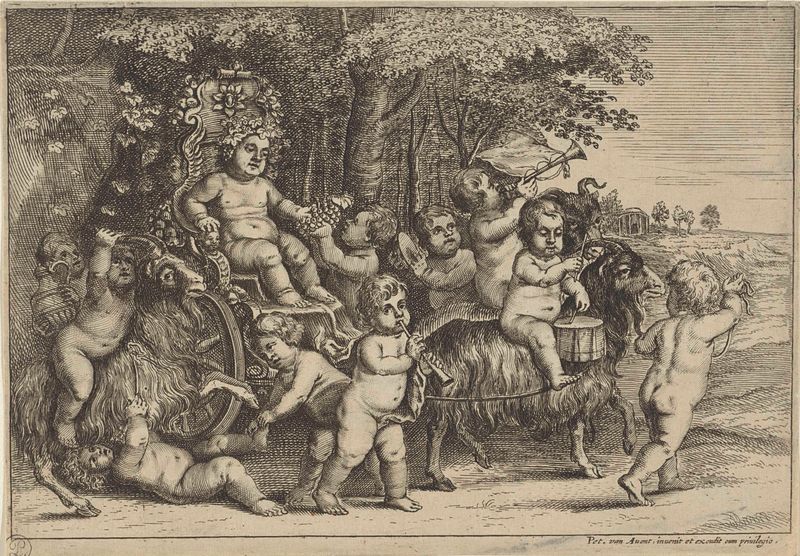
Optocht van bacchant en jongetjes op geiten
Wenceslaus Hollar
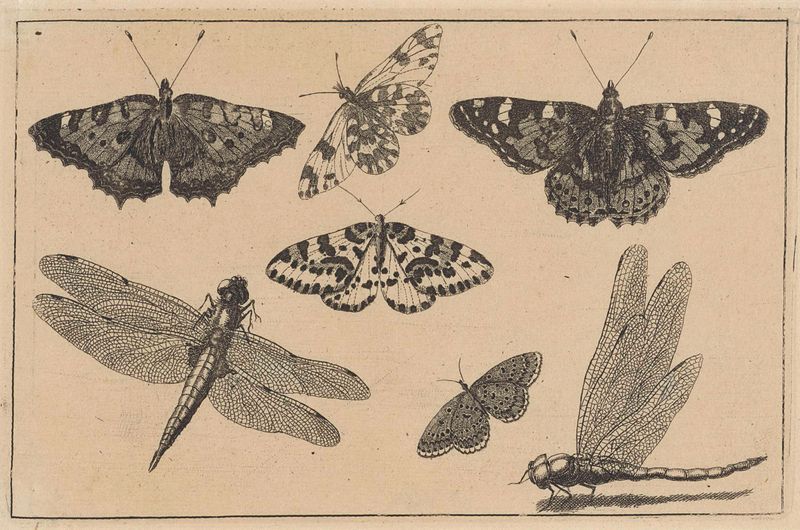
Twee libellen en vijf vlinders
Wenceslaus Hollar
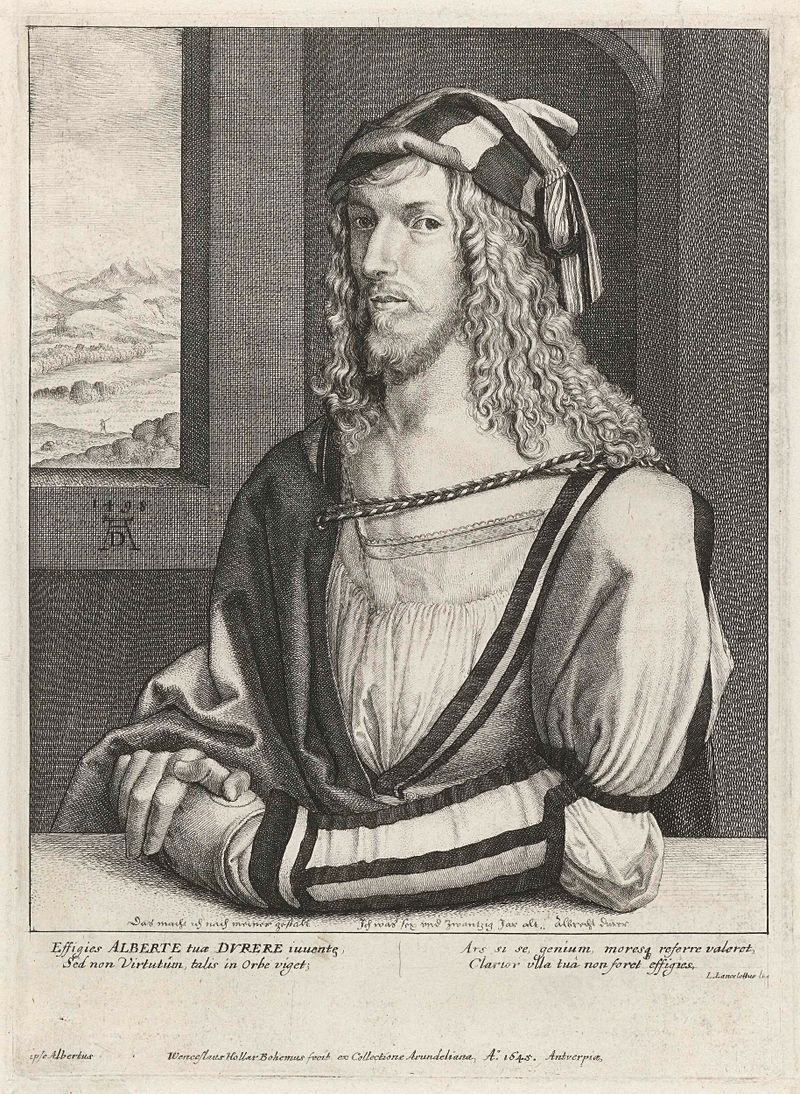
Portret van Albrecht Dürer
Wenceslaus Hollar
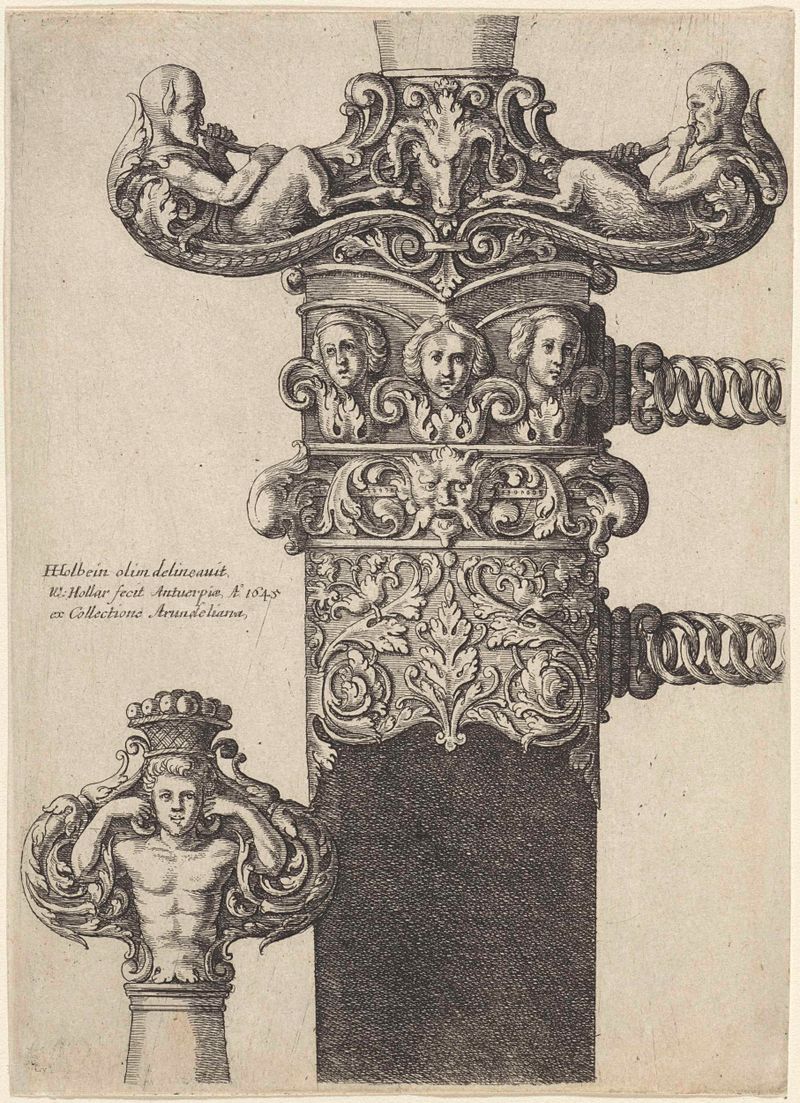
Ornamenteel ontwerp voor een dolk
Wenceslaus Hollar
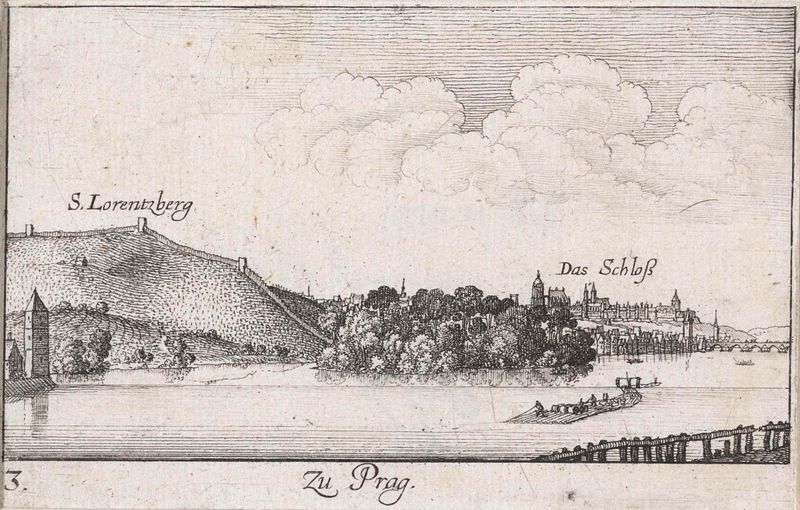
Gezicht op Praag vanaf de Moldau
Wenceslaus Hollar