Discover insights about this artwork
Vierge et enfant — History & Facts
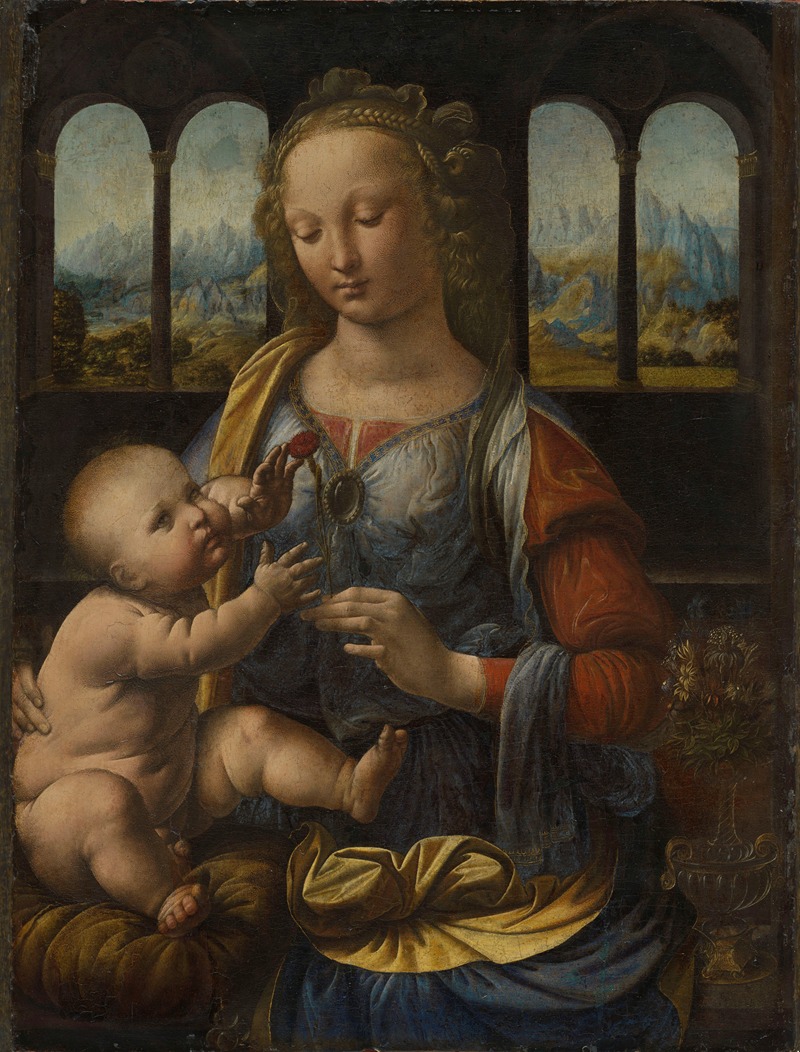
In Vierge et enfant, Henri Matisse presents a mother and child in a simplified, colorful manner. The figures are outlined boldly, with vibrant colors dominating the composition. The background is abstract, emphasizing the figures rather than providing a realistic setting.
This approach creates a sense of intimacy and warmth between the mother and child. The painting showcases Matisse's signature use of color and form, typical of his Modernism style. The brushwork is fluid, and the colors are applied in a way that enhances the emotional connection between the figures. The dimensions of the painting are approximately 100 x 80 cm, making it a notable piece in his oeuvre.
The oil on canvas medium allows for rich texture and depth. Henri Matisse was a leading figure in the Fauvism movement, known for his bold use of color. Vierge et enfant reflects his interest in simplifying forms while conveying deep emotional content. An interesting fact about this work is that it captures the essence of maternal love, a theme that resonates throughout Matisse's body of work.
This piece is housed in the Musee d'Orsay, a fitting location for such a significant work.
More Artworks by Henri Matisse
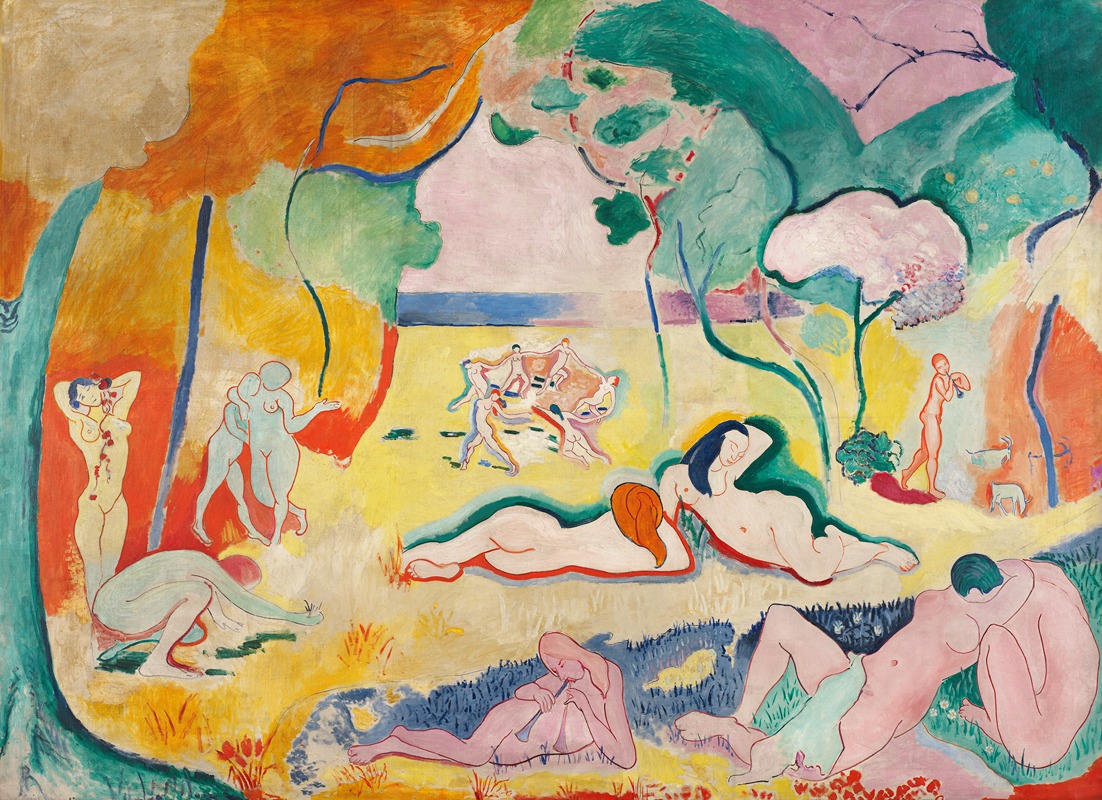
Le Bonheur de vivre, also called The Joy of Life
Henri Matisse
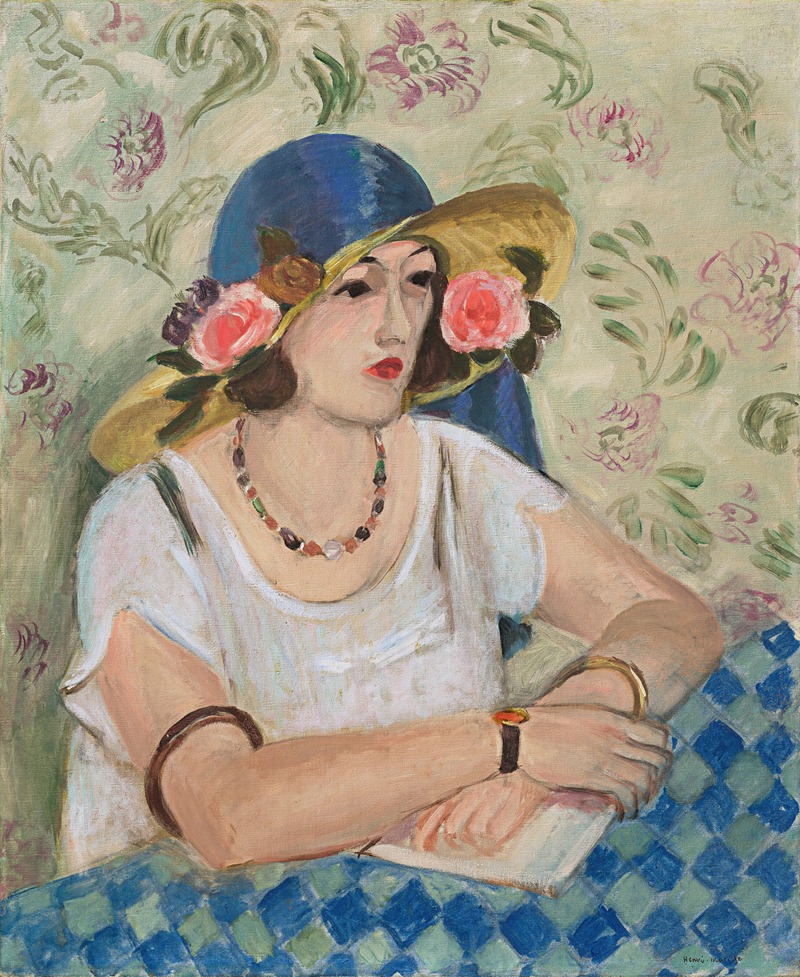
Femme au chapeau fleuri
Henri Matisse
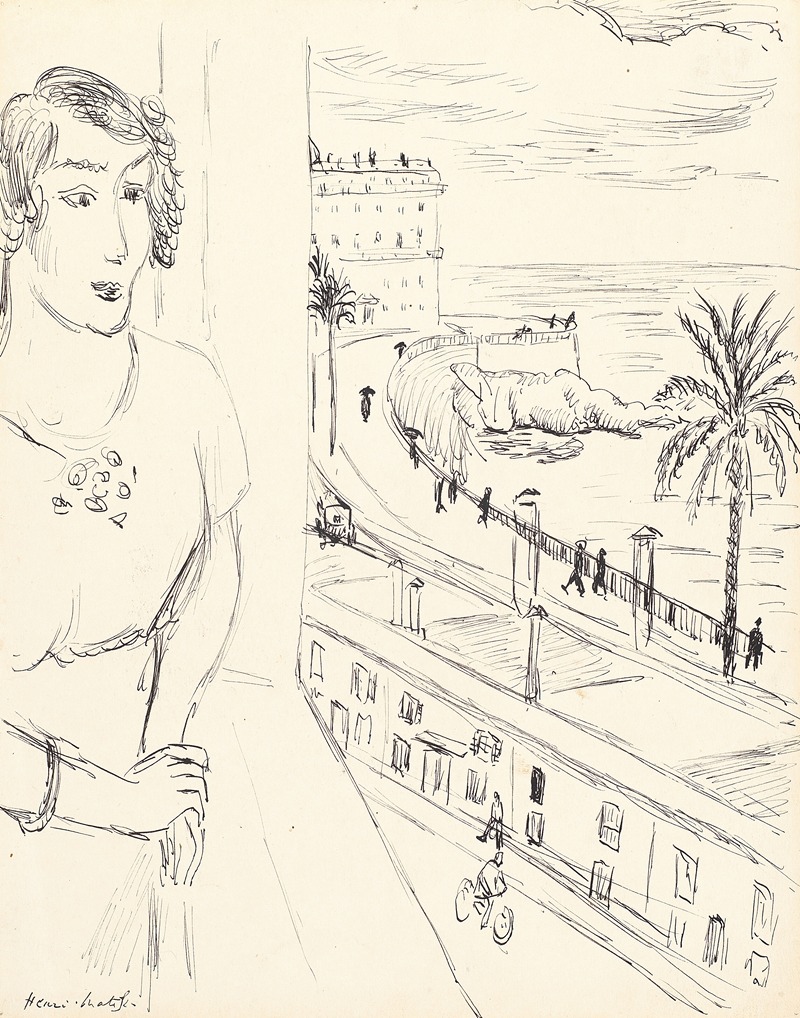
Femme près de la fenêtre, Nice
Henri Matisse
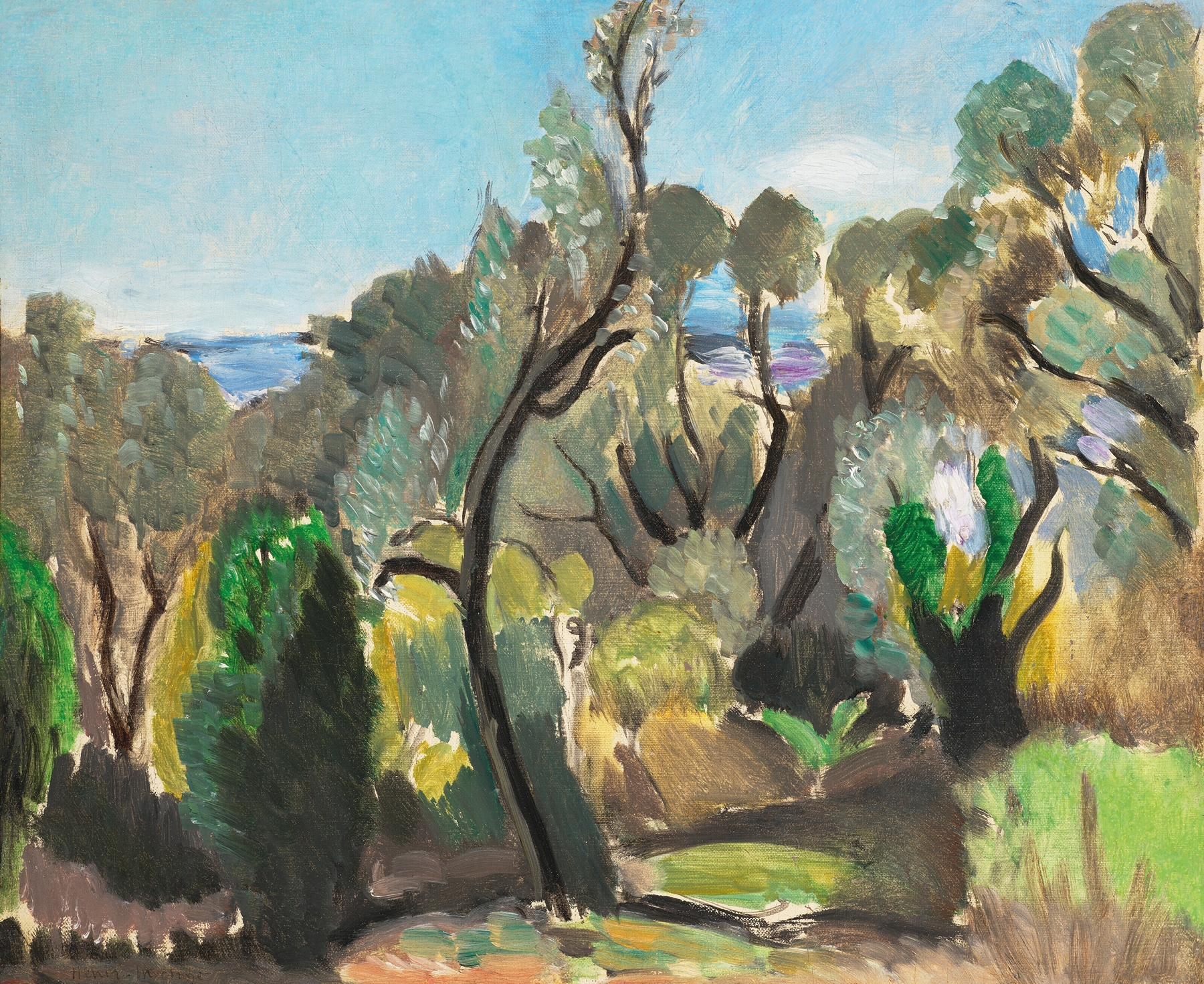
Paysage aux environs de Nice ou Les Oliviers ou Coin du Mont-Boron
Henri Matisse
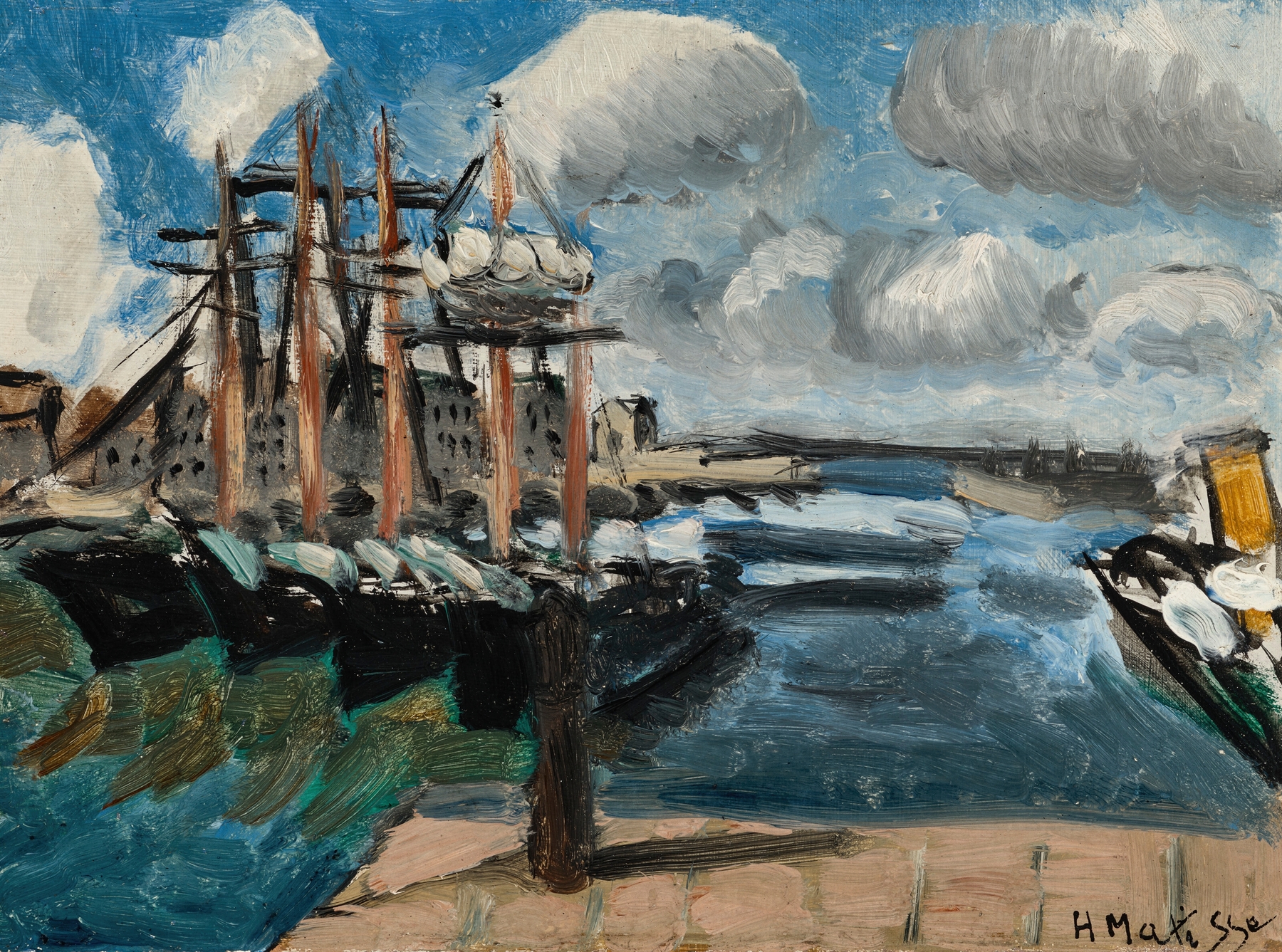
Port de Cherbourg
Henri Matisse
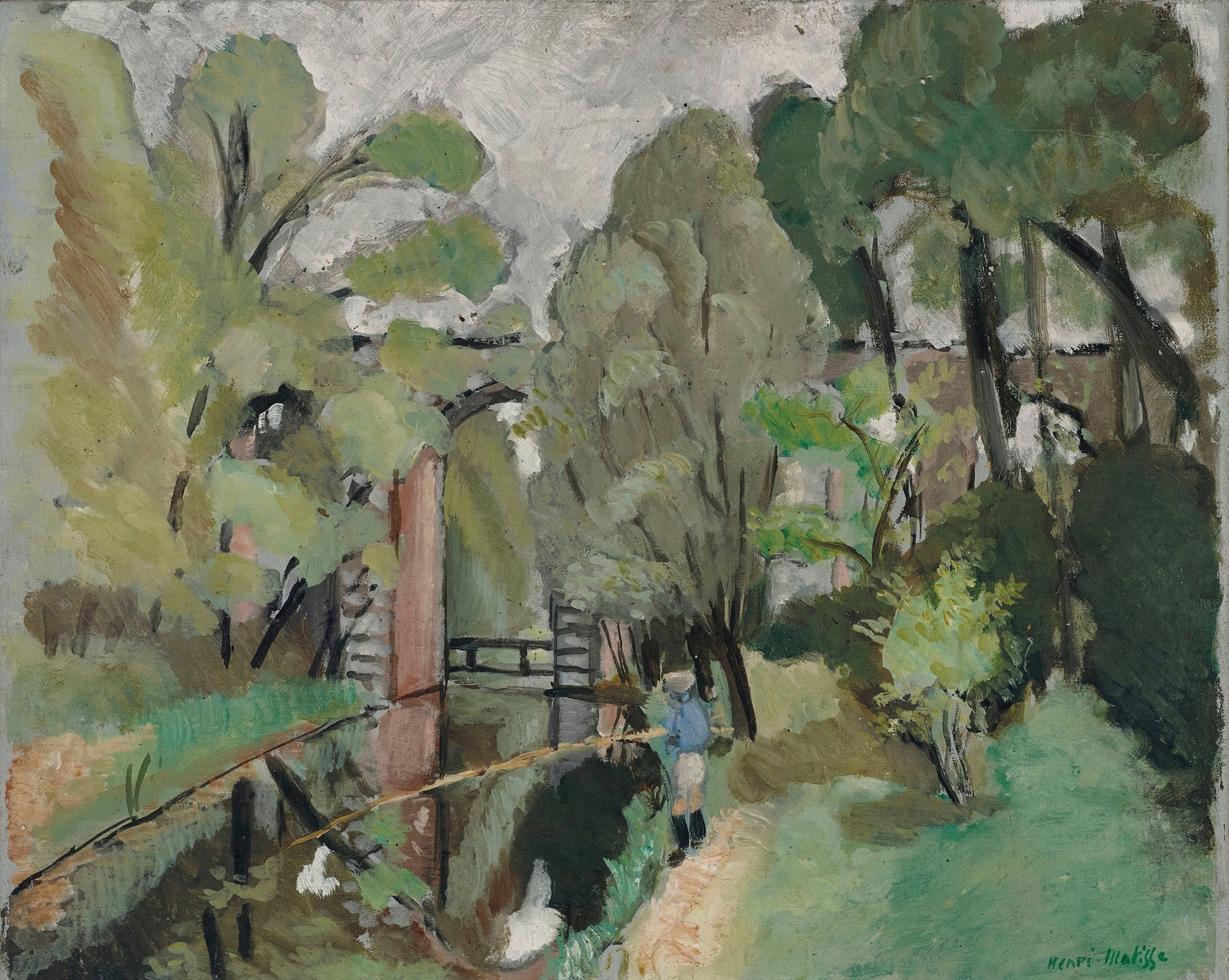
Le Petit pêcheur, Maintenon
Henri Matisse
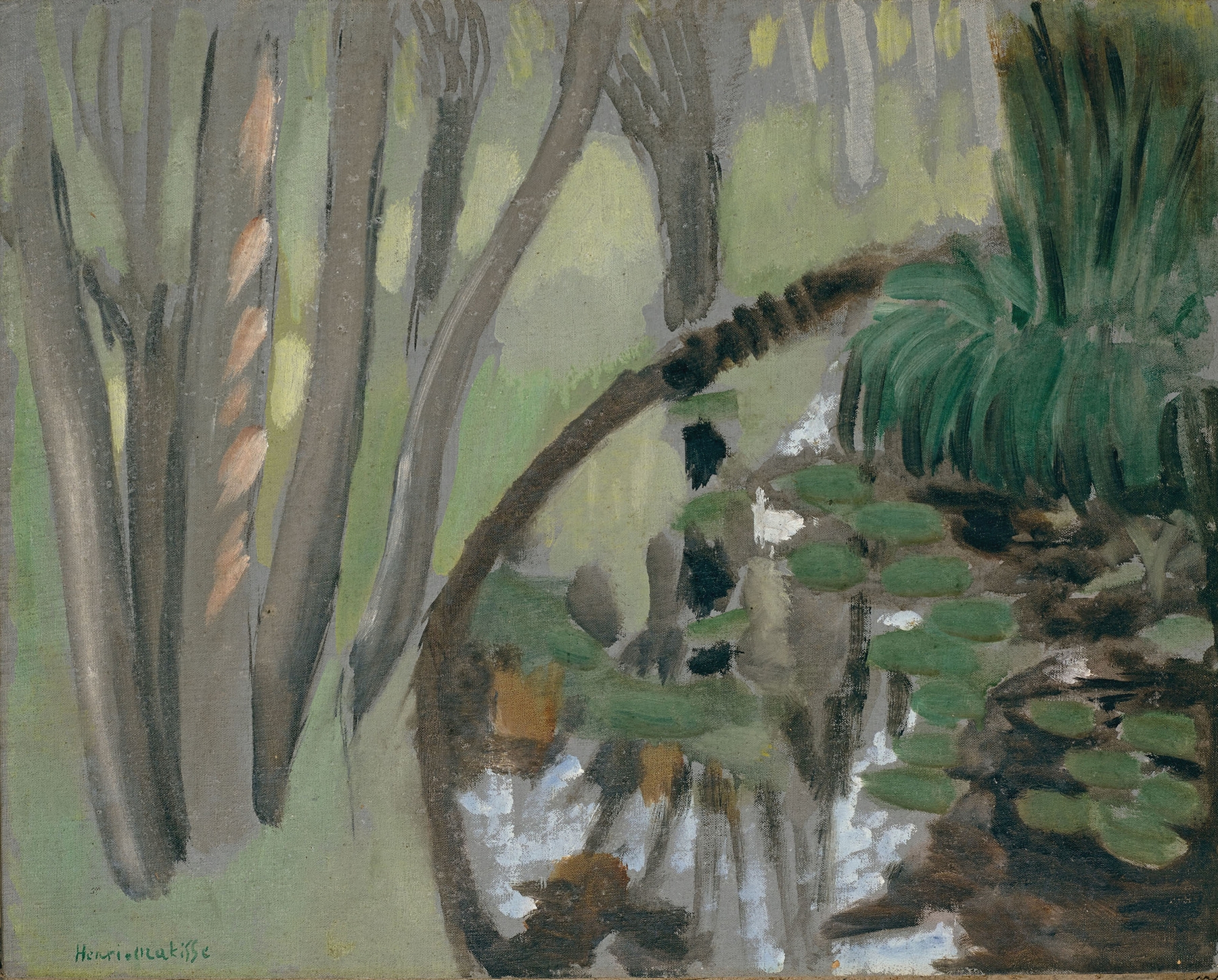
Le ruisseau, Maintenon
Henri Matisse
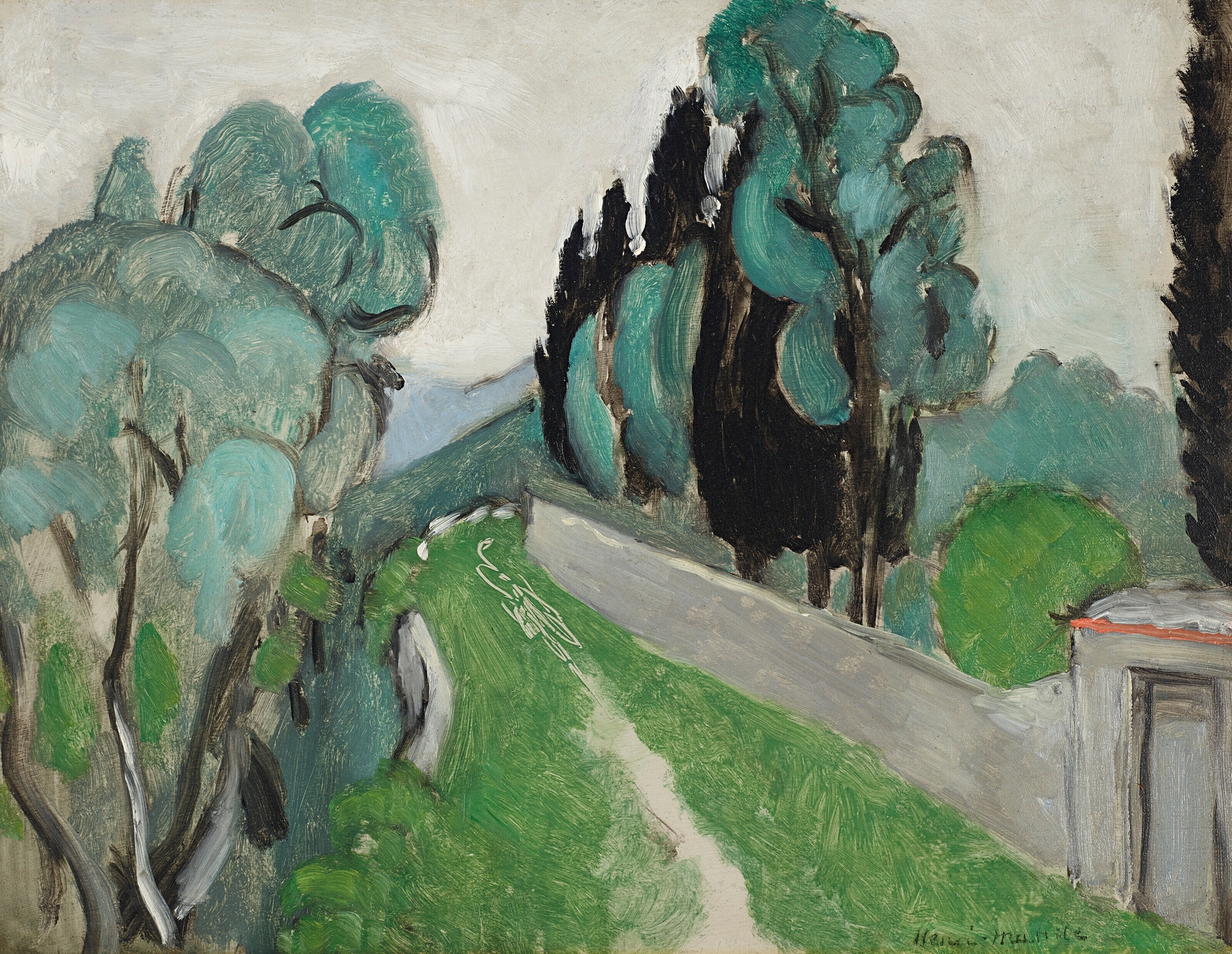
Paysage avec cyprès et oliviers aux environs de Nice
Henri Matisse
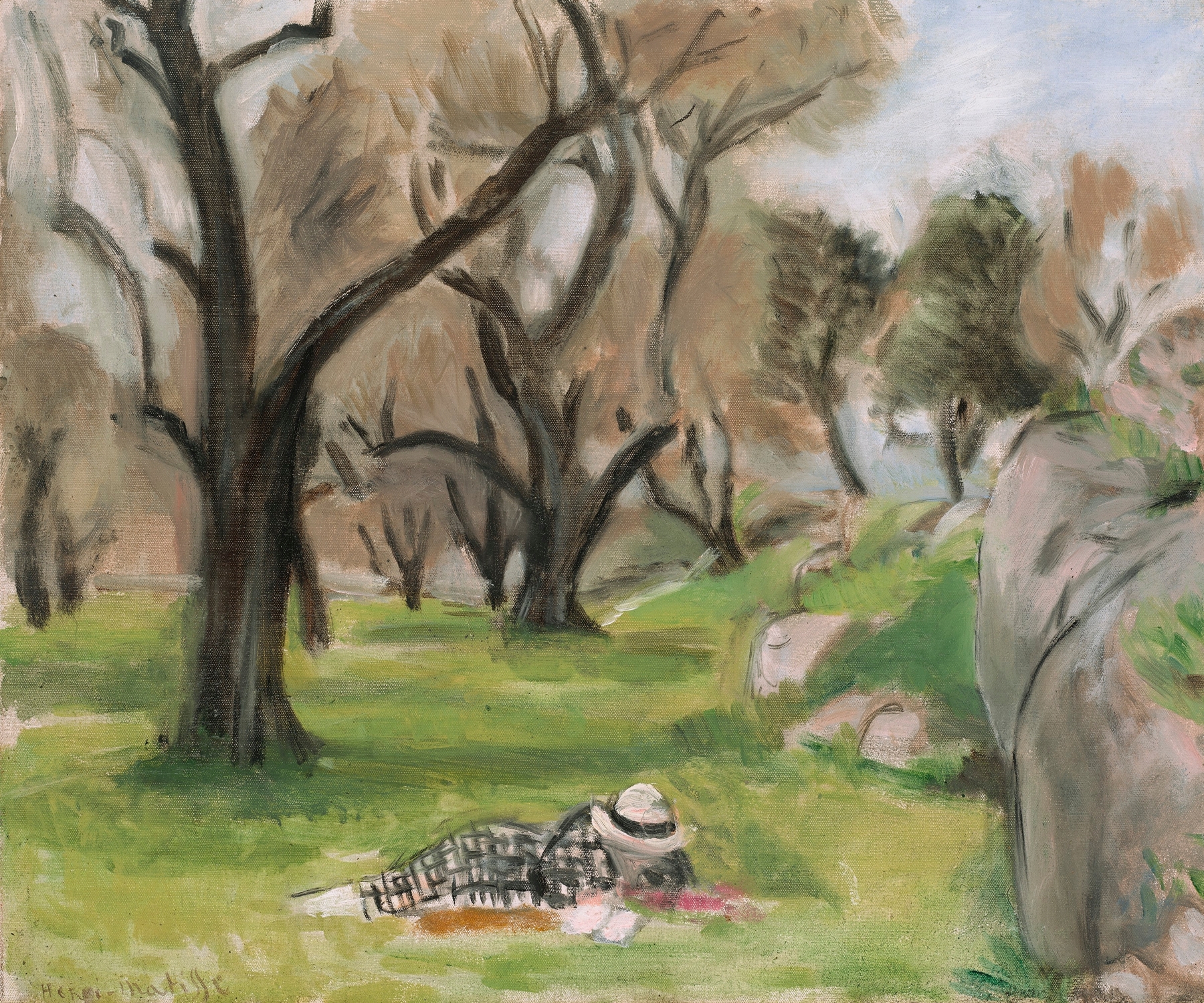
Paysage du Midi
Henri Matisse
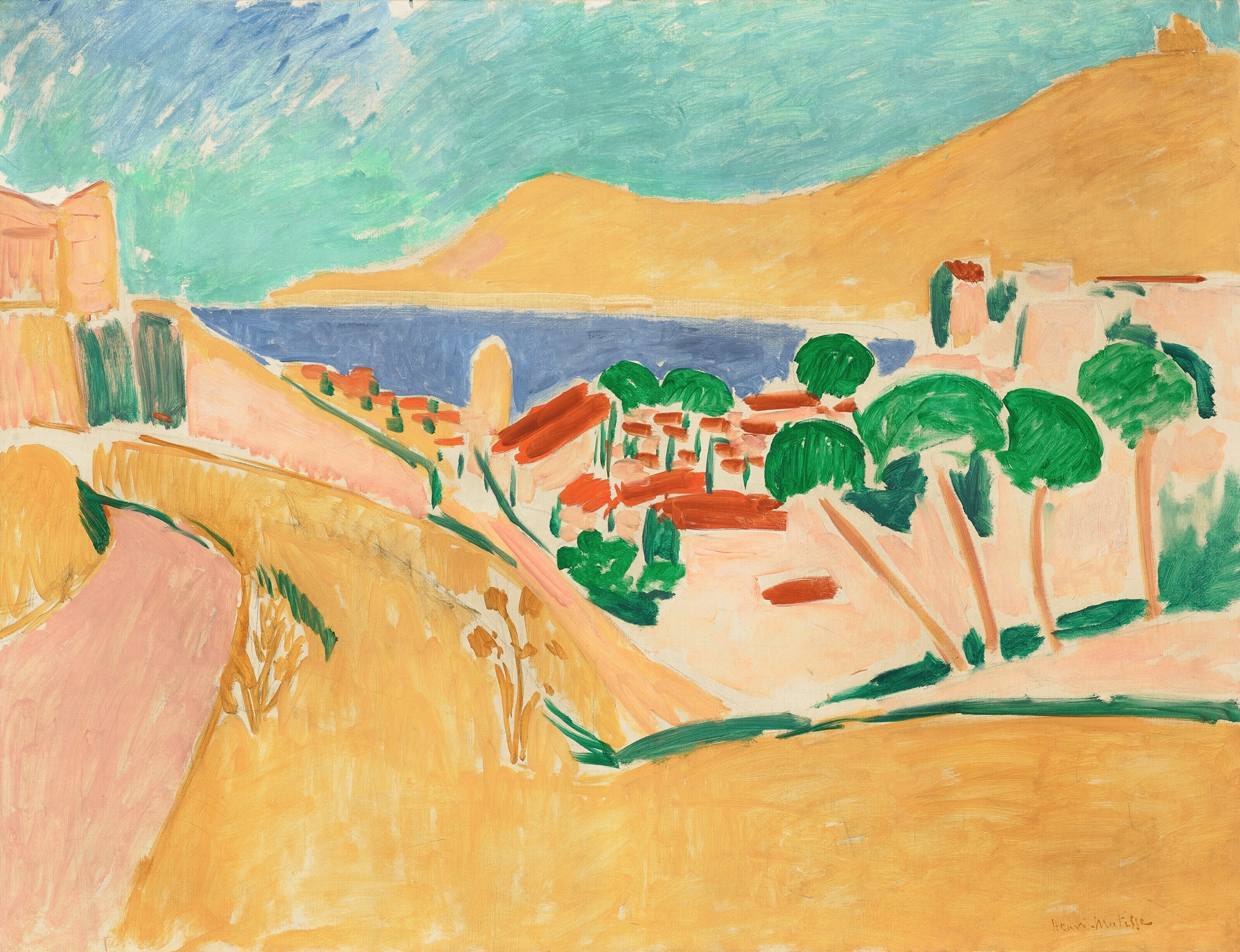
Collioure en août
Henri Matisse