
View of Budapest — History & Facts
What first catches the eye in View of Budapest by Albert Gleizes is the exuberant bustle of city life, all captured under a sky that seems to pulse with movement. The viewer is drawn into the heart of a grand boulevard, where sunlight pours down between ornate facades, picking out the copper dome with its poised figure and the bold signage that crowns the scene. The brushwork is lively and direct, giving the crowd below a sense of constant motion—figures cluster around the clock, carriages and early automobiles dart along the avenue, and the trees form a leafy procession guiding the gaze into the distance.
Every detail, from the red car in the foreground to the shadowed awnings, is chosen not just to describe but to animate: this is a city alive and in flux. Painted in 1904, this work stands at the crossroads of tradition and modernity, both in its subject and its style. The early twentieth century was a time when European capitals like Budapest were being transformed by new technologies and a growing middle class, and city views such as this were often commissioned to celebrate urban progress or civic pride. While Albert Gleizes would soon become associated with the radical experiments of Cubism, here he works within the conventions of lively urban realism, capturing the optimism and energy of a metropolis on the rise.
The painting, documented as photographed in 2018 and held in a private collection, is a reminder that history has kept few traces of such scenes before the world changed—inviting us to linger over every figure and corner, searching for the stories that once filled these sunlit streets.
More Artworks by Albert Gleizes

Paysage de Picardie
Albert Gleizes
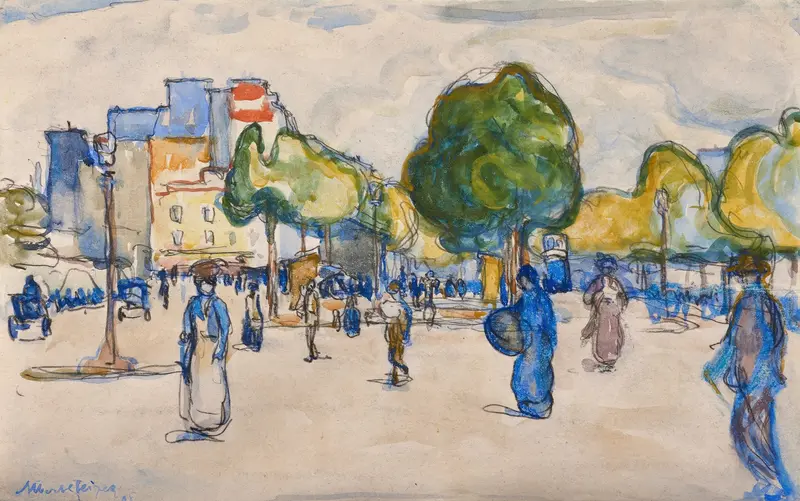
Place animée à Bagnères-de-Bigorre
Albert Gleizes
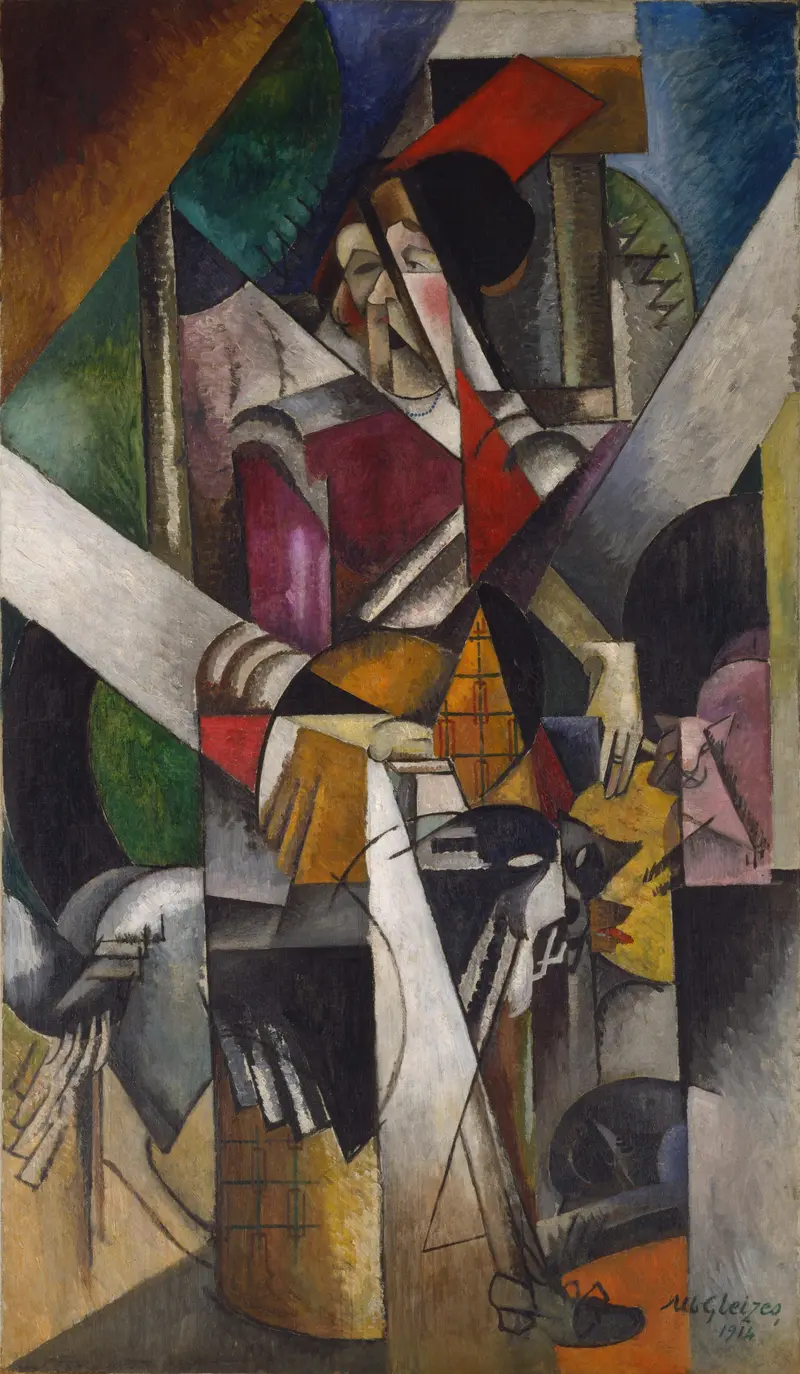
Woman with animals
Albert Gleizes
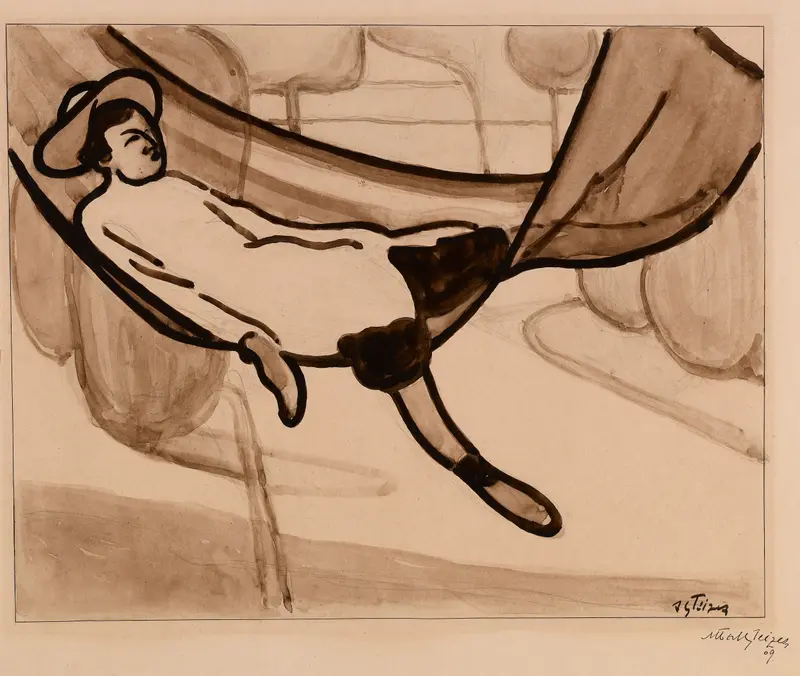
Man in a Hammock
Albert Gleizes
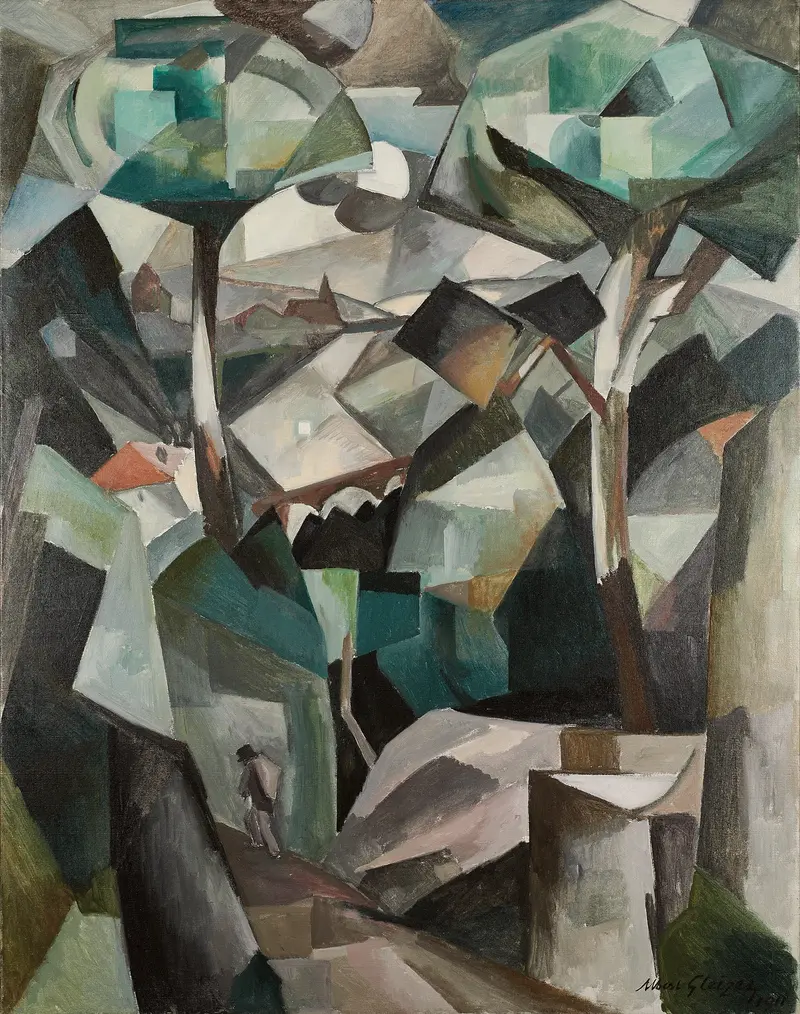
Le Chemin, Paysage à Meudon
Albert Gleizes
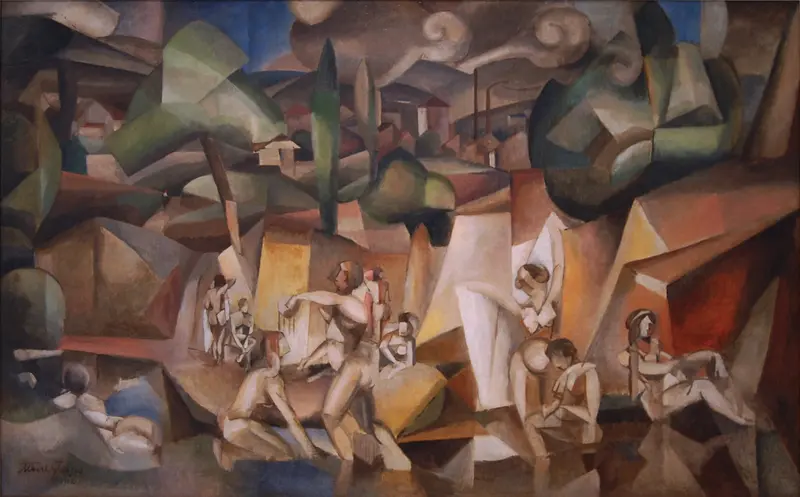
The Bathers
Albert Gleizes
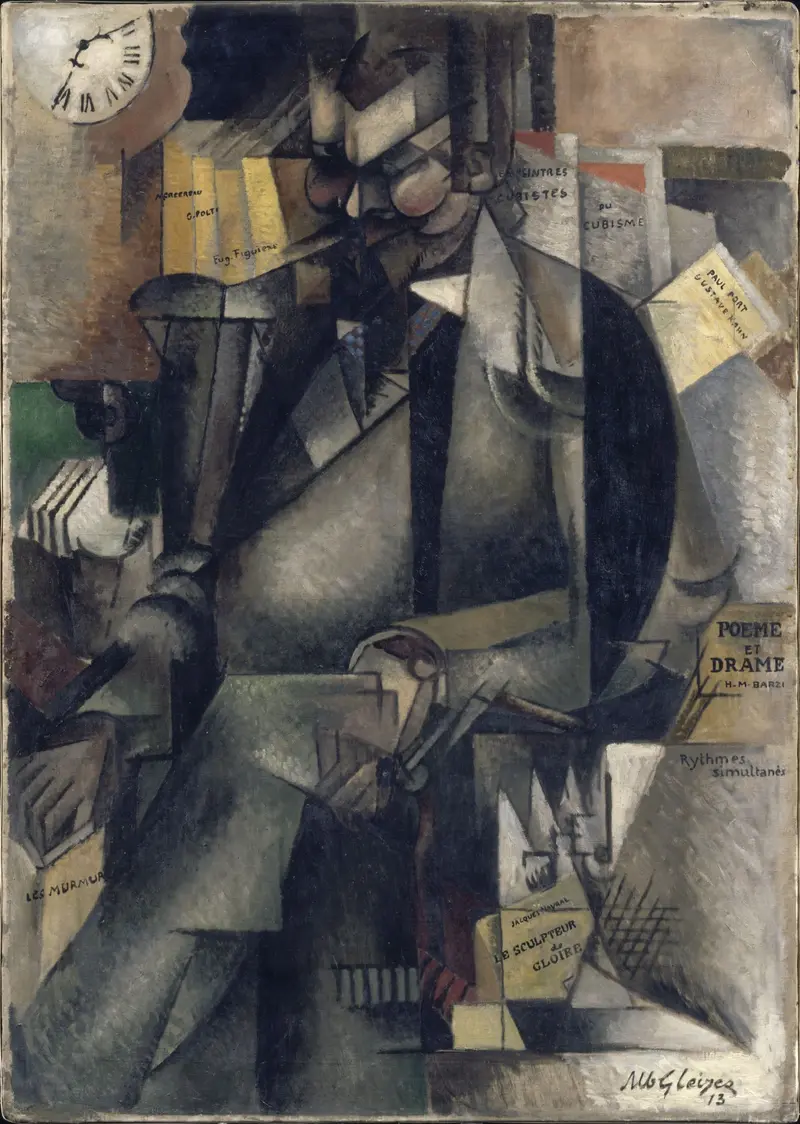
The Publisher Eugène Figuière
Albert Gleizes
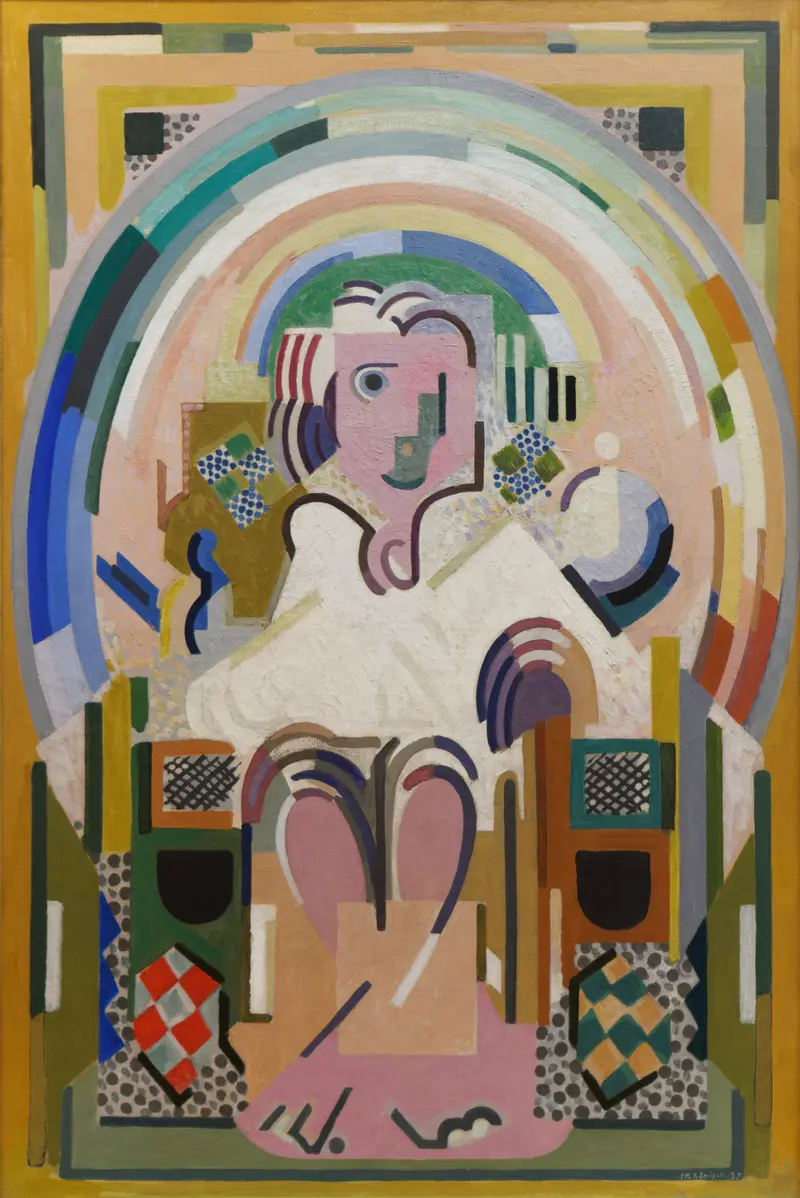
GLEIZES - Le législateur
Albert Gleizes
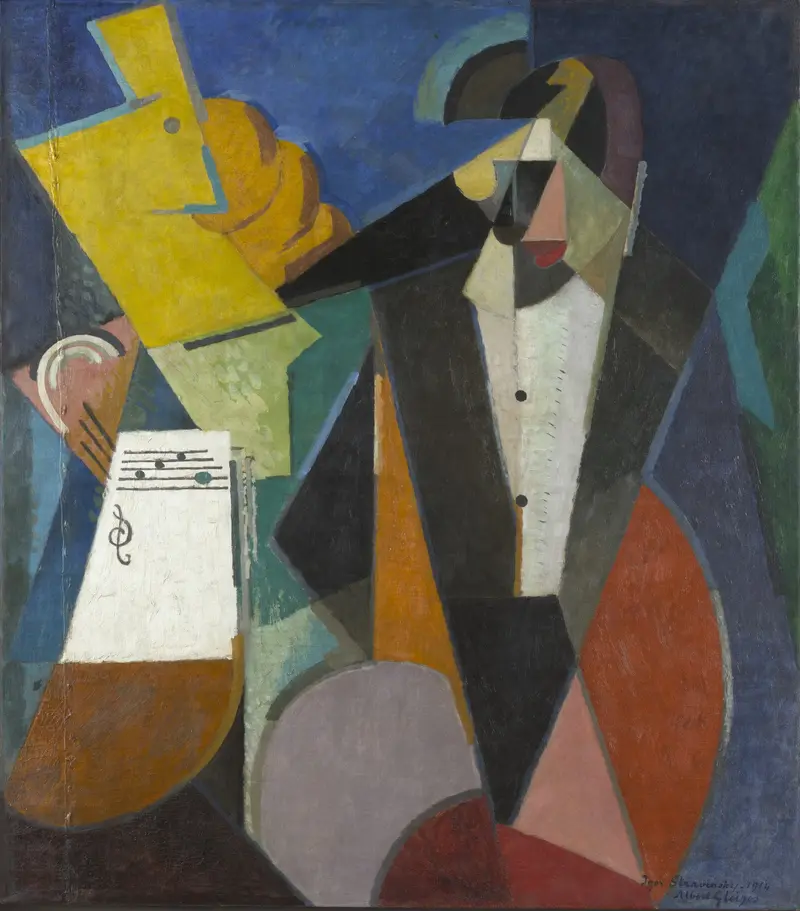
Portrait of Igor Stravinsky
Albert Gleizes
Composition for "Jazz"
Albert Gleizes





