
Woman with animals — History & Facts
A cascade of angled planes and fractured color pulls the viewer into the restless energy of Woman with animals. At first glance, the picture seems to resist easy entry, but soon the eye finds a face—softly modeled, yet split by sharp diagonals—emerging from a swirl of geometric forms. The woman’s hands, articulated in repeated, almost mechanical gestures, reach toward the animals below: a black-and-white dog, a pinkish creature, both rendered in the same Cubist vocabulary.
Each shape is a clue, each color a signal—deep greens and blues for foliage, ochre and red for warmth and flesh. Light here is not a single source, but a force that breaks the world into shards, inviting the viewer to reconstruct the scene. Painted in February 1914, this work stands at the height of the Cubist experiment, when artists like Albert Gleizes sought to capture not just appearances, but the very structure of seeing. In Paris, the world was changing fast: new machines, new rhythms, new ways of thinking about space and time.
The painting’s fractured forms echo this sense of upheaval, its subject both present and elusive, as if caught between moments. Now part of the Peggy Guggenheim Collection, Woman with animals is a vivid record of an age when even the most familiar subjects—woman, animal, home—were being reimagined from the ground up. The longer you look, the more the image seems to rearrange itself, asking you to see with new eyes.
More Artworks by Albert Gleizes

Paysage de Picardie
Albert Gleizes
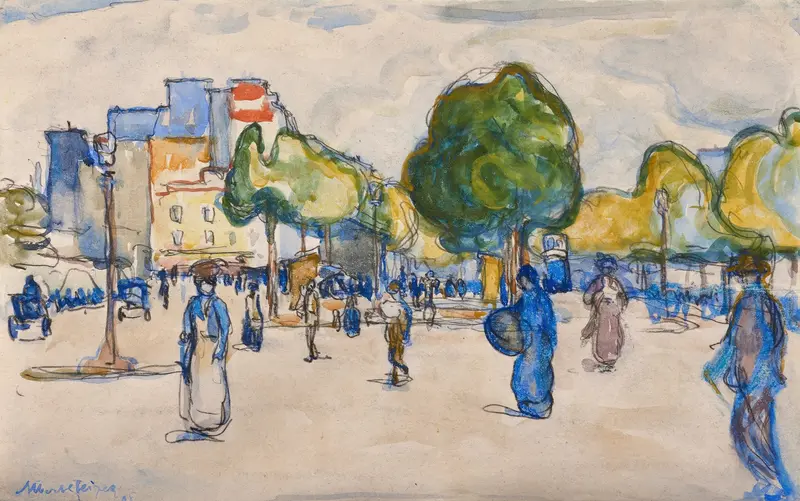
Place animée à Bagnères-de-Bigorre
Albert Gleizes
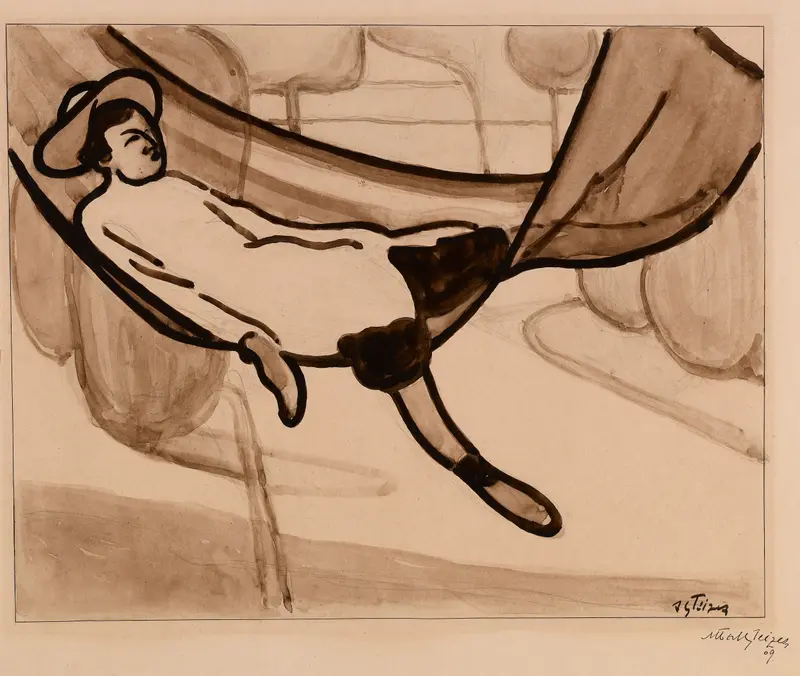
Man in a Hammock
Albert Gleizes
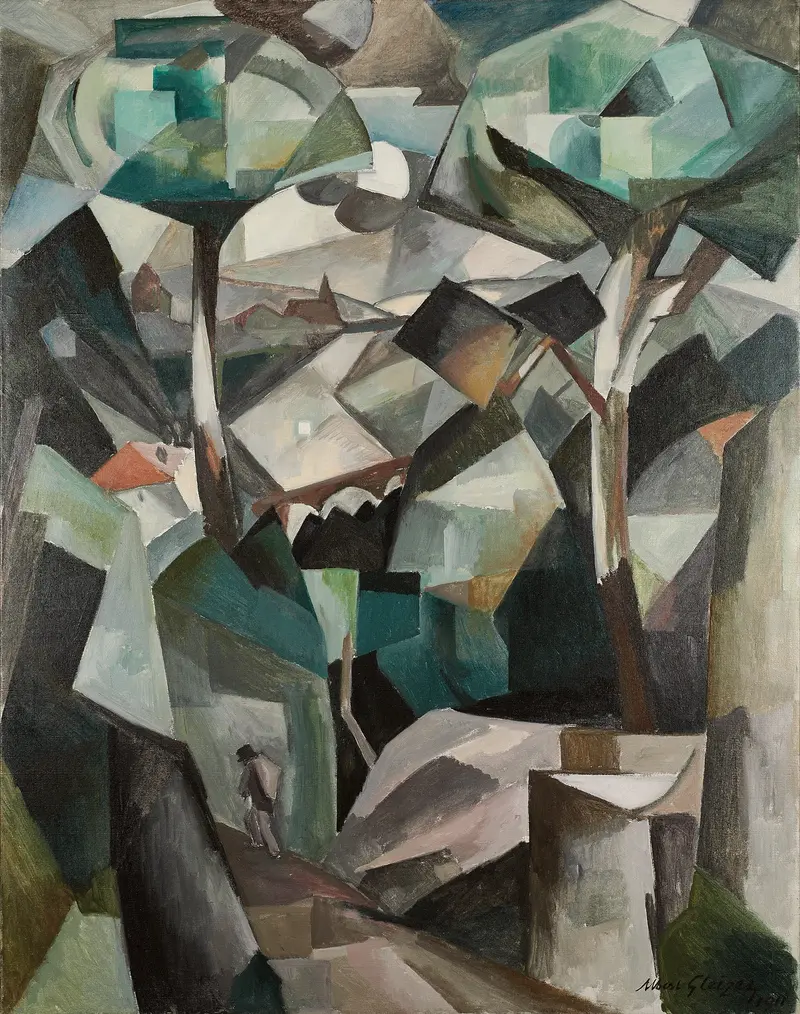
Le Chemin, Paysage à Meudon
Albert Gleizes
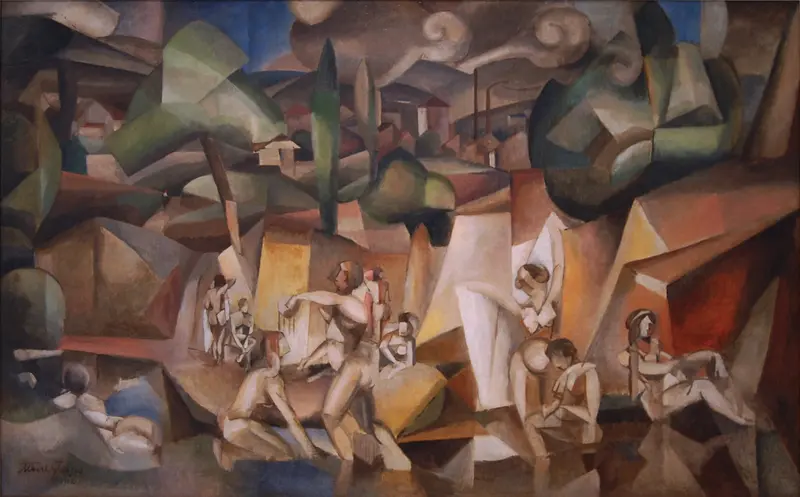
The Bathers
Albert Gleizes
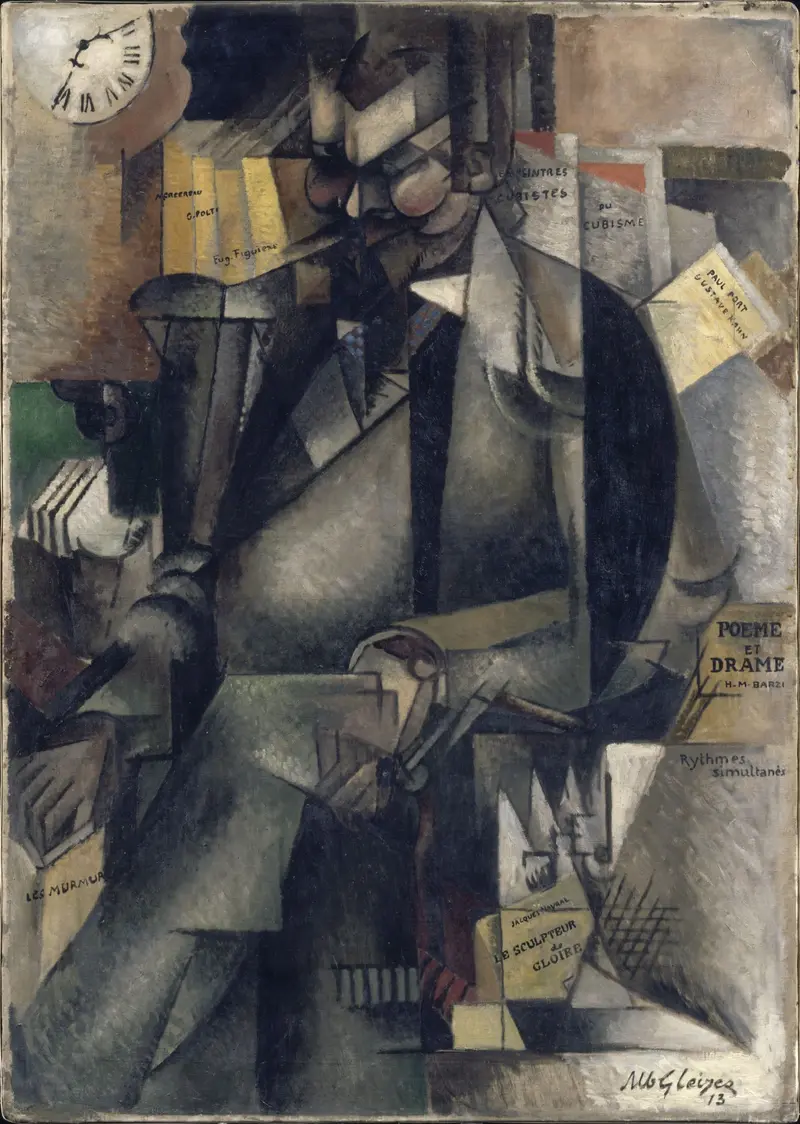
The Publisher Eugène Figuière
Albert Gleizes
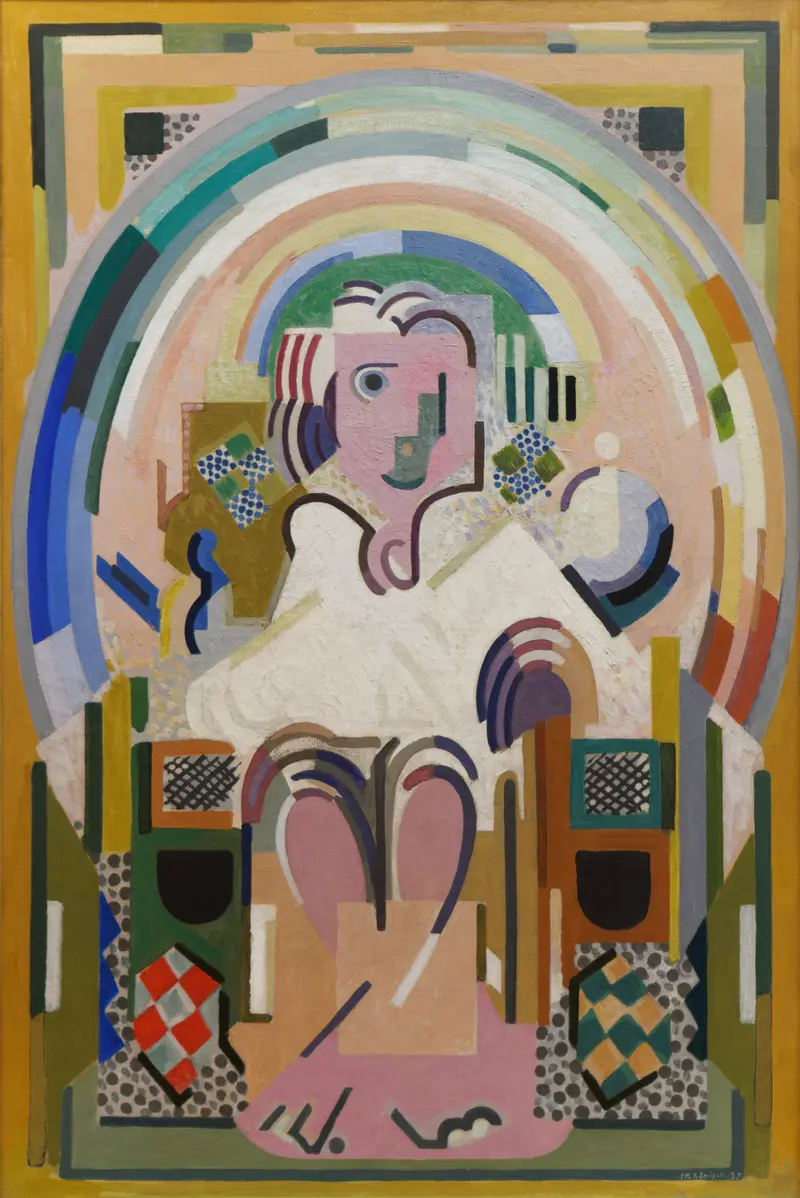
GLEIZES - Le législateur
Albert Gleizes
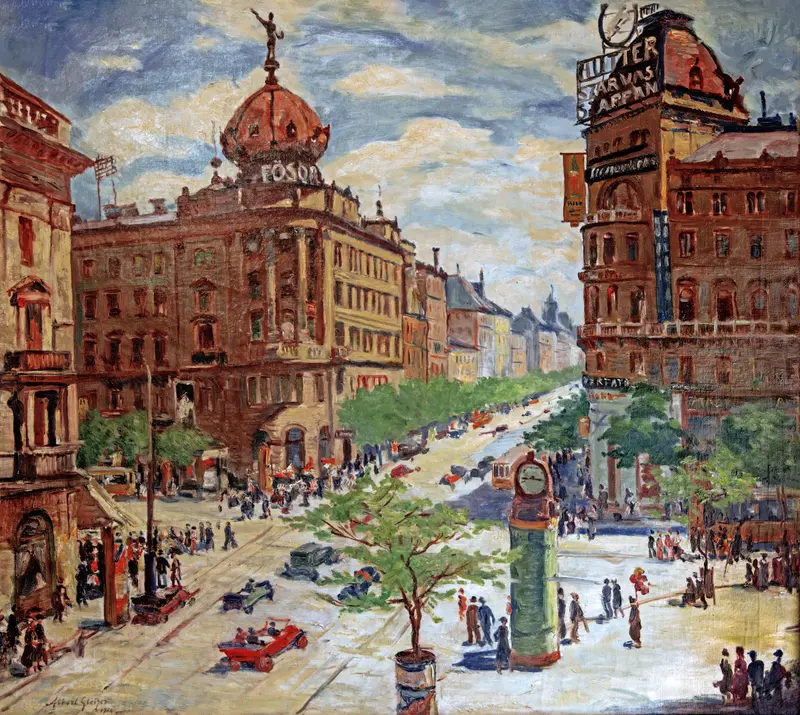
View of Budapest
Albert Gleizes
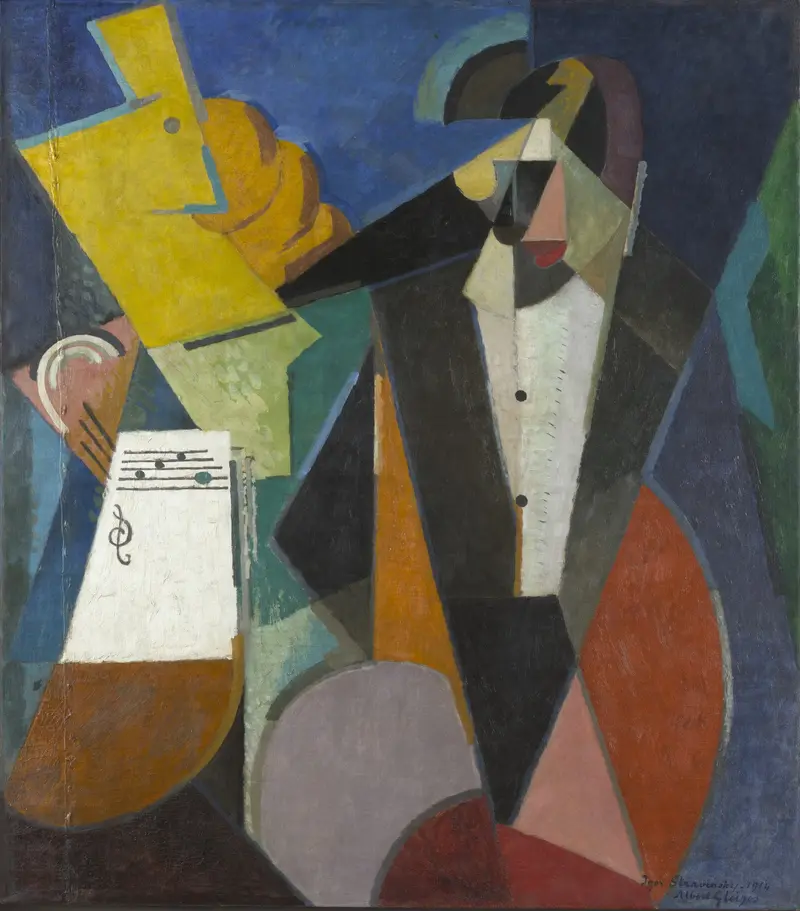
Portrait of Igor Stravinsky
Albert Gleizes
Composition for "Jazz"
Albert Gleizes



