
Man in a Hammock — History & Facts
The first thing that catches the eye in Man in a Hammock is the languid, almost weightless ease of the reclining figure, suspended in a world sketched with swift, confident lines. The man’s body, outlined in bold black, seems to float between sleep and waking, his hat tipped low, a single leg dangling over the edge of the hammock. The background dissolves into looping, abstract forms—perhaps trees or garden walls—rendered in soft washes of brown ink, leaving the viewer to fill in the rest.
Gleizes’s brushwork is economical but expressive: the thick arc of the hammock, the gentle tilt of the head, the suggestion of dappled light, all combine to evoke a mood of quiet leisure and gentle detachment. Created in 1909, this work belongs to a moment in French art when boundaries were dissolving and new freedoms were being claimed both in subject and style. Albert Gleizes would soon become a key figure in Cubism, but here, the forms still hover between observation and abstraction, hinting at the radical experiments to come. Such scenes of relaxation were not uncommon in the early twentieth century, as artists turned their gaze to modern life and its fleeting pleasures.
Today, Man in a Hammock rests in the collection of the Buffalo AKG Art Museum—a quiet testament to a world on the brink of transformation, inviting us to linger a little longer in its shade.
More Artworks by Albert Gleizes

Paysage de Picardie
Albert Gleizes
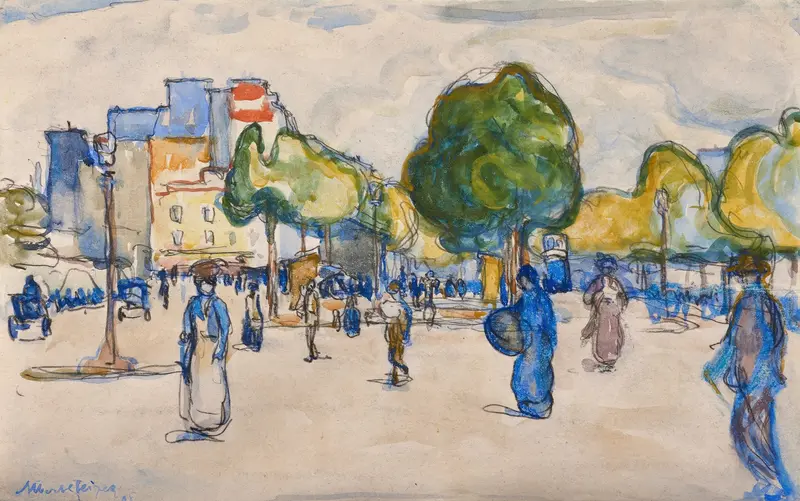
Place animée à Bagnères-de-Bigorre
Albert Gleizes
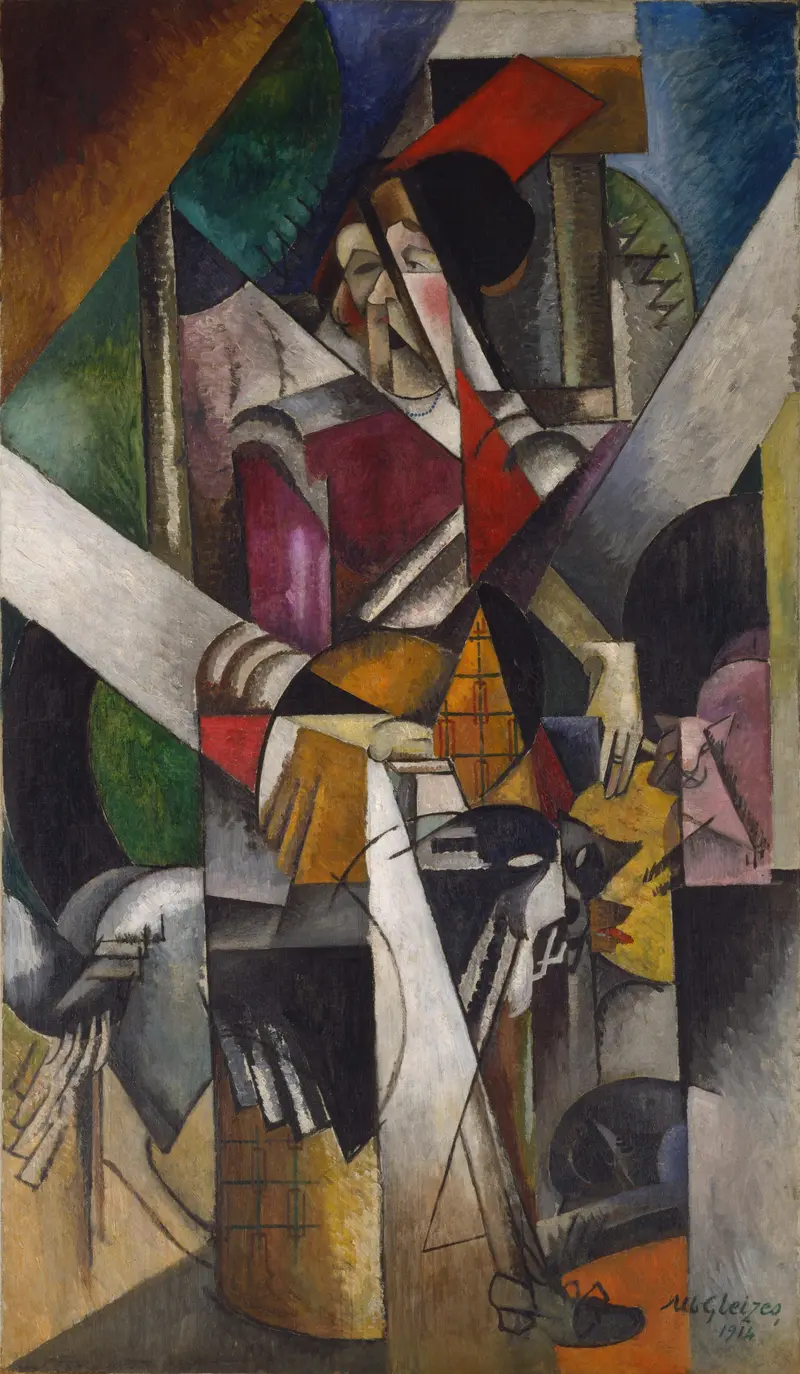
Woman with animals
Albert Gleizes
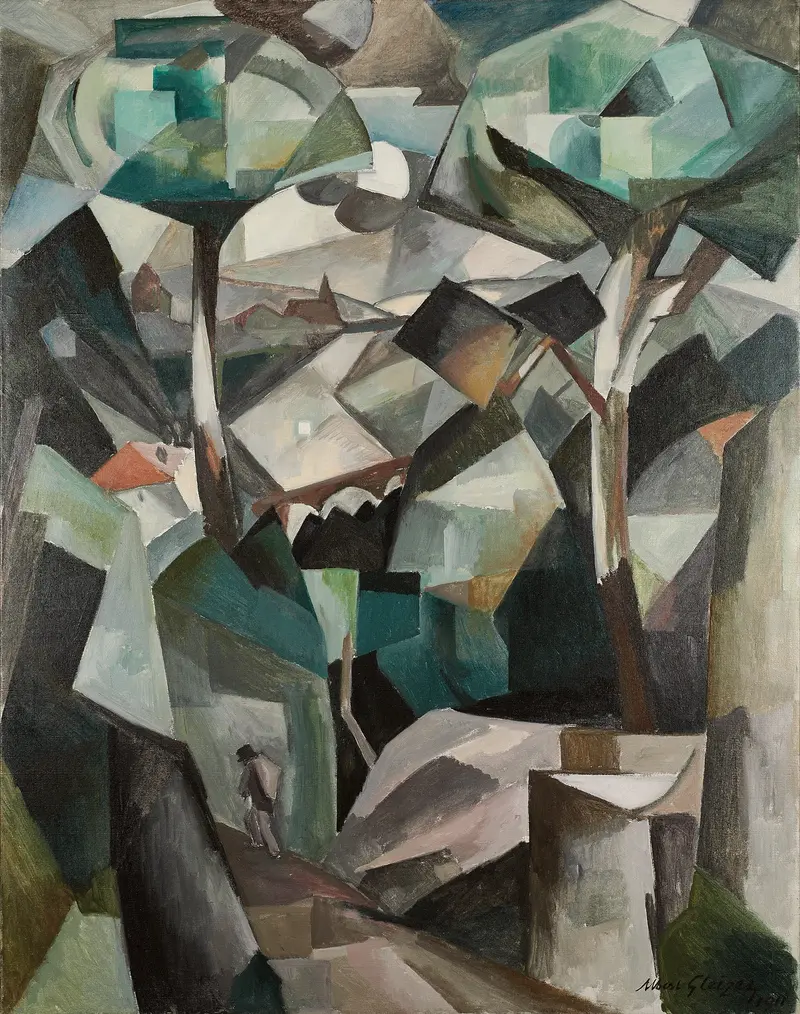
Le Chemin, Paysage à Meudon
Albert Gleizes
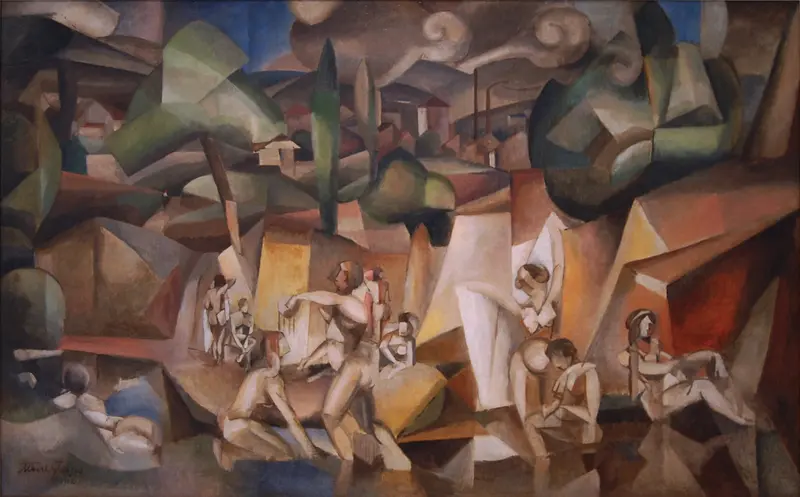
The Bathers
Albert Gleizes
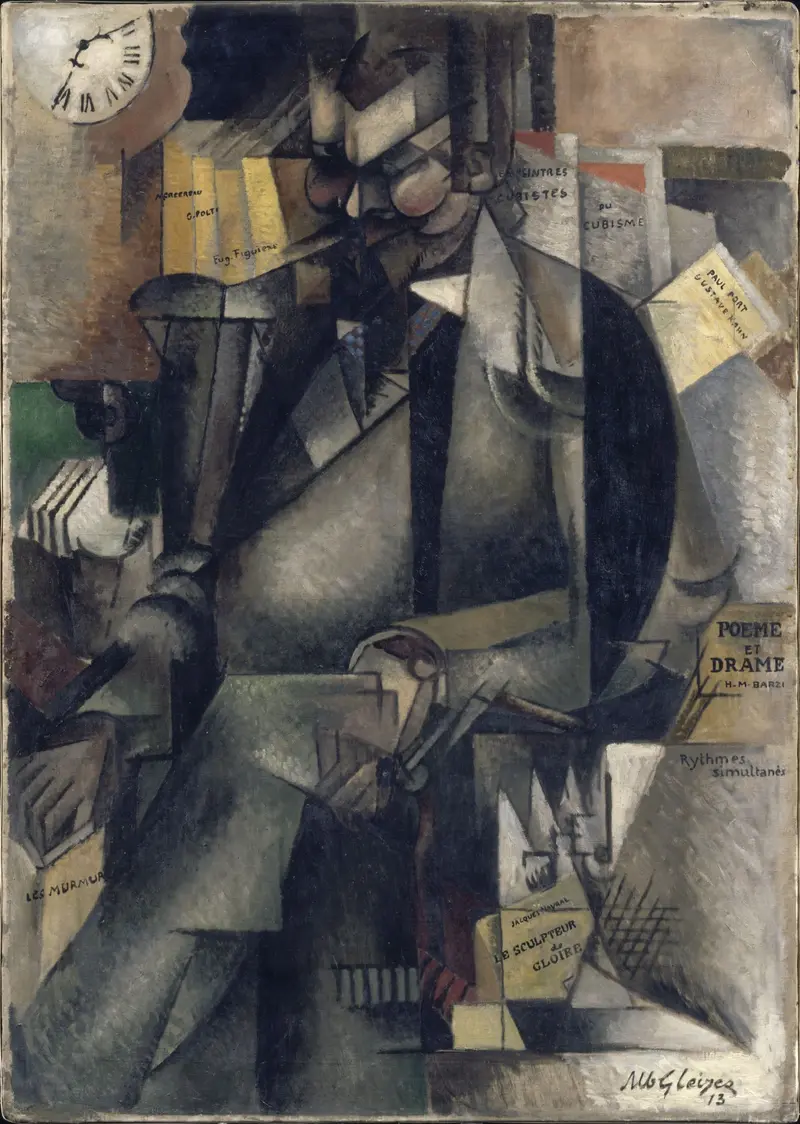
The Publisher Eugène Figuière
Albert Gleizes
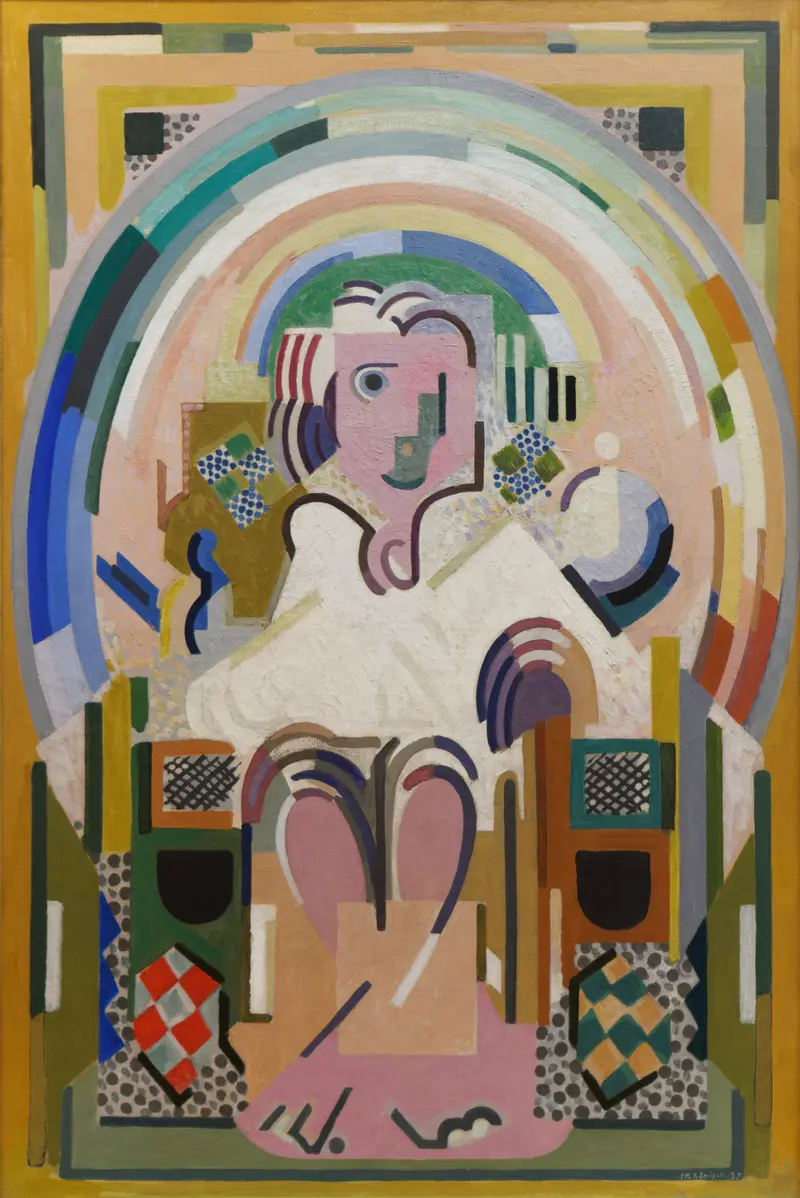
GLEIZES - Le législateur
Albert Gleizes
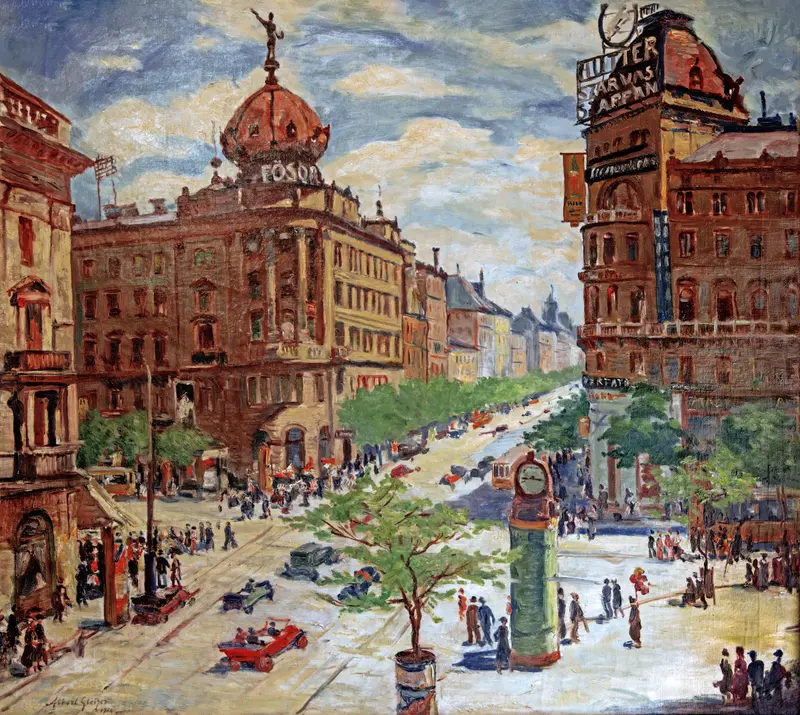
View of Budapest
Albert Gleizes
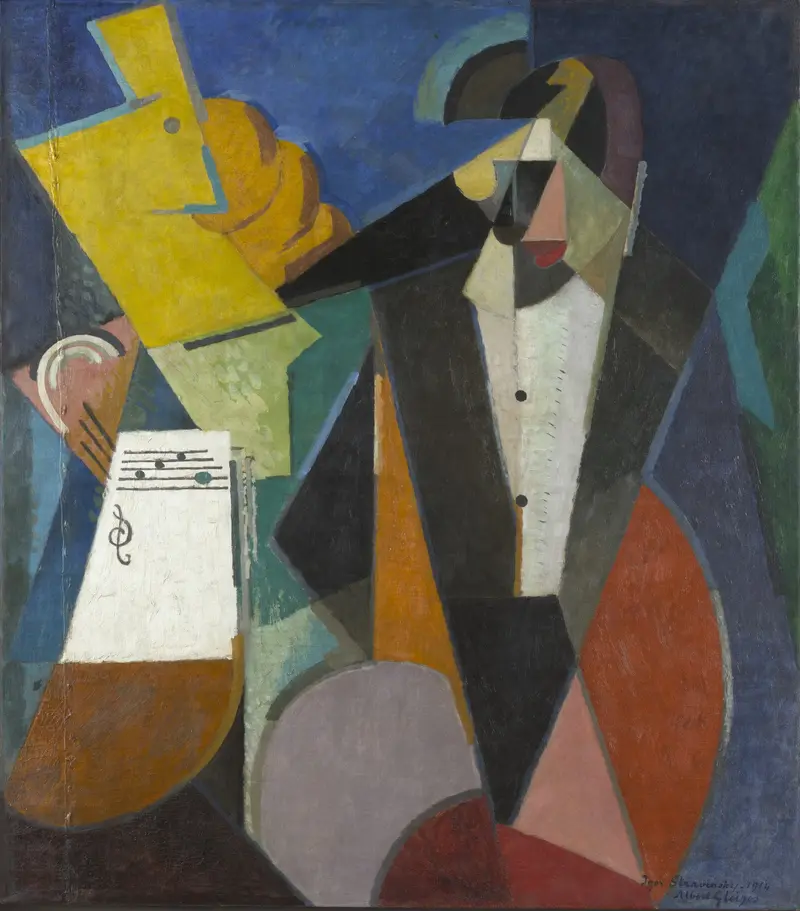
Portrait of Igor Stravinsky
Albert Gleizes
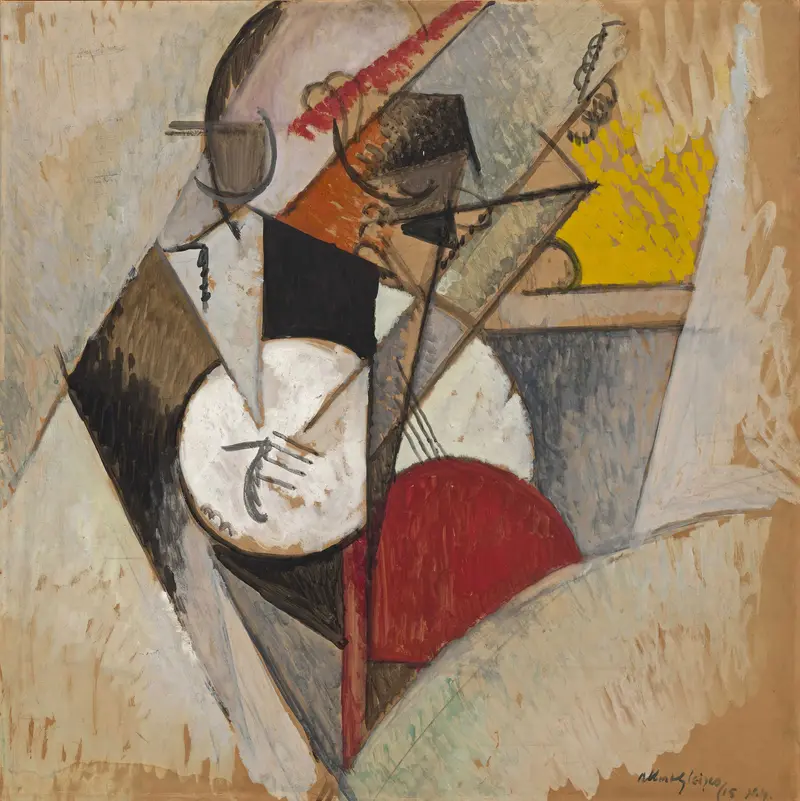
Composition for "Jazz"
Albert Gleizes
More Genre Scene Art

Banquet of the Officers of the St George Civic Guard
Frans Hals

Rembrandt and Saskia in the Scene of the Prodigal Son
Rembrandt van Rijn

Bal du moulin de la Galette
Pierre-Auguste Renoir

Quadrille at the Moulin Rouge
Henri de Toulouse-Lautrec

A Burial at Ornans
Gustave Courbet

When Will You Marry?
Paul Gauguin