
GLEIZES - Le législateur — History & Facts
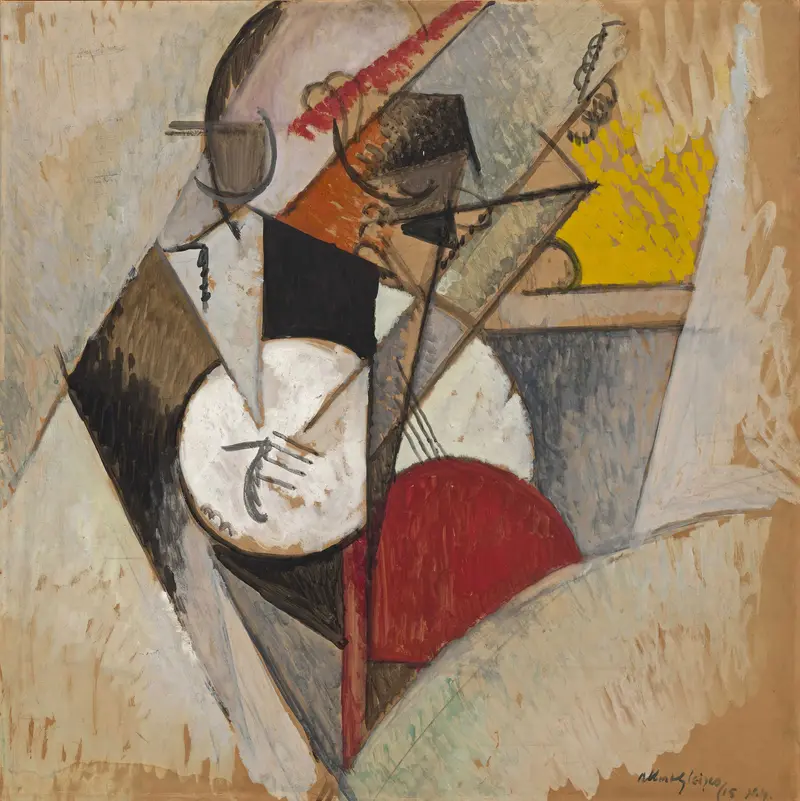
What first seizes the eye in Le législateur is the sense of ceremony conjured from pure geometry—an authority not of robes or marble, but of arcs, grids, and radiant color. The central figure, abstracted yet unmistakably enthroned, commands attention with a mask-like face rendered in fractured planes of pink and violet. Every element in the painting seems to orbit this figure: the curved rainbow bands form a kind of halo or dome, suggesting both the solemnity of law and the imaginative reach of the mind that shapes it.
The open book at the figure’s lap anchors the composition, its pages fanning out like wings, while the surrounding blocks and checkerboards evoke both the order of legal codes and the playful invention of the artist’s brush. Painted in 1937, this work stands firmly within the mature phase of Albert Gleizes, a pioneer of the Cubist movement who, by this time, had moved beyond the analytic fragmentation of early Cubism into a language of rhythmic, almost architectural abstraction. The palette is warm yet disciplined, with ochres, greens, and blues arranged in a careful choreography that guides the viewer’s gaze in concentric sweeps. The figure’s posture—upright, frontal, hands poised over the book—signals the act of judgment or decree, while the surrounding patterns hint at the social and intellectual structures that underpin such authority.
Unlike the cool detachment of Picasso’s officials or the severe angularity of Léger’s workers, Gleizes’s legislator radiates a kind of benevolent order, softened by the curves and harmonies of the composition. Works like this, created in the turbulent years between the wars, reflect a world searching for new forms of stability and meaning. By 1937, abstract painting had become a vehicle for artists to propose new ideals—order, rationality, and even utopia—at a time when the old certainties were crumbling. Little is recorded about the specific journey of this painting, but its presence in a contemporary collection, dated 2025-01-24, speaks to the enduring fascination with how art can imagine power, not as brute force, but as a structure of thought and vision.
The longer you look, the more the legislator’s world reveals itself: a place where rules are written in color and reason is shaped by the hand of the artist.
More Artworks by Albert Gleizes

Paysage de Picardie
Albert Gleizes
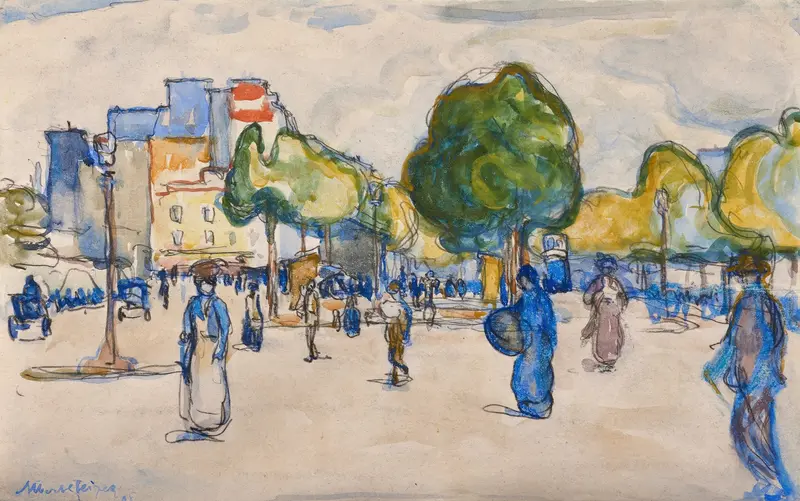
Place animée à Bagnères-de-Bigorre
Albert Gleizes
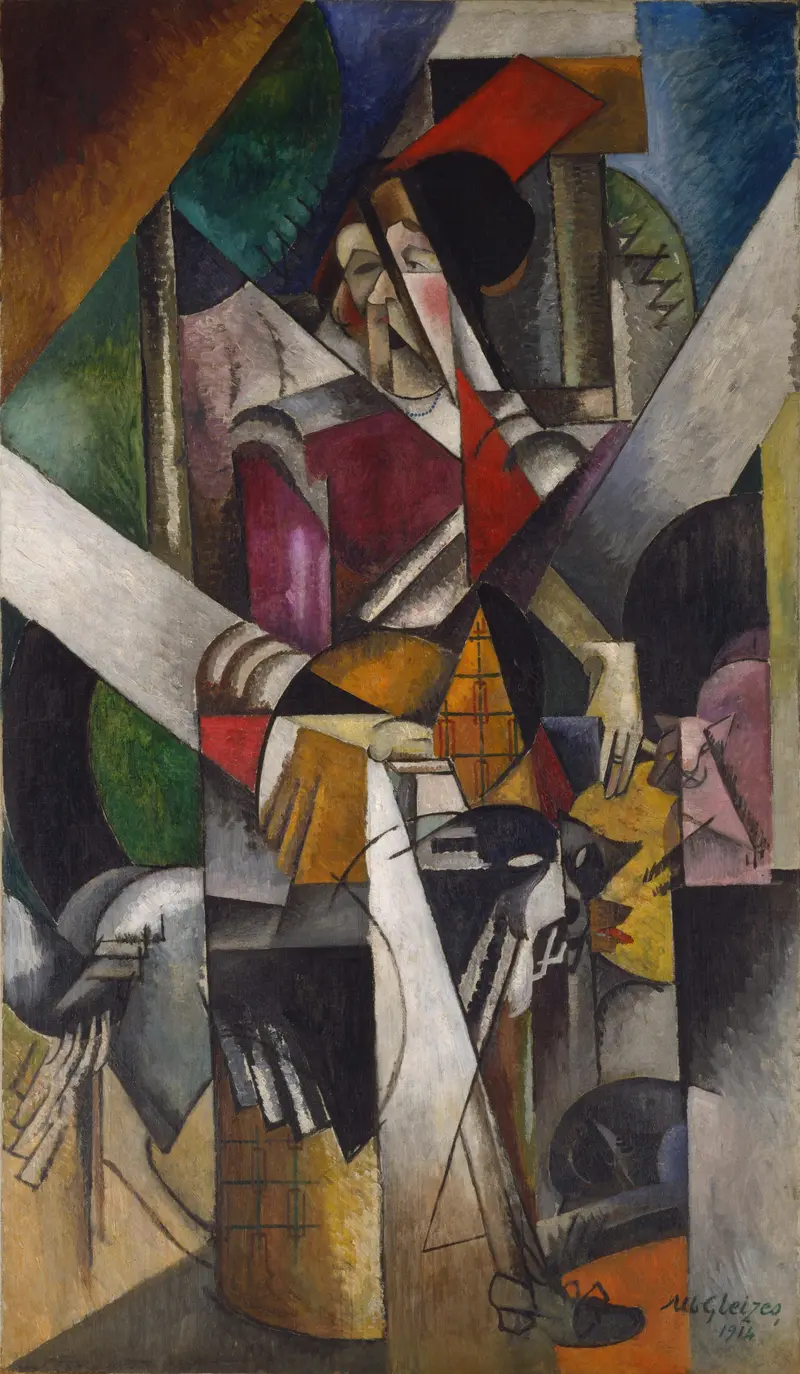
Woman with animals
Albert Gleizes
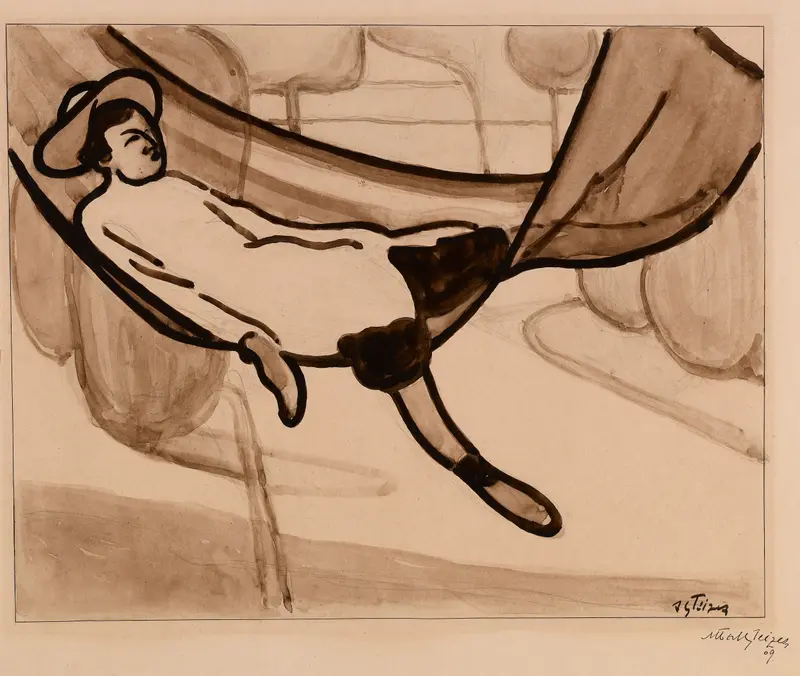
Man in a Hammock
Albert Gleizes
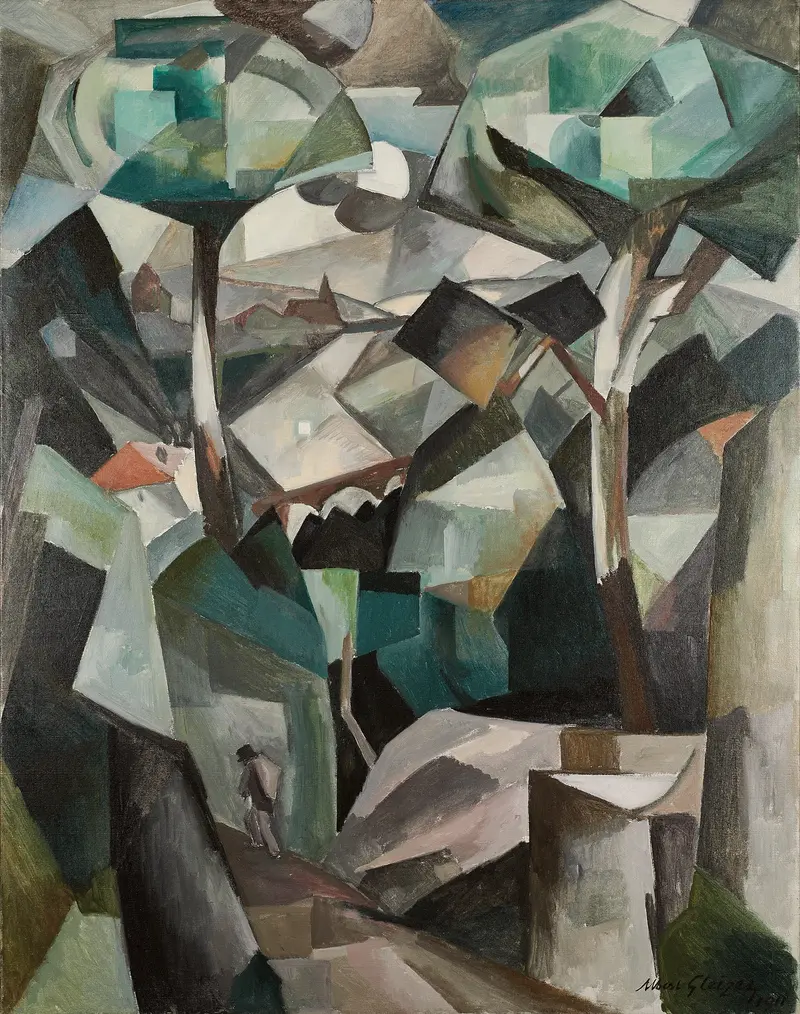
Le Chemin, Paysage à Meudon
Albert Gleizes
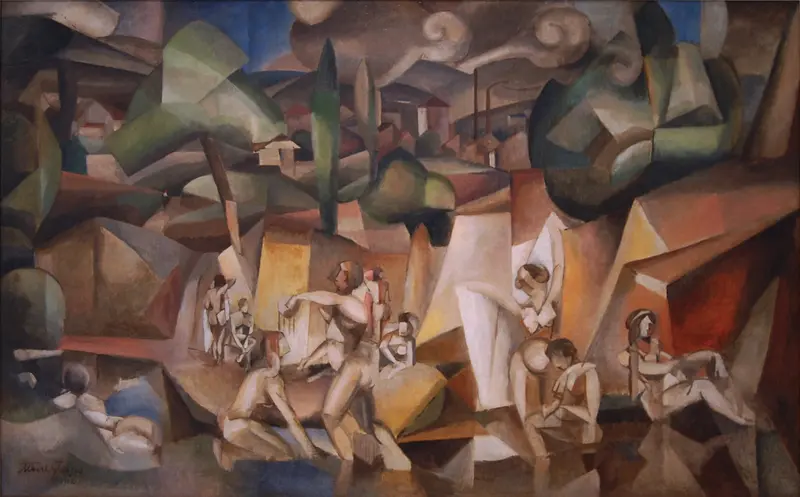
The Bathers
Albert Gleizes
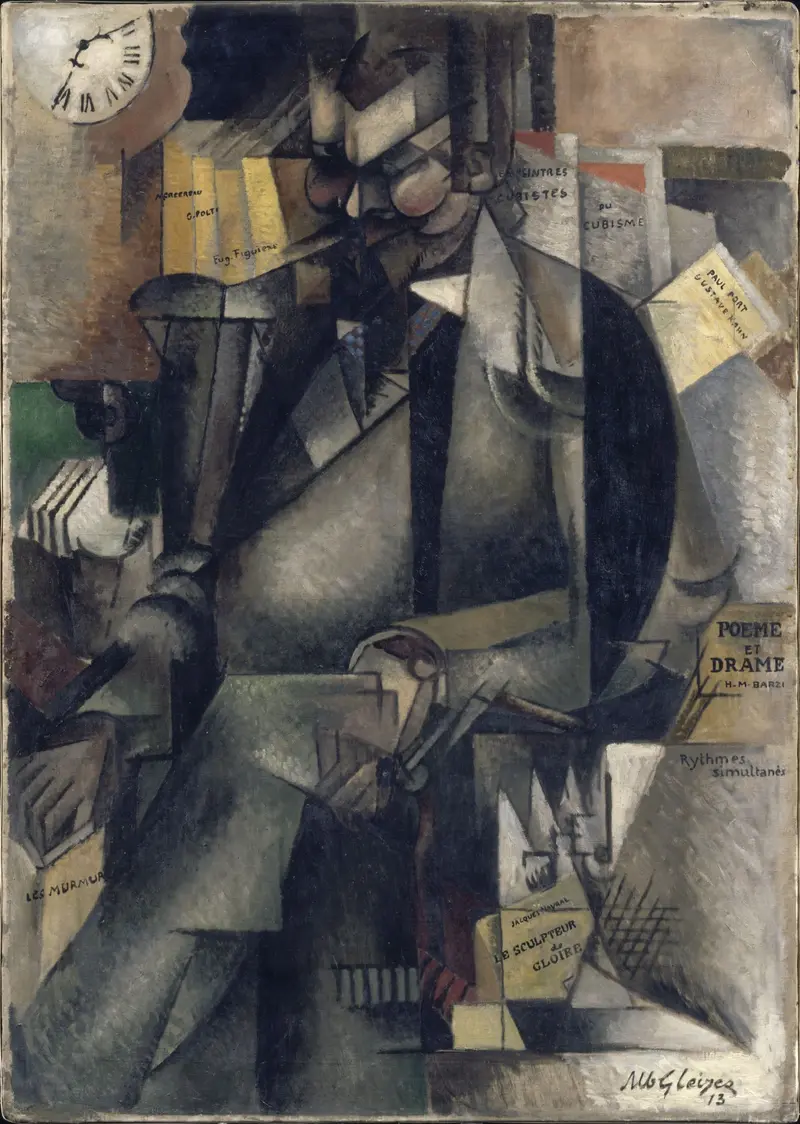
The Publisher Eugène Figuière
Albert Gleizes
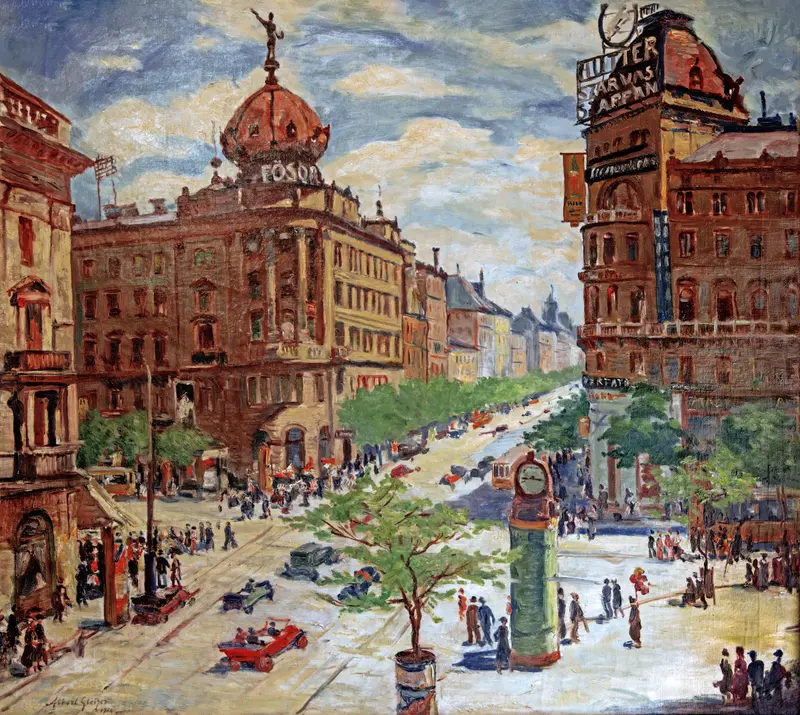
View of Budapest
Albert Gleizes
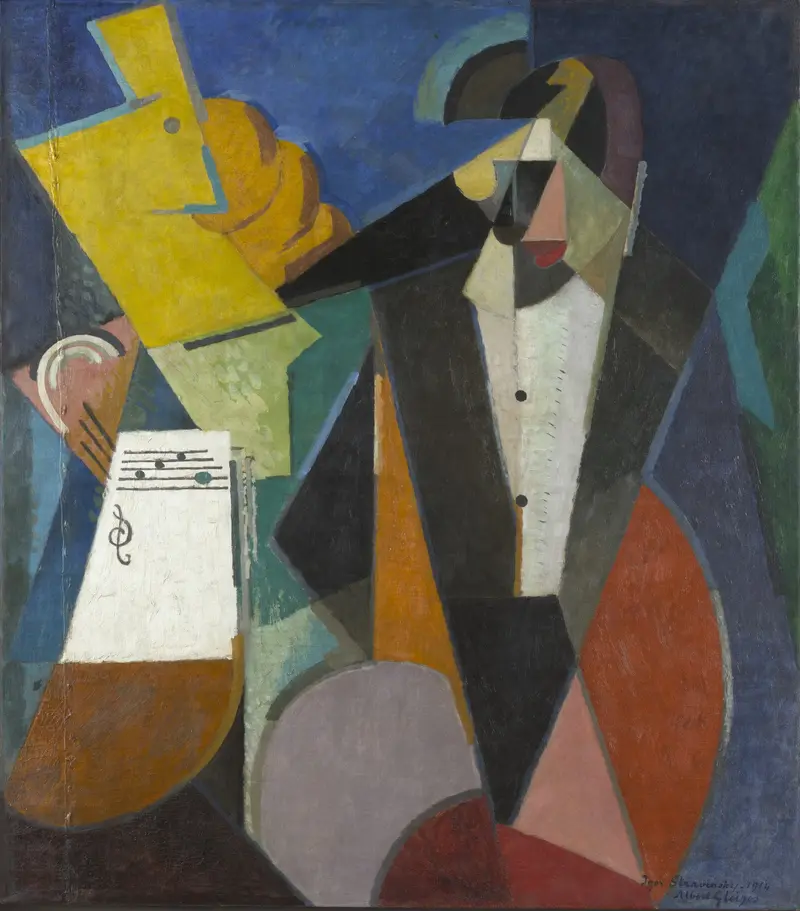
Portrait of Igor Stravinsky
Albert Gleizes
Composition for "Jazz"
Albert Gleizes



