Composition for "Jazz" — History & Facts
A riot of angled forms and fractured rhythms, Composition for Jazz by Albert Gleizes pulls the viewer into the pulse of music itself. The most striking element is how the painting refuses to settle into a single viewpoint: the banjo, hands, and faces seem to flicker and overlap, as if the music’s syncopation is breaking the figures into shards of sound and motion. The palette is earthy but punctuated by a flash of yellow, a sudden red arc, and the sharp black lines of the instruments—each color block a note in a visual chord.
The eye is drawn first to the white disc of the banjo, then swept up by the diagonal thrusts that slice across the composition, suggesting both the movement of the players and the improvisational energy of jazz. Painted in 1915, this work comes from a moment when Cubism was searching for new subjects and new forms of expression. Jazz, newly arrived in Europe, stood for everything modern: improvisation, syncopation, a break from tradition. Artists like Gleizes—a leading figure in the movement—sought to capture not just the appearance but the sensation of music.
While little is recorded about this specific painting’s commission or early history, its presence in the Solomon R. Guggenheim Museum today marks it as a testament to the restless experimentation of its era. The painting invites viewers to listen with their eyes, to find the beat in every brushstroke.
More Artworks by Albert Gleizes

Paysage de Picardie
Albert Gleizes
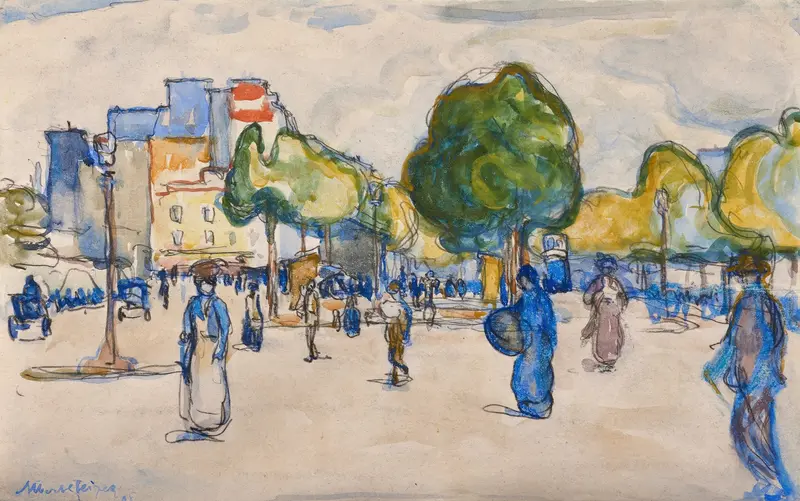
Place animée à Bagnères-de-Bigorre
Albert Gleizes
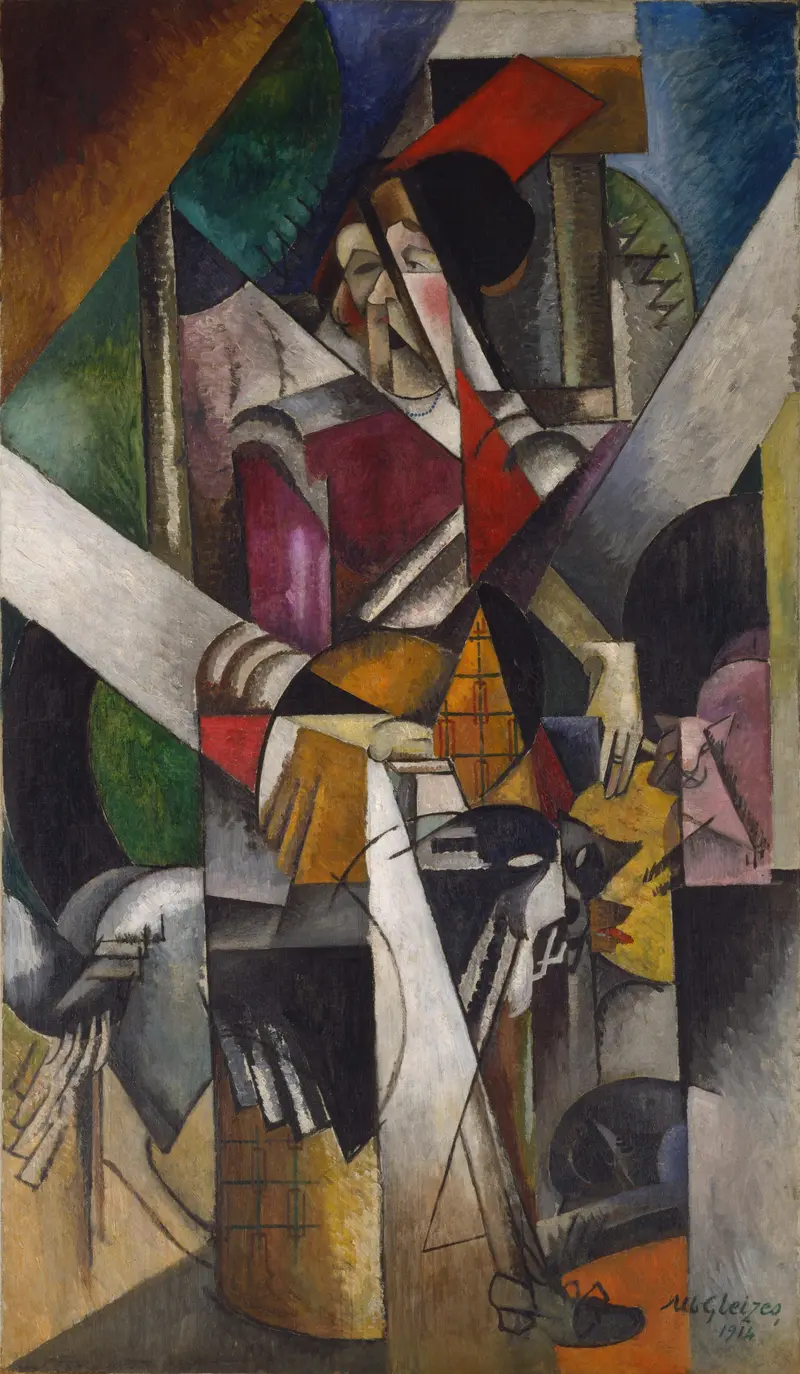
Woman with animals
Albert Gleizes
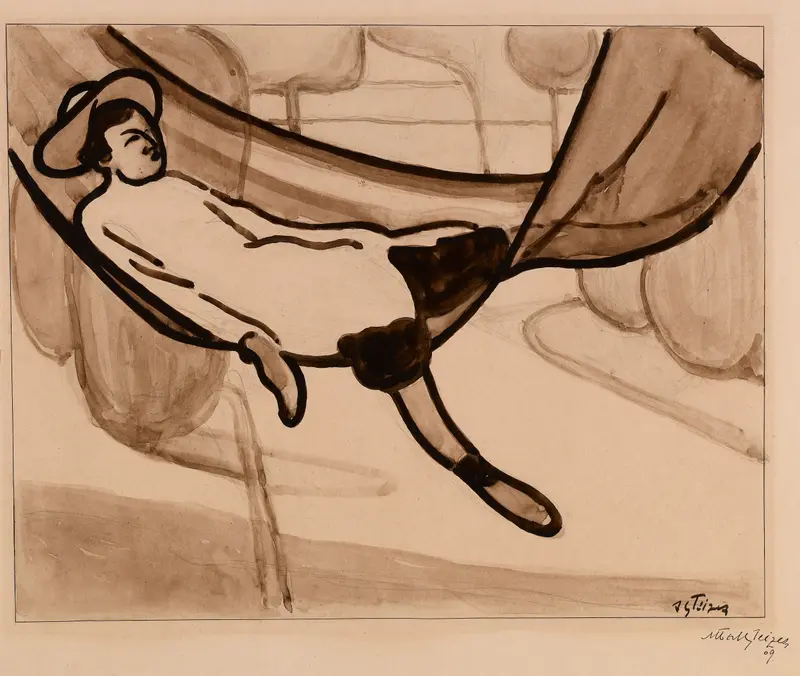
Man in a Hammock
Albert Gleizes
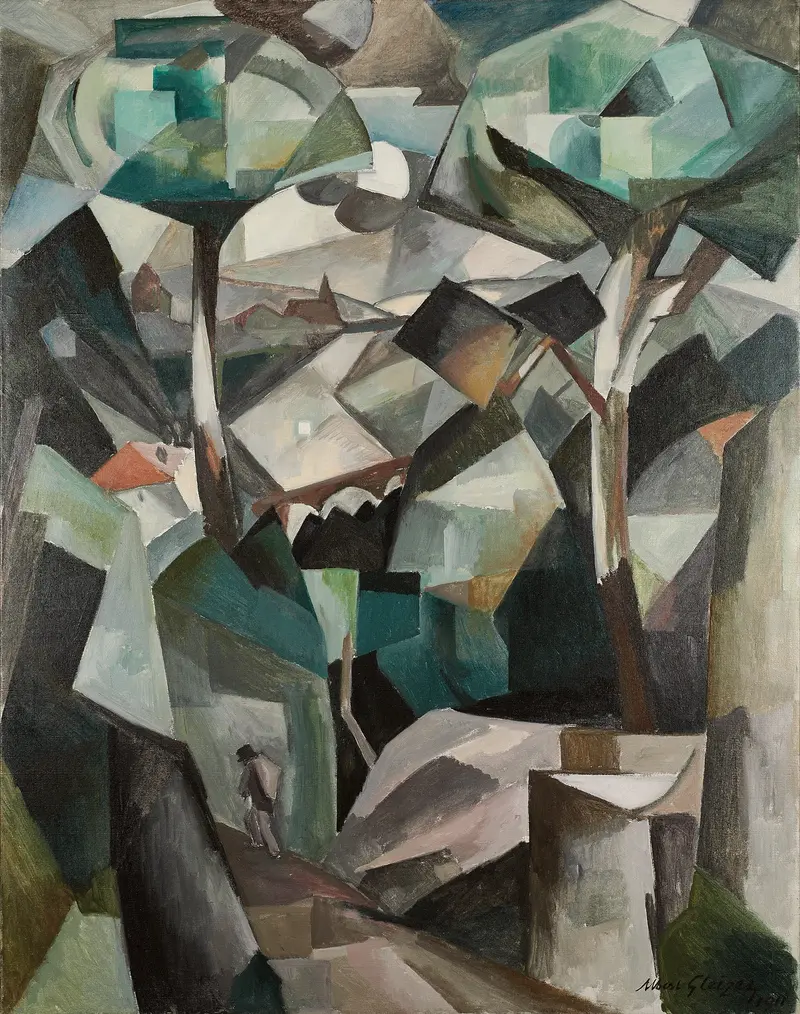
Le Chemin, Paysage à Meudon
Albert Gleizes
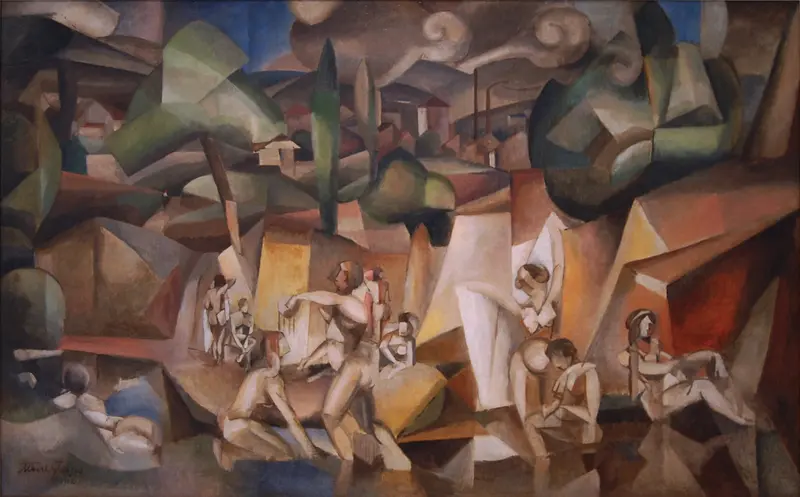
The Bathers
Albert Gleizes
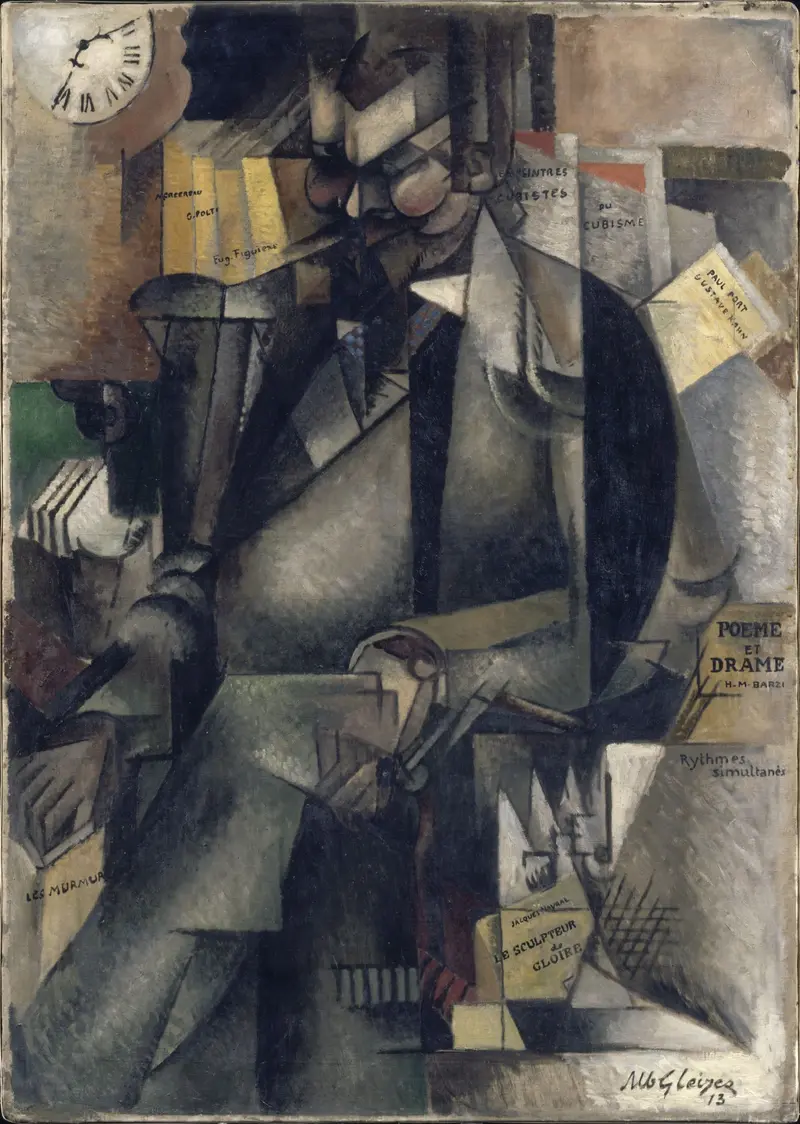
The Publisher Eugène Figuière
Albert Gleizes
GLEIZES - Le législateur
Albert Gleizes
View of Budapest
Albert Gleizes
Portrait of Igor Stravinsky
Albert Gleizes